

 Pregledaj u prostoru
 Podeli
 Podeli
 Detalji
 Vodič
Vodič

 Preuzmi sliku
 Slični predmeti
 Rendgenski snimak
 Automatska prezentacija
 Statistika
St Jerome


 Pročitaj više
Giclee štampa / Umetnički otisak
Giclée štampa ili print na platnu muzejskog kvaliteta uz brzu izradu i raznovrsne opcije završne obrade. ( Naručite ručno oslikano reprodukciju Pređi na prodaju digitalnih slika)




P118B дин10

P118H дин10

P118W дин10

P438Z дин10

P508JH дин12

P508YH дин12

P805H дин10

P805Z дин10

P919BZ дин10

P919G дин10

P919XJ дин10

P959ZH дин10

P968JZ дин12

W106C дин8

W218G дин10

W218JH дин8

W218Y дин10

W307PJ дин10

W316G дин10

W316PJ дин8

W316Y дин10

W398PJ дин8

W4111J дин10

W500HY дин15

W500JH дин15

W692G дин12

W849H дин8

W940BG дин15

W953PJ дин8




Izaberite jednu od naših unapred definisanih veličina koje odgovaraju originalnim proporcijama umetničkog dela.

Unesite širinu i visinu koja vam je potrebna, kako bi se uklopili u vaš ram ili na vaš zid. Štampa se može samo iseći, nikada ne može biti veća od originalne slike, stoga format sa drugačijim proporcijama gubi deo slike. Poslaćemo vam digitalni prikaz radi potvrde pre nego što započnemo štampu. Slika prikazana na ovoj stranici ne pokazuje stvarni rez — to pokazuje samo digitalni prikaz.
Dostava širom sveta () za 2 nedelje umesto uobičajenih 4/5 nedelja. (25 октобар)

Besplatna ekspresna dostava širom sveta

Visokokvalitetno laneno platno

Sveobuhvatno osiguranje transporta

Garancija povraćaja carine i uvoznih dažbina

Garancija vernosti boja i autentičnosti pri reprodukciji

Politika povraćaja u roku od 100 dana (samo u slučaju nedostataka)

Garancija povrata 100% novca

Popust pri većoj količini
 Opcija sa staklom dostupna je samo za dimenzije manje od 110 cm

St Jerome
Giclee štampa / Umetnički otisak
Veličina reprodukcije
-


Ukupna cena
дин 8248
Alessandro Vittoria’s St. Jerome: A Study in Contemplation
Alessandro Vittoria's "St. Jerome," crafted around 1565, offers a profoundly intimate glimpse into the heart of Renaissance spirituality. This sculpture, meticulously realized in weathered marble, transcends mere portraiture; it embodies the very essence of St. Jerome’s life as a scholar, hermit, and devout figure. The work's power resides not just in its technical brilliance but also in the palpable sense of contemplation that emanates from the seated saint. Vittoria, a key figure within the artistic landscape of Trento – his birthplace and the setting for this piece – demonstrates a mastery of form and texture rarely seen outside the workshops of the great masters.
- Subject Matter: The sculpture depicts St. Jerome in his characteristic pose, seated at a desk with a book and a skull. This arrangement immediately anchors the viewer to the saint’s dual identity – as a devoted scholar immersed in scripture and as a penitent confronting mortality.
- Technique: Vittoria's skill is evident in the incredibly detailed rendering of the marble. The folds of Jerome’s robes are sculpted with remarkable precision, conveying both weight and movement. The texture of the book and the skull is equally convincing, adding to the sculpture’s realism and tactile quality.
- Historical Context: Created during a period of intense religious reform and artistic innovation, "St. Jerome" reflects the broader trends of the late Renaissance. The influence of artists like Michelangelo and Raphael can be discerned in Vittoria's approach to anatomy and composition, albeit filtered through his own distinct style.
The Setting: A Painted Narrative
What elevates “St. Jerome” beyond a simple sculptural portrait is the inclusion of a painted backdrop – a scene depicting figures engaged in an interaction. This juxtaposition immediately introduces layers of interpretation. The painting, likely executed in a style reminiscent of the Renaissance or early Baroque period, serves not merely as decoration but as a narrative element that deepens our understanding of St. Jerome’s life and spiritual journey. The dramatic use of light and shadow within the painted scene – a hallmark of the era – further enhances its visual impact, creating a sense of depth and dynamism.
- Composition: The placement of the sculpture in the foreground, with the painting serving as a backdrop, creates a powerful visual dialogue. It invites the viewer to consider the relationship between the tangible world of the statue and the more ethereal realm represented by the painted scene.
- Symbolism (Painting): While the precise meaning of the figures within the painting remains open to interpretation, they likely represent allegorical representations of virtues or events from St. Jerome’s life – perhaps his struggles with temptation, his conversion, or his dedication to prayer.
Alessandro Vittoria: The Architect of the Renaissance
Alessandro Vittoria (1525-1608), born in Trento, was a pivotal figure in the artistic landscape of Northern Italy. His work exemplifies the transition between Mannerism and the burgeoning Baroque style, demonstrating a remarkable ability to synthesize classical ideals with contemporary sensibilities. Often overshadowed by his more famous contemporaries, Vittoria’s influence extended across multiple disciplines – sculpture, painting, and architecture – reflecting a truly Renaissance polymath. His meticulous attention to detail, combined with a profound understanding of human anatomy and spatial relationships, cemented his reputation as one of the most accomplished artists of his time.
Biography Snippet: "Albrecht Dürer: The Architect of the Renaissance" – This evocative phrase captures Vittoria's ambition to emulate the achievements of the great German artist, demonstrating a desire for innovation and mastery within the established artistic traditions.Emotional Impact & Artistic Value
“St. Jerome” is more than just a beautiful sculpture; it’s an invitation to contemplate profound questions about faith, knowledge, and mortality. The weathered appearance of the marble adds a sense of age and solemnity, suggesting that this work has witnessed centuries of reflection. Its enduring appeal lies in its ability to connect us with the timeless themes explored by St. Jerome himself. A hand-painted reproduction offers an unparalleled opportunity to experience the full impact of Vittoria’s vision – a testament to his skill and a window into the spiritual heart of the Renaissance.
Pitanja i odgovori
Da li "St Jerome" prikazuje snažne kontraste svetla i tame?
Nivo kontrasta dela „St Jerome”, Alessandro Vittoria je Statement.
Kako mogu da nabavim digitalni fajl dela „St Jerome”, Alessandro Vittoria?
Da biste dobili digitalni fajl dela „St Jerome”, Alessandro Vittoria, poručite preuzimanje digitalne slike visoke rezolucije na njegovoj stranici Digitalna slika.
Da li je "St Jerome" tipično za ono što je Alessandro Vittoria obično stvarao?
"St Jerome" prikazuje st jerome, sculpture, renaissance, contemplation, skull, marble, italy, dok su dokumentovane teme umetnika Alessandro Vittoria su dürer’s renaissance ideals, religious contemplation, jerome”, “baroque influence, italy”, sculptural representation, legacy. Poređenje ova dva elementa pokazuje kako se ovo delo povezuje sa uobičajenim motivima ovog umetnika.
Biografija umetnika
Albrecht Dürer: Arhitekta renesanse
Albrecht Dürer, ime koje je postalo sinonim za umetnost nemačke renesanse, predstavlja jednu od najuticajnijih figura u evropskom slikarstvu i grafici 16. veka. Rođen u Nürnbergu 1471. godine, njegov život bio je svedočanstvo umetničke ambicije, intelektualne radoznalosti i neumorne potrage za savršenstvom. Više od običnog slikara, Dürer je bio pedantni posmatrač, matematički mislilac i pionir koji je premostio jaz između severnoevropskog realizma i uzbudljivih ideala italijanske visoke renesanse. Njegovo nasleđe prevazilazi njegove pojedinačne remek-delca; on je suštinski oblikovao tok umetničke tehnike i teorije, ostavljajući neizbrisiv trag na generacije umetnika koji su došli nakon njega.
Dürerov rani život bio je prožet vibrirajućim trgovačkim centrom Nürnbergom, gradom poznatim po prosperitetnoj trgovini i rastućoj slobojnoj građanskoj klasi. Njegov otac, Albrecht Dürer stariji, bio je zlatar i majstor štampar, pružajući mladom Albrehtu neprocenjivu osnovu u zanatskom umeću i umetničkoj produkciji. Prvu obuku prošao je kod Adama Krafta, lokalnog slikara, pre nego što je oko 1493. godine postao šegrt vrhunskog nemačkog grafičara Hansa Holbeina starijeg u Augsburgu. Ovaj formativni period izložio ga je sofisticiranim tehnikama graviranja i etsinga, veštinama koje će kasnije savladati sa neprevaziđenom preciznošću. Vreme provedeno uz Holbeina u njemu je usadilo duboko poštovanje prema detalju, jasnoći i ekspresivnoj snazi linije – osobinama koje će postati zaštitni znak njegovog prepoznatljivog stila.
Cvetanje genija: Glavna dela i umetnički razvoj
Dürerova umetnička produkcija obuhvatala je izuzetno širok spektar tema i medija. Njegova rana dela, poput Svetog Ane (1498) i Klanjanja tri kralja (1503-1505), pokazuju majstorsko vladanje perspektivom i bojom, odražavajući uticaj italijanskih majstora renesanse poput Andree Mantegne. Ipak, upravo je sa serijom drvoreza – posebno sa Apokalipsom (1498) i Velikom patnjom (1507-1508) – on se istinski utvrdio kao značajna umetnička sila. Ovi zamršeni printovi prikazivali su njegov izvanredan tehnički sklad, sposobnost da prenese složene narative kroz pedantno iscrtane figure, kao i njegov inovativni pristup liniji i senčenju.
Sredina 1500-ih označila je vrhunac Dürerove kreativnosti. Ovaj period svedočio je stvaranju nekih od njegovih najslavnijih dela: Melanholije I (1514), proganjajućeg samoportreta koji istražuje teme umetničke frustracije i egzistencijalnog očaja; Vitez, smrt i đavo (1518), složene alegorijske kompozicije koja se bavi smrtnošću i ljudskom ambicijom; kao i serije gravura poznate kao Molitve, koje prikazuju scene iz Hristovog života. Primetno je da je Dürerovo angažovanje u geometriji i proporciji u to vreme očigledno u delima poput Četiri knjige o merenju (1525), revolucionarnog traktata koji je spojio umetničke principe sa matematičkom teorijom, demonstrirajući njegovo verovanje da umetnost treba da bude utemeljena u racionalnom razumevanju.
Most između tradicija: Uticaji i inovacije
Dürerov umetnički razvoj oblikovao je složeni preplitanje uticaja. On je upijao stilske inovacije italijanskih majstora renesanse, poput Leonarda da Vinčija i Rafaela, posebno njihov naglasak na naturalizmu, perspektivi i ljudskoj anatomiji. Istovremeno, ostao je duboko ukorenjen u tradicijama severnoevropske umetnosti, crpeći inspiraciju iz nemačkih oltarskih slika i pedantnog detalja karakterističnog za flamansko slikarstvo. Njegov rad predstavlja jedinstvenu sintezu ovih različitih uticaja, stvarajući stil koji je istovremeno zapanjujuće moderan i duboko klasičan.
Dürerove inovacije su prevazilazile njegovu tehničku veštinu. On je bio pionir novih tehnika u grafici, naročito korišćenja ukrštanja linija za kreiranje suptilnih tonalnih varijacija. Njegova pedantna pažnja posvećena detaljima, rigorozan pristup kompoziciji i istraživanje složenih alegorijskih tema postavili su novi standard za umetničku izvrsnost. Štaviše, Düreri svo teoretska dela – uključujući Podučavanje o merenju pomoću cirkla i lenjira – pokazala su njegovu posvećenost podizanju umetnosti iznad običnog imitiranja ka intelektualnoj i racionalnoj disciplini.
Nasleđe i istorijski značaj
Albrecht Dürer je preminuo u Nürnbergu 1528. godine, ostavivši za sobom ogroman i uticajan korpus dela. Njegova slika, printovi i teoretska pisanja nastavljaju da proučavaju i dive im umetnici i naučnici širom sveta. Smatra se jednom od najvažnijih figura u istoriji zapadne umetnosti, ne samo zbog svojih pojedinačnih remek-delaca, već i zbog dubokog uticaja na umetničku tehniku, teoriju i predstavljanje stvarnosti. Dürerovo nasleđe proteže se daleko izvan renesanse; on je pomogao u postavljanju temelja za modernu grafiku i uticao na generacije umetnika koji su krenuli njegovim stopama. Njegova neumorna potraga za savršenstvom, intelektualna radoznalost i nepokolebljiva posvećenost umetničkom izražavanju služe kao trajna inspiracija svima koji teže razumevanju moći i potencijala umetnosti.

Alessandro Vittoria
1525 - 1608 , Italija
Brzi pregled
- Artistic Movement Or Style: Flamansko slikarstvo
- Artists Or Movements Influenced By This Artist: ['Njegovi sinovi, Jan i Pieter Bruegel II']
- Artists Who Influenced This Artist: ['Pieter Coecke van Aelst']
- Date Of Birth: 1525
- Date Of Death: 1569
- Full Name: Pieter Bruegel stariji
- Nationality: Flamanski
- Notable Artworks:
- Selsko venčanje
- Lovci na snegu
- Zlatar
- Pad nevinih
- Place Of Birth: Breda, Brabant
Srodni članci

Bronze Sculptures That Defined Art History | OriginalUniqueArt
Journey through art history with our Top 10 bronze sculptures! Explore masterpieces by Rodin, Michelangelo & more. Discover stories behind iconic statues and find museum-quality reproductions for your home decor at OriginalUniqueArt.com.

The Enduring Allure of Marble in Art History: From Classical Sculpture to Modern Abstraction
Explore the captivating history of marble sculpture from ancient Greece to modern art. Discover renowned artists like Canova & Michelangelo, carving techniques, and investment insights at OriginalUniqueArt.
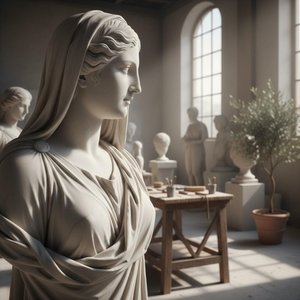
Timeless Elegance: A Complete Guide to the Sublime Beauty and Artistry of Marble Sculpture
Discover the sublime beauty of marble art through an expert exploration of Renaissance and Neoclassical masterpieces. From the delicate textures of Carpeaux to the grandeur of Sansovino, immerse yourself in a guide to timeless elegance and sculptural perfection.

The Enduring Form: Exploring Themes & Techniques in Sculpture Across Historical Periods
Explore the rich history of sculpture from ancient masterpieces to contemporary innovations. Discover key techniques, influential artists & investment potential for discerning art collectors.

The Enduring Form: Sculpture Across History, Technique & Emotional Resonance
Explore the rich history of sculpture with OriginalUniqueArt. Discover key techniques, influential artists & investment potential for discerning collectors. Expert insights into valuing and collecting timeless masterpieces.