 Pregledaj u prostoru
 Pošalji
 Podeli
 Detalji o delu
 Vodič
Vodič

 Preuzmi
 Slični predmeti
 Rendgenski snimak
 Automatska prezentacija
 Q&A
Q&A Statistika
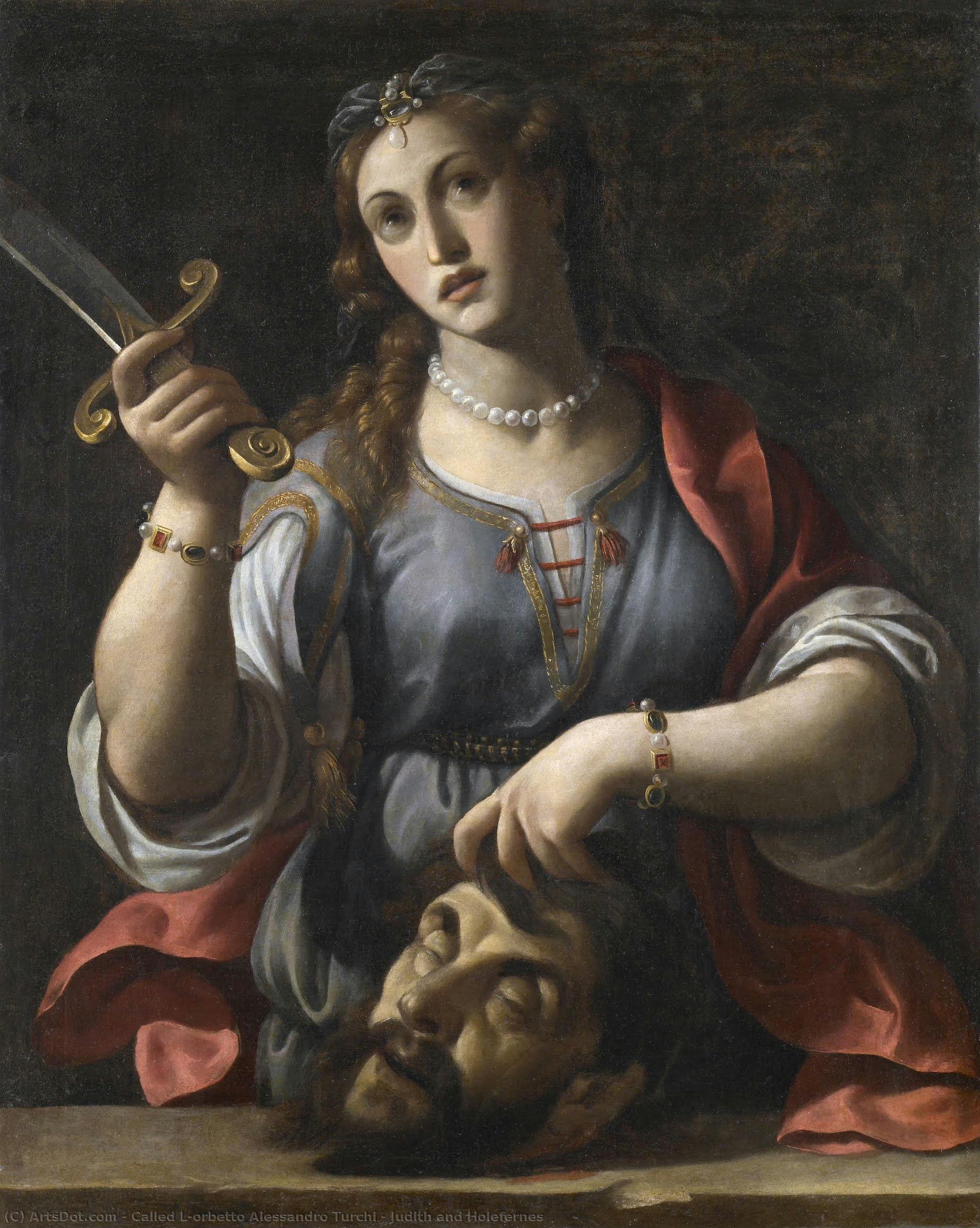
Judith and Holefernes


 Pročitaj više
Giclee štampa / Umetnički otisak
Giclée štampa ili print na platnu muzejskog kvaliteta uz brzu izradu i raznovrsne opcije završne obrade. ( Kupite ručno oslikano delo Pređi na digitalnu sliku)




P118B дин10

P118H дин10

P118W дин10

P438Z дин10

P508JH дин12

P508YH дин12

P805H дин10

P805Z дин10

P919BZ дин10

P919G дин10

P919XJ дин10

P959ZH дин10

P968JZ дин12

W106C дин8

W218G дин10

W218JH дин8

W218Y дин10

W307PJ дин10

W316G дин10

W316PJ дин8

W316Y дин10

W398PJ дин8

W4111J дин10

W500HY дин15

W500JH дин15

W692G дин12

W849H дин8

W940BG дин15

W953PJ дин8




Izaberite jednu od naših unapred definisanih veličina koje odgovaraju originalnim proporcijama umetničkog dela.

Unesite željenu širinu i visinu kako bi se štampa uklopila u vaš ram ili zid. Štampu je moguće samo iseći, ali nikada povećati iznad dimenzija originalne slike, stoga format sa drugačijim proporcijama uzrokuje gubitak dela slike. Pre početka štampe, poslaćemo vam digitalni prikaz radi potvrde. Slika prikazana na ovoj stranici ne predstavlja stvarni isrez — to pokazuje samo digitalni prikaz.
Dostava širom sveta () za 2 nedelje umesto uobičajenih 4/5 nedelja. (1 новембар)

Besplatna ekspresna dostava širom sveta

Visokokvalitetno laneno platno

Potpuno osiguranje transporta

Garancija povraćaja carine i uvoznih dažbina

Garancija vernosti boja

Politika povraćaja u roku od 100 dana (samo u slučaju nedostataka)

Garancija povrata 100% novca

Popust na više proizvoda
 Opcija sa staklom dostupna je samo za dimenzije manje od 110 cm

Judith and Holefernes
Giclee štampa / Umetnički otisak
Dimenzije reprodukcije
-


Ukupna cena
дин 8334
A Masterpiece of Baroque Tension
In the shadowy corridors of art history, few moments capture the visceral intersection of violence and virtue as poignantly as Alessandro Turchi’s Judith and Holofernes. Painted around 1605, this monumental oil on canvas serves as a breathtaking window into the Roman Baroque era, a period defined by its theatricality and profound psychological depth. The scene depicts the climactic biblical moment where Judith, a Jewish heroine of unparalleled courage, executes the Assyrian king Holofernes to save her people from oppression. Turchi does not merely record a historical or religious event; he invites the viewer into a space of intense emotional confrontation, where the air feels heavy with the scent of iron and the weight of divine retribution.
The composition is masterfully anchored by Judith herself, whose presence dominates the foreground with an almost chilling composure. Clad in opulent fabrics—a pristine white blouse accented by crimson trim and draped in a flowing blue garment—she stands as a beacon of light against an indistinct, dark background. This use of chiaroscuro, the dramatic interplay between light and shadow, is a hallmark of Turchi’s style, drawing the eye irresistibly toward the central drama. As she holds aloft the severed head of her enemy, her expression remains remarkably steady, blending a sense of solemn duty with an unwavering resolve that transcends simple vengeance.
Technique and the Language of Light
To gaze upon this work is to witness the technical prowess of a Veronese master. Turchi employs a sophisticated layered oil painting technique, building up textures that make the tactile world of the painting feel palpable. One can almost feel the smoothness of the pearls adorning Judith’s neck and the heavy, luxurious folds of her drapery. The artist’s brushstrokes are deliberate and precise, used to render the gruesome reality of Holofernes’s demise with a realism that is both unsettling and beautiful. This balance between the grotesque and the graceful is what elevates the piece from a mere narrative illustration to a high-art triumph.
The lighting in the piece acts as a silent narrator, originating from above to cast dramatic shadows that define the contours of the figures and create a profound sense of volume. This light does more than illuminate; it sanctifies the act of resistance, casting Judith in a heroic glow while leaving the fallen king in the encroaching darkness of death. For collectors and interior designers, such a piece offers more than just visual interest; it provides a focal point of immense character, capable of anchoring a room with its sophisticated palette and commanding presence.
Symbolism and Lasting Emotional Resonance
Beyond the immediate shock of the decapitation, Judith and Holofernes is a rich tapestry of symbolic meaning. The severed head serves as a potent emblem of mortality and the inevitable defeat of tyranny, while Judith herself embodies the triumph of faith and justice over brute force. The jewelry and fine clothing she wears are not merely decorative; they represent the dignity of her cause and the grandeur of the moment, suggesting that even in the midst of carnage, there is a divine order being restored.
For those seeking to surround themselves with art that provokes thought and stirs the soul, Turchi’s vision offers an unparalleled experience. A high-quality reproduction of this work allows the drama of the Baroque to inhabit modern spaces, bringing a sense of history, gravity, and timeless elegance to any collection. It is a piece that demands attention, inviting continuous re-examination of its themes of courage, sacrifice, and the enduring struggle between light and shadow.
Pitanja i odgovori
Da li autorska prava za „Judith and Holefernes”, autor Alesandro Turki dozvoljavaju reprodukciju?
Originalno delo "Judith and Holefernes" čuva se u muzeju Fondazione Brescia Musei, a rad je u javnom vlasništvu – autorska prava su istekla.
Koliko su intenzivne boje u delu „Judith and Holefernes”, autor Alesandro Turki?
Intenzitet boja dela "Judith and Holefernes" je Monochromatic. Intenzitet opisuje koliko boje deluju snažno.
Koliki je nivo kontrasta kod dela „Judith and Holefernes”, autor Alesandro Turki?
„Judith and Holefernes”, autor Alesandro Turki prikazuje Balanced kontrast između svojih svetlih i tamnih delova.
Biografija umetnika
Veronski majstor u rimskom baroku: Život i umetnost Alesandrea Turkija
Alesandro Turki, koji je s ljubavlju zvan „L’Orbetto“ – mali vrag – bio je ključna figura koja je povezivala kasnomannerističke tradicije Verone sa uzbudljivom dramatikom ranog rimskog baroka. Rođen 1578. godine u Veroni dotaknutoj umetničkim žarom, Turkijev put odražava fascinantan preplitanje regionalnih stilova i magnetne privlačnosti rimskih umetničkih inovacija. Njegovo početno školovanje pod vođstvom Felice Riccia (il Brusasorci), istaknutog veronskog slikara, postavilo je čvrste temelje u tehnici i kompoziciji. Ovo učenje ugradilo je u njega pedantni pristup formi i senzibilitet prema boji koji će karakterisati njegova rana dela. Do 1603. godine, Turki se etablirao kao samostalni umetnik, brzo stičući priznanje za svoj nadolazeći talenat. Značajan rani posao – ukrasni paneli za orgulje u Accademia Filarmonica u Veroni (1606–1609) – pokazao je ne samo njegovu tehničku veštinu, već i svestranost u rukovanju velikim dekorativnim projektima. Ovaj period učvrstio je njegov položaj u umetničkoj sceni Verone, pripremajući ga za širi umetnički horizont.Od Verone do Rima: Cvetanje karijere
Smrt Felice Riccia 1605. godine predstavila je prekretnicu. Turki je, zajedno sa Pasquale Ottinom, stupio na scenu kako bi dovršio nekoliko platna koja je njihov učitelj ostavio nedovršenim, što je čin koji je dodatno izbrusio njegove veštine i učvrstio njegovu reputaciju u umetničkoj zajednici. Ovaj zajednički trud nije se odnosio samo na završavanje postojećih dela; bio je to ključni period učenja i usavršavanja, omogućavajući Turkiju da upije Riccijeve stilske nijanse dok je istovremeno razvijao sopstveni jedinstveni glas. Njegova ambicija ga je ubrzo odvela izvan Verone. Do ente 1616. godine, on se uputio u Rim, epicentar umetničkih inovacija, gde se brzo uronio u živopisnu atmosferu papskog pokroviteljstva i umetničkog takmičenja. Njegov udeo u freskovnoj dekoraciji Sale Reggia u palati Quirinal – prikazujući Skup manu – označio je njegov dolazak na rimsku scenu. Ovaj posao doveo ga je u dodir sa vodećim umetnicima tog vremena i izložio dramskoj intenzitetu koji je definisao nadolazeći barokni stil. Posebno značajno dostignuće tokom ovog perioda bilo je delo Hrist, Magdalena i anđeli, koje je naručio kardinal Scipione Borghese, moćni pokrovitelj poznat po svom profinjenom ukusu i podršci umetničkom talentu.Sinteza stilova: Karavagizam i gracioznost
Turkij stil umetnosti je izuzetno prepoznatljiv – upečatljiva mešavina mekoće i dramske intenzivnosti. Iako je bio duboko pod uticajem dela Carla Cagliarija i, što je presudno, svog ranog mentora Felice Riccia, on nije jednostavno imitirao njihove stilove. Umesto toga, izgradio je jedinstven put koji ga je izdvojio od savremenika. Uticaj Caravaggia je neosporiv; Turki je majstorski koristio chiaroscuro – dramatičnu upotrebu svetlosti i senke – kako bi stvorio osećaj teatralnosti i emocionalne dubine u svojim slikama. Međutim, za razliku od nekih Caravaggijevih strogo realističnih prikaza, Turki je tu intenzivnost ublažio lirskom gracioznošću i rafinisanim osećajem za boju. Njegove figure poseduju skulpturalnu kvalitet, ali su prožete nežnom ljudskošću koja ublažava dramatski utisak. Upravo ova sposobnost balansiranja suprotstavljenih sila – drame i delikatnosti – definiše njegov umetnički potpis. Često je koristio crni mermer kao pozadinu u svojim istorijskim scenama, stvarajući upečatljiv kontrast koji je dodatno pojačao emocionalnu snagu njegovih kompozicija.Nasleđe i priznanje: Princ rimskog umetničkog sveta
Tokom čitave svoje karijere, Alessandro Turchi nije bio samo vešti slikar, već i posvećeni mentor. Velikodušno je delio svoje znanje i stručnost sa obećavajućim mladim umetnicima, uključujući Giovannija Ceschinija i Giovannija Battista Rossija (il Gobbino), od kojih su obojica izgradili uspešne karijere u Veroni. Njegov profesionalni status nastavio je da raste; 1637. godine izabran je za „principe“ – direktora – Accademia di San Luca, što je svedočanstvo njegovog vođstva i umetničkog autoriteta u rimskom umetničkom svetu. Godinu dana kasnije, 1638. godine, pridružio se prestižnoj papskoj korporaciji umetnika, poznatoj kao Pontifical Academy of Fine Arts and Letters of the Virtuosi al Pantheon, čime je dodatno učvrstio svoje mesto među elitnim rimskim umetnicima. Turkij doprinos ranom baroknom slikarstvu danas se priznaje zbog veštog spajanja dramske intenzivnosti sa nežnom estetskom senzibilnošću. Njegova upečatljiva religiozna i istorijska dela nastavljaju da očaravaju posetioce, nudeći uvid u umetničko kretanje Italije 17. veka. Za sobom je ostavio nasleđe ne samo kroz svoje slike, već i kroz umetnike koje je inspirisao, osiguravajući da njegova jedinstvena vizija opstane generacijama koje dolaze. Njegovo delo ostaje svedočanstvo moći umetničke sinteze i trajnog privlačnosti lepote ublažene dramom.
Alesandro Turki
1578 - 1649 , Italija
Osnovne informacije
- Artistic Movement Or Style: Rani barok
- Artists Or Movements Influenced By This Artist:
- Giovanni Ceschini
- Giovanni B. Rossi
- Artists Who Influenced This Artist:
- Felice Riccio
- Carlo Cagliari
- Date Of Birth: 1578
- Date Of Death: 1649
- Full Name: Alessandro Turchi
- Nationality: Italijan
- Notable Artworks:
- Vrtulni oltarski rad Uznesenje
- Hrist, Magdalena i anđeli
- Parisu suđenje
- Kef i Prokris
- Place Of Birth: Verona, Italija
Povezani članci

Chiaroscuro & Emotion: Capturing the Dramatic Soul of Baroque Art
Explore the profound drama of Baroque art. Discover how masters used chiaroscuro and intense emotion to capture the soul of the 17th century through light, shadow, and spiritual grandeur in this expert art history guide.

The Visceral Stage: Exploring Dramatic Narratives & Emotional Intensity in Baroque Art
Explore the dramatic world of Baroque art! Discover iconic masters like Caravaggio & Rembrandt, their techniques, and the movement's lasting impact. Expert insights for collectors & enthusiasts at OriginalUniqueArt.

The Dramatic Flourish: Exploring the Baroque Movement's Enduring Legacy in Art History
Explore the dramatic world of Baroque art! Discover iconic artists like Caravaggio & Rubens, defining techniques, and its lasting impact on art history. Expert insights for collectors & enthusiasts at OriginalUniqueArt.

Barok Majstor dela: Top 10 Umjetničkih Remeka za Vaš Dom
Otkrijte 10 remek dela koja su definisala baroknu umetnost! Karavagio, Bernini i više – istražite priče iza ovih ikoničnih slika. Inspiracija za vaš dom? Pogledajte kolekciju na OriginalUniqueArt.com!

Барокна драма: Уношење величине и емоција у савремене ентеријере
Откријте барокну драму и унесите величину у ваш ентеријер! OriginalUniqueArt нуди ручно насликане репродукције, персонализоване портрете и стручне консултације за љубитеље класичне уметности. Потражите савршено дело већ данас!