
 Pregledaj u prostoru
 Pošalji
 Podeli
 Detalji o delu

 Преузми
 Slični predmeti
 Rendgenski snimak
 Slajdovi
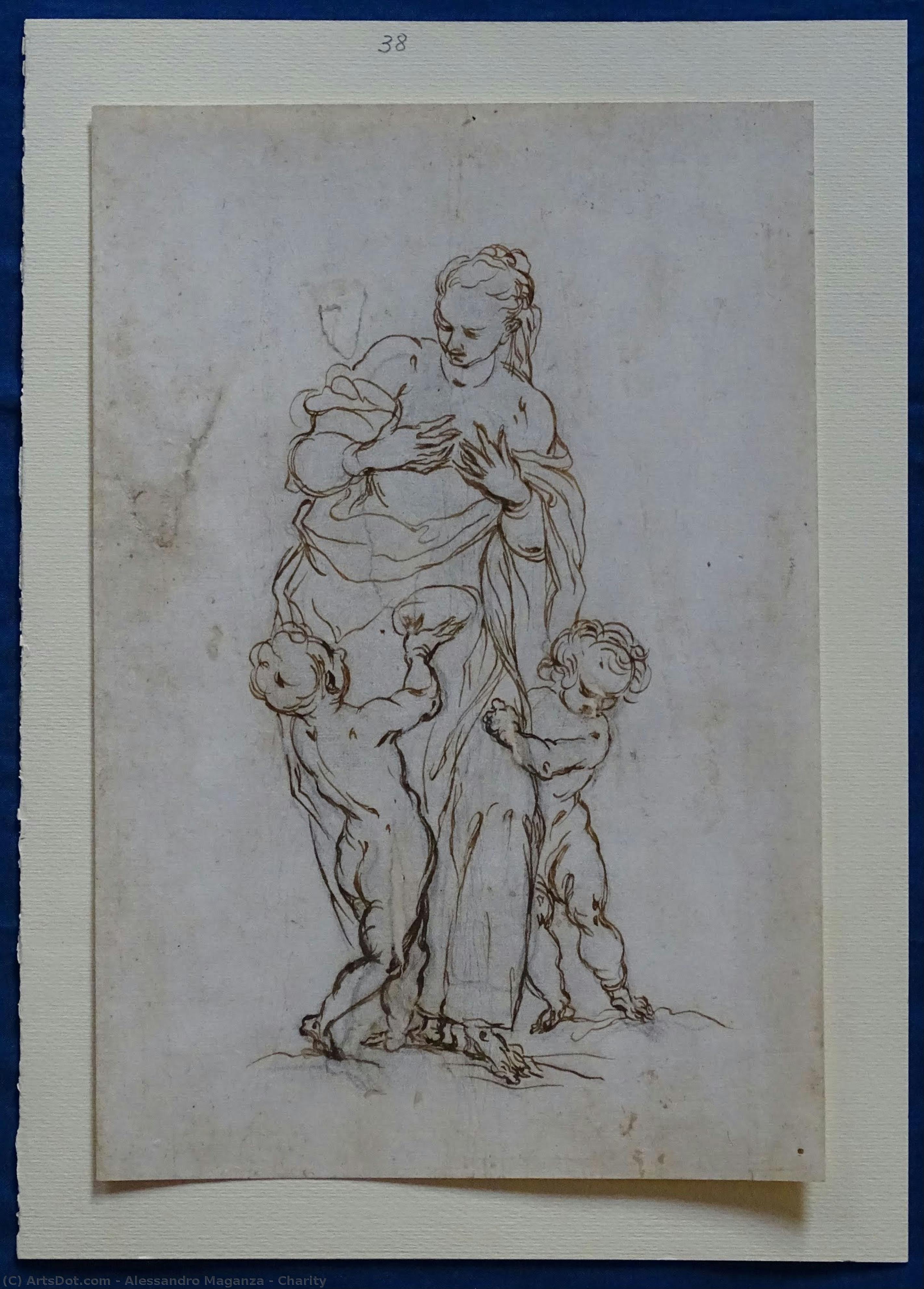
Charity

 Pročitaj više
Ručno rađena uljana reprodukcija
Ručno oslikano uljanim bojama na platnu u dimenzijama i okviru po vašem izboru, izrađeno po porudžbini od strane naših umetnika. ( Pređi na štampu Prebacite na sliku)




































Izaberite jednu od naših unapred definisanih veličina koje odgovaraju originalnim proporcijama umetničkog dela.

Можете унети сопствене димензије како бисте прилагодили дело одређеном оквиру или простору. Ако одабрана величина не одговара пропорцијама оригинала, слика ће бити исечена или проширена додатним елементима који се ручно насликавају. Дигитални prikaz ће вам бити послат на одобрење пре почетка производње.
Имајте на уму да преглед на екрану не одражава стварно исецање или проширење. Само приказ (mockup) ће тачно приказати коначну композицију.
Иако су доступне прилагођене величине, препоручујемо да одаберете димензију из дефинисане листе како бисте сачували оригиналне пропорције.
Nakon narudžbine, tim OriginalUniqueArt.com će klijentu putem e-pošte poslati uputstva i dostaviti prikaz predloženog rešenja
Isporuka širom sveta () za 3/4 nedelje umesto uobičajenih 5 nedelja. (10 август). Bez kompromisa po pitanju kvaliteta.

Besplatna ekspresna dostava širom sveta

Visokokvalitetno laneno platno

Kompletno osiguranje transporta

Garancija povraćaja carine i uvoznih dažbina

Garancija vernosti boja

Politika povrata u roku od 60 dana (samo u slučaju nedostataka)

Garancija povrata novca od 100%

Popust pri grupnoj kupovini
 Opcija sa staklom dostupna je samo za dimenzije manje od 110 cm

Charity
Tehnika reprodukcije
Dimenzije reprodukcije
-


Konačna cena
$ 350
Biografija umetnika
Early Life and Formation in the Venetian Landscape
Alessandro Maganza, born in Padua in 1556, emerged from a family deeply rooted in the artistic traditions of the Veneto region. His father, Giovanni Battista Maganza, was not only a painter but also a poet, instilling in Alessandro an early appreciation for both visual and literary beauty. This upbringing proved formative, shaping his sensibility towards narrative and expressive composition. Alessandro’s initial training took place within his father's studio, laying the groundwork for his technical skills and introducing him to the prevailing artistic currents of Padua. However, recognizing the burgeoning dynamism of Venice, Giovanni Battista encouraged Alessandro to pursue further studies there around 1572. This period proved pivotal; immersed in the vibrant atmosphere of the city, Alessandro encountered the masterpieces of Tintoretto, Paolo Veronese, and particularly Palma Giovane. The influence of these masters—their dramatic use of light, rich color palettes, and fluid draughtsmanship—would become deeply ingrained in his own artistic style. The sculptor Alessandro Vittoria also played a role in guiding Maganza’s development during this time, further refining his understanding of form and composition.A Flourishing Workshop and the Embrace of Mannerism
Upon returning to Vicenza in 1576, Alessandro Maganza quickly established himself as a leading figure in the local art scene. He founded a prolific workshop that dominated artistic production for decades, becoming a central hub for painters and apprentices. Notably, his sons—Giovanni Battista the Younger, Marcantonio, Girolamo, and Vincenzo—followed in his footsteps, contributing to the family’s enduring legacy. Maganza's style is generally categorized as Mannerist, though it possesses a unique blend of academic rigor and expressive vitality. He skillfully synthesized the elegance and refinement of High Renaissance principles with the dynamic energy characteristic of Venetian painting. His early documented work, *Madonna and Child with Four Evangelists* (1580), commissioned for the monastery of Monte Berico near Vicenza, reveals the influence of Palma Giovane in its delicate figures and harmonious composition. This piece signaled his arrival as a significant artistic voice within the region.Frescoes, Altarpieces, and Palladian Spaces
Maganza’s output was remarkably diverse, encompassing frescoes, altarpieces, and large-scale ceiling canvases. He received numerous commissions from both ecclesiastical and civic patrons, reflecting the high demand for his work. One of his most celebrated achievements is the fresco cycle adorning the inner cupola of Andrea Palladio's Villa Rotonda near Vicenza. This project, undertaken around the 1590s, showcases Maganza’s mastery of illusionistic painting and allegorical representation. The figures seem to float effortlessly within the architectural space, creating a breathtaking visual spectacle. He also undertook extensive decorative schemes for the Vicenza Cathedral, including a series of canvases depicting scenes from the lives of saints. These works demonstrate his ability to translate complex theological narratives into compelling visual form. His altarpieces, often characterized by their vibrant colors and emotional intensity, became hallmarks of churches throughout the Veneto.Technical Skill and Artistic Legacy
Alessandro Maganza’s technical prowess was widely admired during his lifetime. He excelled in both fresco painting and tempera techniques, adapting his approach to suit the specific requirements of each project. His drawings, often executed with rapid pen lines over chalk underdrawings, reveal a spontaneous expressiveness that anticipates later Baroque styles. He frequently employed *sfumato*, a technique popularized by Leonardo da Vinci, to create subtle gradations of light and shadow, lending his figures a sense of depth and realism. Beyond his own prolific output, Maganza’s workshop played a crucial role in disseminating his artistic style throughout the Veneto. His sons and pupils continued to produce works in his manner, ensuring the enduring influence of his hybrid aesthetic. His drawings were often misattributed to contemporaries like Palma Giovane or Francesco Maffei, testament to their quality and stylistic similarities. Alessandro Maganza died in 1632, leaving behind a rich artistic legacy that continues to captivate viewers today. He stands as a significant figure in the transition from Renaissance to Baroque art, bridging the gap between tradition and innovation within the Venetian landscape.Historical Significance and Enduring Appeal
Alessandro Maganza’s importance lies not only in his technical skill but also in his ability to synthesize diverse artistic influences into a cohesive and compelling style. He successfully blended academic Mannerism with the vibrant energy of Venetian painting, creating works that were both elegant and emotionally resonant. His contributions to the decoration of significant architectural spaces—such as Palladio’s Villa Rotonda—further cemented his reputation as a leading artist of his time. His workshop's output sustained Mannerist traditions in the Veneto during a period of stylistic change, providing a vital link between past and present. The enduring appeal of Maganza’s work lies in its beauty, technical skill, and expressive power. His paintings continue to be admired for their harmonious compositions, vibrant colors, and compelling narratives, offering a glimpse into the artistic world of 16th-century Italy.- Frescoes in the Oratory of San Rocco
- Altarpieces for Vicenza Cathedral
- Decoration of Villa Rotonda

alessandro maganza
1556 - 1632 , Italy
Osnovne informacije
- Artistic Movement Or Style: Renaissance & Baroque
- Artists Who Influenced This Artist: ['Venetian school painters']
- Date Of Birth: 1556
- Date Of Death: 1632
- Full Name: Alessandro Maganza
- Nationality: Italian
- Notable Artworks:
- Frescoes in San Rocco
- Madonna with Saints
- Carmine School frescoes
- Place Of Birth: Padua, Italy

