
 Pregledaj u prostoru
 Pošalji
 Podeli
 Detalji o delu

 Преузми
 Slični predmeti
 Rendgenski snimak
 Slajdovi
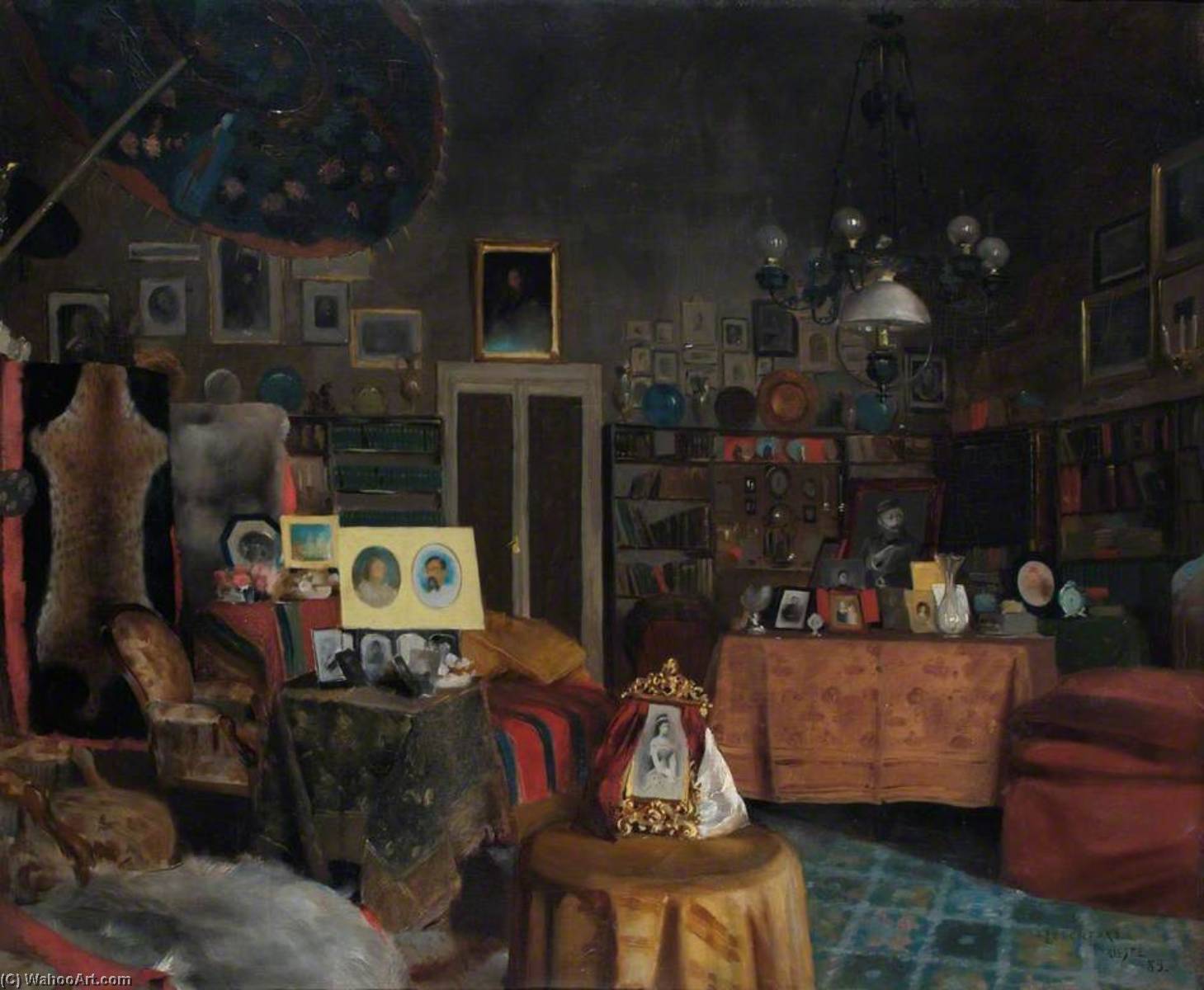
Sir Richard Burton's Study
 1889
1889 46.0 x 56.0 cm
 Orleans House Gallery
 Pročitaj više
Giclee štampa / Umetnički otisak
Giclée štampa ili print na platnu muzejskog kvaliteta uz brzu proizvodnju i fleksibilne opcije završne obrade. ( Kupi ručno naslikanu sliku Kupi digitalnu sliku)




































Izaberite jednu od naših unapred definisanih veličina koje odgovaraju originalnim proporcijama umetničkog dela.

Možete uneti sopstvene dimenzije kako biste umetničko delo prilagodili specifičnom okviru ili prostoru. Ako odabrani format ne odgovara proporcijama originalne slike, mi ćemo ili iscrtati deo dela ili proširiti sliku pomoću ogledane ivice ili jednobojnog popunjavanja. Digitalni prikaz će vam biti poslat na odobrenje pre početka proizvodnje.
Imajte na umu da pregled na ekranu ne odražava stvarno iscrtavanje ili proširivanje. Samo će prikaz (mockup) precizno pokazati finalnu kompoziciju.
Iako su prilagođene dimenzije dostupne, preporučujemo da odaberete dimenziju sa unapred definisane liste kako biste očuvali originalne proporcije.
Dostava širom sveta () za 2 nedelje umesto uobičajenih 4/5 nedelja. (14 август)

Besplatna ekspresna dostava širom sveta

Visokokvalitetno laneno platno

Kompletno osiguranje transporta

Garancija povraćaja carine i uvoznih dažbina

Garancija vernosti boja

Politika povrata u roku od 60 dana (samo u slučaju nedostataka)

Garancija povrata novca od 100%

Popust pri grupnoj kupovini
 Opcija sa staklom dostupna je samo za dimenzije manje od 110 cm

Sir Richard Burton's Study
Giclee štampa / Umetnički otisak
Dimenzije reprodukcije
-


Konačna cena
$ 80
Biografija umetnika
Albert Letchford: A Painter of Shadows and Exotic Light
Albert Letchford, a name perhaps less familiar than those of his contemporaries, nevertheless holds a significant place in 19th-century art – specifically within the orbit of Sir Richard Burton and the burgeoning world of Victorian illustration. Born in Trieste in 1866, into a family steeped in maritime trade (his father was a machinist for Lloyd Austriaco), Letchford’s early life fostered an appreciation for both the practicalities of industry and the allure of distant lands. This duality would profoundly shape his artistic vision, leading him to capture not just likenesses but also atmospheres – particularly those imbued with shadow and the exotic light of the East.
His formal training began in Venice and Paris, providing a solid foundation in traditional techniques. However, it was his encounter with Sir Richard Francis Burton in Florence around 1884 that proved to be a pivotal moment. Burton, the renowned explorer, linguist, and diplomat, had established a home in Trieste, and Letchford’s youthful enthusiasm and artistic talent quickly caught the attention of the charismatic figure. The story surrounding this initial meeting is itself intriguing – accounts suggest a young Letchford, perhaps overwhelmed by the presence of an imposing woman (Lady Burton), instinctively sought to “behead” her with a toy sword, highlighting a precocious intensity and a fascination with the dramatic. This anecdote speaks volumes about his character: observant, imaginative, and possessing a keen eye for detail.
The Burton Collection: Portraits of a Victorian Explorer
Letchford’s most enduring legacy lies in his portraits of Sir Richard Burton, commissioned by Lady Burton during their time in Trieste. These weren't merely straightforward likenesses; they were carefully constructed narratives, capturing not just Burton’s physical appearance but also his personality and the atmosphere surrounding him. The series comprises fourteen paintings, depicting scenes from Burton’s life – a fencing lesson, studies of his bedroom, views through the windows of Villa Gossleth (now Villa Economo), and intimate moments within the house. These works are now housed in the Burton Collection at Orleans House Gallery in London, offering a rare glimpse into the domestic world of one of Britain's most celebrated explorers.
The technique employed by Letchford is notable for its subtlety and mastery of light. He eschewed stark realism, instead favoring a muted palette and a deliberate use of shadow to create a sense of depth and atmosphere. His brushstrokes are loose and expressive, conveying not just the form but also the mood – a characteristic often associated with the Impressionists, though Letchford’s style remained distinctly Victorian in its subject matter and compositional structure. The portraits reveal an astute understanding of human psychology, capturing Burton's intellectual intensity, his quiet dignity, and perhaps even a hint of melancholy.
Illustrations for “The Book of the Thousand Nights and a Night”
Following Burton’s death in 1890, Letchford continued to work closely with Lady Burton. She entrusted him with a significant commission: the creation of seventy-two illustrations for the 1897 edition of *The Book of the Thousand Nights and a Night* (also known as *One Thousand and One Nights*), published by H.S. Nichols & Co. This project marked a shift in Letchford’s artistic focus, moving from portraiture to the depiction of exotic scenes and fantastical characters drawn from the ancient Arabic tales.
These illustrations are particularly remarkable for their detailed renderings of Middle Eastern landscapes, costumes, and customs. Letchford meticulously researched the subject matter, drawing upon his own travels in Egypt and incorporating elements of Orientalism – a prevalent artistic trend at the time that romanticized and often stereotyped the East. However, Letchford’s work transcends mere imitation; he imbues these scenes with a sense of authenticity and visual richness, capturing the vibrancy and complexity of the cultures depicted.
A Life in Naples and a Legacy of Shadows
After Lady Burton's departure for England, Letchford and his sister Daisy moved to Naples in 1905. There, he continued to paint, producing further illustrations and portraits before his untimely death in 1905 at the age of thirty-nine. His burial took place in the English Cemetery in Naples, a poignant reminder of his transatlantic life and artistic journey.
While Letchford’s name may not be as widely recognized as some of his contemporaries, his work offers a valuable window into the Victorian era – a period of exploration, empire, and shifting artistic sensibilities. His portraits of Sir Richard Burton are particularly significant, providing intimate glimpses into the life and mind of one of Britain's most extraordinary figures. Letchford’s legacy lies not just in his individual paintings but also in his ability to capture the essence of a time and place – a world of shadows, exotic light, and enduring fascination.

albert letchford
1866 - 1905
Osnovne informacije
- Artistic Movement Or Style: Portraiture, Illustration
- Artists Or Movements Influenced By This Artist: ['Victorian Art']
- Artists Who Influenced This Artist:
- Turner
- Ruskin
- Date Of Birth: 1866
- Date Of Death: 1905
- Full Name: Albert Letchford
- Nationality: British
- Notable Artworks:
- Sir Richard Burton (1889)
- Book of the Thousand Nights
- Place Of Birth: Trieste, Italy

