
 Pregledaj u prostoru
 Pošalji
 Podeli
 Detalji o delu
 Vodič
Vodič

 Preuzmi
 Slični predmeti
 Rendgenski snimak
 Automatska prezentacija
 Pitanja i odgovori
 Statistika
Day of Rest

 Pročitaj više
Giclee štampa / Umetnički otisak
Giclée štampa ili print na platnu muzejskog kvaliteta uz brzu izradu i raznovrsne opcije završne obrade. ( Kupite ručno oslikano delo Pređi na digitalnu sliku)




P118B дин10

P118H дин10

P118W дин10

P438Z дин10

P508JH дин12

P508YH дин12

P805H дин10

P805Z дин10

P919BZ дин10

P919G дин10

P919XJ дин10

P959ZH дин10

P968JZ дин12

W106C дин8

W218G дин10

W218JH дин8

W218Y дин10

W307PJ дин10

W316G дин10

W316PJ дин8

W316Y дин10

W398PJ дин8

W4111J дин10

W500HY дин15

W500JH дин15

W692G дин12

W849H дин8

W940BG дин15

W953PJ дин8




Izaberite jednu od naših unapred definisanih veličina koje odgovaraju originalnim proporcijama umetničkog dela.

Unesite željenu širinu i visinu kako bi se štampa uklopila u vaš ram ili zid. Štampu je moguće samo iseći, ali nikada povećati iznad dimenzija originalne slike, stoga format sa drugačijim proporcijama uzrokuje gubitak dela slike. Pre početka štampe, poslaćemo vam digitalni prikaz radi potvrde. Slika prikazana na ovoj stranici ne predstavlja stvarni isrez — to pokazuje samo digitalni prikaz.
Dostava širom sveta () za 2 nedelje umesto uobičajenih 4/5 nedelja. (7 новембар)

Besplatna ekspresna dostava širom sveta

Visokokvalitetno laneno platno

Potpuno osiguranje transporta

Garancija povraćaja carine i uvoznih dažbina

Garancija vernosti boja

Politika povraćaja u roku od 100 dana (samo u slučaju nedostataka)

Garancija povrata 100% novca

Popust na više proizvoda
 Opcija sa staklom dostupna je samo za dimenzije manje od 110 cm

Day of Rest
Giclee štampa / Umetnički otisak
Dimenzije reprodukcije
-


Ukupna cena
дин 8485
Albert Edelfelt: A Portrait of Finnish Identity
Albert Gustaf Aristides Edelfelt (21 July 1854 – 18 August 1905) stands as a monumental figure in Finnish art history, recognized for his unwavering commitment to Realism and his masterful depiction of the Finnish landscape and its people. Born in Porvoo, Finland, son of Swedish architect Carl Albert Edelfelt, he inherited an artistic lineage steeped in Scandinavian tradition but swiftly forged his own distinctive path—one that championed observation and honest representation above idealized notions.
Edelfelt’s formative years were spent honing his skills at the Drawing School of the Finnish Art Society, followed by a crucial period studying in Antwerp and Paris. These experiences instilled in him a profound understanding of European artistic currents while simultaneously grounding him in the burgeoning Finnish national consciousness. He embraced Impressionistic techniques—particularly visible in works like “The Eklöf Boys on the Veranda of Villa Sjökulla”—capturing fleeting moments of light and atmosphere with delicate brushstrokes and vibrant color palettes.
Style and Technique: The Essence of Realism
Edelfelt’s artistic philosophy revolved around capturing the essence of Finnish life as it unfolded. Unlike Romantic painters who sought to elevate subjects into heroic narratives, Edelfelt prioritized accuracy—a painstaking attention to detail that rendered everyday scenes with remarkable immediacy. His canvases are characterized by a meticulous layering of paint—often employing glazing techniques—to achieve luminous surfaces and subtle tonal gradations. This approach allowed him to convey not only visual fidelity but also an emotional resonance rooted in genuine observation.
- Glazing Techniques: Edelfelt skillfully applied thin layers of translucent pigment over existing paint, creating depth and luminosity.
- Color Palette: Warm hues—particularly ochres, reds, and yellows—dominated his palette, reflecting the colors of the Finnish countryside and conveying a sense of warmth and tranquility.
- Brushwork: Loose, expressive brushstrokes conveyed movement and texture, capturing the dynamism of Finnish life while maintaining compositional balance.
Historical Context: Finland’s Quest for Independence
Edelfelt's artistic output coincided with Finland’s tumultuous struggle for independence from Russia—a period marked by fervent nationalist sentiment and a desire to establish a distinct cultural identity. His paintings served as powerful emblems of Finnish heritage, portraying scenes of rural life, maritime traditions, and familial bonds—values that resonated deeply with the aspirations of a nation striving to define itself on the world stage. Works like “Portrait of Louis Pasteur” exemplify Edelfelt’s ability to convey intellectual curiosity alongside artistic skill.
Symbolism and Emotional Impact: Capturing the Soul of Finland
Beyond mere visual representation, Edelfelt's canvases communicated profound emotional truths about Finnish culture and experience. The depiction of children—particularly “The Eklöf Boys”—symbolizes innocence, vitality, and the continuity of tradition—themes that underscore Edelfelt’s belief in the importance of preserving Finland’s cultural heritage. His paintings evoke a sense of nostalgia for simpler times—a yearning for connection to the land and its traditions—leaving viewers with an enduring appreciation for the beauty and resilience of Finnish spirit.
Conclusion: An Enduring Legacy
Albert Edelfelt's legacy extends far beyond his individual masterpieces. He established a standard of excellence that continues to inspire Finnish artists today, cementing his place as the nation’s foremost painter—a testament to his unwavering dedication to Realism and his profound understanding of the human condition. His work remains an invaluable resource for anyone seeking insight into Finnish identity and artistic achievement.
Pitanja i odgovori
Koji je koloristički identitet dela „Day of Rest”, autor Алберт Еделфелт?
„Day of Rest”, autor Алберт Еделфелт koristi Earthy paletu, pri čemu je Walnut (#7f5035) dominantna boja.
Kako mogu da pregledam „Day of Rest”, autor Алберт Еделфелт u obliku prezentacije?
Dijaporama dela "Day of Rest" dostupna je na stranici Galerija slika tog umetničkog dela.
Postoji li vodič za „Day of Rest”, autor Алберт Еделфелт?
Stranica Vodič za učenike za delo „Day of Rest”, autor Алберт Еделфелт nudi štampani informativni list u dve stranice: sam rad sa tabelom identifikacije, vremensku traku koja ga smešta u period života umetnika, druga dela istog umetnika, izmerenu paletu boja i citate spremne za kopiranje u četiri stila.
Biografija umetnika
Рани живот и образовање
Алберт Густав Аристиде Еделфелт, један од најзначајнијих финских сликара, рођен је 21. јула 1854. године у Порвоу, Финској. Његови родитељи, Карл Алберт Еделфелт и Александра Еделфелт (родена Брандт), били су Шведоговорни Финци. Већ од раног узраста, Еделфелт је показивао изузетан таленат за уметност, што га је навело да се посвети формалном школовању у школи цртања Финског друштва уметника 1869. године. Његова рана изложеност природи и културној атмосфери Порвоа оставила је дубок траг на његов каснији рад, обликујући његову естетику и тематику.Уметнички пут и формирање стила
Еделфелтов уметнички пут га је одвео кроз престижне институције: Академију ликовних уметности у Антверпену (1873-74), где је усавршавао вештину историјског сликања, и Националну школу лепих уметности у Паризу (1874-78) под менторством Жана-Леона Жерома. Овај период у Паризу био је пресудан за његов развој, где је упознао најновије трендове и технике савремене уметности. Кратко време проведен у Санкт Петербургу (1881-82) додатно је обогатило његову палету инспирација и перспектива. Еделфелт се постепено одмакао од академског реализма, развијајући сопствени стил који је карактерисала суптилност, емоционална искреност и тежња ка аутентичном приказивању живота.Пробој и значајна дела
Еделфелтов пробој дошао је са освојеном златном медаљом на Универзалној изложби у Паризу 1889. године, што га је лансирало у међународни свет уметности. Међу његова најзначајнија дела спадају портрет Луја Пастера, који му је донео Легију части 1886. године, "Млада жена у својој соби", где демонстрира мајсторство у приказивању женске лепоте и интиме, и "Под брезама", емотивно дело које осликава фински пејзаж са носталгичном атмосфером. Ова дела представљају врхунац његовог реалистичког стила и способност да ухвати суштину човековог духа и лепоте природе.Наслеђе и утицај
Као један од пионира финске уметности на међународној сцени, Еделфелт је значајно допринео реалистичком покрету у Финској. Његов рад је имао велики утицај на млађе генерације финских сликара, попут Акселија Гален-Калеле и Гунара Берндтсона, којима је помогао да се афирмишу у Паризу. Еделфелтова способност да споји реалистичку прецизност са емоционалном дубином отворила је нове путеве за финску уметност и инспирисала многе касније уметнике.Музејске збирке и комеморација
Дела Алберта Еделфелта се налазе у бројним музејима широм света, укључујући Атењеумов музеј у Хелсинкију, где је представљена обимна колекција његових радова. У знак поштовања његовом наслеђу, 2004. године издата је комеморативна новчић са ликом Алберта Еделфелта поводом обележавања 150. годишњице рођења. Кључна дела и музејске збирке: Сазнајте више:
Алберт Еделфелт
1854 - 1905 , Србија
Osnovne informacije
- Artistic Movement Or Style: Realizam
- Artists Or Movements Influenced By This Artist:
- Akseli Gallen-Kallela
- Gunnar Berndtson
- Artists Who Influenced This Artist: ['Žan-Leon Žerom']
- Date Of Birth: 21. jul 1854.
- Date Of Death: 1905.
- Full Name: Albert Gustaf Aristides Edelfelt
- Nationality: Finac
- Notable Artworks:
- Portret Luja Pasteura
- Mlada žena u boudoaru
- Pod brezama
- Place Of Birth: Porvoo, Finska
Povezani članci
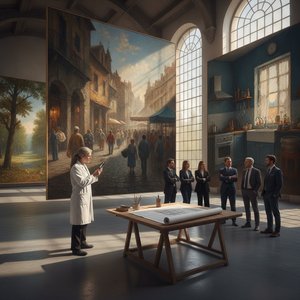
Realism in Art: A Professional Guide to Authentic Detail and Lifelike Masterpieces for Large-Scale Interior Projects
Master the use of Realism in professional interiors. This expert guide explores 19th-century masterpieces, offering procurement managers and designers technical insights into selecting authentic, hand-painted oil reproductions for high-end hotel and corporate projects.

Romantic Realism's Finest: 10 Masterpieces for Your Home | OriginalUniqueArt
Explore 10 defining masterpieces of Romantic Realism! Discover Courbet, Millet & Daumier's powerful paintings—capturing emotion and social realities. Find museum-quality reproductions for your home at OriginalUniqueArt.com.
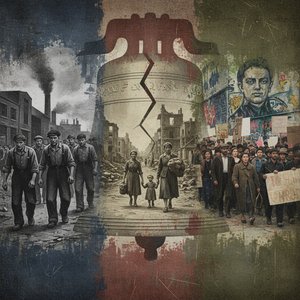
Echoes of Society: Exploring Social Realism's Enduring Legacy in Art
Explore the powerful world of Social Realism art! Discover key artists, masterpieces & its profound social commentary. Expert insights into this influential movement's history and enduring legacy.
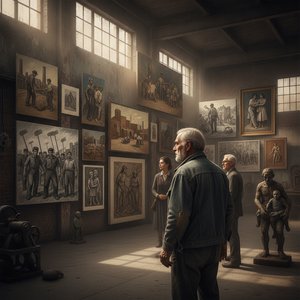
The Raw Truth: A Definitive Guide to the Power and Legacy of Social Realism Art
Explore the profound impact of Social Realism. Discover how masters like Courbet rejected idealism to capture the raw, socio-political truths of the working class through powerful, unvarnished art history and enduring visual critique.
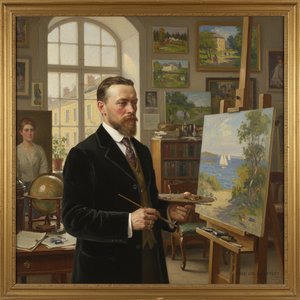
Albert Edelfelt: A Pioneer of Finnish Realism & International Impressionist Circles
Explore the life & work of Albert Edelfelt, a pioneering Finnish Realist painter who bridged Impressionism & national identity. Discover his masterpieces and lasting influence on art history.
