
 Pregledaj u prostoru
 Pošalji
 Podeli
 Detalji o delu
 Vodič
Vodič

 Preuzmi
 Slični predmeti
 Rendgenski snimak
 Automatska prezentacija
 Pitanja i odgovori
 Statistika
Merrymakers in an Inn

- 47.0 x 41.0 cm


 Pročitaj više
Giclee štampa / Umetnički otisak
Giclée štampa ili print na platnu muzejskog kvaliteta uz brzu izradu i raznovrsne opcije završne obrade. ( Kupite ručno oslikano delo Pređi na digitalnu sliku)




P118B дин10

P118H дин10

P118W дин10

P438Z дин10

P508JH дин12

P508YH дин12

P805H дин10

P805Z дин10

P919BZ дин10

P919G дин10

P919XJ дин10

P959ZH дин10

P968JZ дин12

W106C дин8

W218G дин10

W218JH дин8

W218Y дин10

W307PJ дин10

W316G дин10

W316PJ дин8

W316Y дин10

W398PJ дин8

W4111J дин10

W500HY дин15

W500JH дин15

W692G дин12

W849H дин8

W940BG дин15

W953PJ дин8




Izaberite jednu od naših unapred definisanih veličina koje odgovaraju originalnim proporcijama umetničkog dela.

Unesite željenu širinu i visinu kako bi se štampa uklopila u vaš ram ili zid. Štampu je moguće samo iseći, ali nikada povećati iznad dimenzija originalne slike, stoga format sa drugačijim proporcijama uzrokuje gubitak dela slike. Pre početka štampe, poslaćemo vam digitalni prikaz radi potvrde. Slika prikazana na ovoj stranici ne predstavlja stvarni isrez — to pokazuje samo digitalni prikaz.
Dostava širom sveta () za 2 nedelje umesto uobičajenih 4/5 nedelja. (4 новембар)

Besplatna ekspresna dostava širom sveta

Visokokvalitetno laneno platno

Potpuno osiguranje transporta

Garancija povraćaja carine i uvoznih dažbina

Garancija vernosti boja

Politika povraćaja u roku od 100 dana (samo u slučaju nedostataka)

Garancija povrata 100% novca

Popust na više proizvoda
 Opcija sa staklom dostupna je samo za dimenzije manje od 110 cm

Merrymakers in an Inn
Giclee štampa / Umetnički otisak
Dimenzije reprodukcije
-


Ukupna cena
дин 8454
A Snapshot of Dutch Life: “Merrymakers in an Inn” by Adriaen van Ostade
Adriaen van Ostade’s “Merrymakers in an Inn,” painted in 1674, isn't merely a depiction of tavern revelry; it’s a poignant window into the everyday realities and social dynamics of 17th-century Holland. This remarkable work, now residing within the esteemed collection of The Art Institute of Chicago, transcends simple genre painting to offer a remarkably intimate portrait of a community bound by shared experience – laughter, drink, music, and the comforting familiarity of a local gathering place.
Van Ostade’s genius lies in his ability to capture not just the outward appearance of his subjects but also their inner lives. The scene unfolds within a rustic tavern, its interior rendered with meticulous detail—the rough-hewn wooden beams supporting the ceiling, the shelves laden with earthenware jugs and tankards, all bathed in the warm, earthy tones characteristic of the artist’s style. These elements immediately establish a sense of groundedness, anchoring the scene firmly in the realities of peasant life.
The Human Tapestry: Characters and Interactions
At the heart of the composition stands a man in blue, holding a brimming glass of wine – a figure that draws the eye with his confident posture and animated expression. To his right, another man is lost in the intricate melodies of a lute, adding an element of musical delight to the scene. Yet, it’s the smaller, more intimate interactions that truly elevate the painting. A woman in a vibrant red dress engages in conversation with a man sporting a black hat; their exchange suggests a shared moment of connection amidst the general merriment. These individual portraits, interwoven within the larger group, reveal a complex social fabric – friendships, rivalries, and unspoken bonds all subtly conveyed through gesture and expression.
Van Ostade’s skill isn't limited to capturing physical likeness; he masterfully utilizes body language to communicate personality and mood. The postures of the figures—leaning forward in conversation, gesturing with enthusiasm, or simply observing the scene—speak volumes about their characters and relationships. The artist avoids idealization, presenting his subjects as they truly were – flawed, boisterous, and undeniably human.
A Baroque Palette: Technique and Style
Executed in oil on panel, “Merrymakers in an Inn” exemplifies the hallmarks of the Dutch Baroque style. Van Ostade’s technique is characterized by a remarkable attention to detail—the textures of the clothing, the grain of the wood, the glint of light on the wine glasses – all rendered with painstaking precision. However, he avoids excessive ornamentation, favoring instead a directness and realism that was highly valued in Dutch painting during this period.
The color palette is deliberately restrained, dominated by earthy tones—browns, ochres, and greys—creating a warm and inviting atmosphere. The striking contrast between the blue of the central figure’s dress and the red of the woman on the left immediately draws the viewer's eye, while the overall lighting scheme emphasizes the intimacy of the scene. This careful orchestration of color and light contributes significantly to the painting’s emotional impact.
Echoes of a Time Past: Historical Context
“Merrymakers in an Inn” offers a valuable glimpse into the social and cultural landscape of 17th-century Holland. Tavern scenes were incredibly popular subjects for Dutch artists, reflecting the importance of communal gatherings and public spaces in daily life. These paintings weren’t simply celebrations of revelry; they often served as social commentary, subtly critiquing excessive drinking or highlighting the virtues of community spirit. Van Ostade's work, like that of his contemporaries, provides a rich tapestry of insights into the lives of ordinary people during a pivotal era in Dutch history.
The painting’s enduring appeal lies in its ability to transport us back in time, allowing us to connect with the shared human experiences depicted within its frame. Whether viewed as a historical document or simply a captivating work of art, “Merrymakers in an Inn” remains a testament to Adriaen van Ostade's artistic skill and his profound understanding of the human condition.
Pitanja i odgovori
Da li je "Merrymakers in an Inn" ostalo u domovini svog umetnika?
Ne – umetničko delo se nalazi u inostranstvu. Rodna zemlja umetnika Адриаен Ван Остаде je Србија, dok se muzej u kojem se čuva original dela „Merrymakers in an Inn” nalazi u državi United States of America.
Koja boja najviše dolazi do izražaja u delu "Merrymakers in an Inn"?
Dominantna boja dela „Merrymakers in an Inn”, autor Адриаен Ван Остаде je Espresso (#69493f).
Gde se mogu kupiti ručno oslikane kopije dela „Merrymakers in an Inn”, autor Адриаен Ван Остаде?
Ručno oslikanu reprodukciju dela „Merrymakers in an Inn”, autor Адриаен Ван Остаде možete naručiti direktno na njegovoj stranici Ručno oslikana reprodukcija ulja na platnu: ručno oslikana uljana reprodukcija na lanenom platnu, izrađenu po porudžbini.
Biografija umetnika
Адриаен ван Остаде: Живот и дело холандског мајстора жанра
Адриаен ван Остаде, рођен 1610. године у Харлему, Холандија, био је сликар чије име остаје синоним за реалистичан приказ живота обичног човека у Златно доба холандског сликарства. Потекао је из породице уметника; његов отац, Јан ван Остаде, био је ткач тапетерија, окружење које је несумњиво подстакло његово рану наклоност према визуелним уметностима. Његова каријера није била изолована, већ део шире породичне традиције стваралаштва. Заједно са братом Исаком Јансом ван Остадеом, започео је свој уметнички пут као ученик Франса Халса, прослављеног холандског мајстора познатог по живим портретима и жанровским сценама. Међутим, њихово време под Халсовом заштом било је релативно краткотрајно. Брзо су се одвојили од Халсовог стила, развијајући своје посебне приступе сликарству и изражавању.Уметнички развој и карактеристике стила
Рани радови (1630-те) ван Остадеа често су подсећали на Халсов слободан начин рада, али је он постепено усавршавао своју технику. Убрзо се посветио жанровским сценама – приказима свакодневног живота, посебно онима који укључују сељаке и раднике. Његов стил карактерише прецизност детаља, суптилна употреба светлости и сенке (кијароскуро) и нагласак на реалистичном приказу његових субјеката. Вешто је заробљавао текстуре одеће, предмета и околине, стварајући осећај аутентичности у свом раду. Честе теме укључивале су сцене из таверни, вашара, сеоских кућа и приказе руралног живота. Његова способност да пронађе лепоту и достојанство у обичном животу била је изузетна. Како је његов стил сазревао, ван Остаде је развио изразито интроспективну квалитету, често приказујући сцене пуне тишине и размишљања.Главна дела и достигнућа
Слика "Благослов пре оброка" (око 1660. године), која се чува у Музеју Кливленда, сматра се једним од његових ремек-дела. Она оличава његову способност да чак и скромне субјекте испуни дигнитетом и поетичном лепотом. "Смејући сељанин" (1634.), мањи али задивљујући рад у колекцији Кремер, Амстердам, показује његову вештину у заробљавању изражајних лица и покрета. Ван Остаде је створио бројне сцене из таверни, нудећи увиђај у друштвени живот холандског народа 17. века. Те слике често приказују оживљене окупљања са пићем, пушењем и музиком. Иако се углавном памти по жанровским радовима, створио је и пејзаже, често са рустичним окружењима и фигурама које су ангажоване у свакодневним активностима. Његова способност да споји реализам са атмосфером била је кључна за његов успех.Утицаји и наслеђе
Почетна обука под Франсом Халсом пружила му је основу у холандским техникама сликања и жанровској тематици. Уметнички историчари често упоређују ван Остадеов рад са радовима Давида Тениерса Млађег, другог познатог мајстора жанра. Међутим, њихове слике одражавају различите регионалне карактеристике – ван Остаде се фокусирао на Холандију, док је Тениерс приказивао Брабант. Нагласак ван Остадеа на натурализму и свакодневном животу отворио је пут каснијим уметничким покретима попут импресионизма и реализма. Његова пажња светлости и сенци такође је утицала на барокно сликање. Сматра се кључном фигуром у холандском Златном веку, пружајући драгоцене увиде у живот и обичаје холандског друштва 17. века. Чланство у Цеху светог Луке у Харлему 1634. године означило је његово признање као професионалног уметника, а он је наставио да ужива у успеху током своје каријере, добијајући поруџбине од богатих покровитеља и успостављајући се као цењени сликар. Адриаен ван Остаде умро је 1685. године у Харлему. Његови радови настављају да се диве због реализма, шарма и историјског значаја.
Адриаен Ван Остаде
1610 - 1685 , Србија
Osnovne informacije
- Datum Rođenja: 1610
- Datum Smrti: 1685
- Mesto Rođenja: Haarlem, Holandija
- Nacionalnost: Holanđanin
- Poznata Dela:
- Molitva pre jela
- Smejući seljak
- Puno Ime: Adriaen van Ostade
- Umetnici Koji Su Uticali: ['Frans Hals']
- Umetnički Pokret: Zlatno doba holandske umetnosti
Povezani članci

Rembrandt van Rijn: 25 Majstorstava Svetla i Senke za Vaš Dom | OriginalUniqueArt
Uronite u svet Rembrandta van Rijna! Otkrijte 25 najlepših dela holandskog majstora – portrete, istorijske scene i biblijska platna. Kvalitetne reprodukcije slika za dekoraciju enterijera dostupne na OriginalUniqueArt.com.

Dutch Baroque Masters: 10 Paintings That Shaped an Era | OriginalUniqueArt
Journey through the Golden Age with our guide to the Top 10 Dutch Baroque masterpieces! Explore iconic paintings by Rembrandt, Vermeer & Frans Hals. Find museum-quality art reproductions and elevate your home decor at OriginalUniqueArt.com.
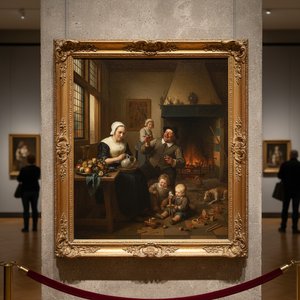
Genre Painting: A Window into Daily Life & Societal Values of the Dutch Golden Age
Explore the captivating world of Dutch Golden Age genre painting! Discover realistic depictions of daily life, masterful artists like Ostade & Metsu, and hidden symbolism. Learn about this influential art movement with OriginalUniqueArt.
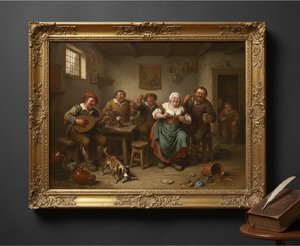
Adriaen van Ostade: A Master of Dutch Genre Painting & Social Commentary
Explore the life & work of Adriaen van Ostade, a leading Dutch Golden Age painter. Discover his realistic genre scenes, social commentary, and lasting influence on art history. Learn more at OriginalUniqueArt.

Golden Age Reflections: Dutch Baroque Painting & Cultural Innovation
Explore the Dutch Golden Age of painting! Discover key artists like Vermeer & ter Borch, their innovative techniques, and the rich cultural context behind these Baroque masterpieces. Learn about collecting & appreciating this iconic art period.