

 Pregledaj u prostoru
 Podeli
 Podeli
 Detalji
 Vodič
Vodič

 Preuzmi sliku
 Slični predmeti
 Rendgenski snimak
 Automatska prezentacija
 Statistika
Успашена деца
 Akril na platnu
- Umetnost za zidove
- Victorian Realism
 1871
1871 56.0 x 39.0 cm
 Rijksmuseum
 Pročitaj više
Giclee štampa / Umetnički otisak
Giclée štampa ili print na platnu muzejskog kvaliteta uz brzu izradu i raznovrsne opcije završne obrade. ( Naručite ručno oslikano reprodukciju Pređi na prodaju digitalnih slika)




P118B дин10

P118H дин10

P118W дин10

P438Z дин10

P508JH дин12

P508YH дин12

P805H дин10

P805Z дин10

P919BZ дин10

P919G дин10

P919XJ дин10

P959ZH дин10

P968JZ дин12

W106C дин8

W218G дин10

W218JH дин8

W218Y дин10

W307PJ дин10

W316G дин10

W316PJ дин8

W316Y дин10

W398PJ дин8

W4111J дин10

W500HY дин15

W500JH дин15

W692G дин12

W849H дин8

W940BG дин15

W953PJ дин8




Izaberite jednu od naših unapred definisanih veličina koje odgovaraju originalnim proporcijama umetničkog dela.

Unesite širinu i visinu koja vam je potrebna, kako bi se uklopili u vaš ram ili na vaš zid. Štampa se može samo iseći, nikada ne može biti veća od originalne slike, stoga format sa drugačijim proporcijama gubi deo slike. Poslaćemo vam digitalni prikaz radi potvrde pre nego što započnemo štampu. Slika prikazana na ovoj stranici ne pokazuje stvarni rez — to pokazuje samo digitalni prikaz.
Dostava širom sveta () za 2 nedelje umesto uobičajenih 4/5 nedelja. (24 октобар)

Besplatna ekspresna dostava širom sveta

Visokokvalitetno laneno platno

Sveobuhvatno osiguranje transporta

Garancija povraćaja carine i uvoznih dažbina

Garancija vernosti boja i autentičnosti pri reprodukciji

Politika povraćaja u roku od 100 dana (samo u slučaju nedostataka)

Garancija povrata 100% novca

Popust pri većoj količini
 Opcija sa staklom dostupna je samo za dimenzije manje od 110 cm

Успашена деца
Giclee štampa / Umetnički otisak
Veličina reprodukcije
-


Ukupna cena
дин 8248
Lulled to Sleep: A Portrait of Victorian Domestic Tranquility
Adolph Artz’s “Lulled to Sleep” transcends mere depiction; it embodies the very essence of Victorian ideals – tenderness, familial devotion, and a celebration of simple beauty. Painted in 1871 during his formative years within the Hague School movement, this oil on canvas masterpiece captures a moment frozen in time: a woman cradling her infant daughter against a backdrop of a warmly lit dining room.Style & Technique: The Hague School’s Gentle Realism
Artz's artistic vision aligns perfectly with the principles championed by the Hague School – a group of Dutch painters who sought to portray everyday life with remarkable sensitivity and accuracy. Unlike the grand narratives favored by earlier Romantic artists, Artz opted for a restrained palette dominated by muted earth tones—ochre yellows, dusky browns, and soft greens—creating an atmosphere of serene calm. The brushstrokes are deliberate yet subtle, blending seamlessly together to achieve a velvety texture that conveys warmth and comfort. Careful attention is paid to capturing the nuances of light and shadow, enhancing the realism of the scene without resorting to dramatic embellishments.Historical Context: Domestic Bliss Amidst Industrial Change
The painting emerged during a period of significant societal transformation in Europe – the burgeoning Industrial Revolution was reshaping urban landscapes and challenging traditional social structures. Yet, Artz’s work represents a deliberate counterpoint to this rapid change, harking back to idealized notions of rural life and familial harmony. Victorian society placed immense value on motherhood and nurturing—the image of the woman protecting her child speaks directly to these cultural preoccupations. It reflects a yearning for stability and connection amidst the anxieties of an era defined by progress and innovation.Symbolism: The Cradle of Innocence
Beyond its aesthetic qualities, “Lulled to Sleep” is laden with symbolic significance. The cradle itself represents protection, safety, and the nurturing embrace of maternal love—themes central to Victorian morality. The woman’s gaze directs towards her daughter, conveying a profound connection between mother and child – an emblem of enduring affection and familial unity. Even the dining table and cup subtly reinforce the idea of domestic tranquility and shared meals as rituals of family life.Emotional Impact: A Window into Victorian Sentimentality
The painting's impact on viewers is undeniable. It evokes feelings of warmth, compassion, and nostalgia—transporting us back to a time when familial bonds were prioritized above all else. Artz’s masterful execution captures not just the visual appearance of the scene but also its emotional core – conveying the profound beauty found in ordinary moments of domestic life. “Lulled to Sleep” remains a testament to Artz's ability to distill complex human emotions into a single, unforgettable image—a timeless portrayal of maternal tenderness and familial serenity.Pitanja i odgovori
Gde mogu da kupim print dela „Успашена деца”, Adolf Artz?
Da biste naručili print dela „Успашена деца”, Adolf Artz, jednostavno ga poručite na njegovoj stranici Umetski print: umetnička štampa na pamučnom platnu ili arhivskom kanvas papiru.
Gde mogu pronaći vodič za "Успашена деца"?
Stranica Vodič za delo „Успашена деца”, Adolf Artz nudi štampani informativni list u dve stranice: sam rad sa tabelom identifikacije, vremensku traku koja ga smešta u period života umetnika, druga dela istog umetnika, izmerenu paletu boja i citate spremne za kopiranje u četiri stila.
Koliko ljudi posmatra "Успашена деца"?
Stranica Statistika za delo „Успашена деца”, Adolf Artz prikazuje statistiku javnih poseta: mesečne posete ovom umetničkom delu, poređenje sa najgledanijim radovima ovog umetnika i poreklom posetilaca.
Biografija umetnika
Blaga duša zarobljena u svetlosti i boji: Istraživanje umetničkog stvaralaštva Adolfa Artza
Adolf Artz (1837–1890), holandski slikar iz Haga, ostaje umetnik čiji spokojni prikazi porodičnog života i mirni pejzaži i danas duboko odjekuju kod kolekcionara i ljubitelja umetnosti. Iako njegov opus nije bio obiman u poređenju sa nekim savremenicima iz Hagske škole — pokreta koji je pomogao da se uspostavi — Artzov prepoznatljiv stil učvrstio je njegovo mesto značajnog doprinosačeg viktorijanskoj umetničkom senzibilitetu.- Rano detinjstvo i obrazovanje: Rođen u porodici duboko utopljenoj u umetničku tradiciju, Artz je svoje formativno obrazovanje stekao pod vođstvom svog oca, Konstanta Artza, koji je bio cenjeni portretista. Ovaj porodični uticaj nesumnjivo je u njemu usadio poštovanje prema pedantnom posmatranju i veštom prikazivanju ljudskih emocija — kvaliteta koji će postati zaštitni znak njegovog dela.
- Hagska škola i umetnička vizija: Artz se pridružio rastućoj Hagenskoj školi oko 1860. godine, povezujući se sa luminarima poput Isaka Izraelsonа i Antona Mauvea. Etos ove škole fokusirao se na hvatanje prolaznih trenutaka svakodnevnog života — naročito domaćih scena — uz opipljiv osećaj atmosfere i realizma. Za razliku od nekih svojih kolega koji su preferirali dramatične narative ili idealizovane prikaze, Artz je dosledno davao prioritet prenošenju nežnosti i topline kroz svoja platna.
- Značajna dela: Umetničko nasleđe Artza počiva prvenstveno na njegovim očaravajućim prikazima porodične naklonosti i idiličnih prirodnih pejzaža. Dela poput „Patki“ (Ducks), koje prikazuju majku kako nežno vodi svoju decu usred vodene ptice, predstavljaju primer njegove sposobnosti da kompleksne emocije sažme u predaustavno jednostavne kompozicije. Slično tome, delo „Ušuškana u san“ (Lulled to Sleep), koje prikazuje bebu koja spava u naručju staratelja, otelovljuje tiho lepotu majčinske nežnosti.
- Pejzaži i impresionistički uticaj: Pored portreta, Artz je stvarao evokativne pejzaže koji pokazuju njegov angažman prema principima impresionizma. „Šetnja kroz dine“ (A Walk in the Dunes), na primer, hvata eteričnost sumraka iznad peščanih obala — što je svedočanstvo njegove osetljivosti na atmosferske uslove i želje da prenese osećaj spokojstva.
Nasleđe i istorijski značaj
Doprinos Adolfa Artza Hagenskoj školi prevazilazi puko stilsko imitiranje. On je zastupao humanističku estetiku koja je prioritet davala hvatanju istinskog ljudskog iskustva — što je predstavljalo osvežavajuću protivtežu tadašnjim prevladavajući umetničkim trendovima svog vremena. Njegove slike i dalje inspirišu divljenje zbog svoje suptilne elegancije i duboke emocionalne težine, osiguravajući mu mesto umetnika koji je uspešno preneo duh viktorijanskog porodičnog života na platno. Danas, reprodukcije Artzovih dela nude posmatračima uvid u prošlo doba — podsetnik da se lepota može pronaći u najjednostavnijim gestovima i pejzažima.
Adolf Artz
1837 - 1890
Brzi pregled
- Artistic Movement Or Style: Haga škola
- Date Of Birth: Hag, Holandija (1837)
- Full Name: David Adolph Constant Artz
- Nationality: Holandski
- Notable Artworks:
- Ušuškana u san
- Patke
- Šetnja kroz dine
- Place Of Birth: Hag
Srodni članci

Golden Light & Dutch Skies: The Timeless Magic of Dutch Golden Age Landscapes
Discover the breathtaking beauty of Dutch Golden Age landscapes. Explore the mastery of light, chiaroscuro, and 17th-century realism through an expert art history lens, celebrating the enduring legacy of the Dutch Masters for discerning collectors and art lovers.
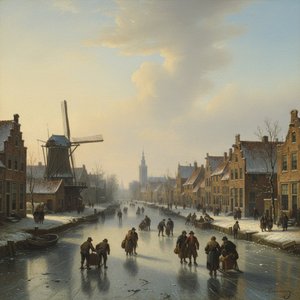
Charles Leickert: Capturing the Dutch Golden Age Light – A Comprehensive Study of Technique, Context, and Legacy
Explore the captivating winter landscapes of Charles Leickert, a master of Dutch Golden Age light & atmosphere. Discover his techniques, symbolism, and lasting legacy – a comprehensive study for art enthusiasts and collectors.
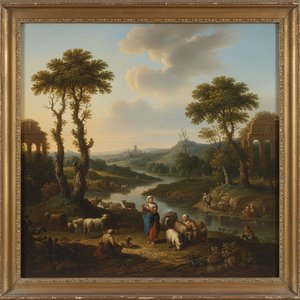
Nicolaes Berchem: Dutch Golden Age Pastoralism & the Evolution of Landscape Painting
Explore the captivating world of Nicolaes Berchem, a leading Dutch Golden Age painter. Discover his idyllic landscapes, masterful technique & lasting influence on art history. Learn more at OriginalUniqueArt.

Jan van Goyen: Master of Dutch Landscape & Atmospheric Perspective
Discover Jan van Goyen, the master of Dutch landscape painting. Explore his subtle technique, atmospheric realism & lasting influence on art history. Learn about this 17th-century pioneer at OriginalUniqueArt.
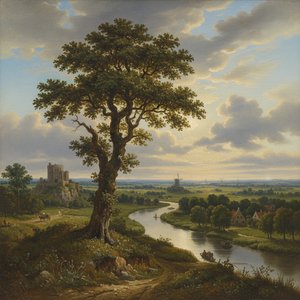
Jacob van Ruisdael: Master of Dutch Landscape & the Evocation of National Identity
Explore the life & work of Jacob van Ruisdael, the preeminent Dutch landscape painter. Discover his technical brilliance, symbolic depth, and lasting influence on art history. Learn about collecting Ruisdael's masterpieces.
