

 Podeli
 Podeli
 Detalji
 Vodič
Vodič

 Preuzmi sliku
 Slični predmeti
 Automatska prezentacija
 Statistika
Figure of Christ


 Pročitaj više
Kupite digitalnu sliku visoke rezolucije i poboljšanog kvaliteta, koja je znatno superiornija od onoga što vidite u online prikazu.
Svaka datoteka je pedantno pripremljena od strane naših stručnjaka koristeći napredne alate i profesionalnu ručnu retušu. Osiguravamo da svaka slika ima izuzetnu oštrinu, preciznu reprodukciju boja i fine detalje.
Konačna datoteka se dostavlja putem e-pošte u roku od 72 sata, optimizovana za neposrednu upotrebu u profesionalnim, izdavačkim i štamparskim okruženjima. To je isti kvalitet kojem veruju vrhunski studiji dizajna, izdavači i galerije.
Digitalna slika
Preuzmite datoteku visoke rezolucije za ličnu upotrebu, štampanje i kreativne projekte. ( Pređi na prodaju štampanih primeraka Naručite ručno oslikano reprodukciju)
Uključeno uz svaku porudžbinu digitalne slike
Ekspertska digitalna isporuka, zagarantovana
Kada odaberete OriginalUniqueArt.com, ne dobijate samo sliku – vi primate profesionalno unapređeno digitalno umetničko delo, izrađeno sa najvećom preciznošću i uz garanciju zadovoljstva. Evo svega što automatski dolazi uz vašu porudžbinu:

Brza dostava putem e-pošte
Vaša digitalna slika visoke rezolucije biće vam poslata putem e-pošte u roku od 72 sata od poručivanja – spremna za trenutnu upotrebu.

Digitalna datoteka unapređena veštačkom inteligencijom
Vaše umetničko delo je profesionalno optimizovano primenom naprednih AI alata i ručne obrade, čime se osiguravaju maksimalni detalji, oštrina i preciznost boja.

Besplatna doživotna ponovna isporuka
Slučajno ste obrisali ili izgubili svoju datoteku? Ne brinite – poslaćemo vam je ponovo u bilo kom trenutku, potpuno besplatno.

Bez troškova uvoza – zauvek
Uživajte u svojim umetničkim delima trenutno, bez carine, akciza ili troškova dostave – digitalni download je uvek bez poreza.

Garancija preciznosti boja
Uz pomoć profesionalnih alata i upravljanja bojama, osiguravamo da vaša digitalna slika što vernije odražava originalne boje.

Garancija zadovoljstva u roku od 100 dana
Ako niste zadovoljni svojom digitalnom slikom, izvršićemo reviziju ili ćemo vam vratiti 100% novca u roku od 100 dana – bez ikakvih pitanja.

100% garancija povrata novca
Niste zadovoljni? Dobijte puni povraćaj novca u roku od 100 dana od prijema digitalne datoteke – bez suvišnih pitanja.

Popusti na velike porudžbine
Kupite 3 slike, uštedite 10% - Kupite 5 slika, uštedite 15% - Kupite 10+ slika, uštedite 20%. Odlično za kreativne projekte, galerije i agencije.
A Reverent Reflection on Sacrifice: Examining Abraham de Vries’s ‘Figure of Christ’
The statue of ‘Figure of Christ,’ attributed to Abraham de Vries (1590 – 1662), stands as a testament to the artistic fervor of the Dutch Golden Age, embodying both meticulous craftsmanship and profound spiritual contemplation. Created around 1600, this remarkable piece exemplifies the stylistic convergence characteristic of its time—a harmonious blend of Northern European sculptural tradition with burgeoning Baroque sensibilities. Its enduring appeal lies not merely in its aesthetic beauty but also in its ability to convey a complex tapestry of ideas concerning faith, suffering, and divine grace.- Historical Context: De Vries’s oeuvre flourished during a period marked by intense religious fervor following the Reformation. Antwerp, then under Spanish rule, served as a crucial crossroads for artistic exchange between Flanders and Holland, fostering experimentation and innovation. The patronage of wealthy families like the Stadtholder Willem van Orange fueled ambitious sculptural projects aimed at glorifying God and commemorating significant events.
- Style & Technique: De Vries’s style aligns closely with the broader Baroque movement—characterized by dramatic dynamism, emotional intensity, and opulent ornamentation. He skillfully employed lost-wax casting, a technique perfected in Florence during Michelangelo's era, utilizing silver and gold leaf to achieve an unparalleled level of detail and luminosity. The meticulous application of gilding ensured that the statue radiated warmth and brilliance, mirroring the spiritual radiance it sought to convey.
- Material & Texture: Primarily crafted from silver and gold leaf, the statue’s surface possesses a remarkable sheen—a testament to the skill of the gilders. The smooth, reflective texture contrasts sharply with subtle variations in the metal's finish, creating visual depth and enhancing its tactile quality.
- Formal Elements: Geometric forms—such as the rectangular base and cylindrical torso—are combined with organic curves in the drapery to achieve a harmonious balance between structure and fluidity. Lines are defined by the sculpted contours of Christ’s body, emphasizing musculature and conveying an impression of strength and resilience.
Biografija umetnika
A Peripatetic Life in Paint: Abraham de Vries and the Dutch Golden Age
Abraham de Vries, a name perhaps less immediately recognizable than some of his contemporaries, nevertheless occupies a fascinating and significant niche within the vibrant tapestry of 17th-century Dutch and Flemish painting. Born around 1590 – with recent scholarship leaning towards The Hague rather than Rotterdam as his birthplace – de Vries led a remarkably mobile life for an artist of his era, traversing France, Antwerp, and various cities within the Dutch Republic. This peripatetic existence profoundly shaped his artistic development, resulting in a style that skillfully blended diverse influences, reflecting a keen eye for both Dutch realism and Flemish dynamism. Biographical details remain somewhat fragmented, pieced together from guild records, archival documents, and contemporary accounts, yet they reveal a portrait of an ambitious artist constantly seeking to refine his craft and navigate the complex art world of his time. His early training remains shrouded in some mystery, though a self-portrait from 1621 hints at both artistic skill and intellectual curiosity, depicting him as a learned practitioner aware of broader cultural currents.From French Sojourns to Flemish Flourishes
De Vries’s travels began early, with evidence suggesting a visit to Lyon in France as early as 1613. The following decades saw him establish a pattern of extended stays in various French cities – Aix-en-Provence, Toulouse, Montpellier, and Paris – where he not only practiced his art but also cultivated important connections. His time in Aix-en-Provence proved particularly formative, as he took on the young Flemish artist Jan Cossiers as a pupil, demonstrating an early willingness to share his knowledge and engage with artistic communities beyond his own origins. A pivotal moment arrived during his stay in Paris in 1629 when he encountered Peter Paul Rubens. This meeting left an indelible mark on de Vries’s work, introducing him to the dramatic energy and refined technique that characterized Flemish Baroque painting. Later, a sojourn in Antwerp from 1634 onwards solidified this influence. His portrait of Simon de Vos, painted during this period, exemplifies the dynamism and stylistic echoes of Anthony van Dyck that now permeated his oeuvre. Even a brief but impactful stint at the Brussels court in 1636, where his talents were reportedly favored even over Van Dyck’s, underscores his growing reputation and artistic prowess.A Synthesis of Styles: Dutch Roots and Rembrandt's Shadow
Despite his extended periods abroad, de Vries never entirely abandoned the sensibilities of his Dutch heritage. His early works demonstrate an affinity for the restrained realism favored by artists in Amsterdam and The Hague, such as Thomas de Keyser and Jan van Ravesteyn. However, the Flemish influence gradually became more pronounced, particularly in his portraits, where he embraced a richer palette, more dramatic lighting, and a greater emphasis on capturing the personality of his sitters. By the 1640s, another significant force entered the equation: Rembrandt van Rijn. The Dutch master’s innovative approach to portraiture – prioritizing psychological depth and characterization over mere physical likeness – resonated deeply with de Vries. This influence is strikingly evident in works like “Portrait of a Dutch Gentleman” (1647), which was initially mistaken for a Rembrandt painting, showcasing the artist's ability to convey inner life through subtle nuances of expression and masterful use of *chiaroscuro*.Beyond Individual Portraits: Innovation in Group Portraiture
While celebrated primarily as a portraitist, de Vries also demonstrated his versatility through group portraits – a particularly important genre in the Dutch Golden Age. His “Regents of the Burgerweeshuis Orphanage in Amsterdam” (1633) stands out for its innovative composition. Rather than arranging the regents in a static, symmetrical formation, de Vries divided them into standing and seated groups, connected by a staff member leading an orphan girl – a remarkably unusual inclusion that imbues the painting with a sense of compassion and social awareness. This subtle yet powerful detail elevates the work beyond a mere record of civic duty, transforming it into a poignant commentary on the responsibilities of those entrusted with the care of vulnerable children. This innovative approach demonstrates de Vries’s willingness to experiment with form and narrative within the conventions of his time.A Lasting Legacy: De Vries in the Context of His Era
Abraham de Vries's historical significance lies not in a single, revolutionary innovation but rather in his remarkable ability to synthesize diverse artistic influences into a cohesive and compelling style. He was a master adapter, seamlessly blending Dutch realism with Flemish dynamism and later incorporating Rembrandt’s psychological insights. His peripatetic lifestyle, while making it challenging to define a singular stylistic identity, ultimately enriched his art, exposing him to a wider range of techniques and perspectives. Though perhaps not as widely celebrated as some of his more famous contemporaries, de Vries's portraits offer invaluable glimpses into the social and cultural landscape of 17th-century Europe, showcasing a diverse array of individuals – artists, regents, and ordinary citizens – with sensitivity, skill, and an enduring sense of humanity. His work continues to captivate viewers today, offering a testament to the power of artistic exchange and the enduring appeal of masterful portraiture.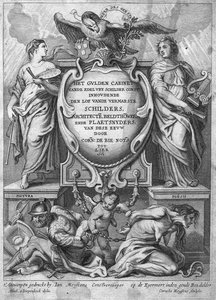
Abraham de Vries
1590 - 1662 , Netherlands
Osnovne informacije
- Artistic Movement Or Style: Dutch Golden Age portraiture
- Artists Who Influenced This Artist:
- Thomas de Keyser
- Jan van Ravesteyn
- Peter Paul Rubens
- Rembrandt
- Date Of Birth: c. 1590
- Date Of Death: c. 1650
- Full Name: Abraham de Vries
- Nationality: Dutch
- Notable Artworks:
- Figure of Christ
- Portrait of Erminia Van Beresteyn
- Portrait of a Man
- Regents of the Burgerweeshuis
- Place Of Birth: The Hague, Netherlands