
 Predogled v realnem okolju
 Pošlji
 Deli
Deli
 Podrobnosti o delu
 Priročnik

 Prenesi sliko
 Podobni izdelki
 Rentgenski posnetek
 Predvajaj diaporama
 Vprašanja in odgovori
 Statistika
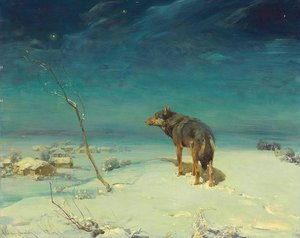
Mojzesovo Kličeče Čelo

- 90.0 x 91.0 cm


 Preberi več
Pridobite datoteko, pripravljeno za tiskanje, ki presega kakovost spletnega predogleda. Vsaka digitalna slika v naši ponudbi izvira iz visoko ločljive izvirne datoteke v naši bazi — običajno široke od 5.000 do 15.000 pikselov — zato lahko z zaupanjem tiskate v večji format, tesno izrezujete ali reproducirate fine podrobnosti.
Nobena datoteka ne zapusti našega studia nedotiknjena. Digitalni strokovnjak preveri barve v primerjavi z izvirno sliko in jih po potrebi popravi, nato pa s profesionalnimi orodji za retuširanje izboljša jasnost in podrobnosti — pri čemer vedno ostaja zvest umetnikovim potezam in slogu. Rezultat je slika, ki izgleda kot samo slikarstvo, ne pa kot le filtriran sken.
Potrditev pred dokončanjem dela: naš strokovnjak vam v roku 72 ur pošlje sliko po e-pošti na pregled. Niste zadovoljni? Zahtevajte izboljšave ali popravke ali prosite za povračilo denarja, če kakovost ni v skladu z pričakovanimi standardi.
To je kakovost, po kateri temeljijo založniki, oblikovalni studii, galerije in tiskarne.
Digitalna slika
Prenesite datoteko visoke ločljivosti za osebno uporabo, tiskanje in kreativne projekte. ( Preklop na tiskanine Kupite ročno slikano delo)
Vključeno v vsako naročilo digitalne slike
Zagotovljena strokovna digitalna dostava
Z izbiro OriginalUniqueArt.com ne prejmete le slike – prejmete profesionalno urejeno digitalno umetniško delo, izdelano z največjo natančnostjo in zavestno podprto z garancijo za zadovoljstvo. Tukaj je vse, kar bo z vašim naročilom samodejno priloženo:

Hitra dostava prek e-pošte
Vaša digitalna slika visoke ločljivosti bo na vaš e-naslov poslana v roku 72 ur od zaklopa naročila – pripravljena za takojšnjo uporabo.

Digitalna datoteka z uporabo AI
Vaše umetniško delo je strokovno optimizirano z uporabo naprednih orodij umetne inteligence in ročne obdelave, kar zagotavlja največjo stopnjo podrobnosti, jasnosti in barvne natančnosti.

Brezplačna doletna ponovna dostava
Ste datoteko zaradi nespremietne napake izgubili ali izbrisali? Ni težav – vam jo bomo ponovno poslali kadar koli in brezplačno.

Brez uvoznih pristojbin – vedno
Svoje umetniško del uživajte takoj, brez carin, davkov ali stroškov dostave – digitalni prenosi so vedno brezdavčni.

Zagotovilo natančnosti barv
Z uporabo profesionalnih orodij in procesov upravljanja barv zagotavljamo, da vaša digitalna slika čim bolj natančno odraža prvotne barve.

100-dnevna garancija zadovoljstva
Če niste zadovoljni s svojo digitalno sliko, jo bomo uredili ali vam v 100 dneh povrnili 100% denarja – brez kakršnih koli vprašanj.

100% Garancija povračila denarja
Niste zadovoljni? Zagotavljamo vam popoln povračilo sredstev v 100 dneh po prejemu digitalne datoteke – brez dodatnih vprašanj.

Popusti pri večjih naročilih
Kupite 3 slike, prihranite 10% - Kupite 5 slik, prihranite 15% - Kupite 10+ slik, prihranite 20%. Odlično za kreativne projekte, galerije in agencije.
Elijah – A Testament to Faith and Zionist Spirit
The artwork "Elijah" by Wolf Rawicki (Ze’ev Raban), created in 1916, stands as an emblem of the Bezalel School's artistic vision during its formative years. Established in Jerusalem with a fervent ambition to forge a distinctive Israeli aesthetic rooted in Jewish heritage and national revival, the school sought to translate biblical narratives into tangible art forms—a mission brilliantly realized in pieces like this monumental chair. Measuring 90 x 91 cm, it’s more than just furniture; it's a carefully crafted symbol of Jewish tradition and aspiration for independence.The Bezalel School’s Artistic Language
Founded amidst the burgeoning Zionist movement, the Bezalel School deliberately rejected Western artistic conventions in favor of a style deeply influenced by Byzantine iconography and Hebrew craftsmanship. Rawicki’s collaborators meticulously employed techniques honed over generations – carving, inlaying with gold leaf—to imbue the chair with an aura of solemn grandeur. The overarching goal was to instill national pride through visual representations of biblical themes and symbols drawn from Jewish history. This stylistic choice wasn't merely decorative; it represented a conscious effort to connect the present generation to the foundational narratives of Judaism.Detailed Decorative Elements: Biblical Scenes and Tribal Emblems
The chair’s surface is adorned with intricate carvings depicting scenes from the Bible, specifically referencing Elijah’s prophetic role in safeguarding Jewish identity. These depictions aren't merely illustrative; they serve as visual anchors for the broader symbolism of the piece. Furthermore, stylized emblems representing the twelve tribes of Israel are interwoven into the design—a deliberate nod to the collective memory and spiritual heritage of the Jewish people. Cherubs rendered in classic Bezalel School style add to the sculptural richness and contribute to the overall impression of reverence.Symbolism Beyond Aesthetics: The Chair as Ritual Object
The significance of “Elijah’s Chair” extends far beyond its visual splendor. Traditionally, this chair is reserved for the godfather presiding over a circumcision ceremony—a rite symbolizing the covenant between God and Judaism. By selecting such a potent symbol for artistic expression, Rawicki captured the essence of Zionist ideals: the unwavering belief in preserving Jewish tradition while striving for national autonomy. The opulent decoration underscores the importance of remembering one’s roots as a cornerstone of future prosperity.A Legacy of Craftsmanship and Artistic Vision
Wolf Rawicki's masterpiece exemplifies the Bezalel School’s commitment to elevating craftmanship into art. The meticulous execution—combining wood carving, inlaying with gold leaf, and careful attention to detail—demonstrates the school’s dedication to creating objects that resonate with both spiritual depth and aesthetic beauty. “Elijah” remains a testament to the enduring power of artistic symbolism in conveying cultural values and aspirations – a timeless piece reflecting the spirit of Jerusalem and the Zionist dream.Vprašanja in odgovori
Kakšna je tehnika in velikost originalnega dela "Mojzesovo Kličeče Čelo" avtorja Wolf Rawicki (Ravitzki)?
"Mojzesovo Kličeče Čelo" je izdelano z uporabo tehnike Akril na platnu in v svoji prvotni obliki meri 90 x 91 cm.
Ali lahko vidim rentgenski pregled dela "Mojzesovo Kličeče Čelo" avtorja Wolf Rawicki (Ravitzki)?
Stran Rentgenski pregled za delo "Mojzesovo Kličeče Čelo" avtorja Wolf Rawicki (Ravitzki) je interaktivni preglednik, ki vam omogoča pregled skozi enajst optičnih plasti slike umetninine, vključno z ogledom v slogu rentgenskega pregleda.
Kateri je datum nastanka dela "Mojzesovo Kličeče Čelo" avtorja Wolf Rawicki (Ravitzki)?
"Mojzesovo Kličeče Čelo" avtorja Wolf Rawicki (Ravitzki) je nastalo leta 1916.
Biografija umetnika
The Pioneering Vision of Ze’ev Raban: From Rawicki to the Soul of Israeli Art
Ze’ev Raban, born Wolf Rawicki in Kaunas, Russia, in 1890, stands as a monumental figure in the genesis of Israeli art. His journey wasn't merely that of an artist finding his voice; it was the forging of a new aesthetic identity for a nation yearning to express itself. Rawicki’s early life, steeped in the cultural currents of Eastern Europe, laid the foundation for a career dedicated to synthesizing tradition and modernity, culminating in works that became iconic symbols of a burgeoning national consciousness. He wasn't simply *a* painter; he was an architect of visual culture, deeply involved in shaping the artistic landscape of the nascent State of Israel.
Early Formation & The Bezalel School
Rawicki’s formal training took him across Europe – Munich, Paris, and Brussels – exposing him to the prevailing styles of the early 20th century. He absorbed the lessons of Jugendstil, Symbolism, and Art Nouveau, but these influences were never adopted wholesale. A crucial turning point came with his arrival at Bezalel Academy in Jerusalem in 1906. Bezalel, founded by Boris Schatz, was more than an art school; it was a crucible for creating a distinctly “Hebrew style.” This wasn’t about replicating historical forms but rather excavating the spirit of Jewish culture and translating it into contemporary artistic expression. Raban quickly became a central figure in this endeavor, embracing the challenge of defining what that aesthetic might look like.
A Synthesis of Tradition & Modernity
Raban's work is characterized by a remarkable ability to blend diverse influences. He sought inspiration not only from European art movements but also from traditional Jewish crafts, Islamic motifs, and the archaeological discoveries unfolding in Palestine. This fusion manifested in his decorative arts – silver Hanukkah lamps, ceremonial objects, furniture—where intricate carvings and stylized forms evoked ancient patterns while remaining firmly rooted in a modern sensibility. He believed that true Hebrew art wasn’t about imitation but about *interpretation* – distilling the essence of Jewish heritage into new artistic languages. His designs weren't merely beautiful; they were imbued with symbolic meaning, reflecting a deep connection to history and faith.
Major Achievements & The Capitoline Wolf
While Raban excelled in numerous mediums, his impact extended beyond individual artworks. He was instrumental in establishing the aesthetic principles of early Israeli design, influencing everything from typography to public monuments. Perhaps his most enduring legacy is the “Capitoline Wolf,” a silver menorah created for the Hebrew University on Mount Scopus in 1926. This piece, inspired by the Roman wolf that suckled Romulus and Remus, became a powerful symbol of Jewish resilience and national aspiration. It wasn’t simply a religious object; it was a statement about reclaiming heritage and forging a new future. The menorah's design, incorporating stylized Hebrew letters and motifs, resonated deeply with the Zionist movement and solidified Raban’s position as a leading artistic voice.
Historical Significance & Lasting Influence
Ze’ev Raban died in 1970, leaving behind a body of work that continues to inspire. He wasn't just an artist; he was a cultural pioneer who helped define the visual identity of Israel. His commitment to synthesizing tradition and modernity, his dedication to creating a distinctly Hebrew aesthetic, and his ability to imbue objects with profound symbolic meaning cemented his place as one of the most important figures in Israeli art history. His influence can be seen in the work of subsequent generations of artists and designers, who continue to grapple with the challenges of balancing cultural heritage with contemporary expression. Raban’s legacy is a testament to the power of art to shape national identity and inspire a sense of belonging.
Wolf Rawicki (Ravitzki)
1890 - 1970 , Russia
Ključne informacije
- Full Name: Ze'ev Raban
- Nationality: Israeli
- Date Of Birth: 1890
- Date Of Death: 1970
- Place Of Birth: Kaunas, Russia
- Notable Artworks:
- Elijah
- Standing Hanukkah Lamp
- Capitoline Wolf
- Artistic Movement Or Style: Bezalel School Style