Preklop na tiskanine
 Preberi več







































 Za umetniška dela ali reprodukcije, ki so po katerikoli strani širše od 105 cm (približno 41 palč), bo okvir poslan v razstavljeni obliki kot komplet. Ta metoda zagotavlja varno dostavo in preprečuje poškodbe med transportom.


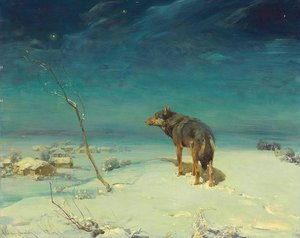
Elijah – A Testament to Faith and Zionist Spirit
The artwork "Elijah" by Wolf Rawicki (Ze’ev Raban), created in 1916, stands as an emblem of the Bezalel School's artistic vision during its formative years. Established in Jerusalem with a fervent ambition to forge a distinctive Israeli aesthetic rooted in Jewish heritage and national revival, the school sought to translate biblical narratives into tangible art forms—a mission brilliantly realized in pieces like this monumental chair. Measuring 90 x 91 cm, it’s more than just furniture; it's a carefully crafted symbol of Jewish tradition and aspiration for independence.The Bezalel School’s Artistic Language
Founded amidst the burgeoning Zionist movement, the Bezalel School deliberately rejected Western artistic conventions in favor of a style deeply influenced by Byzantine iconography and Hebrew craftsmanship. Rawicki’s collaborators meticulously employed techniques honed over generations – carving, inlaying with gold leaf—to imbue the chair with an aura of solemn grandeur. The overarching goal was to instill national pride through visual representations of biblical themes and symbols drawn from Jewish history. This stylistic choice wasn't merely decorative; it represented a conscious effort to connect the present generation to the foundational narratives of Judaism.Detailed Decorative Elements: Biblical Scenes and Tribal Emblems
The chair’s surface is adorned with intricate carvings depicting scenes from the Bible, specifically referencing Elijah’s prophetic role in safeguarding Jewish identity. These depictions aren't merely illustrative; they serve as visual anchors for the broader symbolism of the piece. Furthermore, stylized emblems representing the twelve tribes of Israel are interwoven into the design—a deliberate nod to the collective memory and spiritual heritage of the Jewish people. Cherubs rendered in classic Bezalel School style add to the sculptural richness and contribute to the overall impression of reverence.Symbolism Beyond Aesthetics: The Chair as Ritual Object
The significance of “Elijah’s Chair” extends far beyond its visual splendor. Traditionally, this chair is reserved for the godfather presiding over a circumcision ceremony—a rite symbolizing the covenant between God and Judaism. By selecting such a potent symbol for artistic expression, Rawicki captured the essence of Zionist ideals: the unwavering belief in preserving Jewish tradition while striving for national autonomy. The opulent decoration underscores the importance of remembering one’s roots as a cornerstone of future prosperity.A Legacy of Craftsmanship and Artistic Vision
Wolf Rawicki's masterpiece exemplifies the Bezalel School’s commitment to elevating craftmanship into art. The meticulous execution—combining wood carving, inlaying with gold leaf, and careful attention to detail—demonstrates the school’s dedication to creating objects that resonate with both spiritual depth and aesthetic beauty. “Elijah” remains a testament to the enduring power of artistic symbolism in conveying cultural values and aspirations – a timeless piece reflecting the spirit of Jerusalem and the Zionist dream.Vprašanja in odgovori
Kakšna je tehnika in velikost originalnega dela "Mojzesovo Kličeče Čelo" avtorja Wolf Rawicki (Ravitzki)?
"Mojzesovo Kličeče Čelo" je izdelano z uporabo tehnike Akril na platnu in v svoji prvotni obliki meri 90 x 91 cm.
Ali lahko vidim rentgenski pregled dela "Mojzesovo Kličeče Čelo" avtorja Wolf Rawicki (Ravitzki)?
Stran Rentgenski pregled za delo "Mojzesovo Kličeče Čelo" avtorja Wolf Rawicki (Ravitzki) je interaktivni preglednik, ki vam omogoča pregled skozi enajst optičnih plasti slike umetninine, vključno z ogledom v slogu rentgenskega pregleda.
Kateri je datum nastanka dela "Mojzesovo Kličeče Čelo" avtorja Wolf Rawicki (Ravitzki)?
"Mojzesovo Kličeče Čelo" avtorja Wolf Rawicki (Ravitzki) je nastalo leta 1916.
 Predogled v realnem okolju
 Pošlji
 Deli
Deli
 Podrobnosti o delu
 Priročnik

 Prenesi sliko
 Podobni izdelki
 Rentgenski posnetek
 Predvajaj diaporama
 Q&A
Q&A Statistika