Preverite v realnem okolju
 Pošlji kot čestitko
 Deli
Deli
 Podrobnosti
 Priročnik

 Prenesi
 Podobni artefakti
 Rentgenski posnetek
 Predvajaj diaporama
 Statistika
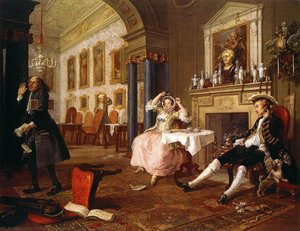
Plate seven, from A Rake's Progress


 Preberi več
Giclée tisk / Umetniški tisk
Giclée ali platnati odtis muzejske kakovosti z hitro proizvodnjo in prilagodljivimi možnostmi končne obdelave. ( Naročite ročno slikano reprodukcijo Preklop na digitalno sliko)




P118B €10

P118H €10

P118W €10

P438Z €10

P508JH €12

P508YH €12

P805H €10

P805Z €10

P919BZ €10

P919G €10

P919XJ €10

P959ZH €10

P968JZ €12

W106C €8

W218G €10

W218JH €8

W218Y €10

W307PJ €10

W316G €10

W316PJ €8

W316Y €10

W398PJ €8

W4111J €10

W500HY €15

W500JH €15

W692G €12

W849H €8

W940BG €15

W953PJ €8




Izberite eno od naših vnaprej določenih velikosti, ki ustrezajo prvotnim proporcijam umetničkega dela.

Vnesite širino in višino, ki jih potrebujete za svoj okvir ali steno. Tiskanje se lahko le odreže, vendar ga ni mogoče narediti večjega od slike, zato format z drugačno obliko pomeni izgubo dela slike. Pred tiskanjem vam pošljemo digitalni predogled za potrditev. Slika, prikazana na tej strani, ne prikazuje dejanskega izrezkov — le predogled to omogoča.
Globalna dostava () v 2 tednih namesto standardnih 4/5 tednov. (22 oktober)

Brezplačna ekspresna dostava po vsem svetu

Visokokakovostno laneno platno

Popolno zavarovanje pošiljke

Garancija povračila carine in uvoznih davkov

Garancija popolnega barvnega ujemanja

Politika vračila v 100 dneh (le v primeru okvar)

Garancija 100% povračila denarja

Popust pri večjem naročilu
 Možnost stekla je na voljo le za velikosti pod 110 cm

Plate seven, from A Rake's Progress
Giclée tisk / Umetniški tisk
Velikost reprodukcije
-


Skupna cena
€ 70
A Descent into Vice: William Hogarth’s “Plate Seven” from *A Rake’s Progress*
William Hogarth's "Plate Seven" from his sprawling moral epic, *A Rake’s Progress*, is not merely a painting; it’s a meticulously crafted tableau of despair and the corrosive power of unchecked indulgence. Completed in 1735, this watercolor on paper offers a chilling glimpse into the mind of Tom Rakewell, now utterly consumed by madness after squandering his inheritance on fleeting pleasures. The scene unfolds within Bedlam, London's infamous asylum, a space rendered with unsettling realism and imbued with a palpable sense of confinement – both physical and mental. Hogarth’s genius lies in his ability to transform a single, dramatic moment into a profound commentary on societal decay and the consequences of moral bankruptcy.
The composition is dominated by Tom Rakewell himself, depicted as a gaunt, almost skeletal figure, his eyes wide with terror and confusion. He's surrounded by a chaotic assortment of Bedlam inmates – some weeping, others howling, still others seemingly lost in their own private torment. The figures are rendered with remarkable detail, each expression conveying a unique level of anguish. Notice the stark contrast between Rakewell’s pale complexion and the vibrant, almost lurid colors used to depict the asylum's surroundings; this immediately establishes a symbolic tension – the external world of Bedlam mirroring the internal turmoil within the protagonist.
Rococo Roots and Watercolor Mastery
While often categorized as part of the Rococo style—noted for its ornate details and curving lines—Hogarth’s approach to *A Rake's Progress* transcends simple categorization. He employs elements of Rococo, particularly in the decorative patterns within the asylum walls and the overall sense of theatricality, but grounds them firmly in a distinctly English moralistic sensibility. Crucially, Hogarth’s masterful use of watercolor is what truly elevates this work. The medium allows for incredible subtlety – he captures the textures of clothing, the sheen of sweat on skin, and the flickering light with breathtaking precision.
- Layered Technique: Hogarth built up the image through numerous thin washes, creating a luminous quality that’s characteristic of his style.
- Dramatic Contrast: The juxtaposition of cool blues and greens for the asylum interior against warmer tones used to depict Rakewell highlights his isolation and vulnerability.
- Attention to Detail: From the intricate folds of the inmates' garments to the expressions on their faces, every element is rendered with painstaking accuracy.
A Chronicle of Moral Decay – Historical Context
To fully appreciate “Plate Seven,” it’s essential to understand the social and economic landscape of 18th-century England. The period witnessed a dramatic rise in wealth alongside increasing social inequality, creating a fertile ground for moral corruption. *A Rake's Progress* directly addresses this reality, exposing the excesses and vices of London’s elite through the tragic story of Tom Rakewell. Hogarth wasn’t simply depicting madness; he was indicting a society obsessed with superficial pleasures and devoid of ethical restraint.
The painting reflects the anxieties surrounding social mobility and the perceived decline of traditional values. Bedlam itself represents a societal failure – a place where those deemed ‘mad’ were often abandoned, highlighting the neglect of the vulnerable within a rapidly changing world. The series as a whole served as a powerful visual sermon, warning against the dangers of unchecked ambition and the pursuit of fleeting gratification.
Symbolism and Emotional Resonance
Beyond its narrative content, “Plate Seven” is rich in symbolism. Rakewell’s descent into madness can be interpreted as a metaphor for the loss of reason and judgment when consumed by vice. The asylum walls, with their grotesque decorations, symbolize the prison of the mind – a space where logic and morality are abandoned. Even the lighting contributes to the painting's emotional impact: the dim, flickering light within Bedlam creates an atmosphere of claustrophobia and despair.
Ultimately, “Plate Seven” is a profoundly unsettling yet undeniably captivating work. It’s a testament to Hogarth’s artistic skill and his unwavering commitment to exposing the darker side of human nature. At OriginalUniqueArt, we are proud to offer meticulously crafted reproductions that allow you to experience the full power and emotional resonance of this iconic masterpiece – a window into a turbulent era and a timeless warning against the perils of excess.
Vprašanja in odgovori
Katera velikost reprodukcije se priporoča za "Plate seven, from A Rake's Progress" avtorja Vilijam Hogart?
Za delo "Plate seven, from A Rake's Progress" priporočamo tisk v velikosti Large. Na voljo so tudi druge velikosti z istimi proporcijami.
Za kakšno uporabo se priporoča tiskanina dela "Plate seven, from A Rake's Progress"?
Reprodukcija dela "Plate seven, from A Rake's Progress" avtorja Vilijam Hogart je priporočljiva za Statement. Ta predlog temelji na tematiki, vzdušju in barvni paleti dela.
Kje se "Plate seven, from A Rake's Progress" uvršča v celotno stvar Vilijam Hogart?
"Plate seven, from A Rake's Progress" pripada delu Vilijam Hogart v okviru sloga Rococo Satire, katerega zastopne teme vključujejo satirical social commentary, rococo style, moral tales, 18th-century london society, critique of wealth excess, series narrative, visual history.
Biografija umetnika
A London Life in Ink and Paint: The World of William Hogarth
William Hogarth, born into the bustling heart of 18th-century London in 1697, was more than just an artist; he was a visual historian, a keen observer of human nature, and a satirical commentator on the societal currents of his age. His life story is inextricably linked to the very fabric of England during a period of significant transformation – its burgeoning ambitions, underlying anxieties, and pervasive hypocrisies all finding potent expression in his remarkably detailed and often biting works. The son of a struggling Latin schoolmaster, Hogarth’s early experiences instilled within him both a love for learning and a sharp awareness of social inequalities, a foundation that would prove crucial to shaping his artistic vision. Initially apprenticed to an engraver, he quickly demonstrated a talent extending beyond mere technical skill; he possessed an innate ability to observe the nuances of human behavior and translate them into compelling visual narratives. However, he chafed against the constraints of traditional engraving, seeking a more expressive outlet for his burgeoning creativity. This led him to studies at both St Martin’s Lane Academy and under Sir James Thornhill, where he honed his skills in painting and composition, absorbing influences that would later inform his unique style.The Birth of Modern Moral Subjects
Hogarth's true innovation lay not simply *what* he painted, but *how*. He pioneered what he termed “modern moral subjects” – series of pictures designed to tell a story, often imbued with a strong satirical edge. These weren’t isolated portraits or landscapes; they were visual novels unfolding before the viewer’s eyes, offering pointed commentary on contemporary society. A Harlot's Progress, created in 1742, stands as perhaps his most famous example. This series of six paintings meticulously follows the tragic downfall of Mary, a young woman arriving in London full of hope but quickly succumbing to the temptations and dangers of city life. Each scene is rendered with painstaking detail, filled with symbolic elements that reveal the moral decay surrounding her. The meticulous depiction of every step of Mary’s descent into prostitution served as an unflinching indictment of societal attitudes towards women and morality. Similarly, A Rake's Progress, begun in 1733, charts the reckless decline of Tom Rakewell, a man who squanders his inheritance on gambling, debauchery, and ultimately, madness. These weren’t merely cautionary tales; they were unflinching portraits of a society grappling with issues of class, morality, and social mobility. Hogarth's genius resided in his ability to elevate everyday scenes – the bustling streets of London, the opulent interiors of the wealthy, the squalid lives of the poor – into works of art that resonated deeply with his audience. He didn’t shy away from depicting the harsh realities of life, presenting them with a blend of humor and pathos that forced viewers to confront uncomfortable truths about themselves and their society.Technique and Influences: A Synthesis of Styles
Hogarth's artistic style was a unique amalgamation of diverse influences. He greatly admired the realism and narrative detail found in the works of Dutch genre painters like Pieter de Hooch, evident in his meticulous depictions of interiors and everyday life. The influence of Rembrandt’s masterful use of chiaroscuro – dramatic contrasts between light and shadow – can also be discerned in Hogarth's paintings. Furthermore, Hogarth was profoundly affected by the satirical prints produced in France during the Enlightenment, particularly those of Jean-Baptiste Simeon Chardin and François Boucher. He absorbed stylistic elements from these artists, adapting them to his own distinctive vision. However, Hogarth wasn’t simply imitating these sources; he was synthesizing them into something entirely new and distinctly his own. His technique was characterized by a masterful use of line and shading, particularly evident in his engravings. He employed a distinctive cross-hatching technique that created depth and texture, bringing his scenes to life with remarkable clarity. This painstaking process ensured that every detail—from the folds of fabric to the expressions on faces—was rendered with precision and conviction. He also possessed an exceptional eye for composition, arranging figures and objects within the frame to create dynamic and engaging narratives. Like many artists of his time, Hogarth studied under Sir James Thornhill, honing his skills in painting and mastering the conventions of theatrical illusionism – a technique that would later contribute to the grandeur of his monumental canvases.Major Achievements: Shaping English Art History
William Hogarth’s contribution to English art history is undeniable. He established a distinctly British artistic identity, rejecting continental stylistic trends in favor of a style rooted in observation and moral reflection. His series of paintings—including *A Harlot's Progress*, *Marriage A-la-Mode*, and *Gin Lane*—became iconic representations of the social landscape of his era, capturing both its beauty and its ugliness with uncompromising honesty. These works challenged viewers to confront uncomfortable truths about themselves and their society, sparking debate and inspiring artists for generations to come. Moreover, Hogarth’s engravings achieved unprecedented popularity, disseminating his satirical commentary throughout England and beyond. His prints served as a powerful tool for social critique, exposing corruption and hypocrisy while simultaneously celebrating virtue and compassion. He is considered one of the fathers of political cartooning and comic strips, paving the way for visual storytelling in popular culture—a legacy that continues to endure today.Historical Significance: A Voice for Change
Hogarth’s artistic vision was driven by a deep concern for social justice and moral responsibility. He believed that art should not merely be aesthetically pleasing but should also serve a purpose beyond mere decoration—namely, to provoke thought and inspire action. His unflinching depictions of poverty, prostitution, and gambling served as a catalyst for reform movements, prompting discussions about societal ills and advocating for compassionate solutions. By confronting viewers with uncomfortable realities, Hogarth compelled them to examine their own values and behaviors, urging them to strive for a more humane and equitable world. He remains a pivotal figure in the history of English art, celebrated not only for his artistic brilliance but also for his unwavering commitment to social reform—a testament to the enduring power of art as a force for change.
Vilijam Hogart
1697 - 1764 , Združeno kraljestvo Velike Britanije in Irsko
Ključne informacije
- Artistic Movement Or Style: Satira, Realizem
- Artists Who Influenced This Artist:
- Pieter de Hooch
- Jonathan Swift
- Date Of Birth: 1697
- Date Of Death: 1764
- Full Name: William Hogarth
- Nationality: Britanska
- Notable Artworks:
- A Harlot's Progress
- A Rake's Progress
- Marriage A-la-Mode
- Place Of Birth: London, UK
Sorodni članki

Ephemeral Visions: Exploring the Artistic Legacy & Contemporary Practice of Watercolor Painting
Explore the captivating world of watercolor painting! Discover its rich history, essential techniques, influential artists & collecting tips. A comprehensive guide for art enthusiasts from OriginalUniqueArt.

Ephemeral Visions: Exploring the Artistic Legacy & Nuances of Watercolor Painting
Explore the captivating world of watercolor painting! Discover its rich history, essential techniques, influential artists & collecting tips from art experts. A comprehensive guide for enthusiasts.

Ephemeral Visions: Exploring the History & Emotional Resonance of Watercolor Painting
Explore the captivating history of watercolor painting, from ancient techniques to modern masters like Kandinsky & Blake. Discover essential artists, collecting tips & the emotional power of this luminous medium. Expert insights for art enthusiasts.

Watercolor Wonders: 10 Masterpieces That Redefined Art History | OriginalUniqueArt
Journey through 10 legendary watercolor masterpieces by Sargent, Turner & Homer! Explore iconic landscapes, portraits & floral art that redefined history. Find museum-quality reproductions and curated decor ideas at OriginalUniqueArt.com.

William Hogarth: Satire, Social Commentary & the Birth of Modern British Art
Explore the satirical world of William Hogarth, pioneering British painter & engraver. Discover his iconic works like *A Rake's Progress* and insightful social commentary on 18th-century London life.