Preverite v realnem okolju
 Pošlji kot čestitko
 Deli
Deli
 Podrobnosti
 Priročnik

 Prenesi
 Podobni artefakti
 Rentgenski posnetek
 Predvajaj diaporama
 Statistika
Samoportret
 Olje na platnu
- Stenska umetnost
- Klasicizem
 1757
1757- Renesanca
 45.0 x 42.0 cm
 Preberi več
Ročno izdelana oljna reprodukcija
Ročno slikano olje na platnu v vaši izbiri velikosti in okvirja, izdelano po naročilu naših umetnikov. ( Preklop na tiskanine Preklop na digitalno sliko)




P118B €10

P118H €10

P118W €10

P438Z €10

P508JH €12

P508YH €12

P805H €10

P805Z €10

P919BZ €10

P919G €10

P919XJ €10

P959ZH €10

P968JZ €12

W106C €8

W218G €10

W218JH €8

W218Y €10

W307PJ €10

W316G €10

W316PJ €8

W316Y €10

W398PJ €8

W4111J €10

W500HY €15

W500JH €15

W692G €12

W849H €8

W940BG €15

W953PJ €8




Izberite eno od naših vnaprej določenih velikosti, ki ustrezajo prvotnim proporcijam umetničkega dela.

Vnesite širino in višino, ki jih potrebujete, da se slika prilega vašemu okviru ali steni. Ker je delo ročno slikano, lahko umetnik pri različnih oblikih slik pri robovih doda malo več barve ali pa jih malo odreže — izberite sami. Pred začetkom slikanja vam pošljemo digitalni predogled za potrditev. Slika, prikazana na tej strani, ni končni rezultat — le predogled prikazuje dejansko podobo.
Po oddaji naročila bo ekipa OriginalUniqueArt.com stranki po e-pošti poslala navodila in predogled digitalnega predogleda.
Mednarodna dostava () v 3/4 tednih namesto običajnih 5 tednov. (21 oktober). Brez kompromisov pri kakovosti.

Brezplačna ekspresna dostava po vsem svetu

Visokokakovostno laneno platno

Popolno zavarovanje pošiljke

Garancija povračila carine in uvoznih davkov

Garancija popolnega barvnega ujemanja

Politika vračila v 100 dneh (le v primeru okvar)

Garancija 100% povračila denarja

Popust pri večjem naročilu
 Možnost stekla je na voljo le za velikosti pod 110 cm

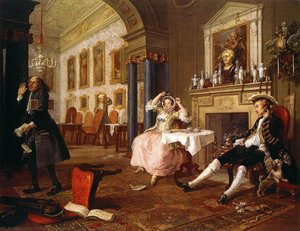
Samoportret
Tehnika reprodukcije
Velikost reprodukcije
-


Skupna cena
€ 262
Samoportret Vilijama Hogartha: Pogled v svet umetnika
Hogarthov Samoportret, naslikan leta 1757, ponuja čarobno okno v življenje in umetniško prakso enega najpomembnejših britanskih umetnikov. Ta olje na platnu (45 x 42 cm) je vrhunsko utemeljitev klasicizma, hkrati pa razkriva Hogartovo edinstveno osebnost in predanost svojemu krasu. Več kot le podobnost gre za izjavo o vstopu umetnika v družbo ter o njegovi neomajni zavezanosti opazovanju in mojstrostvu.
Umetnikova tehnika in kompozicija
Hogarth je bil slaven zaradi svojih samoportretov, v katerih se je pogosto prikazoval aktivno vključenega v umetniška prizadevanja. V tem specifičnem delu se predstavlja, ko udobno sedi na stoli, z rokami trdno drži krtačo in paleto. Njegov osredotočen pogled je usmerjen v platno pred njim, kjer se zdi, da dela na risbi ali sliki. Njegova obleka nakazuje umetnika pri delu, kar utrjuje identiteto osebe kot samega Hogartha. Kompozicija spretno izpostavlja umetnikovo predanost; osredotočena je na njegovo postavo in njegov ustvarjalni proces. Subtilna prisotnost v ozadju doda sceni globino, saj morda predstavlja drugega opazovalca ali preprosto del Hogartovega umetniškega okolja. Uporaba svetlobe in sence opredeljuje oblike in ustvarja občutek realizma, ki je značilen za to obdobje.
Zgodovinski kontekst: Samoportretiranje v 18. stoletju
V 18. stoletju so samoportreti imeli precejšen pomen, ki presega zgolj prikazovanje podobe. Služili so kot dokaz umetnikove veščine, umetniške moči in celo družbenega statusa. Hogarthov Samoportret se popolnoma prilega tej tradiciji, saj prikazuje njegovo sposobnost združevanja realizma s klasičnimi elementi – kar je značilnost gibanja klasicizma, ki je bilo takrat prevladujoče. Slikovnica odraža naraščajoč poudarek na individualni izraznosti in pomenu dokumentiranja lastne podobe znotraj umetniške skupnosti.
Simbolika in umetniška pomembnost
Ta Samoportret je pomemben ne le zaradi prikaza samega Hogartha, temveč tudi zaradi svojega prispevka k zgodovini zahodne umetnosti. Renesansa in barok sta preživela porast samoportretiranja, ko so umetniki iskali način, kako izraziti svojo individualnost in umetniško vizijo. Hogarthovo del nadaljuje to trend, saj odraža njegovo edinstveno perspektivo znotraj gibanja klasicizma. Nedokončana skica na slikarski stojnici simbolizira nenežno ustvarjalno raziskovanje in proces oživljanja ideje. To namiguje na to, da umetnost ni le končni izdelek, temveč nenehna pot opazovanja, eksperimentiranja in izpopolnjevanja. Skrbno izdelani detajli – krtača, paleta in oblačila – govorijo o Hogartovem mojstrostvu pri tehniki slikanja z oljem.
Značilnost danes
Danes Samoportret Vilijama Hogartha ostaja slavno del v zgodovini umetnosti. Stoji kot spomenik trajni umetniški tehniki in pomembnosti samoizražanja. Za tiste, ki so zainteresirani za raziskovanje več Hogartovih del ali podobnih umetnikov, je priporočljivo pregledati njegove druge portrete in serije, ki ponujajo še globlji vpogled v njegovo edinstveno perspektivo in satirični komentar na družbo 18. stoletja.
Vprašanja in odgovori
Kaj prikazuje "Samoportret" avtorja Vilijam Hogart?
Tematika v delu "Samoportret" avtorja Vilijam Hogart vključuje samoportret, umetnik, ustvarjanje, studio, klasicizem, čičalo, paleta, opazovanje. Skupaj predstavljajo vsebino umetninškega dela.
V katero umetnostno smernico in v katero dobo je uvrščeno delo "Samoportret" avtorja Vilijam Hogart?
"Samoportret" avtorja Vilijam Hogart uvrščamo v smer Klasicizem, v obdobje zgodnje moderno obdobje svojega ustvarjalca.
Kdaj je "Samoportret" pripisano kateremu umetniku?
"Samoportret" pripisujemo Vilijam Hogart.
Biografija umetnika
A London Life in Ink and Paint: The World of William Hogarth
William Hogarth, born into the bustling heart of 18th-century London in 1697, was more than just an artist; he was a visual historian, a keen observer of human nature, and a satirical commentator on the societal currents of his age. His life story is inextricably linked to the very fabric of England during a period of significant transformation – its burgeoning ambitions, underlying anxieties, and pervasive hypocrisies all finding potent expression in his remarkably detailed and often biting works. The son of a struggling Latin schoolmaster, Hogarth’s early experiences instilled within him both a love for learning and a sharp awareness of social inequalities, a foundation that would prove crucial to shaping his artistic vision. Initially apprenticed to an engraver, he quickly demonstrated a talent extending beyond mere technical skill; he possessed an innate ability to observe the nuances of human behavior and translate them into compelling visual narratives. However, he chafed against the constraints of traditional engraving, seeking a more expressive outlet for his burgeoning creativity. This led him to studies at both St Martin’s Lane Academy and under Sir James Thornhill, where he honed his skills in painting and composition, absorbing influences that would later inform his unique style.The Birth of Modern Moral Subjects
Hogarth's true innovation lay not simply *what* he painted, but *how*. He pioneered what he termed “modern moral subjects” – series of pictures designed to tell a story, often imbued with a strong satirical edge. These weren’t isolated portraits or landscapes; they were visual novels unfolding before the viewer’s eyes, offering pointed commentary on contemporary society. A Harlot's Progress, created in 1742, stands as perhaps his most famous example. This series of six paintings meticulously follows the tragic downfall of Mary, a young woman arriving in London full of hope but quickly succumbing to the temptations and dangers of city life. Each scene is rendered with painstaking detail, filled with symbolic elements that reveal the moral decay surrounding her. The meticulous depiction of every step of Mary’s descent into prostitution served as an unflinching indictment of societal attitudes towards women and morality. Similarly, A Rake's Progress, begun in 1733, charts the reckless decline of Tom Rakewell, a man who squanders his inheritance on gambling, debauchery, and ultimately, madness. These weren’t merely cautionary tales; they were unflinching portraits of a society grappling with issues of class, morality, and social mobility. Hogarth's genius resided in his ability to elevate everyday scenes – the bustling streets of London, the opulent interiors of the wealthy, the squalid lives of the poor – into works of art that resonated deeply with his audience. He didn’t shy away from depicting the harsh realities of life, presenting them with a blend of humor and pathos that forced viewers to confront uncomfortable truths about themselves and their society.Technique and Influences: A Synthesis of Styles
Hogarth's artistic style was a unique amalgamation of diverse influences. He greatly admired the realism and narrative detail found in the works of Dutch genre painters like Pieter de Hooch, evident in his meticulous depictions of interiors and everyday life. The influence of Rembrandt’s masterful use of chiaroscuro – dramatic contrasts between light and shadow – can also be discerned in Hogarth's paintings. Furthermore, Hogarth was profoundly affected by the satirical prints produced in France during the Enlightenment, particularly those of Jean-Baptiste Simeon Chardin and François Boucher. He absorbed stylistic elements from these artists, adapting them to his own distinctive vision. However, Hogarth wasn’t simply imitating these sources; he was synthesizing them into something entirely new and distinctly his own. His technique was characterized by a masterful use of line and shading, particularly evident in his engravings. He employed a distinctive cross-hatching technique that created depth and texture, bringing his scenes to life with remarkable clarity. This painstaking process ensured that every detail—from the folds of fabric to the expressions on faces—was rendered with precision and conviction. He also possessed an exceptional eye for composition, arranging figures and objects within the frame to create dynamic and engaging narratives. Like many artists of his time, Hogarth studied under Sir James Thornhill, honing his skills in painting and mastering the conventions of theatrical illusionism – a technique that would later contribute to the grandeur of his monumental canvases.Major Achievements: Shaping English Art History
William Hogarth’s contribution to English art history is undeniable. He established a distinctly British artistic identity, rejecting continental stylistic trends in favor of a style rooted in observation and moral reflection. His series of paintings—including *A Harlot's Progress*, *Marriage A-la-Mode*, and *Gin Lane*—became iconic representations of the social landscape of his era, capturing both its beauty and its ugliness with uncompromising honesty. These works challenged viewers to confront uncomfortable truths about themselves and their society, sparking debate and inspiring artists for generations to come. Moreover, Hogarth’s engravings achieved unprecedented popularity, disseminating his satirical commentary throughout England and beyond. His prints served as a powerful tool for social critique, exposing corruption and hypocrisy while simultaneously celebrating virtue and compassion. He is considered one of the fathers of political cartooning and comic strips, paving the way for visual storytelling in popular culture—a legacy that continues to endure today.Historical Significance: A Voice for Change
Hogarth’s artistic vision was driven by a deep concern for social justice and moral responsibility. He believed that art should not merely be aesthetically pleasing but should also serve a purpose beyond mere decoration—namely, to provoke thought and inspire action. His unflinching depictions of poverty, prostitution, and gambling served as a catalyst for reform movements, prompting discussions about societal ills and advocating for compassionate solutions. By confronting viewers with uncomfortable realities, Hogarth compelled them to examine their own values and behaviors, urging them to strive for a more humane and equitable world. He remains a pivotal figure in the history of English art, celebrated not only for his artistic brilliance but also for his unwavering commitment to social reform—a testament to the enduring power of art as a force for change.
Vilijam Hogart
1697 - 1764 , Združeno kraljestvo Velike Britanije in Irsko
Ključne informacije
- Artistic Movement Or Style: Satira, Realizem
- Artists Who Influenced This Artist:
- Pieter de Hooch
- Jonathan Swift
- Date Of Birth: 1697
- Date Of Death: 1764
- Full Name: William Hogarth
- Nationality: Britanska
- Notable Artworks:
- A Harlot's Progress
- A Rake's Progress
- Marriage A-la-Mode
- Place Of Birth: London, UK
Sorodni članki

Oil on Canvas: A Historical & Technical Exploration of a Timeless Artistic Medium
Explore the rich history & enduring techniques of oil painting on canvas. Discover the science behind its longevity, conservation practices, and contemporary relevance. Expert insights for art enthusiasts.

Neo-Classicism's Greatest Hits: 10 Masterpieces for Your Home |
Journey through Neo-Classicism's finest! Explore 10 iconic masterpieces by David, Ingres & Canova. Discover art history, techniques & timeless beauty – perfect for inspiring your home decor. Find museum-quality reproductions at

The Enduring Legacy of Oil on Canvas: Technique, History & Aesthetic Impact
Explore the rich history & techniques of oil painting – from Renaissance masters to Impressionism. Discover pigments, layering methods, and why this timeless medium endures. Expert insights for artists & art enthusiasts.
18th Century Masters: 10 Artworks That Define an Era | OriginalUniqueArt
Journey through 18th century art! Explore 10 iconic paintings – from Rococo elegance to Neoclassical grandeur. Discover Fragonard, David & more. Find museum-quality reproductions and elevate your home decor on OriginalUniqueArt.com.

William Hogarth: Satire, Social Commentary & the Birth of Modern British Art
Explore the satirical world of William Hogarth, pioneering British painter & engraver. Discover his iconic works like *A Rake's Progress* and insightful social commentary on 18th-century London life.