

 Preverite v realnem okolju
 Pošlji kot čestitko
 Deli
Deli
 Podrobnosti
 Priročnik

 Prenesi
 Podobni artefakti
 Rentgenski posnetek
 Predvajaj diaporama
 Statistika
Last Supper
 Oil On Canvas
- WallArt
- High Renaissance
 1713
1713 67.0 x 104.0 cm
 National Gallery of Art
 Preberi več
Giclée tisk / Umetniški tisk
Giclée ali platnati odtis muzejske kakovosti z hitro proizvodnjo in prilagodljivimi možnostmi končne obdelave. ( Naročite ročno slikano reprodukcijo Preklop na digitalno sliko)




P118B €10

P118H €10

P118W €10

P438Z €10

P508JH €12

P508YH €12

P805H €10

P805Z €10

P919BZ €10

P919G €10

P919XJ €10

P959ZH €10

P968JZ €12

W106C €8

W218G €10

W218JH €8

W218Y €10

W307PJ €10

W316G €10

W316PJ €8

W316Y €10

W398PJ €8

W4111J €10

W500HY €15

W500JH €15

W692G €12

W849H €8

W940BG €15

W953PJ €8




Izberite eno od naših vnaprej določenih velikosti, ki ustrezajo prvotnim proporcijam umetničkega dela.

Vnesite širino in višino, ki jih potrebujete za svoj okvir ali steno. Tiskanje se lahko le odreže, vendar ga ni mogoče narediti večjega od slike, zato format z drugačno obliko pomeni izgubo dela slike. Pred tiskanjem vam pošljemo digitalni predogled za potrditev. Slika, prikazana na tej strani, ne prikazuje dejanskega izrezkov — le predogled to omogoča.
Globalna dostava () v 2 tednih namesto standardnih 4/5 tednov. (24 oktober)

Brezplačna ekspresna dostava po vsem svetu

Visokokakovostno laneno platno

Popolno zavarovanje pošiljke

Garancija povračila carine in uvoznih davkov

Garancija popolnega barvnega ujemanja

Politika vračila v 100 dneh (le v primeru okvar)

Garancija 100% povračila denarja

Popust pri večjem naročilu
 Možnost stekla je na voljo le za velikosti pod 110 cm

Last Supper
Giclée tisk / Umetniški tisk
Velikost reprodukcije
-


Skupna cena
€ 70
A Moment Frozen in Time: The Story of the Last Supper
Sebastiano Ricci’s “Last Supper,” a monumental fresco dominating the refectory of Santa Maria delle Grazie in Milan, isn't merely a depiction of a biblical event; it’s a profound exploration of human emotion and betrayal. Painted between 1713 and 1714, this work captures the immediate aftermath of Jesus’ announcement that one among his disciples will betray him – a moment charged with disbelief, apprehension, and simmering resentment. Ricci masterfully conveys the palpable tension in the room, drawing the viewer into the heart of this dramatic exchange. The composition is carefully orchestrated; Jesus sits at the center, radiating an almost serene authority, while the apostles react with a spectrum of responses—shock, denial, suspicion, and outright anger – each face meticulously rendered to reveal their individual personalities and inner turmoil.
The painting’s historical context is crucial to understanding its power. Commissioned during the late Baroque period, Ricci's work reflects the era’s fascination with dramatic narratives and intense emotional expression. The Renaissance ideals of humanism are present, not in a purely idealized form, but through the realistic portrayal of flawed humanity – the vulnerability beneath the bravado, the fear masked by defiance. Ricci was part of a vibrant artistic milieu in Venice, influenced by masters like Dal Simè and Titian, yet he developed a distinct style characterized by a luminous palette and dynamic compositions. His work stands as a bridge between the grandeur of the High Renaissance and the more emotionally charged sensibilities of the Baroque.
Technique and Materials: A Delicate Balance
What sets Ricci’s “Last Supper” apart is not just its subject matter, but also the innovative – and ultimately problematic – techniques he employed. Unlike traditional fresco methods, which involve painting directly onto wet plaster, Ricci utilized tempera on a prepared gesso ground. This allowed for greater flexibility in altering details after the paint had dried, a crucial element for a work of this scale and complexity. However, it also introduced instability; the materials used were not entirely compatible with the wall’s structure, leading to rapid deterioration over centuries. The painting's surface has undergone numerous restorations, each attempting to mitigate the damage caused by humidity, temperature fluctuations, and the inherent fragility of tempera paint.
- The Gesso Ground: A carefully prepared layer of gesso provided a stable base for the pigment.
- Tempera Paint: Ricci used tempera, a fast-drying emulsion of pigments in egg yolk, known for its luminosity and rich colors.
- Pitch and Mastic: These substances were applied to seal the wall and create a barrier against moisture, though they ultimately proved insufficient to protect the delicate paint layer.
Symbolism and Emotional Resonance
Beyond the immediate narrative of betrayal, Ricci’s “Last Supper” is rich in symbolic detail. The arrangement of the apostles around the table reflects their social standing and relationships within the group. Judas Iscariot, often depicted with a subtly averted gaze and a gesture of offering, embodies deceit and treachery. The use of light and shadow – *chiaroscuro* – dramatically emphasizes key figures and creates a sense of drama and psychological intensity. Notice how Ricci uses subtle shifts in color to convey the emotional state of each apostle; the vibrant reds and yellows associated with Jesus contrast sharply with the muted blues and grays used for the disciples, highlighting their internal conflict.
The inclusion of the dog at the bottom left corner is a particularly intriguing detail. While its precise meaning remains debated by art historians, it’s often interpreted as representing loyalty or perhaps even the impending doom that awaits Judas. The overall effect is one of profound emotional depth – a visceral portrayal of human fallibility and the devastating consequences of betrayal.
A Timeless Masterpiece: Reproduction and Legacy
“The Last Supper” remains one of the most studied and admired paintings in the world, captivating viewers with its dramatic composition, masterful technique, and profound emotional resonance. High-quality reproductions capture much of the original’s power, offering a window into this pivotal moment in Christian history. When selecting a reproduction, consider factors such as print quality, color accuracy, and archival suitability to ensure that you are preserving the essence of Ricci's masterpiece for years to come. This iconic image continues to inspire artists, designers, and art lovers alike, solidifying its place as a cornerstone of Western artistic heritage.
Vprašanja in odgovori
Za kakšno velikost se za Dining Room priporoča "Last Supper"?
Za Dining Room je priporočena velikost tiska za "Last Supper" avtorja Sebastiano Ricci Large.
Na katero obdobje v karieri Sebastiano Ricci ustreza datum 1713 za delo "Last Supper"?
"Last Supper", ustvarjeno leta 1713, pripada Late Renaissance v karieri umetnika Sebastiano Ricci.
Ali se lahko delo "Last Supper" avtorja Sebastiano Ricci, ki se nahaja v muzeju National Gallery of Art, pravno reproducira?
Originalno delo "Last Supper" se nahaja v National Gallery of Art, njegova avtorska pravica pa je v javni domeni – njegova avtorska pravica je zastarela.
Biografija umetnika
Življenje in zgodnji začetki Sebastiana Riccija
Sebastiano Ricci, rojen 1. avgusta 1659 v Bellunu, je bil eden najpomembnejših predstavnikov poznega beneškega baroka. Njegovo umetniško potovanje se je začelo v mladosti, ko se je leta 1671 učil pri Federicu Cervelliju v Benetkah. Nekateri viri omenjajo tudi Sebastiana Mazzonija kot njegovega prvega mojstra. Že kmalu pa je postalo jasno, da ima Ricci izjemno nadarjenost za monumentalne freske in dramatično uporabo svetlobe – značilnosti, ki bodo definirale njegovo kasnejšo slavo.
Razvoj umetniškega sloga in vplivi
Riccijev slog je bil globoko oblikovan z izkušnjami v Bologni, kjer ga je navdihnil Giovanni Gioseffo dal Sole. Njegova dela odražajo eleganco in virtuoznost beneške šole, a hkrati nosijo močan pečat dramatične kompozicije in bogate barvne palete, ki so bile značilne za bolognese slikarstvo. Ricci se je hitro uveljavil kot mojster fresk, ustvarjal pa je tudi številna olja na platnu. Njegova dela so bila od samega začetka prepoznavna po živahnosti, svetlobni moči in izraziti dinamiki.
Pomembna dela in naročniki
Riccijev opus obsega številne pomembne freske in slike. Med najbolj znanimi deli štejemo Bakha in Ariadno, ki jo hranijo v National Gallery v Londonu, delo pa je izraz njegovega mojstrstva baročnega sloga. Pomembna je tudi Spomenik admiralu Sir Clowdisleyju Shovellu, olje na platnu, ki priča o njegovi sposobnosti ujamevanja dramatičnih trenutkov in portretiranja pomembnih osebnosti. Leta 1685-1687 je sodeloval s Ferdinando Galli-Bibieno pri dekoraciji oratorija Madonne del Seraglio, za kar je prejel znatno plačilo – 4.482 lire.
Zadnja leta in zapuščina
Riccijeva kariera ni bila brez težav; zaznamovali so jo obdobja zapora in škandalov. Kljub temu je nadaljeval s ustvarjanjem pomembnih del, kot je Venere odhod iz Adonisa, ki kaže njegovo spretnost pri prikazovanju nebeških motivov. V zadnjih letih življenja je sprejel naročilo Lorda Burlingtona in se preselil v London, kjer je dokončal pomembno delo. Ricci je umrl 15. maja 1734 in pustil za sabo bogato zapuščino kot eden najpomembnejših predstavnikov poznega beneškega baroka.
Riccijev vpliv in sodobna obravnava
- Njegov slog je močno vplival na Marca Riccija, njegovega sorodnika in sledilca.
- Raziskovanje Riccijevega dela ponuja vpogled v bogato umetnostno sceno Benetk 17. in 18. stoletja.
- Njegova freske so še danes občudovane zaradi svoje monumentalnosti, dramatičnosti in virtuozne tehnike.
Odkrijte več o pozno beneškem baroku in njegovih vplivih na Wikipediji. Raziskajte dela drugih pomembnih umetnikov iz istega obdobja, kot je Luigi Bonazza, na OriginalUniqueArt.com.
Pomembno: Ta članek temelji na razpoložljivih informacijah s strani OriginalUniqueArt.com in se lahko spremeni z dodajanjem novih podatkov.

Sebastiano Ricci
1659 - 1734 , Italija
Ključne informacije
- Datum Rojstva: 1. avgust 1659
- Datum Smrti: 15. maj 1734
- Državljanstvo: Italijan
- Kraj Rojstva: Belluno, Italija
- Polno Ime: Sebastiano Ricci
- Pomembna Dela:
- Bacchus in Ariadna
- Venus se poslavlja
- Umetniški Smer: Pozni barok
- Vplivi Umetnikov: ['Giovanni Dal Sole']
Sorodni članki
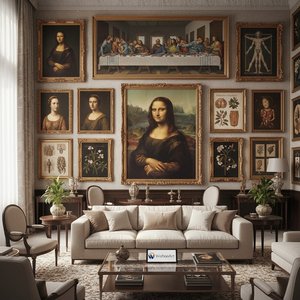
Leonardo da Vinci: 25 Mojstrovin za Navdih v Vašem Domu | OriginalUniqueArt
Odkrijte 25 mojstrovin Leonarda da Vincija! Preučite zgodovino, tehnike in simbolizem renesančnih del kot Mona Lisa & Zadnja večerja. Najdite navdih za dekoracijo doma z umetnostjo na OriginalUniqueArt.com
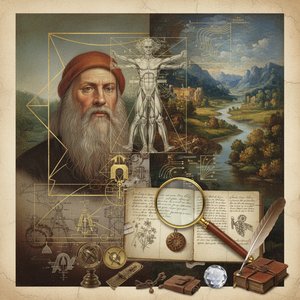
Leonardo da Vinci: A Renaissance Master’s Synthesis of Art, Science & Human Observation – Reinterpreted for the Collector
Explore Leonardo da Vinci’s timeless masterpieces with OriginalUniqueArt. Discover insights into his art, science, and legacy – trusted expertise for discerning collectors seeking authentic reproductions & investment opportunities.
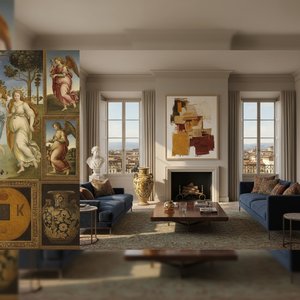
Galleria degli Uffizi: 25 umetniških mojstrovin za vaš dom | OriginalUniqueArt
Odkrijte 25 umetniških mojstrovin Galleria degli Uffizi! Botticelli, Leonardo da Vinci & Rafael – zgodbe renesančnih slikarjev in ikoničnih del. Kupite reprodukcije slik za vaš dom na OriginalUniqueArt.com.
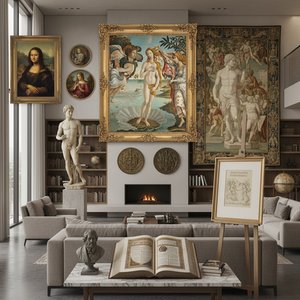
Renaissance Humanism's Greatest Art: 10 Masterpieces for Your Home
Explore 10 Renaissance Humanism masterpieces by Leonardo da Vinci, Michelangelo & Raphael. Discover the stories behind these iconic paintings & sculptures and bring timeless art into your home with museum-quality reproductions from OriginalUniqueArt.com. Explore the full collection online!
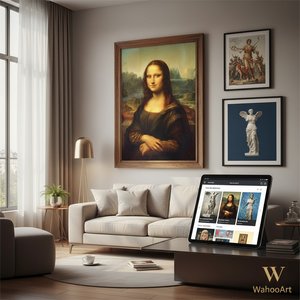
Louvre Pariz: 25 Mojstrovin za Navdih v Vašem Domu | OriginalUniqueArt
Odkrijte 25 ikoničnih mojstrovin Louvra v Parizu! Preberite zgodbe Leonardove Mona Lise, Michelangelovega Davida in drugih umetniških biserov. Navdih za dom & reprodukcije slik visoke kakovosti na OriginalUniqueArt.com.


