
 Preverite v realnem okolju
 Pošlji kot čestitko
 Deli
Deli
 Podrobnosti
 Priročnik

 Prenesi
 Podobni artefakti
 Rentgenski posnetek
 Predvajaj diaporama
 Statistika
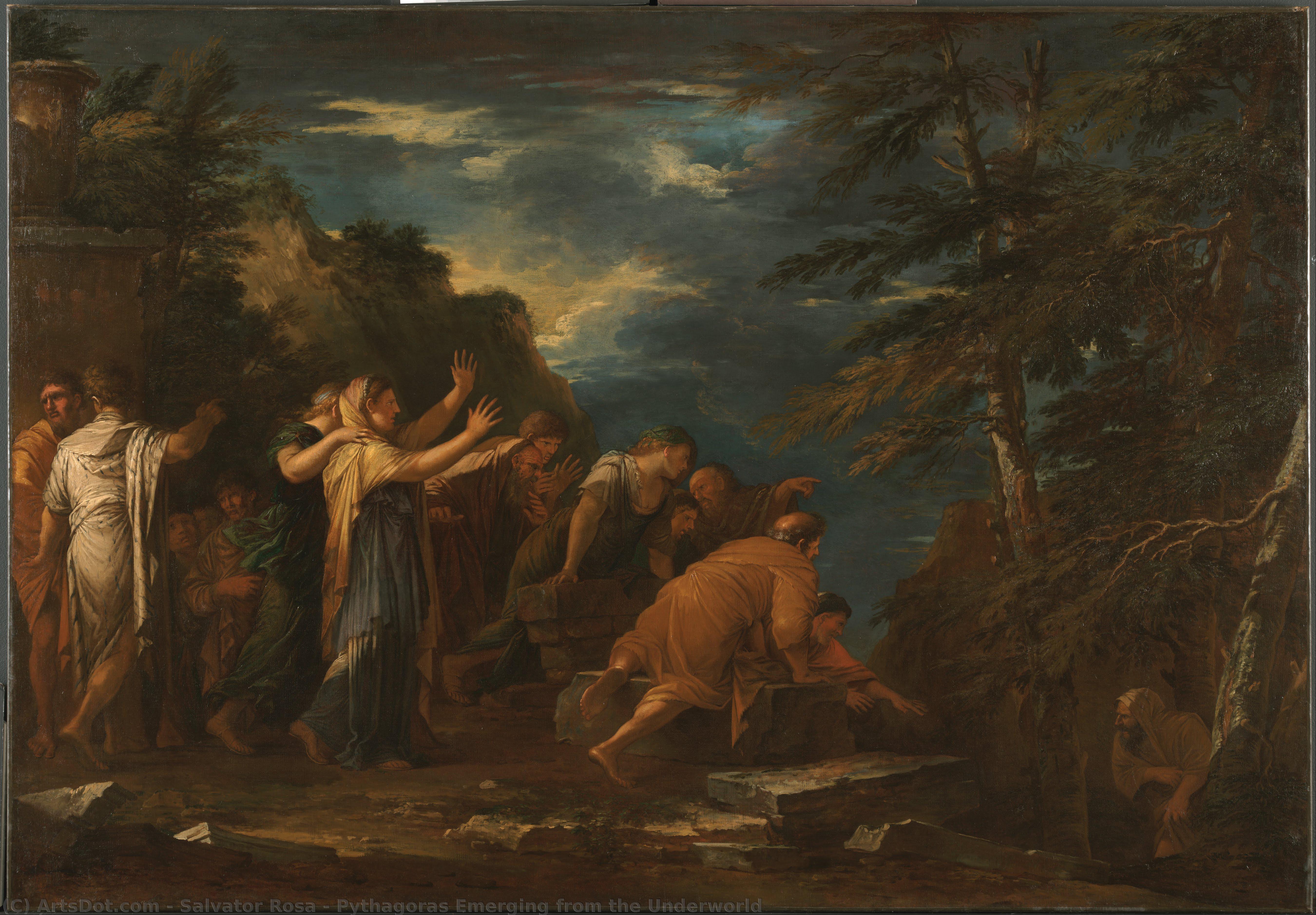
Pythagoras Emerging from the Underworld


 Preberi več
Giclée tisk / Umetniški tisk
Giclée ali platnati odtis muzejske kakovosti z hitro proizvodnjo in prilagodljivimi možnostmi končne obdelave. ( Naročite ročno slikano reprodukcijo Preklop na digitalno sliko)




P118B €10

P118H €10

P118W €10

P438Z €10

P508JH €12

P508YH €12

P805H €10

P805Z €10

P919BZ €10

P919G €10

P919XJ €10

P959ZH €10

P968JZ €12

W106C €8

W218G €10

W218JH €8

W218Y €10

W307PJ €10

W316G €10

W316PJ €8

W316Y €10

W398PJ €8

W4111J €10

W500HY €15

W500JH €15

W692G €12

W849H €8

W940BG €15

W953PJ €8




Izberite eno od naših vnaprej določenih velikosti, ki ustrezajo prvotnim proporcijam umetničkega dela.

Svoje dimenzije lahko vnesete sami, da bodo ustrezne za določen okvir ali prostor. Če izbrana velikost ne bo skladna z razmerji izvirne slike, bomo umetniško delo orezali ali podaljšali s pomočjo ogledalnega odraza ali barvno polnega roba. Pred začetkom proizvodnje vam bomo poslali digitalni predogled za potrditev.
Upoštevajte, da predogled na zaslonu ne prikazuje dejanskega orezovanja ali podaljševanja. Le digitalni predogled bo natančno prikazal končno kompozicijo.
Čeprav so na voljo prilagojene velikosti, priporočamo izbiro dimenzije s predhodno določenega seznama, da ohranite prvotna razmerja.
Globalna dostava () v 2 tednih namesto standardnih 4/5 tednov. (8 oktober)

Brezplačna ekspresna dostava po vsem svetu

Visokokakovostno laneno platno

Popolno zavarovanje pošiljke

Garancija povračila carine in uvoznih davkov

Garancija popolnega barvnega ujemanja

Politika vračila v 100 dneh (le v primeru okvar)

Garancija 100% povračila denarja

Popust pri večjem naročilu
 Možnost stekla je na voljo le za velikosti pod 110 cm

Pythagoras Emerging from the Underworld
Giclée tisk / Umetniški tisk
Velikost reprodukcije
-


Skupna cena
€ 69
Pythagoras Emerging from the Underworld: A Baroque Meditation on Mortality
Salvator Rosa’s “Pythagoras Emerging from the Underworld” is more than just a depiction of myth; it's a profound exploration of philosophical ideas interwoven with masterful baroque artistry. Painted in 1662, this monumental canvas embodies the spirit of its time—a fascination with classical antiquity colliding with burgeoning anxieties about death and rebirth—themes central to Pythagorean thought itself. Rosa’s unwavering commitment to capturing the raw emotion of human experience distinguishes him from many of his contemporaries, cementing his place as a pivotal figure in baroque painting.- Subject Matter: The artwork portrays Pythagoras, revered Greek philosopher and mathematician, ascending from Hades—the underworld—guided by two women symbolizing divine grace and resurrection. This narrative draws directly from Pythagorean cosmology, which posits that the soul survives death and journeys through various realms before returning to its original form.
- Style & Technique: Rosa’s signature baroque style is evident in the dramatic chiaroscuro – intense contrasts between light and dark – skillfully employed to heighten emotional impact. The artist utilizes thick impasto, applying paint thickly onto the canvas surface, creating palpable texture that conveys a sense of dynamism and movement. This technique lends itself beautifully to capturing the ethereal glow surrounding Pythagoras and his companions.
- Historical Context: Rosa’s work emerged during a period marked by intellectual ferment—the Renaissance's rediscovery of classical ideals fueled philosophical debates about human nature and destiny. Pythagoreanism, emphasizing moral virtue and contemplation as paths to enlightenment, resonated deeply with artists seeking spiritual depth. The painting reflects the broader cultural preoccupation with mortality and the promise of eternal life.
- Symbolism: The two women accompanying Pythagoras represent divine assistance in overcoming death’s grip—a powerful symbol reflecting Pythagorean beliefs about reincarnation and purification. The darkness of Hades contrasts sharply with the luminosity of Pythagoras' ascent, signifying the triumph of reason over superstition and the soul’s journey toward spiritual transcendence.
- Emotional Impact: Rosa succeeds in conveying a palpable sense of solemn grandeur and contemplative wonder. The painting invites viewers to contemplate the mysteries of existence and consider the transformative power of philosophical inquiry. Its enduring appeal lies in its ability to evoke feelings of awe, compassion, and an awareness of humanity’s place within the cosmos.
Vprašanja in odgovori
Kako si lahko ogledam predogled reprodukcije dela "Pythagoras Emerging from the Underworld" avtorja Salvator Rosa?
Stran Predogled za delo "Pythagoras Emerging from the Underworld" vam omogoča ogled umetnin pred naročilom.
Kdo je umetnik za "Pythagoras Emerging from the Underworld"?
Avtor dela "Pythagoras Emerging from the Underworld" je Salvator Rosa. Del je katalogiran pod imenom Salvator Rosa.
Priporočena nastavitev tiska za "Pythagoras Emerging from the Underworld" avtorja Salvator Rosa je?
Velikost Large, orientacija Landscape: to je priporočena nastavitev tiska za "Pythagoras Emerging from the Underworld" avtorja Salvator Rosa.
Koliko je bil star/a Salvator Rosa, ko je ustvaril/a "Pythagoras Emerging from the Underworld"?
Salvator Rosa je ustvaril "Pythagoras Emerging from the Underworld" v starostih 47 let. Umetnik se je rodil leta 1615, delovni datum pa je 1662.
V letu katerega je bilo ustvarjeno delo "Pythagoras Emerging from the Underworld" avtorja Salvator Rosa?
Ustvaritev dela "Pythagoras Emerging from the Underworld" avtorja Salvator Rosa datiramo v 1662.
Kaj prikazuje "Pythagoras Emerging from the Underworld" avtorja Salvator Rosa in kakšen vzdušje prizadeva?
"Pythagoras Emerging from the Underworld" avtorja Salvator Rosa združuje mythology, philosophy, allegory, landscape, underworld, pythagoras, religion z Dramatic vzdušjem.
Kako nasičena je paleta dela "Pythagoras Emerging from the Underworld"?
"Pythagoras Emerging from the Underworld" avtorja Salvator Rosa je zabeležen z Subtle Color saturacijo.
Biografija umetnika
**Zgodnje življenje in izobraževanje**
Salvator Rosa, italijanski baročni slikar, pesnik in grafik, se je rodil v Arenelli blizu Neaplja 20. junija ali 21. julija leta 1615. Njegova mati, Giulia Greca Rosa, je pripadala eni izmed grških družin na Siciliji. Kljub željam očeta, da bi postal odvetnik ali duhovnik, je Salvator že v zgodnjem otroštvu pokazal naklonjenost umetnosti. Njegovo prvo usmerjanje je bilo verjetno zasebno poučevanje, saj formalnega izobraževanja ni prejel. Že kmalu se je navdušil nad dramatično naravo neapeljske ulice in življenjem v pristanišču, ki sta postala pomembna motiva njegovega kasnejšega ustvarjanja. Njegova mladost je bila zaznamovana s težkim značajem in željo po neodvisnosti, kar se je odražalo tudi v njegovem umetniškem slogu.**Umetniška pot in stilsko oblikovanje**
Salvator Rosa je bil znan po svojem nekonvencionalnem in ekstravagantnem slogu, ki ga je ločil od njegovih sodobnikov. Bil je aktiven v Neaplju, Rimu in Firencah, njegovo delo pa je bilo pod vplivom naturalizma Ribere in klasicizma Poussina. Vendar se ni želel vezati na noben določen slog ali gibanje. Njegova umetnost je bila pogosto prežeta z elementi filozofije, literature in njegove lastne življenjske izkušnje. Posebej pomembno je njegovo zanimanje za pokrajino, ki jo je obravnaval kot dramatsko prizorišče človeških usod in naravnih sil. Njegova dela so pogosto prikazovala divje gore, bujna drevesa in nevihtna neba, kar je ustvarjalo močno čustveno atmosfero. Med njegova najbolj znana dela spada *Pitagora iz podzemlja* (Kimbell Art Museum, Fort Worth, Združene države), ki prikazuje edinstveno mešanico filozofskih in umetniških tem. Njegova slika *Krst evnuha* (Chrysler Museum of Art, Norfolk, Združene držate) pa dokazuje njegovo sposobnost vnašanja drame tudi v manjše biblične zgodbe. Rosa je bil izjemen tudi kot grafik, ustvarjal pa je številne jedkanice, ki so bile priljubljene med zbiralci in umetniki.**Vplivi in zapuščina**
Salvator Rosa je imel pomemben vpliv na razvoj baročne umetnosti. Njegov vpliv je mogoče opaziti pri delih poznejših umetnikov, kot je Luca Giordano, ki je nadaljeval z razširjanjem meja umetniškega izražanja. Rosa je bil tudi pomemben pesnik in dramatik, njegovo delo pa je odražalo njegov kritičen pogled na družbo in politiko. Njegova poezija je bila pogosto prežeta s satirami in upornim duhom, kar ga je naredilo za kontroverzno figuro v svojem času. Vplival je tudi na razvoj romantičnega gibanja v 19. stoletju, saj so njegovi dramatični krajini in poudarek na individualni izkušnji navdihnili številne umetnike in pisatelje. Njegova dela so bila priljubljena med intelektualci in zbiralci po vsej Evropi, njegov ugled pa se je nadaljeval tudi po njegovi smrti leta 1673.**Pomembni dosežki in zgodovinski pomen**
Salvator Rosa je pustil globok pečat v baročnem slikarstvu s svojim edinstvenim slogom in tematsko raznolikostjo. Njegova dela so bila inovativna in izzivala konvencije svojega časa. Bil je eden prvih umetnikov, ki se je posvetil krajini kot samostojni zvrsti, njegov vpliv pa je bil pomemben pri razvoju pokrajinarstva v naslednjih stoletjih. Njegova dela so bila tudi odraz njegovega osebnega življenja in filozofskih prepričanj, kar jih naredi še bolj zanimiva za raziskovanje. Rosa je bil znan po svojem boemskem načinu življenja in upornem značaju, ki ga je izražal tako v umetnosti kot v literaturi. Njegova zapuščina je pomembna ne le zaradi njegovega umetniškega talenta, temveč tudi zaradi njegovega prispevka k razvoju moderne umetniške zavesti. Pomembne povezave: Salvator Rosa na OriginalUniqueArt Wikipedia: Salvator Rosa Pitagora iz podzemlja na OriginalUniqueArt
Salvator Rosa
1615 - 1673 , Italija
Ključne informacije
- Datum Rojstva: 20. junij 1615
- Državljanstvo: Italijan
- Kraj Rojstva: Arenella, Italija
- Polno Ime: Salvator Rosa
- Pomembna Dela:
- Pogled na Salernski zaliv
- Študija za 'Genij Rose'
- Grota z slapovi
- Umetniški Smer: Barokna umetnost
- Vpliv Na Umetnike: ['Luca Giordano']
- Vplivi: ['José de Ribera']
Sorodni članki
Gods and Heroes: A Definitive Guide to the Eternal Masterpieces of Greek Mythology
Explore the profound beauty of Greek mythology through art history. From Baroque masterpieces to Renaissance classics, discover how gods and heroes have inspired the world's greatest painters in this expert guide for collectors and history lovers.
Echoes of Olympus: Mythological Narratives in Western Art Through the Ages
Explore the captivating history of mythological narratives in Western art! From ancient Greece to modern masterpieces, discover iconic artworks & symbolism. Expert analysis and high-quality reproductions at OriginalUniqueArt.

Salvator Rosa: A Baroque Rebel's Vision of Landscape, Allegory & the Human Condition
Explore the captivating world of Salvator Rosa, a rebellious Baroque master. Discover his dramatic landscapes, allegorical paintings & lasting influence on Romanticism. Hand-painted reproductions available at OriginalUniqueArt.

Baročna Drama: Uvedba Velikosti in Čustvenosti v Sodobne Interierje
Odkrijte veličino baročne umetnosti! Nasveti za integracijo dramatičnosti in čustvenosti v vaš dom. Kvalitetne reprodukcije, naročila po meri pri OriginalUniqueArt.com – strokovno posvetovanje in vrhunska kakovost.
Timeless Legends: A Curated Guide to the Eternal Allure of Mythological Masterpieces
Embark on a sophisticated journey through the eternal allure of mythological art. Discover how master painters breathe life into ancient legends, from Greek deities to Baroque masterpieces, and learn to curate these timeless narratives within your own exquisite art collection.
