

A Sanctuary of Light: Exploring the Kimbell Art Museum
Nestled within Fort Worth’s vibrant Cultural District, the Kimbell Art Museum isn't merely a building filled with masterpieces; it’s an experience—a profound immersion into a realm where light and form intertwine, and centuries of artistic brilliance resonate in quiet contemplation. Founded upon the visionary generosity of Kay and Velma Kimbell, this institution stands as a testament to their belief that art should be accessible, enriching, and deeply moving. The museum’s story began not just with a collection, but with an audacious vision: to create a space where artworks could breathe, where visitors could forge a genuine connection with the artistry of ages past. Kay Kimbell, a shrewd businessman, and his wife Velma, whose passion ignited his artistic sensibilities, laid the foundation in 1935 with the Kimbell Art Foundation, steadily amassing a collection that demanded an environment worthy of its stature. Their commitment wasn’t simply to acquire beautiful objects; it was to build an institution dedicated to fostering understanding and appreciation for artistic excellence—a sanctuary designed to elevate the human spirit.
Architectural Innovation: Kahn's Masterstroke
Louis I. Kahn’s design prioritizes simplicity, contemplation, and an almost spiritual connection with the art it houses. The barrel-vaulted galleries are deliberately devoid of ornamentation, allowing the artworks themselves to command the visual experience. This minimalist approach isn’t a lack of care; rather, it's a deliberate strategy to minimize distraction and maximize the impact of each piece. The use of travertine limestone contributes significantly to the museum’s serene atmosphere, reinforcing Kahn’s commitment to creating spaces that inspire awe and reverence—a feeling that permeates every corner of the building.
The ingenious design of the vaults is particularly noteworthy. Kahn meticulously calculated the angles and proportions to ensure that natural light would be distributed evenly throughout the galleries, bathing the artworks in a soft, silvery glow. This carefully orchestrated interplay of light and shadow isn’t merely aesthetic; it's integral to the museum’s mission—to enhance the beauty and emotional impact of the art on display. The resulting atmosphere is one of quiet contemplation, inviting visitors to slow down, observe, and truly appreciate the artistry before them.
A Collection That Breathes: Highlights from European Art
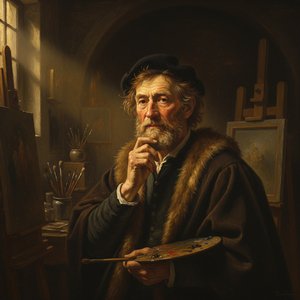
The Kimbell’s collection is a carefully curated tapestry woven from masterpieces spanning from the 14th to the 19th centuries, primarily focusing on European art. It’s not simply a display of objects; it’s a narrative—a journey through artistic evolution and cultural exchange. Among its most celebrated treasures are Rembrandt van Rijn's portraits, such as “Self-Portrait,” where the artist masterfully employs chiaroscuro – the dramatic interplay of light and dark – to capture psychological depth and intimacy. The subtle nuances of expression, the delicate rendering of fabric, and the masterful use of shadow create a sense of profound connection with Rembrandt’s inner world. Equally compelling are the ethereal paintings by El Greco, imbued with spiritual intensity and characterized by elongated figures and vibrant colors that transport viewers to realms beyond the earthly plane – a testament to his unique vision and emotional power.
Beyond these iconic masters, the collection boasts significant examples from artists like Duccio, Botticelli, Titian, Rubens, and Michelangelo—each piece offering a glimpse into the evolution of European art across centuries. A particularly striking example is the Kimbell seated Bodhisattva, a 131 CE sculpture that embodies the fusion of Greco-Buddhist artistic traditions, showcasing the cultural exchange along ancient trade routes. This remarkable artifact, originally from Mathura, India, demonstrates the museum’s commitment to exploring global connections and celebrating diverse artistic influences—a testament to its role as a bridge between cultures.
Beyond the Permanent Collection: Exhibitions and a Living Legacy
The Kimbell’s collection isn't simply a static display; it’s a living testament to human creativity, constantly evolving through new acquisitions and thoughtfully curated exhibitions. The museum consistently pushes boundaries with dynamic temporary shows that explore connections between Old Masters and contemporary artists, fostering intellectual curiosity and challenging conventional interpretations of art history. These exhibitions demonstrate the Kimbell’s commitment to engaging audiences with fresh perspectives and sparking dialogue about the enduring relevance of art. Furthermore, the museum's dedication to preserving cultural heritage is exemplified through its participation in the Monuments Men and Women Museum Network—a global initiative dedicated to safeguarding artistic treasures from destruction. A visit to the Kimbell Art Museum is more than just viewing art; it’s an immersion into beauty, history, and the enduring power of human creativity – a place where one can lose oneself in contemplation and emerge with a renewed sense of wonder. It's a space designed not just for looking at art, but for *feeling* it—a testament to the Kimbell family’s original vision of making art accessible and profoundly moving for all.