Surrealist Expressionism
The Tree (Max Ernst)
Max Ernst (1891–1976) je izdelal The Tree. Spada v smer Surrealist Expressionism. Izdelano je iz Acrylic On Canvas. Del se nahaja v muzeju Museum Folkwang v mestu Essen, Nemška.
- Acrylic On Canvas
- Museum Folkwang, Essen

 Predogled v realnem okolju

 Ročno izdelano oljno slikarstvo
 Pošlji
 Deli
 Informacijski list


 Prenesi sliko
 Podobni izdelki
 Rentgenski posnetek
 Predvajaj diaporama
 Vprašanja in odgovori

 Statistika
The Tree, na kratek
- Naslov
- The Tree
- Avtor
- Max Ernst (1891–1976)
- Umetnik, rojen v
- Brühl, Nemčija
- Tehnika
- Acrylic On Canvas
- Kje je videti
- Museum Folkwang, Essen, Nemška
- Gibanje
- Surrealist Expressionism
- Tema
- tree, fruit, people, umbrellas, surrealism, ernst
Kaj prikazuje The Tree?
A Vision of Abundance and Disquiet: Unpacking “The Tree”
Max Ernst’s “The Tree,” a captivating yet enigmatic work, invites us into a world where the familiar yields to the profoundly strange. It's not merely a depiction of a tree laden with fruit; it’s a carefully constructed tableau brimming with symbolic weight and reflecting the artist’s deeply rooted fascination with the subconscious. The painting immediately arrests the eye with its vibrant palette – a riot of yellows, greens, and reds that suggest both fecundity and an underlying tension. The sheer volume of fruit—bananas and apples mingling together—creates a sense of overwhelming abundance, a visual metaphor for the potential and perils of excess. Yet, this apparent prosperity is subtly undercut by the presence of figures, some standing in quiet contemplation, others seemingly lost within the scene’s density.
The Roots of Surrealism: Ernst's Intellectual Landscape
Understanding “The Tree” requires acknowledging Max Ernst’s unique artistic trajectory. Born in Brühl, Germany, in 1891, Ernst wasn’t a traditional artist; he was an intellectual explorer who approached painting as a means of unlocking the hidden landscapes of his mind. His academic background—spanning philosophy, art history, psychology, and psychiatry – profoundly shaped his work. He deliberately sought to disrupt conventional representation, drawing inspiration from automatism, dream imagery, and the theories of Sigmund Freud. This pursuit of the irrational is powerfully evident here; the seemingly random arrangement of objects and figures suggests a world governed not by logic but by instinct and association. Ernst’s early experiments with frottage—a technique involving rubbing paper over textured surfaces – further demonstrate his interest in accessing the unconscious, creating images that emerge organically from chance encounters.
- Technique: Ernst employed a layered approach, utilizing oil paints and collage elements. The fruit appears almost sculpted, with a tactile quality that contrasts sharply with the more fluid rendering of the figures and background.
- Color Palette: The intense colors are not merely decorative; they contribute to the painting’s overall mood, evoking both joy and unease.
Symbolism in the Fruitful Chaos: Interpretation and Nuance
The specific fruits depicted—bananas and apples—carry significant symbolic weight. Bananas, often associated with tropical abundance and exotic allure, can also represent temptation and fleeting pleasure. Apples, steeped in mythology and religious iconography (particularly linked to the story of Adam and Eve), symbolize knowledge, sin, and mortality. Their juxtaposition suggests a complex interplay between desire, transgression, and the consequences of choice. The figures themselves are deliberately ambiguous; their postures and expressions invite speculation about their relationship to the tree and its bounty. Are they participants in a celebration? Victims of an overwhelming experience? Or simply observers of this surreal spectacle?
A Legacy of Disruption: Ernst’s Enduring Influence
“The Tree” stands as a quintessential example of Max Ernst's contribution to the Surrealist movement. It embodies his commitment to challenging conventional perceptions and exploring the depths of the human psyche. His work, like that of many pioneers of the 20th century, continues to resonate with viewers today, prompting us to question our own assumptions about reality and inviting us to embrace the power of the imagination. A reproduction of this vibrant and unsettling masterpiece offers a unique opportunity to bring this complex and compelling vision into your home or studio – a testament to Ernst’s enduring legacy as one of art's most daring and innovative figures.
V katerem muzeju se nahaja The Tree?
Museum Folkwang
Essen, Nemška
Zgodovina in korenine Museum Folkwang Zgodovina Museum Folkwang se začne z prepletenjem dveh ločenih dediščin. Leta 1902 je Karl Ernst Osthaus ustanovil zasebni Folkwang Museum, zbirko, ki jo je vodila jasna vizija za sodobni izraz umetnosti. Pozneje se mu je pridružil essenski Kunstmuseum, ustanovljen leta 1906.

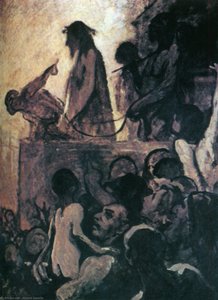

Visokoresolucijske slike dela The Tree

Zaščitovano z avtorskimi pravicami: ti datoteke so namenjene osebni referenci, ne paovojilu za ponovno objavo.
Max Ernst, The Tree, Museum Folkwang.
Odgovori na vprašanja o The Tree
Kje je danes razstavljeno "The Tree" avtorja Max Ernst?
Del "The Tree" avtorja Max Ernst je razstavljen v muzeju Museum Folkwang, Essen, Nemška. Navedba muzeja se nanaša na originalno delo, ne pa na reprodukcije.
い哪種媒介是用來創作 "The Tree" avtorja Max Ernst 的?
"The Tree" je izdelano z uporabo tehnike Acrylic On Canvas.
Katere teme se pojavljajo v delu "The Tree" avtorja Max Ernst?
Motivi dela "The Tree" so tree, fruit, people, umbrellas, surrealism, ernst, landscape, tropical.
Ali se lahko slika "The Tree" avtorja Max Ernst prosto reproducira?
V zvezi z avtorskimi pravicami je "The Tree" v še vedno pod avtorsko zaščito.
Kateri umetniški slog pripada "The Tree"?
"The Tree" je del umetniškega sloga Surrealist Expressionism, ki predstavlja umetniško tradicijo, v katero je delo vključeno.
V katero obdobje umetnostnega razvoja Max Ernst pripada delo "The Tree"?
Zakaj je status avtorske pravice za "The Tree" prav takšen, kot je?
Status avtorske pravice za "The Tree" – še vedno pod avtorsko zaščito – izhaja iz smrti umetnika v letu 1976.
O umetniku, Max Ernst

1891–1976, Nemčija
Max Ernst
Življenje in korenine Maxa Ernsta Max Ernst se je na svet prišel 2. aprila 1891 v Brühlu na Nemčiji. Prasil v srednjočastvanski katoliški družini kot tretji od devetih otrok. Njegovo vzpajanje je oblikovala tiha, disciplinirana vzdušja domačega stanja, kjer je bil njegov oče, Philipp, zaposlen kot učitelj za gluhe.
Tudi dela avtorja Max Ernst
 Célèbes ali Elephant Célèbes1921
 Elefant Celebes1921
 Evropa po dežju II1942
 O tem moški ne bodo vedeli nič1923
Eseji o delu The Tree
 25 Masterpieces by Ernst Ludwig Kirchner: The Soul of German ExpressionismExplore 25 iconic Ernst Ludwig Kirchner masterpieces of German Expressionism. Discover the full collection online at OriginalUniqueArt.com.
 Unlocking the Unconscious: The Top 25 Masterpieces by Max ErnstStep into the dreamscapes of Max Ernst. Explore 25 iconic Surrealist masterpieces, from pioneering collage to haunting Frottage techniques.…
 The Weight of an Apple: From Biblical Allegory to the Structural Vision of CézanneExplore the evolution of the apple from biblical allegory to Cézanne's geometry. Trace this artistic legacy with our expert analysis.