Abstract Expressionism
Untitled 4 (Mark Rothko)
Mark Rothko (1903–1970) je izdelal Untitled 4. Spada v umetniško smer Abstract Expressionism. Izdelano je iz Acrylic On Canvas.
- Acrylic On Canvas

 Predogled v realnem okolju

 Ročno izdelano oljno slikarstvo
 Pošlji
 Deli
 Informacijski list za tjači


 Prenesi sliko
 Podobni izdelki
 Rentgenski posnetek
 Predvajaj diaporama
 Vprašanja in odgovori

 Statistika
Untitled 4, na kratek
- Naslov
- Untitled 4
- Umetnik
- Mark Rothko (1903–1970)
- Umetnik, rojen v
- Daugavpils, Latvija
- Tehniko
- Acrylic On Canvas
- Gibanje
- Abstract Expressionism
- Tema
- color field painting, geometric abstraction, emotional resonance, red hue, blue tone, texture depth
Kaj prikazuje Untitled 4?
A Symphony in Color: Exploring Mark Rothko’s No. 4
The painting known simply as “No. 4” by Mark Rothko is more than just pigment on canvas; it's an invitation into a realm of profound contemplation and emotional resonance. Created in 1964 during his prolific period, this monumental work embodies the core tenets of Rothko’s signature style – Color Field Painting – a movement that revolutionized abstract art and continues to captivate audiences worldwide.- Subject Matter: At first glance, “No. 4” presents itself as deceptively simple. It consists of five rectangular blocks of color—primarily deep crimson, cadmium orange, and slate blue—layered atop one another. These rectangles are not sharply delineated; instead, they bleed into each other subtly, creating an ethereal haze that obscures precise boundaries.
- Style: Rothko’s approach transcends mere representation. He eschewed traditional artistic conventions, rejecting illusionistic depth and perspective altogether. Instead, he sought to convey emotion directly through color alone—a radical departure from the prevailing aesthetic sensibilities of his time.
Historical Context: Minimalism and Existential Anxiety
“No. 4” emerged during a period marked by significant cultural upheaval. The rise of Minimalism in the mid-1960s challenged the dominance of figurative art, advocating for austere compositions and unadorned surfaces as expressions of intellectual seriousness. Simultaneously, anxieties surrounding nuclear proliferation and the Cold War fueled existential concerns about humanity’s place in the cosmos—themes that resonated deeply with Rothko's artistic vision. He wasn’t attempting to depict a specific scene or narrative; rather, he aimed to tap into universal human experiences – grief, joy, transcendence – feelings conveyed through pure color.Symbolism and Emotional Impact
Rothko deliberately avoided explicit symbolism, believing that color itself possessed inherent expressive power. However, scholars have interpreted the hues within “No. 4” as representing a spectrum of emotions—crimson symbolizing passion and vulnerability, orange conveying warmth and optimism, and blue embodying serenity and contemplation. The layering effect contributes to this emotional depth, suggesting an unfolding process of feeling rather than a static depiction. Viewing No. 4 is said to induce a state of calm introspection; it encourages the viewer to surrender to the painting's immersive quality and allow themselves to be carried away by its evocative beauty.A Legacy of Color
“No. 4” stands as a testament to Rothko’s unwavering commitment to exploring the expressive potential of color—a legacy that continues to inspire artists and collectors alike. Its enduring appeal lies in its ability to bypass intellectual analysis altogether, communicating directly with the viewer's subconscious mind. A high-quality reproduction captures not only the visual splendor of this masterpiece but also its profound emotional core – a reminder that art can transcend language and offer access to realms of feeling beyond words.Visokoresolucijske slike dela Untitled 4

Zaščitovano z avtorskimi pravicami: te datoteke so namenjene osebni referenci, ne paovojilo za ponovno objavo.
Mark Rothko, Untitled 4.
Odgovori na vprašanja o Untitled 4
Z kakšno tehniko je izdelano "Untitled 4"?
Mark Rothko je za delo "Untitled 4" uporabil/a tehniko Acrylic On Canvas. Ta tehnika opredeljuje materialno naravo izvirnega dela.
Kaj prikazuje "Untitled 4" avtorja Mark Rothko?
Tematika v delu "Untitled 4" avtorja Mark Rothko vključuje color field painting, geometric abstraction, emotional resonance, red hue, blue tone, texture depth, minimalist composition, ki skupaj predstavljajo vsebino umetninškega dela.
Ali se lahko slika "Untitled 4" avtorja Mark Rothko prosto reproducira?
Status avtorskih pravic za "Untitled 4" avtorja Mark Rothko: del je še vedno pod avtorsko zaščito. To določa, ali se lahko reprodukcije slike izdelujejo prosto.
Kdo je ustvaril "Untitled 4"?
"Untitled 4" pripisujemo Mark Rothko.
V kateri umetniški smer spada "Untitled 4" avtorja Mark Rothko?
"Untitled 4" je del umetniškega sloga Abstract Expressionism, ki predstavlja umetniško tradicijo, v katero je delo vključeno.
V katero obdobje umetnostnega razvoja Mark Rothko pripada delo "Untitled 4"?
V okviru kariere umetnika Mark Rothko delo "Untitled 4" pripada obdobju Mature Period, kar omogoča primerjavo z ostalimi umetnikovimi deli.
Ali je delo "Untitled 4" avtorja Mark Rothko v javni lastini in zakaj?
"Untitled 4" avtorja Mark Rothko je še vedno pod avtorsko zaščito. Avtorske pravice se izračunajo od smrti umetnika, ki je umrl leta 1970.
Kaj ima "Untitled 4" skupnega z ostalo celotno tvorbino umetnika Mark Rothko?
V celotnem delu umetnika Mark Rothko se delo "Untitled 4" prikloni slogu Abstract Expressionism, ki vključuje tematiko color theory, gestalt principles, existential angst, spiritual harmony, rothko legacy.
Ali je "Untitled 4" tipično za dela, ki jih je Mark Rothko običajno ustvarjal?
Mark Rothkoove ponavljajoče se teme vključujejo color theory, gestalt principles, existential angst, spiritual harmony, rothko legacy; "Untitled 4" se osredotoča na color field painting, geometric abstraction, emotional resonance, red hue, blue tone, texture depth, minimalist composition.
O umetniku, Mark Rothko

1903–1970, Latvija
Mark Rothko
Mark Rothko: Barva, Čustvo in Iskanje Duše Mark Rothko, rojen kot Markus Yakovlevič Rotkovič v Daugavpilsu, Latviji, leta 1903, je bil slikar, katerega življenje in delo sta globoko prepleteni z iskanjem smisla, čustvene izraznosti in duhovne transcendence. Že zgodnja leta so bila zaznamovana s negotovostjo in strahovi, ki so jih prinašali antisemitizem in politična nestabilnost v njegovem rodu. Emigracija v Portland, Oregon, leta 1913 je predstavljala kulturni šok, a hkrati tudi začetek potovanja, ki ga je vodilo k umetnosti kot sredstvu za raziskovanje človeške duše. Čeprav je študiral na Yaleu, se je Rothko kmalu odločil slediti svoji strasti in se preselil v New York, kjer je obiskoval Art Students League.
Tudi dela avtorja Mark Rothko
 Bel Center1950
 No.1 (Royal Red and Blue)
 Št. 61 (Rjava in modra)1953
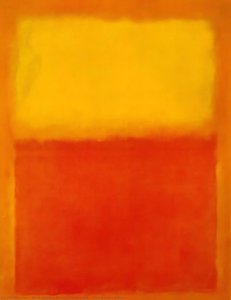 Orangeja in rumena1956
Eseji o delu Untitled 4
 Abstract Expressionism vs. Pop Art: Distinguishing Emotion from IconographyMaster the shift from raw emotion to pop iconography with our expert art history guide. Explore the evolution of modern art today.
 The Soul of Color: Exploring the Emotional Depth and Existential Resonance of Mark Rothko's MasterpiecesImmerse yourself in the profound emotional landscapes of Mark Rothko. Explore how his revolutionary Color Field paintings use pure pigment …
 Mark Rothko: 25 Mojstrovin Barvne Globine za Vaš Dom | OriginalUniqueArtOdkrijte 25 mojstrovin Marka Rothka – ikonične slike ekspresionizma, polne barv in emocij. Preberite zgodbe za vsako umetnino in obogatite …