

 Predogled
 Pošlji
 Deli
Deli
 Podrobnosti o delu

 Prenesi
 Podobni izdelki
 Rentgenski posnetek
 Predvajaj diaporama
Vita somnium breve
 Akril na platnu
- Stenska umetnost
- Art Nouveau Modern
 1906
1906 163.0 x 143.0 cm
 Narodni muzej v Krakovu
 Razviljaj več
Ročno izdelana oljna reprodukcija
Ročno slikano olje na platnu v vaši izbiri velikosti in okvirja, izdelano po naročilu naših umetnikov. ( Kupi tisk Kupi digitalno sliko)




P118B $10

P118H $10

P118W $10

P438Z $10

P508JH $12

P508YH $12

P805H $10

P805Z $10

P919BZ $10

P919G $10

P919XJ $10

P959ZH $10

P968JZ $12

W106C $8

W218G $10

W218JH $8

W218Y $10

W307PJ $10

W316G $10

W316PJ $8

W316Y $10

W398PJ $8

W4111J $10

W500HY $15

W500JH $15

W692G $12

W849H $8

W940BG $15

W953PJ $8




Izberite eno od naših vnaprej določenih velikosti, ki ustrezajo prvotnim proporcijam umetničkega dela.

Svoje dimenzije lahko vnesete tako, da se prilagodite določenemu okvirju ali prostoru. Če izbrana velikost ne ustreza razmerjem originalne slike, bomo umetniško delo obrezali ali sliko dopolnili z dodatnimi ročno naslikanimi elementi. Pred začetkom proizvodnje vam bo poslan digitalni osnutek v odobritev.
Upoštevajte, da predogled na zaslonu ne odraža dejanskega obrezovanja ali podaljšanja. Le osnutek bo natančno prikazal končno kompozicijo.
Čeprav so na voljo velikosti po meri, priporočamo izbiro dimenzije s preddefiniranega seznama, da ohranimo originalne razmere.
Po oddaji naročila bo ekipa OriginalUniqueArt.com stranki po e-pošti poslala navodila in predogled digitalnega predogleda.
Svetska dostava () za 3/4 nedelje umesto uobičajenih 5 nedelja. (19 avgust). Bez kompromisa po pitanju kvaliteta.

Brezplačna ekspresna dostava po vsem svetu

Visokokakovostno laneno platno

Popolno zavarovanje pošiljke

Garancija povračila carine in uvoznih davkov

Garancija popolnega ujemanja barv

60-dnevna politika vračanja (le v primeru napak)

Garancija 100% povračila denarja

Popust pri večjem naročilu
 Možnost stekla je na voljo le za velikosti pod 110 cm

Vita somnium breve
Tehnika reprodukcije
Velikost reprodukcije
-


Skupna končna cena
$ 300
Opis umetninine
Vita Somnium Breve: A Window Into Polish Symbolism
Józef Mehoffer’s “Vita somnium breve” (Life is a short dream), completed in 1906, stands as a cornerstone of Art Nouveau stained glass artistry and embodies the spirit of Young Poland – a movement dedicated to reviving Polish national identity after centuries of subjugation. Created by Krakowski Zakład Witrażów i Mozaiki S.G. Żeleński, established in 1902, this monumental window is housed within the National Museum in Kraków and represents more than just decorative splendor; it’s a profound meditation on mortality and fleeting beauty. ### Artistic Style and Technique: The Fluid Embrace of Art Nouveau Mehoffer's approach to stained glass aligns perfectly with the tenets of Art Nouveau – a style characterized by organic forms, flowing lines, and intricate floral motifs. Unlike the rigid geometric patterns prevalent in earlier styles, “Vita somnium breve” revels in curvilinear shapes that mimic natural elements like branches and leaves. The artist skillfully employs a technique known as *pointillé*, where tiny dots of color are meticulously applied to create textured surfaces and luminous effects. This method maximizes light diffusion, transforming the window into an ethereal space filled with shimmering hues—primarily shades of emerald green and amber—that evoke the tranquility of a forest grove. ### Symbolism: Echoes of Mortality and Remembrance The imagery within the window is laden with symbolic significance. Dominating the composition are figures representing women and children, positioned amidst stylized trees – a deliberate reference to biblical narratives concerning Adam and Eve and the Garden of Eden. The woman’s serene gaze suggests contemplation on life's brevity, while the child embodies innocence and vulnerability. These figures aren’t merely decorative; they serve as emblems of human experience confronted with the inevitability of death. The overarching theme is one of remembrance – honoring the past while acknowledging the transient nature of existence. The careful placement of these elements underscores the importance of cherishing every moment. ### Historical Context: Young Poland and Artistic Renewal “Vita somnium breve” emerged during a period of fervent artistic revival in Poland following the Russo-Polish War of 1893-1894. Young Poland championed Polish culture, literature, and art as instruments for reclaiming national identity and fostering patriotic fervor. Stained glass production flourished during this era, reflecting the movement’s desire to elevate aesthetic standards and express spiritual values. Mehoffer's work exemplifies this ambition—a testament to Art Nouveau’s ability to convey complex ideas through visual language. It represents a conscious effort to move beyond academic realism toward a more emotive and imaginative form of artistic expression. ### Emotional Impact: Capturing Tranquility and Reflection Looking upon “Vita somnium breve” is akin to stepping into a sanctuary of calm contemplation. The harmonious blend of colors, the graceful lines of the design, and the evocative imagery combine to create an experience that transcends mere visual perception. It invites viewers to pause, reflect on life’s fleeting beauty, and appreciate the enduring power of remembrance—themes central to both Art Nouveau philosophy and Polish cultural heritage. This remarkable stained glass window continues to inspire awe and wonder, cementing Mehoffer's legacy as a visionary artist who captured the essence of his time in a masterpiece of decorative art.Biografija umetnika
Henri Matisse: A Life Painted in Color
Henri Matisse, a name synonymous with vibrant color and fluid form, stands as one of the most pivotal figures in 20th-century art. Born in Le Cateau, France, in December 1869, his artistic journey began not with fervent ambition but with a surprising late interest – a revelation sparked by a box of paints gifted to him during convalescence. Initially drawn to the structured world of law, Matisse ultimately abandoned this path, embracing instead the intoxicating freedom of creative expression. His career spanned nearly six decades, witnessing and profoundly shaping the evolution of modern art, leaving behind an astonishingly diverse body of work that continues to captivate audiences worldwide.
Early Years and Artistic Foundations
Matisse’s early artistic training was decidedly conventional. He enrolled in the Académie Julian in Paris, studying under William-Adolphe Bouguereau, a master of academic realism. This period instilled in him a respect for traditional techniques and composition. However, Matisse quickly recognized that he sought something beyond mere imitation. He experimented with various styles – from Neo-Impressionism, influenced by Paul Signac’s pointillist approach, to Symbolism, absorbing the evocative moods of artists like Gustave Moreau. Crucially, his time in Paris exposed him to a vibrant artistic landscape, fostering an openness to new ideas and movements. It was during this period that he began to develop his distinctive palette and explore ways to convey emotion through color alone – a radical departure from prevailing artistic norms.
The Fauvist Revolution
Around 1905, Matisse’s artistic trajectory underwent a dramatic transformation. He joined forces with Paul Gauguin and André Derain in Collioure, on the French Riviera, where they collectively spearheaded what became known as the Fauvist movement – “Fauves” meaning “wild beasts.” This revolutionary style prioritized intense, non-naturalistic color, often applied in arbitrary and jarring combinations. Matisse’s paintings of this period, such as *Woman with a Hat* and *The Joy of Life*, exemplify this bold approach. He deliberately rejected the subtle gradations of tone favored by earlier artists, opting instead for flat planes of saturated hues that pulsed with energy and emotion. This deliberate disregard for realism was initially met with criticism, but it ultimately paved the way for future developments in modern art.
Mature Style and Artistic Evolution
Following the intensity of the Fauvist period, Matisse’s style evolved into a more refined and controlled aesthetic. He moved to Nice in 1917, seeking inspiration from the Mediterranean light and landscape. During this time, he developed a distinctive approach characterized by flattened forms, simplified shapes, and an economy of line – a deliberate move away from the illusionistic depth of earlier painting. His use of color remained central, but it was now employed with greater precision and restraint, creating a sense of harmony and balance. Works like *The Red Studio* (1913) demonstrate this shift towards geometric abstraction while retaining his signature vibrant palette. Later in his career, Matisse turned to the medium of paper cutouts – intricate designs created by cutting shapes from colored paper, a technique that allowed him to explore new forms of composition and spatial relationships.
Legacy and Historical Significance
Henri Matisse’s impact on the art world is immeasurable. He not only spearheaded the Fauvist movement but also profoundly influenced generations of artists who followed, including Pablo Picasso, André Derain, and many others. His emphasis on color as a primary means of expression revolutionized painting, demonstrating its power to evoke emotion and create visual experiences beyond mere representation. His work continues to be celebrated for its beauty, innovation, and enduring appeal. Matisse’s legacy extends far beyond the canvas; his approach to art—characterized by joy, spontaneity, and an unwavering belief in the transformative potential of color—remains a powerful inspiration today.

józef mehoffer
1869 - 1946
Hitri podatki
- Artistic Movement Or Style:
- Fauvism
- Modernism
- Artists Or Movements Influenced By This Artist: ['Pablo Picasso']
- Artists Who Influenced This Artist:
- William-Adolphe Bouguereau
- Paul Cézanne
- Date Of Birth: December 31, 1869
- Date Of Death: November 3, 1954
- Full Name: Henri-Émile-Benoît Matisse
- Nationality: French
- Notable Artworks:
- The Red Studio
- Dance (Matisse)
- Blue Nude
- Place Of Birth: Le Cateau, Picardy, France
Sorodni članki
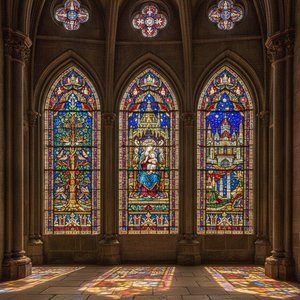
Luminous Masterpieces: The Captivating Beauty and Timeless Elegance of Stained Glass Artworks
Embark on a visual journey through the luminous world of stained glass art. Discover the exquisite craftsmanship, historical significance, and captivating beauty of masterworks from Art Nouveau to the Gothic era, curated for the discerning fine art enthusiast.
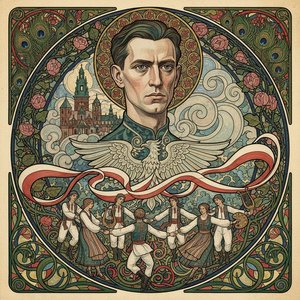
Stanisław Wyspiański: Symbolism, National Identity & the Polish Secession
Explore the life & work of Stanisław Wyspiański, a pivotal figure in Polish Symbolism and the Young Poland movement. Discover his iconic paintings, dramas, and stained glass designs reflecting national identity & artistic innovation.
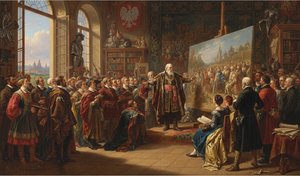
Jan Matejko: Historical Narrative & National Identity in 19th-Century Polish Painting
Explore the powerful historical paintings of Jan Matejko, Poland's national artist. Discover his iconic works & learn how he shaped Polish identity in the 19th century. High-quality reproductions available.
Seznam Domenljivih Del: Najboljših 10 Mojstrovin Art Nouveauja
Odkrijte 10 ikoničnih mojstrovin Art Nouveauja – Klimt, Mucha & Gaudí! Potopite se v zgodbe za temi umetnosti in najdite navdih za svojo notranjost. Visokokakovostne reprodukcije na OriginalUniqueArt.com!
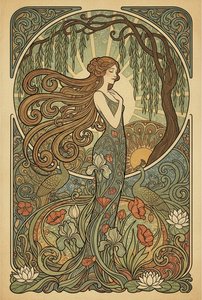
The Flowing Line & Flourishing Form: Exploring Art Nouveau's Aesthetic Legacy
Explore the captivating world of Art Nouveau! Discover its origins, key artists like Horta & Mucha, regional styles, innovative techniques, and lasting influence on architecture & design. A comprehensive guide for art enthusiasts.


