
 Predogled v realnem okolju
 Pošlji
 Deli
Deli
 Podrobnosti o delu
 Priročnik

 Prenesi sliko
 Podobni izdelki
 Rentgenski posnetek
 Predvajaj diaporama
 Vprašanja in odgovori
 Statistika
Lord Grosvenor

- 99.0 x 83.0 cm


 Preberi več
Giclée tisk / Umetniški tisk
Giclée ali platnati odtis muzejske kakovosti z hitro proizvodnjo in prilagodljivimi možnostmi končne obdelave. ( Kupite ročno slikano delo Preklop na digitalno sliko)




P118B €10

P118H €10

P118W €10

P438Z €10

P508JH €12

P508YH €12

P805H €10

P805Z €10

P919BZ €10

P919G €10

P919XJ €10

P959ZH €10

P968JZ €12

W106C €8

W218G €10

W218JH €8

W218Y €10

W307PJ €10

W316G €10

W316PJ €8

W316Y €10

W398PJ €8

W4111J €10

W500HY €15

W500JH €15

W692G €12

W849H €8

W940BG €15

W953PJ €8




Izberite eno od naših vnaprej določenih velikosti, ki ustrezajo prvotnim proporcijam umetničkega dela.

Vnesite širino in višino, ki jih potrebujete za svoj okvir ali steno. Tiskanje se lahko le odreže, vendar ga ni mogoče narediti večjega od slike, zato format z drugačno obliko pomeni izgubo dela slike. Pred tiskanjem vam pošljemo digitalni predogled za potrditev. Slika, prikazana na tej strani, ne prikazuje dejanskega izrezka — le predogled to omogoča.
Globalna dostava () v 2 tednih namesto standardnih 4/5 tednov. (7 november)

Brezplačna ekspresna dostava po vsem svetu

Visokokakovostno laneno platno

Popolno zavarovanje pošiljke

Garancija povračila carine in uvoznih davkov

Garancija popolnega barvnega ujemanja

100-dnevna politika vračil (le v primeru okvar)

Garancija 100% povračila denarja

Popust pri večjem naročilu
 Možnost stekla je na voljo le za velikosti pod 110 cm

Lord Grosvenor
Giclée tisk / Umetniški tisk
Velikost reprodukcije
-


Skupna cena
€ 72
The Equestrian Vision of George Stubbs
George Stubbs' "Lord Grosvenor’s Arabian Stallion with a Groom," painted in 1765, isn’t merely a portrait; it’s a meticulously crafted tableau vivant—a snapshot of aristocratic leisure and the profound connection between man and beast. Stubbs, already recognized as the foremost painter of horses of his era, transcends simple representation, instead offering a deeply considered study of anatomy, movement, and psychological nuance. This work exemplifies his pioneering approach to animal painting, firmly rooted in scientific observation yet imbued with a distinctly Romantic sensibility.
The scene unfolds within a softly rendered English landscape—rolling hills bathed in the golden light of late afternoon. The composition is dominated by the magnificent Arabian stallion, poised and alert, its muscular form captured with astonishing accuracy. Stubbs’s anatomical knowledge, honed through years of dissecting horses (a practice considered radical at the time), is immediately apparent in the precise rendering of every muscle, tendon, and bone. Yet, this isn't a cold, clinical study; the horse radiates vitality, its ears pricked forward, nostrils flared, conveying an intense awareness of its surroundings.
A Masterclass in Technique – Light, Shadow, and Sabino Markings
Stubbs’s mastery lies not just in his anatomical precision but also in his masterful manipulation of light and shadow. He employs a low horizon line, drawing the viewer's eye upwards to the horse, emphasizing its imposing presence against the backdrop of the landscape. The warm tones of the chestnut stallion—rich browns, golds, and russets—are contrasted with the cooler greens and blues of the foliage, creating a dynamic interplay of color that adds depth and realism to the scene. Notably, Stubbs meticulously portrays the horse’s unique genetic Sabino markings – the broad blaze running down its forehead, the striking white stockings, and the delicate white spots adorning its belly and sides—demonstrating an almost obsessive attention to detail.
The groom, a figure of quiet dignity, stands in stark contrast to the stallion’s spirited energy. Dressed in a dark suit, he exudes a reassuring presence, his posture suggesting years of experience and a deep understanding of horses. This juxtaposition—the youthful exuberance of the horse and the seasoned calm of its handler—adds another layer of complexity to the composition, hinting at the symbiotic relationship between man and animal.
Historical Context & Romantic Ideals
Painted during the mid-18th century, “Lord Grosvenor’s Arabian Stallion with a Groom” reflects the prevailing artistic trends of the time. Stubbs' work aligns with the burgeoning Romantic movement, which emphasized emotion, individualism, and the sublime beauty of nature. Unlike the rigid formality of Neoclassical art, Stubbs’s painting embraces a more naturalistic approach, capturing the essence of the subject rather than adhering to idealized forms. The inclusion of the landscape—a carefully constructed vista that evokes a sense of tranquility and grandeur—further reinforces this Romantic sensibility.
The portrait itself was commissioned for Richard Grosvenor, 7th Baronet, and 1st Earl Grosvenor, a prominent figure in English society. Such commissions were not merely about depicting a horse; they represented a celebration of aristocratic status, wealth, and the connection to the land. The painting served as a visual testament to the family’s equestrian pursuits and their appreciation for fine horses.
A Timeless Appeal – Reproduction & Beyond
“Lord Grosvenor’s Arabian Stallion with a Groom” remains a captivating work of art, admired for its technical brilliance, emotional depth, and historical significance. Reproductions offer an accessible way to experience the beauty and artistry of this iconic painting, bringing its timeless appeal into any home or office space. When selecting a reproduction, consider the quality of materials and the artist’s interpretation – ensuring that it faithfully captures Stubbs' original vision while maintaining a high level of detail and vibrancy.
Vprašanja in odgovori
Ali je "Lord Grosvenor" tipično za dela, ki jih je George Stubbs običajno ustvarjal?
George Stubbsove ponavljajoče se teme vključujejo classical anatomy, romantic style, aristocratic patronage, equestrian art, animal studies, scientific accuracy, british landscape, rural life; "Lord Grosvenor" se osredotoča na horse, equestrian, portraiture, groom, landscape, sabino, anatomy, 18th century.
Od kod prihajajo obiskovalci dela "Lord Grosvenor" avtorja George Stubbs?
Za delo "Lord Grosvenor" je na voljo stran Statistika pregledov. Ta prikazuje mesečno število obiskov tega dela in drugih del umetnika, s razdelitvijo po državah in jezikih.
V kateri letnici in v katerem umetnostnem slogu je nastalo "Lord Grosvenor"?
"Lord Grosvenor" je bila ustvarjena leta 1765 v okviru pokreta Romanticism. Letnico in umetniški slog pripisujemo zgodovini umetnosti, kar delu daje pravi kontekst.
Biografija umetnika
Zgodnje življenje in izobraževanje
George Stubbs, eden najpomembnejših angleških slikarjev, se je rodil 25. avgusta 1724 v Liverpoolu, Velika Britanija. Njegovo zgodnje življenje ni dobro dokumentirano; večino informacij o njegovem življenju do 35. leta starosti najdemo v spominih Oziasa Humphryja, ki so nastali na podlagi pogovorov s Stubbsom leta 1794. Že pri petnajstih letih se je začel umetniško izobraževati, sprva kot vajenec pri svojem očetu, usnarju. Kasneje se je pridružil Hamletu Winstanleyju, slikarju in graverju v Lancashireu, kjer je imel priložnost študirati zbirko umetnin na posestvu Knowsley Hall. Ta zgodnja izkušnja je bila ključna za razvoj njegovega estetskega občutka in zanimanja za naravo.Umetniški razvoj in pomembna dela
Stubbsa je že kmalu privlačila anatomija, zato se je leta 1744 preselil v York, kjer je študiral pri kirurgu Charlesu Atkinsonu na okrožni bolnišnici. Njegovo prvo ohranjeno delo so ilustracije za učbenik porodništva Johna Burtona iz leta 1751. Leta 1756 se je Stubbs preselil na posestvo v Lincolnshire, kjer je naslednjih osemnajst mesecev preživel z razrezanjem konj in natančnim študijem njihove anatomije s pomočjo svoje partnerice Mary Spencer. To intenzivno proučevanje je vodilo do objave dela *Anatomija konja* leta 1766, ki ga spremljajo izvirne risbe, danes shranjene v Kraljevi akademiji. Njegovo delo je hitro pritegnilo pozornost aristokratskih pokroviteljev, med njimi tudi tretjega vojvode Richmonda, ki mu je naročil tri velike slike leta 1759. To je pomenilo začetek uspešne kariere, v kateri je ustvarjal dela za številne vojvode in lorde, kar se je končalo s preselitvijo v hišo v Maryleboneu v Londonu.Dela in tehnični pristop
Stubbs je bil izjemen mojster upodabljanja živali, predvsem konj. Njegova dela odlikujejo natančnost anatomije, dinamična kompozicija in subtilno ujemanje svetlobe in sence. Za razliko od mnogih svojih sodobnikov se Stubbs ni omejeval na idealizirane prikaze; namesto tega je poskušal ujeti pravo naravo živali, njihovo moč, lepoto in karakter. Njegova tehnika je bila inovativna za tisto obdobje – pogosto je uporabljal temne ozadja, da bi poudaril obliko in teksturo živali.Zapuščina in pomembna dela
Njegovo najbolj znano delo, *Whistlejacket*, slika pritepene konjske rase, naročena leta 1762 od drugega markiza Rockinghama, je danes shranjena v Nacionalni galeriji v Londonu. Ta slika in še dve drugi za Rockinghama se razlikujejo od običajnih portretov živali zaradi preprostih ozadij, ki poudarijo lepoto konja. *Whistlejacket*, dirjalni konj, ki stoji na zadnjih nogah, prikazuje Stubsovo izjemno spretnost pri zajemanju bistva konjev. Njegova serija slik leva, napadajočega konja, so zgodnji primeri romantike in dokazujejo njegov vpliv na umetnost 18. stoletja. Stubsova zapuščina kot slikarja živali ostaja neprimerljiva; njegova dela še danes navdušujejo ljubitelje umetnosti po vsem svetu.- Oglejte si Stubsovo delo na https://OriginalUniqueArt.com/@/george_stubbs
- Raziščite zbirko Nacionalne galerije v Londonu, ki vsebuje pomembna Stubsova dela, na /sl/art/show/art-8xyffg-sl/
- Izvedite več o Stubsovem življenju in delu na Wikipediji na https://en.wikipedia.org/wiki/george_stubbs
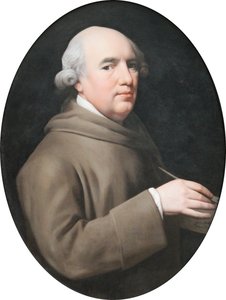
George Stubbs
1724 - 1806 , Združeno kraljestvo
Hitri podatki
- Datum Rojstva: 25. avgust 1724
- Datum Smrti: 10. julij 1806
- Državljanstvo: Britanec
- Kasnejši Vpliv: ['Joshua Reynolds']
- Kraj Rojstva: Liverpool, Združeno kraljestvo
- Polno Ime: George Stubbs
- Pomembna Dela:
- Whistlejacket
- Lev in konj
- Umetniški Smer: Romantizem, Konjska umetnost
- Vplivi: ['Hamlet Winstanley']
Sorodni članki

Georges Seurat: 25 Mojstrovin Pionirja Pointilizma za Vaš Dom | OriginalUniqueArt
Odkrijte 25 mojstrovin Georgesa Seurata, pionirja pointilizma! Preučite zgodbe za ikoničnimi slikami, kot sta 'Nedeljski dan na otoku La Grande Jatte' in 'Kopalci v Asnières'. Kvalitetne reprodukcije za vaš dom – OriginalUniqueArt.com.

Georges Braque: 25 Mojstrovinskih Del za Navdih v Vašem Domu | OriginalUniqueArt
Odkrijte 25 mojstrovinskih del Georgesa Braqueja – pionirja kubizma! Preberite zgodbe za vsako sliko, tehnike in navdih. Reprodukcije slik visoke kakovosti za vaš dom na OriginalUniqueArt.com.
George Stubbs: Anatomical Precision & Romantic Vision in 18th-Century British Art
Explore the captivating world of George Stubbs, the 18th-century master renowned for his anatomical precision & Romantic animal paintings. Discover his legacy and investment potential.

The Equine Muse: A Historical & Artistic Exploration of Horses in Painting
Explore the captivating history of horses in painting! Discover Renaissance masterpieces, Baroque grandeur & expert insights for collecting equestrian art. Learn about symbolism, techniques & lasting value with OriginalUniqueArt.
The Noble Steed: A Historical and Artistic Exploration of Horses in Fine Art
Explore the rich history of horses in fine art! From ancient depictions to Renaissance masterpieces & beyond, discover iconic artworks and artists. Learn about symbolism, techniques, and find museum-quality reproductions at OriginalUniqueArt.


