Velikost besedila

() ·

Slika, izdelana ročno posebej zanj

Sir John Sibbald

Ročno izdelana oljna reprodukcija

Ročno slikano olje na platnu v vaši izbiri velikosti in okvirja, izdelano po naročilu naših umetnikov. ( Preklop na tiskanine Preklop na digitalno sliko)

Opis zbirateljskega predmeta

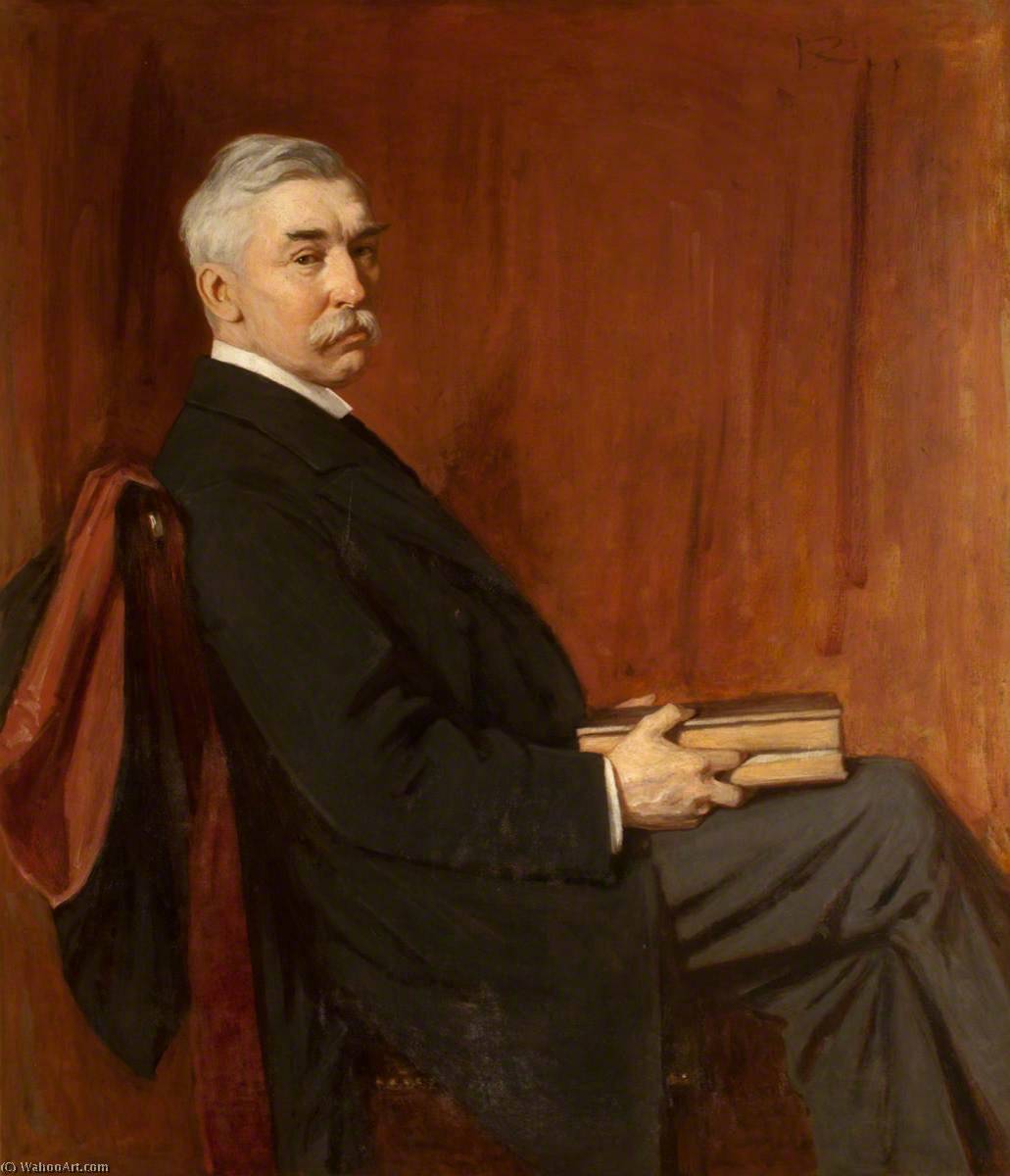
Admire George Agnew Reid's masterful portrait of Sir John Sibbald, capturing the scholar’s dignified gaze and contemplative expression against a subtle crimson backdrop. Explore Canadian art history.

Biografija umetnika

George Agnew Reid (1860-1947): Znani kanadski žanrni mojster, muralist in umetnostni pedagog. Njegove čudovite slike iz življenja Ontarioja oblikovali nacionalno umetniško identiteto!

od ·

Poglavje 1

Katere velikosti naj bi bila?

Drleč po drslenici spremenite velikost; slika na levi strani prikazuje okvir v njegovi dejanski širini. Razmerja originala so ohranjena.

Standardna velikost
po meri
CM
INCH

Izberite eno od naših vnaprej določenih velikosti, ki ustrezajo prvotnim proporcijam umetničkega dela.

širina
višina

Vnesite širino in višino, ki jih potrebujete, da se slika prilega vašemu okviru ali steni. Ker je delo ročno slikano, lahko umetnik pri različnih oblikih slik pri robovih doda malo več barve ali pa jih malo odreže — izberite sami. Pred začetkom slikanja vam pošljemo digitalni predogled za potrditev. Slika, prikazana na tej strani, ni končni rezultat — le predogled prikazuje dejansko podobo.

Poglavje 2

Na kakšen način naj bo dostavljeno?

Izberite robove platna

Izberite svoj okvir

Corner sample of the WhiteWrap canvas edge finish, stretched on masivno drevo bars
Beli rob €1
Corner sample of the BlurSideWrap canvas edge finish, stretched on masivno drevo bars
zamegljen rob €1
Corner sample of the ExtendedWrap canvas edge finish, stretched on masivno drevo bars
Razširjen rob €1
Corner sample of the P118B picture frame: izoblit polistiren, 5 cm wide and 3 cm thick
P118B €10
Corner sample of the P118H picture frame: izoblit polistiren, 5 cm wide and 3 cm thick
P118H €10
Corner sample of the P118W picture frame: izoblit polistiren, 5 cm wide and 3 cm thick
P118W €10
Corner sample of the P438Z picture frame: izoblit polistiren, 5.5 cm wide and 3.5 cm thick
P438Z €10
Corner sample of the P508JH picture frame: izoblit polistiren, 7 cm wide and 3.5 cm thick
P508JH €12
Corner sample of the P508YH picture frame: izoblit polistiren, 7 cm wide and 3.5 cm thick
P508YH €12
Corner sample of the P805H picture frame: izoblit polistiren, 5 cm wide and 3.5 cm thick
P805H €10
Corner sample of the P805Z picture frame: izoblit polistiren, 5 cm wide and 3.5 cm thick
P805Z €10
Corner sample of the P919BZ picture frame: izoblit polistiren, 7 cm wide and 3.5 cm thick
P919BZ €10
Corner sample of the P919G picture frame: izoblit polistiren, 7 cm wide and 3.5 cm thick
P919G €10
Corner sample of the P919XJ picture frame: izoblit polistiren, 7 cm wide and 3.5 cm thick
P919XJ €10
Corner sample of the P959ZH picture frame: izoblit polistiren, 5 cm wide and 3 cm thick
P959ZH €10
Corner sample of the P968JZ picture frame: izoblit polistiren, 6 cm wide and 4 cm thick
P968JZ €12
Corner sample of the W106C picture frame: masivno drevo, 5 cm wide and 3 cm thick
W106C €8
Corner sample of the W218G picture frame: masivno drevo, 5 cm wide and 3 cm thick
W218G €10
Corner sample of the W218JH picture frame: masivno drevo, 5 cm wide and 3 cm thick
W218JH €8
Corner sample of the W218Y picture frame: masivno drevo, 5 cm wide and 3 cm thick
W218Y €10
Corner sample of the W307PJ picture frame: masivno drevo, 6 cm wide and 3 cm thick
W307PJ €10
Corner sample of the W316G picture frame: masivno drevo, 6 cm wide and 3 cm thick
W316G €10
Corner sample of the W316PJ picture frame: masivno drevo, 6 cm wide and 3 cm thick
W316PJ €8
Corner sample of the W316Y picture frame: masivno drevo, 6 cm wide and 3 cm thick
W316Y €10
Corner sample of the W398PJ picture frame: masivno drevo, 5 cm wide and 3 cm thick
W398PJ €8
Corner sample of the W4111J picture frame: masivno drevo, 6.5 cm wide and 3.5 cm thick
W4111J €10
Corner sample of the W500HY picture frame: masivno drevo, 7 cm wide and 5 cm thick
W500HY €15
Corner sample of the W500JH picture frame: masivno drevo, 7 cm wide and 5 cm thick
W500JH €15
Corner sample of the W692G picture frame: masivno drevo, 8 cm wide and 4 cm thick
W692G €12
Corner sample of the W849H picture frame: masivno drevo, 5 cm wide and 3 cm thick
W849H €8
Corner sample of the W940BG picture frame: masivno drevo, 7.5 cm wide and 4.5 cm thick
W940BG €15
Corner sample of the W953PJ picture frame: masivno drevo, 6 cm wide and 3.5 cm thick
W953PJ €8
Corner sample of the H24-GOLD picture frame: gravirano leseno okvopje z gessoem, 10 cm wide and 6 cm thick
H24-GOLD €30
Corner sample of the H24-SILVER picture frame: gravirano leseno okvopje z gessoem, 10 cm wide and 6 cm thick
H24-SILVER €30
Corner sample of the H36-GOLD picture frame: gravirano leseno okvopje z gessoem, 15 cm wide and 6.5 cm thick
H36-GOLD €45
Corner sample of the H36-SILVER picture frame: gravirano leseno okvopje z gessoem, 15 cm wide and 6.5 cm thick
H36-SILVER €45
Predogled okvirja
V okviru

Okvirni rob: . Celotna velikost z okvirjem: .

Poglavje 3

Kdo to slika in ali bi se moralo kaj spremeniti?

Primeri sprememb, ki jih je mogoče izvesti: zamenjava obraza s fotografijo stranke; dodajanje hišnega ljubljenčka (npr. zamenjava mačke s psom); vključitev skritega sporočila v ozadje; sprememba krajine ali elementov v ozadju.
Po oddaji naročila bo ekipa OriginalUniqueArt.com stranki po e-pošti poslala navodila in zagotovila predogled makete

Mednarodna dostava () v 3/4 tednih namesto običajnih 5 tednov. (4 november). Brez kompromisov pri kakovosti.

Poglavje 4

Zadnji dotiki

Zvešča, kot v muzeju?

Podrobnosti o gravirani bronasti plošči

This elegant plaque features the artist's name and the title of the artwork, finely engraved for a timeless presentation.

It is made from bronze with a refined, elegant finish. The text is precisely laser-engraved for a sharp and permanent result. Measuring 9x2 cm, the plaque is compact yet easy to read. It's built to be durable and scratch-resistant, offering a professional, museum-quality look. Mounting is simple thanks to the included adhesive backing.

Podrobnosti o transparentni akrilni plošči

The plaque includes essential engraved details such as the artist's name, the title of the artwork, the date it was created, the type of media used-like oil on canvas or watercolor-a brief description of the piece, and a QR code that links to the complete artwork information.

It is crafted from clear acrylic, offering a sleek, modern appearance. The text is UV-engraved in black to ensure strong visual contrast. With a size of 10x15 cm, it ensures optimal readability. It comes equipped with two metal hooks for secure wall mounting. The plaque is designed to be weather-resistant, making it suitable for various environments, and it includes interactive features that work seamlessly with smartphone scanning.

Podrobnosti o črni akrilni plošči

This elegant plaque includes engraved information such as the artist's name, the title of the artwork, the date it was created, the type of media used (like oil on canvas or watercolor), a short description of the artwork, and a QR code for quick access to more information.

The plaque itself is made from refined black acrylic with a premium finish. The text is laser-engraved in white for high contrast and readability. Its size is 10x15 cm, designed to be easy to read. It comes with two metal hooks for professional mounting. The design is sleek and fits any interior style. It is also weather-resistant and durable, with built-in digital integration for mobile compatibility.

Zaščitni lak?

Kdaj jo potrebujete?

Poglavje 5

Vaša slika, natako kot ste jo naročili

Sir John Sibbald

Tehnik reprodukcije

Velikost reprodukcije

-

Izbor vrhunskih umetnikov

Več podrobnosti, dovršenosti in dodatnega časa za izdelavo

-

Okvir za reprodukcijo

-

-

Za umetniška dela ali reprodukcije, ki so po katerikoli strani širše od 105 cm (približno 41 palč), bo okvir poslan v razstavljeni obliki kot komplet. Ta metoda zagotavlja varno dostavo in preprečuje poškodbe med transportom.

Potrebna je profesionalna montaža – to ni izdelek za DIY izdelavo.
Komplet mora sestaviti in platno napeti izkušen profesionalni okvirjest, pri čemer bo uporabil lepil za les (ni vključeno), klešče za napetje platna in spone, da bi ohranil pravokotnost letev med sušenjem lepila. Nepravilna montaža ali neenakomerna napetost platna lahko trajno poškoduje umetniško del in ni pokrita z našo garancijo.

  • Vključene so vse letve iz masivnega lesa, natančno izrezane po meri.

  • Montaža poteka s priloženimi vijaki, vendar je za kotiče potrebna lepil za les, ki ga ni v kompletu in ga mora zagotoviti vaš okvirnik.

  • Za uporabo so potrebna profesionalna orodja, ki niso vključena: klešče za napinjanje platna (napetnik) in sponke za ohranjanje pravokotnosti letev med sušenjem lepila.

Pomembno:
Za stike v kotih potrebujete lepil za les, nosilce je treba z spenjačami držati, dokler se lepil popolnoma ne suši, za zategovanje platna na sestavljenem okvirju pa potrebujete spenjače za platno. Noben od teh pripomočkov ni vključen v komplet. Pred naročilom te velikosti, prosimo, poskrbite za izkušenega profesionalnega okvirja.

Značka z imenom

-

-

Zaščitni lak

Sijajni lak (poudarja barve ter zagotavlja zaščito pred svetlobo in vlago)

-

Prilagodi svoje umetniško delo

Primeri možnih prilagoditev: zamenjava obraza s fotografijo kupca; dodajanje hišnega ljubljenčka (npr. zamenjava mačke s psom); vključitev skritega sporočila v ozadje; sprememba krajšave ali elementov ozadja.

-

Hitra dostava

Mednarodna dostava () v 3/4 tednih namesto običajnih 5 tednov. (4 november). Brez kompromisov pri kakovosti.

-

Hitra dostava

Globalna dostava () v 5 tednih. (11 november).

Vključeno v ceno

Skupna cena

€ 267

Skupna cena € 267

Možnost stekla je na voljo le za velikosti pod 110 cm

Vključeno v vsako naročilo

  • Brezplačna ekspresna dostava po vsem svetu
  • Visokokakovostno laneno platno
  • Popolno zavarovanje pošiljke
  • Garancija povračila carine in uvoznih davkov
  • Garancija popolnega barvnega ujemanja
  • 100-dnevna politika vračil (le v primeru okvar)
  • Garancija 100% povračila denarja
  • Popust pri večjem naročilu

A Portrait of Dignity: The Soul of Sir John Sibbald

In the quiet, commanding presence of George Agnew Reid’s Sir John Sibbald, one finds more than just a mere likeness of a man; one encounters a profound meditation on character and intellectual legacy. Completed around 1893, this masterful oil on canvas serves as a window into the Victorian era's reverence for authority, wisdom, and moral fortitude. The subject, Sir John Sibbald—a distinguished physician and Fellow of the Royal College of Physicians of Edinburgh—is captured not in a moment of action, but in a state of contemplative repose. As he sits before a subtle, deep red backdrop, his very posture radiates a sense of settled importance, inviting the viewer to pause and reflect upon the weight of a life dedicated to science and service.

Reid, an artist whose roots were planted in the pastoral landscapes of Ontario but whose hands were trained in the rigorous academic traditions of Philadelphia, brings a unique duality to this work. There is a palpable tension between the meticulous, almost scientific precision of his realism and a soft, atmospheric warmth that breathes life into the canvas. The way the light catches the silvered strands of Sibbald’s beard and the gentle furrow of his brow suggests an intimacy that transcends the formal boundaries of traditional portraiture. For the collector or the lover of fine art, this piece offers a rare opportunity to possess a fragment of Canadian artistic heritage, rendered with a sensitivity that makes the subject feel both monumental and deeply human.

Mastery of Light and Texture

The technical brilliance of Sir John Sibbald lies in Reid’s sophisticated use of glazing and tonal variation. To gaze upon the painting is to witness a masterclass in the art of realism. The artist employed thin, translucent layers of oil paint—a technique known as glazing—to build up a luminous depth that seems to glow from within. This method allows light to penetrate the surface, illuminating the subtle textures of Sibbald’s dark formal suit and the crisp, stark white of his shirt. Such attention to detail creates a breathtaking illusion of three-dimensionality, making the fabric appear heavy and tactile, as if one could reach out and feel the weave of the cloth.

Beyond the physical textures, Reid utilizes light to direct the emotional narrative of the piece. The soft gradient of the background, transitioning from deep shadows to a warmer, muted crimson, focuses all attention upon the subject's face and hands. This careful manipulation of chiaroscuro—the contrast between light and dark—imbues the portrait with a sense of drama and solemnity. For interior designers seeking to anchor a room with a piece of commanding presence, the painting’s balanced composition and rich, tonal palette provide an unparalleled sense of sophistication and timelessness.

Symbolism and the Legacy of Knowledge

Every element within this portrait has been carefully curated by Reid to communicate the essence of his subject. The inclusion of a book held firmly yet naturally in Sibbald’s hands is far from incidental; it serves as a powerful symbol of scholarship, erudition, and the pursuit of truth. In an age where professional identity was inextricably linked to one's intellectual contributions, the book acts as a silent testament to the physician's devotion to the medical arts. This symbolic layer elevates the painting from a simple biographical record to a tribute to the enduring power of human knowledge.

The overall emotional impact of the work is one of profound stability and grace. In an ever-changing world, there is a deep, aesthetic comfort in encountering such a steadfast representation of character. Whether displayed in a private study, a grand library, or a curated gallery space, Sir John Sibbald acts as a focal point of quiet strength. It is a piece that does not merely decorate a wall; it enriches the atmosphere of a home, offering a continuous dialogue between the historical dignity of the past and the refined elegance of the present.

Vprašanja in odgovori

Kdo je ustvaril "Sir John Sibbald" in v kakšnem slogu je izvedeno?

"Sir John Sibbald" je ustvaril Željko Romny v slogu Contemporary Realism. Umetnik in umetniška smer opredeljata tradicijo dela.

Pod kakšnimi drugimi imeni je znan/a Željko Romny?

Drugi imeni, ki so zabeležena za ustvarjalca dela "Sir John Sibbald", imenovanega Željko Romny, vključujejo George Agnew Reid.

い哪種媒介是用來創作 "Sir John Sibbald" avtorja Željko Romny 的?

Tehnika za delo "Sir John Sibbald" avtorja Željko Romny je Oil On Canvas. Različice imajo za namen natančno prikazati videz te tehnike.

Več o tej sliki

Predogled v realnem okolju Predogled v AR Preklop na tiskanine Preklop na digitalno sliko Pošlji
Podrobnosti o delu Priročnik Dodaj v priljubljene Prenesi sliko Podobni izdelki Rentgenski posnetek Predvajaj diaporama Vprašanja in odgovori Statistika

V številkah

  • 29izbira okvirjev
  • standardne velikosti, v svojih lastnih proporcijah
  • 5teden dni za slikanje in dostavo
Željko Romny

Željko Romny

1860 - 1947, Kanada

Kratek pregled o Željko Romny

  • Artistic Movement Or Style: Genre painting, Realism
  • Artists Or Movements Influenced By This Artist: ['Scottish School of Common Sense']
  • Artists Who Influenced This Artist: ['Thomas Eakins']
  • Date Of Birth: July 25, 1860
  • Date Of Death: August 23, 1947
  • Full Name: George Agnew Reid
  • Nationality: Canadian
  • Notable Artworks:
    • Spynie Castle and Loch
    • Mrs Alexander Hay Moncur
  • Place Of Birth: Wingham, Canada

Biografija umetnika

George Agnew Reid (1860–1947): Explore the Work of This Pivotal Canadian Genre Painter, Muralist & Educator

George Agnew Reid emerged from the fertile landscapes of rural Canada West, born in 1860 in Wingham, Ontario, a place that would indelibly shape his artistic vision. His beginnings were steeped not in formal training but in the rhythms of farm life—a setting he’d later revisit with poignant detail and emotional depth in his paintings. Though initially hesitant about his son's aspirations, Reid’s father eventually recognized and supported his burgeoning talent, allowing him to pursue studies at the Central Ontario School of Art in Toronto in 1879 under the tutelage of Robert Harris. This foundational period instilled a respect for established techniques and representational art, yet it also ignited within Reid a desire to explore beyond imitation. He sought further refinement at Philadelphia’s Pennsylvania Academy of the Fine Arts from 1882 to 1885, where he fell under the powerful influence of Thomas Eakins—a master of realism and anatomical accuracy whose dedication to truthful representation would remain a guiding principle throughout Reid's career. Equally significant during this time was his meeting and subsequent marriage to Mary Hiester Reid, herself a gifted artist; their union forged a lifelong artistic partnership built on mutual respect and creative exchange. Reid’s artistic journey continued across the Atlantic, immersing himself in the vibrant art scenes of Paris at the Académies Julian and Colarossi, and undertaking focused study at the Prado Museum in Madrid between 1888-1889, broadening his understanding of European masters and enriching his stylistic vocabulary.

Early Life and Artistic Foundations

George Agnew Reid was born in Wingham, Ontario, Canada West, on July 25, 1860. His father, John Reid, was a farmer, providing him with an early exposure to the rural landscape that would become a recurring motif in his paintings. Despite initial reservations about his son’s artistic ambitions—Reid's father recognized and supported Reid’s talent—allowing him to pursue studies at the Central Ontario School of Art in Toronto in 1879 under Robert Harris—this foundational period instilled a respect for established techniques and representational art, yet it also ignited within Reid a desire to explore beyond imitation. He sought further refinement at Philadelphia’s Pennsylvania Academy of the Fine Arts from 1882 to 1885, where he fell under the powerful influence of Thomas Eakins—a master of realism and anatomical accuracy whose dedication to truthful representation would remain a guiding principle throughout Reid's career. Equally significant during this time was his meeting and subsequent marriage to Mary Hiester Reid, herself a gifted artist; their union forged a lifelong artistic partnership built on mutual respect and creative exchange. Reid’s father instilled in him a deep appreciation for observation and detail—skills honed through daily life on the farm—which would inform his meticulous approach to painting.

Influences and Artistic Development

Reid's artistic development was profoundly shaped by several key influences, most notably Thomas Eakins, whose unwavering commitment to realism served as a cornerstone of Reid’s stylistic vision. Eakins championed anatomical accuracy and truthful depiction—principles that Reid embraced wholeheartedly during his time at Philadelphia’s Pennsylvania Academy of the Fine Arts. Furthermore, Reid's exposure to Impressionism in Paris broadened his artistic horizons, introducing him to techniques of light and color that subtly infused his canvases with atmosphere and emotion. He absorbed lessons from masters like Jean-Joseph Benjamin-Constant, recognizing the importance of stylistic experimentation while maintaining a steadfast dedication to realism. Reid’s artistic journey was marked by constant refinement—a pursuit of excellence driven by an unwavering belief in the transformative power of art. His meticulous attention to detail—characteristic of both his academic training and his later work—reflected a profound understanding of visual perception and representation.

A Blossoming Style: Genre Painting and Narrative Depth

Upon returning to Canada, Reid decisively shifted his artistic focus from portraiture towards genre painting—a style that allowed him to explore the narratives embedded within everyday life. This wasn’t merely a change in subject matter; it represented a deepening of his artistic intent. Reid sought to capture not just appearances but also emotions—translating human experience onto canvas with remarkable sensitivity and psychological insight. He skillfully blended the precision he had absorbed during his Parisian academic training with subtle Impressionistic touches—a delicate interplay of light and atmosphere that imbued his canvases with realism and emotional resonance. His paintings became windows into the lives of ordinary Canadians, particularly those in rural Ontario, offering glimpses into their joys, struggles, and enduring spirit. Reid’s masterful compositions—characterized by balanced perspectives and carefully considered lighting—created works that commanded attention while conveying profound meaning. He wasn't simply recording scenes; he was interpreting them, imbuing them with a psychological depth that resonated deeply with viewers.

Notable Works

  • Spynie Castle and Loch, Moray (1866): A captivating Scottish landscape painting showcasing dramatic light and detail.
  • Mrs Alexander Hay Moncur (1887): A stunning Victorian portrait exhibiting rich detail and luxurious elegance.
  • John Ritchie Findlay of Aberlour (1899): An academic realist portrait capturing wisdom and experience.
  • The Foreclosure of the Mortgage (1893): A poignant depiction of rural hardship, considered a landmark achievement in Canadian art.

Legacy and Lasting Influence

George Agnew Reid’s legacy extends far beyond his individual paintings; he was a catalyst for change within the Canadian art world, fostering a distinctly national artistic identity while simultaneously embracing international influences. His mentor, Thomas Eakins, instilled in him a commitment to realism and anatomical accuracy—principles that Reid embraced wholeheartedly during his time at Philadelphia’s Pennsylvania Academy of the Fine Arts. Furthermore, Reid's exposure to Impressionism in Paris broadened his artistic horizons, introducing him to techniques of light and color that subtly infused his canvases with atmosphere and emotion. He played a crucial role in establishing a visual language that reflected the Canadian experience—depicting Ontario landscapes and rural life with both sensitivity and authenticity. As an educator and administrator, Reid nurtured generations of Canadian artists, shaping the future of art education within the country. His artworks continue to be held in esteemed public and private collections across Canada, including the Art Gallery of Ontario and the National Gallery of Canada—a testament to their enduring artistic merit and historical significance. He died August 23, 1947, leaving behind a body of work that continues to captivate and inspire, solidifying his place as one of Canada’s most important and influential artists. His ability to combine academic rigor with emotional depth created works that resonated with viewers on a profound level, reflecting the social realities of his time and offering enduring insights into the human condition.

Ključni podatki

  • Notable elements or techniques: Detailed portraiture; Anatomical accuracy
  • Medium: Oil on Canvas
  • Title: Sir John Sibbald
  • Location: Royal College of Physicians of Edinburgh
  • Dimensions: 122 x 107 cm

Umetniški kviz

Pri vsakem vprašanju je na voljo le eden pravilen odgovor.

Vprašanje 1:
What artistic style is predominantly used in Sir John Sibbald?
Vprašanje 2:
The artist George Agnew Reid studied at which prestigious art institution?
Vprašanje 3:
What prominent artist influenced George Agnew Reid's artistic approach?
Vprašanje 4:
The painting depicts Sir John Sibbald seated against what backdrop?
Vprašanje 5:
What symbolic element is present in the portrait, suggesting Sir John Sibbald's intellectual pursuits?




































