
 Predogled
 Pošlji
 Deli
Deli
 Podrobnosti o delu

 Prenesi
 Podobni izdelki
 Rentgenski posnetek
 Predvajaj diaporama
 Statistika
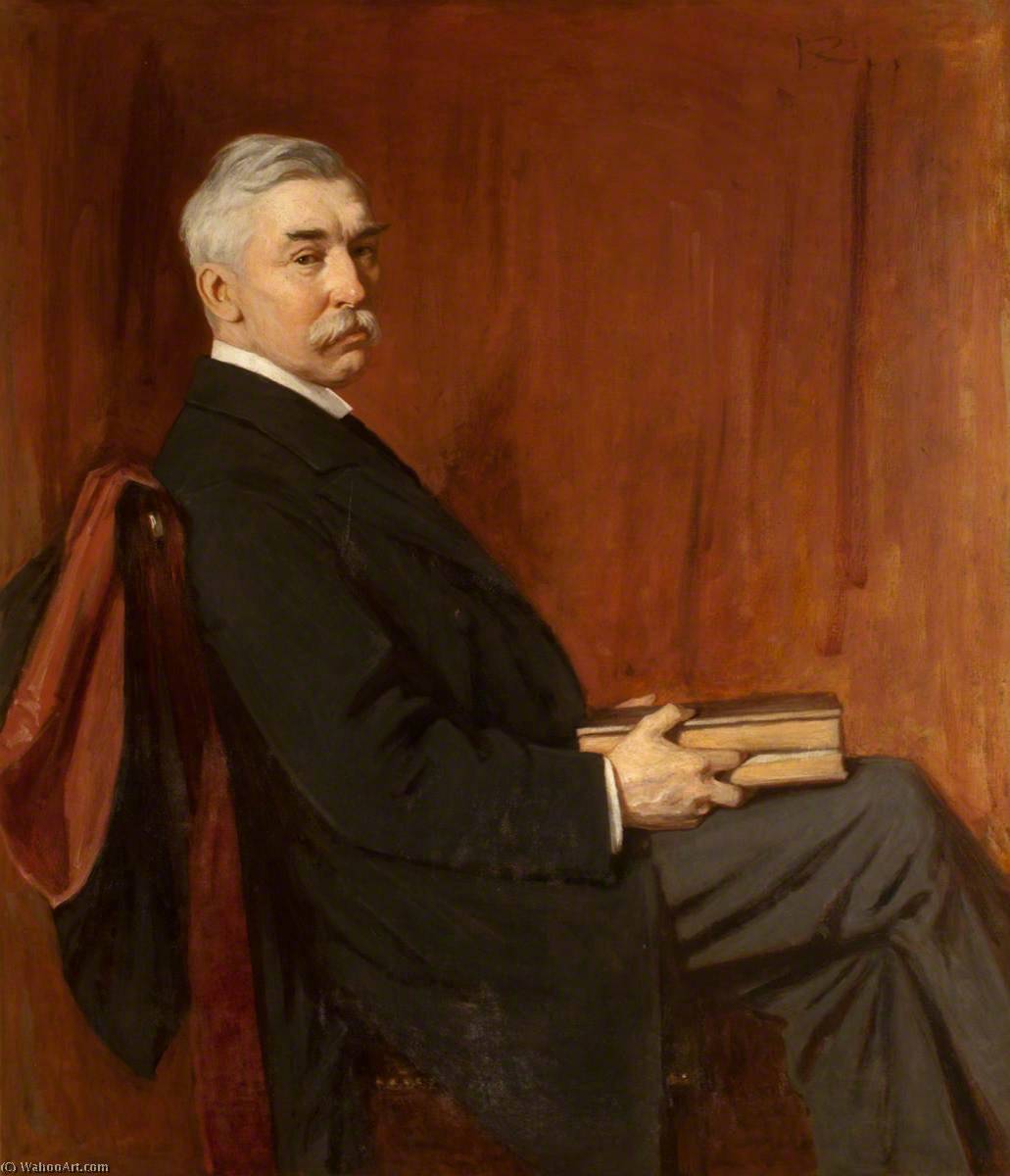
Sir John Sibbald
 Acrylic On Canvas
- WallArt
- Contemporary Realism
 122.0 x 107.0 cm
 Royal College of Physicians of Edinburgh
 Razviljaj več
Ročno izdelana oljna reprodukcija
Ročno slikano olje na platnu v vaši izbiri velikosti in okvirja, izdelano po naročilu naših umetnikov. ( Preklop na tiskanine Preklop na digitalno sliko)




P118B $10

P118H $10

P118W $10

P438Z $10

P508JH $12

P508YH $12

P805H $10

P805Z $10

P919BZ $10

P919G $10

P919XJ $10

P959ZH $10

P968JZ $12

W106C $8

W218G $10

W218JH $8

W218Y $10

W307PJ $10

W316G $10

W316PJ $8

W316Y $10

W398PJ $8

W4111J $10

W500HY $15

W500JH $15

W692G $12

W849H $8

W940BG $15

W953PJ $8




Izberite eno od naših vnaprej določenih velikosti, ki ustrezajo prvotnim proporcijam umetničkega dela.

Svoje dimenzije lahko vnesete tako, da se prilagodite določenemu okvirju ali prostoru. Če izbrana velikost ne ustreza razmerjem originalne slike, bomo umetniško delo obrezali ali sliko dopolnili z dodatnimi ročno naslikanimi elementi. Pred začetkom proizvodnje vam bo poslan digitalni osnutek v odobritev.
Upoštevajte, da predogled na zaslonu ne odraža dejanskega obrezovanja ali podaljšanja. Le osnutek bo natančno prikazal končno kompozicijo.
Čeprav so na voljo velikosti po meri, priporočamo izbiro dimenzije s preddefiniranega seznama, da ohranimo originalne razmere.
Po oddaji naročila bo ekipa OriginalUniqueArt.com stranki po e-pošti poslala navodila in predogled digitalnega predogleda.
Svetska dostava () za 3/4 nedelje umesto uobičajenih 5 nedelja. (12 september). Bez kompromisa po pitanju kvaliteta.

Brezplačna ekspresna dostava po vsem svetu

Visokokakovostno laneno platno

Popolno zavarovanje pošiljke

Garancija povračila carine in uvoznih davkov

Garancija popolnega ujemanja barv

Politika vračilo v 100 dneh (le v primeru okvar)

Garancija 100% povračila denarja

Popust pri večjem naročilu
 Možnost stekla je na voljo le za velikosti pod 110 cm

Sir John Sibbald
Tehnika reprodukcije
Velikost reprodukcije
-


Skupna končna cena
$ 300
A Portrait Steeped in Dignity: Exploring George Agnew Reid’s Sir John Sibbald
The painting “Sir John Sibbald” by George Agnew Reid, completed circa 1893, stands as a testament to the artist's mastery of realism and his ability to imbue portraiture with profound emotional resonance. Executed in oil on canvas, this artwork resides within the Royal College of Physicians of Edinburgh’s collection—a fact that speaks volumes about its significance within Canadian artistic heritage. Reid, born in 1860 in Wingham, Ontario, possessed an uncommon upbringing for an artist of his stature; he honed his craft amidst the pastoral beauty of rural Canada West before embarking on formal studies at Toronto's Central Ontario School of Art and subsequently pursuing advanced training at Philadelphia’s Pennsylvania Academy of the Fine Arts. This dual influence—the grounding of practical observation combined with academic rigor—shaped Reid’s artistic sensibilities, resulting in a distinctive style characterized by meticulous detail and an unwavering commitment to capturing the essence of his subjects.- Subject Matter: The portrait depicts Sir John Sibbald, a prominent physician and Fellow of the Royal College of Physicians of Edinburgh. Sibbald's professional accomplishments underscore Reid’s intention to portray not merely physical appearance but also intellectual stature and moral character—a hallmark of Victorian artistic ideals.
- Style & Technique: Reid’s approach aligns squarely with the tenets of realism, championed by luminaries like Thomas Eakins. He meticulously rendered Sibbald's anatomy with painstaking accuracy, utilizing subtle shading and tonal variations to convey depth and texture. The artist skillfully employed glazing techniques—applying thin layers of translucent paint over underlying colors—to achieve luminosity and atmospheric perspective, creating a captivating illusion of three-dimensionality.
- Historical Context: Created during the Victorian era (1837-1901), “Sir John Sibbald” reflects the prevailing artistic preoccupation with portraying individuals of distinction—scholars, statesmen, and physicians—as emblems of virtue and intellect. The portrait exemplifies the Victorian ideal of gentlemanly scholarship, aligning with broader cultural trends emphasizing moral responsibility and intellectual enlightenment.
- Symbolism: Reid’s inclusion of Sibbald holding a book is laden with symbolic significance. Books represent knowledge, wisdom, and erudition—values highly esteemed during the Victorian period and consistently upheld by Reid's artistic vision. It underscores Sibbald’s role as a healer and intellectual leader.
Biografija umetnika
George Agnew Reid (1860–1947): Explore the Work of This Pivotal Canadian Genre Painter, Muralist & Educator
George Agnew Reid emerged from the fertile landscapes of rural Canada West, born in 1860 in Wingham, Ontario, a place that would indelibly shape his artistic vision. His beginnings were steeped not in formal training but in the rhythms of farm life—a setting he’d later revisit with poignant detail and emotional depth in his paintings. Though initially hesitant about his son's aspirations, Reid’s father eventually recognized and supported his burgeoning talent, allowing him to pursue studies at the Central Ontario School of Art in Toronto in 1879 under the tutelage of Robert Harris. This foundational period instilled a respect for established techniques and representational art, yet it also ignited within Reid a desire to explore beyond imitation. He sought further refinement at Philadelphia’s Pennsylvania Academy of the Fine Arts from 1882 to 1885, where he fell under the powerful influence of Thomas Eakins—a master of realism and anatomical accuracy whose dedication to truthful representation would remain a guiding principle throughout Reid's career. Equally significant during this time was his meeting and subsequent marriage to Mary Hiester Reid, herself a gifted artist; their union forged a lifelong artistic partnership built on mutual respect and creative exchange. Reid’s artistic journey continued across the Atlantic, immersing himself in the vibrant art scenes of Paris at the Académies Julian and Colarossi, and undertaking focused study at the Prado Museum in Madrid between 1888-1889, broadening his understanding of European masters and enriching his stylistic vocabulary.Early Life and Artistic Foundations
George Agnew Reid was born in Wingham, Ontario, Canada West, on July 25, 1860. His father, John Reid, was a farmer, providing him with an early exposure to the rural landscape that would become a recurring motif in his paintings. Despite initial reservations about his son’s artistic ambitions—Reid's father recognized and supported Reid’s talent—allowing him to pursue studies at the Central Ontario School of Art in Toronto in 1879 under Robert Harris—this foundational period instilled a respect for established techniques and representational art, yet it also ignited within Reid a desire to explore beyond imitation. He sought further refinement at Philadelphia’s Pennsylvania Academy of the Fine Arts from 1882 to 1885, where he fell under the powerful influence of Thomas Eakins—a master of realism and anatomical accuracy whose dedication to truthful representation would remain a guiding principle throughout Reid's career. Equally significant during this time was his meeting and subsequent marriage to Mary Hiester Reid, herself a gifted artist; their union forged a lifelong artistic partnership built on mutual respect and creative exchange. Reid’s father instilled in him a deep appreciation for observation and detail—skills honed through daily life on the farm—which would inform his meticulous approach to painting.Influences and Artistic Development
Reid's artistic development was profoundly shaped by several key influences, most notably Thomas Eakins, whose unwavering commitment to realism served as a cornerstone of Reid’s stylistic vision. Eakins championed anatomical accuracy and truthful depiction—principles that Reid embraced wholeheartedly during his time at Philadelphia’s Pennsylvania Academy of the Fine Arts. Furthermore, Reid's exposure to Impressionism in Paris broadened his artistic horizons, introducing him to techniques of light and color that subtly infused his canvases with atmosphere and emotion. He absorbed lessons from masters like Jean-Joseph Benjamin-Constant, recognizing the importance of stylistic experimentation while maintaining a steadfast dedication to realism. Reid’s artistic journey was marked by constant refinement—a pursuit of excellence driven by an unwavering belief in the transformative power of art. His meticulous attention to detail—characteristic of both his academic training and his later work—reflected a profound understanding of visual perception and representation.A Blossoming Style: Genre Painting and Narrative Depth
Upon returning to Canada, Reid decisively shifted his artistic focus from portraiture towards genre painting—a style that allowed him to explore the narratives embedded within everyday life. This wasn’t merely a change in subject matter; it represented a deepening of his artistic intent. Reid sought to capture not just appearances but also emotions—translating human experience onto canvas with remarkable sensitivity and psychological insight. He skillfully blended the precision he had absorbed during his Parisian academic training with subtle Impressionistic touches—a delicate interplay of light and atmosphere that imbued his canvases with realism and emotional resonance. His paintings became windows into the lives of ordinary Canadians, particularly those in rural Ontario, offering glimpses into their joys, struggles, and enduring spirit. Reid’s masterful compositions—characterized by balanced perspectives and carefully considered lighting—created works that commanded attention while conveying profound meaning. He wasn't simply recording scenes; he was interpreting them, imbuing them with a psychological depth that resonated deeply with viewers.Notable Works
- Spynie Castle and Loch, Moray (1866): A captivating Scottish landscape painting showcasing dramatic light and detail.
- Mrs Alexander Hay Moncur (1887): A stunning Victorian portrait exhibiting rich detail and luxurious elegance.
- John Ritchie Findlay of Aberlour (1899): An academic realist portrait capturing wisdom and experience.
- The Foreclosure of the Mortgage (1893): A poignant depiction of rural hardship, considered a landmark achievement in Canadian art.
Legacy and Lasting Influence
George Agnew Reid’s legacy extends far beyond his individual paintings; he was a catalyst for change within the Canadian art world, fostering a distinctly national artistic identity while simultaneously embracing international influences. His mentor, Thomas Eakins, instilled in him a commitment to realism and anatomical accuracy—principles that Reid embraced wholeheartedly during his time at Philadelphia’s Pennsylvania Academy of the Fine Arts. Furthermore, Reid's exposure to Impressionism in Paris broadened his artistic horizons, introducing him to techniques of light and color that subtly infused his canvases with atmosphere and emotion. He played a crucial role in establishing a visual language that reflected the Canadian experience—depicting Ontario landscapes and rural life with both sensitivity and authenticity. As an educator and administrator, Reid nurtured generations of Canadian artists, shaping the future of art education within the country. His artworks continue to be held in esteemed public and private collections across Canada, including the Art Gallery of Ontario and the National Gallery of Canada—a testament to their enduring artistic merit and historical significance. He died August 23, 1947, leaving behind a body of work that continues to captivate and inspire, solidifying his place as one of Canada’s most important and influential artists. His ability to combine academic rigor with emotional depth created works that resonated with viewers on a profound level, reflecting the social realities of his time and offering enduring insights into the human condition.
Željko Romny
1860 - 1947 , Kanada
Hitri podatki
- Artistic Movement Or Style: Genre painting, Realism
- Artists Or Movements Influenced By This Artist: ['Scottish School of Common Sense']
- Artists Who Influenced This Artist: ['Thomas Eakins']
- Date Of Birth: July 25, 1860
- Date Of Death: August 23, 1947
- Full Name: George Agnew Reid
- Nationality: Canadian
- Notable Artworks:
- Spynie Castle and Loch
- Mrs Alexander Hay Moncur
- Place Of Birth: Wingham, Canada
Sorodni članki

George Agnew Reid: A Canadian Impressionist's Pursuit of Light, Colour, and National Identity
Explore the life & work of George Agnew Reid, a pivotal figure in Canadian Impressionism. Discover his genre paintings, mural commissions, and lasting influence on art education & national identity. A comprehensive guide for collectors & enthusiasts.

Georges Seurat: 25 Mojstrovin Pionirja Pointilizma za Vaš Dom | OriginalUniqueArt
Odkrijte 25 mojstrovin Georgesa Seurata, pionirja pointilizma! Preučite zgodbe za ikoničnimi slikami, kot sta 'Nedeljski dan na otoku La Grande Jatte' in 'Kopalci v Asnières'. Kvalitetne reprodukcije za vaš dom – OriginalUniqueArt.com.
Sir Joshua Reynolds' Masterpieces: 25 Portraits of Power & Refinement | OriginalUniqueArt
Explore 25 captivating portraits by Sir Joshua Reynolds, a master of British art. Discover stories behind his iconic paintings, elegant style & historical influence. Find museum-quality reproductions and elevate your home decor on OriginalUniqueArt.com.

John Singer Sargent's 25 Masterpieces: Portraits & Beyond | OriginalUniqueArt
Explore 25 iconic John Singer Sargent paintings – from dazzling portraits to Impressionist landscapes. Discover the stories behind Madame X, El Jaleo & more! Find museum-quality art reproductions and elevate your home decor with OriginalUniqueArt.com.

Georges Braque: 25 Mojstrovinskih Del za Navdih v Vašem Domu | OriginalUniqueArt
Odkrijte 25 mojstrovinskih del Georgesa Braqueja – pionirja kubizma! Preberite zgodbe za vsako sliko, tehnike in navdih. Reprodukcije slik visoke kakovosti za vaš dom na OriginalUniqueArt.com.