

 Preverite v realnem okolju
 Pošlji kot čestitko
 Deli
Deli
 Podrobnosti
 Priročnik

 Prenesi
 Podobni artefakti
 Rentgenski posnetek
 Predvajaj diaporama
 Statistika
Hoffmann and Wife
 Acrylic On Canvas
- WallArt
- German Expressionism
 17.0 x 25.0 cm
 Hammer Museum
 Preberi več
Giclée tisk / Umetniški tisk
Giclée ali platnati odtis muzejske kakovosti z hitro proizvodnjo in prilagodljivimi možnostmi končne obdelave. ( Naročite ročno slikano reprodukcijo Preklop na digitalno sliko)




P118B €10

P118H €10

P118W €10

P438Z €10

P508JH €12

P508YH €12

P805H €10

P805Z €10

P919BZ €10

P919G €10

P919XJ €10

P959ZH €10

P968JZ €12

W106C €8

W218G €10

W218JH €8

W218Y €10

W307PJ €10

W316G €10

W316PJ €8

W316Y €10

W398PJ €8

W4111J €10

W500HY €15

W500JH €15

W692G €12

W849H €8

W940BG €15

W953PJ €8




Izberite eno od naših vnaprej določenih velikosti, ki ustrezajo prvotnim proporcijam umetničkega dela.

Vnesite širino in višino, ki jih potrebujete za svoj okvir ali steno. Tiskanje se lahko le odreže, vendar ga ni mogoče narediti večjega od slike, zato format z drugačno obliko pomeni izgubo dela slike. Pred tiskanjem vam pošljemo digitalni predogled za potrditev. Slika, prikazana na tej strani, ne prikazuje dejanskega izrezkov — le predogled to omogoča.
Globalna dostava () v 2 tednih namesto standardnih 4/5 tednov. (26 oktober)

Brezplačna ekspresna dostava po vsem svetu

Visokokakovostno laneno platno

Popolno zavarovanje pošiljke

Garancija povračila carine in uvoznih davkov

Garancija popolnega barvnega ujemanja

Politika vračila v 100 dneh (le v primeru okvar)

Garancija 100% povračila denarja

Popust pri večjem naročilu
 Možnost stekla je na voljo le za velikosti pod 110 cm

Hoffmann and Wife
Giclée tisk / Umetniški tisk
Velikost reprodukcije
-


Skupna cena
€ 70
The Enigmatic Embrace: Unpacking Ernst Ludwig Kirchner’s “Hoffmann and Wife”
Ernst Ludwig Kirchner's "Hoffmann and Wife," painted in 1913, isn’t merely a depiction of a couple; it’s a carefully constructed tableau brimming with unspoken anxieties and the poignant beauty of shared solitude. The painting immediately draws the eye to the central figures – E.T.A. Hoffmann, the celebrated German Romantic author, and his wife, Pauline Luise Büsching-Hoffmann. They are seated close together in a modestly furnished room, their bodies almost merging within a hazy, amber light. Kirchner masterfully employs a muted palette of ochres, yellows, and greens – colors that evoke both warmth and a subtle sense of decay, mirroring the emotional complexities at play.
Kirchner’s style during this period is distinctly Expressionist, prioritizing subjective experience over objective representation. He abandons traditional perspective, flattening space and distorting forms to heighten the painting's emotional impact. The room itself feels claustrophobic, its details – a simple chair, a potted plant – rendered with an almost unsettling clarity. Notice how Kirchner uses thick, visible brushstrokes, particularly around the figures’ faces and hands, conveying a sense of urgency and vulnerability. This deliberate roughness contrasts sharply with the smooth, idealized forms often found in earlier portraiture, signaling a rejection of academic conventions and a commitment to expressing raw emotion.
A Portrait of Shared Melancholy
The painting’s power lies not just in its visual elements but also in the palpable sense of melancholy that permeates the scene. Hoffmann's gaze is averted, lost in thought, while his wife offers a gentle, almost sorrowful smile. Their proximity suggests intimacy, yet there’s an undeniable distance between them – a quiet acknowledgement of unspoken disappointments or unresolved tensions. The painting isn’t about romantic bliss; it’s about the shared experience of being human, grappling with the complexities of love and loss within the confines of domestic life.
Kirchner's choice to depict Hoffmann in this introspective pose is particularly significant. The author was known for his own struggles with mental illness and a deep-seated sense of isolation, themes that undoubtedly informed his artistic vision. "Hoffmann and Wife" can be interpreted as a self-portrait, reflecting the artist’s own anxieties about connection and the burden of creativity. The painting subtly suggests that even within the most intimate relationships, loneliness can persist – a poignant observation rendered with remarkable sensitivity.
Symbolism and the Weight of Narrative
Beyond the immediate depiction of the couple, “Hoffmann and Wife” is rich in symbolic resonance. The room itself represents the confines of domesticity, while the muted colors evoke a sense of twilight – a time of reflection and uncertainty. The potted plant, a recurring motif in Kirchner’s work, can be seen as a symbol of life and growth, yet its presence within the enclosed space also suggests a feeling of confinement. The painting's title directly references Hoffmann’s most famous literary creation, further layering the narrative with layers of allusion.
The painting’s historical context is equally important to consider. Created in 1913, just before the outbreak of World War I, “Hoffmann and Wife” reflects a broader sense of unease and disillusionment that characterized Europe at the time. The looming shadow of war cast a pall over society, contributing to a feeling of anxiety and uncertainty – emotions powerfully conveyed through Kirchner’s evocative imagery.
A Timeless Exploration of Human Connection
“Hoffmann and Wife” remains a profoundly moving work of art, offering a glimpse into the complexities of human relationships and the enduring power of melancholy. Kirchner's masterful use of color, composition, and brushwork creates an atmosphere of quiet intimacy, inviting viewers to contemplate the unspoken emotions that lie beneath the surface. It’s a painting that speaks to our shared experience of loneliness, longing, and the search for connection in a world often characterized by isolation – a timeless testament to the enduring power of art to capture the essence of the human condition.
Vprašanja in odgovori
Ali je "Hoffmann and Wife" avtorja Ernst Ludwig Kirchner med najbolj iskanimi umetniškimi deli v slogu German Expressionism?
V okviru gibanja German Expressionism ima "Hoffmann and Wife" Recognized stopnjo priljubljenosti.
Kako znano je delo "Hoffmann and Wife" avtorja Ernst Ludwig Kirchner?
"Hoffmann and Wife" avtorja Ernst Ludwig Kirchner ima Recognized stopnjo priljubljenosti. Ta razvrstitev odraža, kako široko je del prepoznano.
Kakšno stopnjo kontrasta prikazuje "Hoffmann and Wife" avtorja Ernst Ludwig Kirchner?
"Hoffmann and Wife" avtorja Ernst Ludwig Kirchner prikazuje Statement kontrast med svetlim in temnimi cončami.
Biografija umetnika
Življenje, oblikovano v izrazu: Svet Ernsta Ludwiga Kirchnerja
Ernst Ludwig Kirchner, ime, ki je postalo sinonim za surov čustveni moč nemškega ekspresionizma, se je rodil v svetu, ki se je valjal na robu dramatičnih sprememb. Njegov prihod v Aschaffenburg v Bavarski ali leta 1880 je označil začetek življenja, globoko prepletenega z umetniško inovacijo in osebno težavo. Spremenljive pokrajine njegove mladosti – diktirane z grobostjo očetovega poklica – so v njem vzpostavile občutek premikanja, ki je kasneje prežela njegovo umetnost. Od Frankfurta do Perlena in končno v Chemnitz, je mladi Kirchner vpijal naraščajoče tesnobe hitro modernizirajoče se Nemčije. Čeprav je bil sprva usmerjen v arhitekturo na Kraljevi tehnični visoki šoli v Dresdenu, je ravno privlačnost slikarstva, poganjena z občudovanjem mojstrov, kot je bil Albrecht Dürer, in naraščajočo nezadovoljinjo z akademskimi konvencijami, dokončno določila njegovo pot. V umetniških upornikih – Fritz Bleyl, Karl Schmidt-retluff in Erich Heckel – je našel sorodnost ter vzpostavil vezi, ki bodo nepopravljivo spremenile pot umetnosti 20. stoletja.Most med svetovoma: Die Brücke in umetniška revolucija
Leta 1905 je Kirchner postal eden izmed ustanoviteljev skupine Die Brücke („Kljub“), umetniškega kolektiva, posvečenega premoščanju vrzeli med tradicionalno estetiko in bolj vizceralno, čustveno nabojeno obliko izražanja. To ni bila le slogovna izbira; bila je filozofska drža. Skupina je navdih iskala v virih, ki jih je uveljavljeni umetniški svet pogosto preziral – v primitivni umetnosti Afrike in Oceanije, v drznih barvah Vincenta van Gogha ter v pretresljivi psihološki globini Edvarda Muncha. Zavrnili so idealizirane predstavitve lepote, ki jih je podpiralo akademsko slikarstvo, in namesto tega sprejeli deformacijo, neustrezne barvne palete ter ekspresivne potege, da bi izrazili tesnobo in alienation modernega življenja. Kirchnerjeva zgodnja dela, rojena iz tega sodelovalnega duha, so utripala z nemirno energijo, ki je odražala skupno željo skupine po osvoboditvi iz umetniških oklepiv. Atelje je postal krpel za eksperimentiranje, prostor, kjer so bile družbene norme izzivane skupaj z umetnostnimi konvencijami. Raziskovanje človeške oblike, še posebej ženskega akta, v mestnem in naravnem okolju, je postalo ponavljajoč se motiv, ki je Kirchnerju omogočal raziskovanje gibanja, čustev in kompleksnosti moderne eksistence.Mestne tesnobe in drzne vizije: Definiranje sloga
Kirchnerjev umetniški slog je takoj prepoznaven zaradi svojih značilnih lastnosti. Barvo ni uporabljal kot sredstvo zvestega prikazovanja, temveč kot orodje za vzbujanje čustvenih odzivov – živahne, pogosto nenaturalistične barve, ki so povečale občutek nelagodja ali intenzivnosti v njegovih kompozicijah. Njegovi potegi so bili energični in vidni, kar je prispevalo k splošnemu občutku neposrednosti in surove čustvenosti. Oblike in predmeti so bili pogosto deformirani ali izdoljeni, kar je odražalo subjektivno namesto objektivne realnosti. Morda najmočnejše je Kirchner zajel psihološki vpliv modernega mestnega življenja v zgodnji 20. stoletju v Nemčiji. Slike, kot je Ulica (1908), niso le prikazi mestnih scen; so portreti alienation, ki zajamejo frenetično energijo in čustveno odtujenost hitro spreminjajočega se sveta. Ni se izogibal prikazovanju temnejših vidikov modernosti – osamljenosti, anonimnosti in občutka premaganosti z neizmerno velikostjo mestnega obstoja. Ta neustrašni pogled ga je uveljavil kot kronikarja svojega časa, umetnika, ki se je upal soočiti z tesnobami, ki so ključale pod površino družbenega napredka.Tragedija in dediščina: Trajen vpliv
Kirchnerjevo življenje je bilo tragično zaznamovano s preobratnimi osebno težavami. Groze Prve svetovne vojne so sprožile hudo psihično krizno stanje, zaradi česar se je prisiljen umaknil v Švijo v iskanju pomirja. Vendar pa je tudi v izlazi še naprej ustvarjal, pri čemer so njegova dela odražala trajno travmo in izolacijo, ki jo je doživljal. Vzpon nacizma je prinesel še več težav; več kot 600 njegovih del je bilo zasegnjenih in označenih kot »degenerirana« umetnost – uničujoč udarec, ki je poudaril sovražnost političnega klimata do moderne umetniške izraznosti. Ob soočanju z preganjanjem in slabšim zdravjem je Kirchner v letu 1938 tragično odmelel življenje v Davosu na Šviji. Kljub temu srcelom razbijajočemu koncu, ostaja dediščina Ernsta Ludwiga Kirchnerja globoko vplivna. Stoji kot osrednja figura nemškega ekspresionizma, ki navdihuje generacije umetnikov s svojim drznim slogom, čustveno resonančnimi prikazi modernega življenja in neomajno zavezanostjo umetniški resnici. Njegova dela se še vedno izlagajo v največjih muzejih po vsem svetu in služijo kot močan opomin na trajno moč umetnosti, da se sooči, izzove in končno osvetljuje človeško stanje.- Vplivali mu: Albrecht Dürer, Vincent van Gogh, Edvard Munch, Primitivna umetnost (afriška in okeanska)
- Vplival na: Kirchnerova dela so globoko vplivala na naslednje generacije ekspresionističnih in modernih umetnikov. Njegovo raziskovanje psiholoških tem in inovativna uporaba barv ter oblik še vedno navdihujeta sodobne umetniške prakse.

Ernst Ludwig Kirchner
1880 - 1938 , Nemčija
Ključne informacije
- Artistic Movement Or Style: Ekspresionizem
- Artists Who Influenced This Artist:
- Albrecht Dürer
- Vincent van Gogh
- Edvard Munch
- Date Of Birth: 6 maj 1880
- Date Of Death: 15 junij 1938
- Full Name: Ernst Ludwig Kirchner
- Nationality: Nemčija
- Notable Artworks:
- The Street (1908)
- Leaping Dancer (1912)
- Self-Portrait (1910)
- Place Of Birth: Aschaffenburg, Nemčija
Sorodni članki
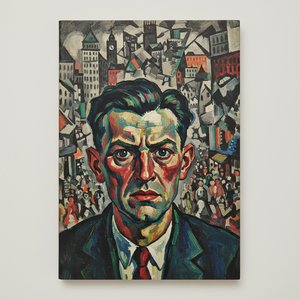
The Vibrant World of Ernst Ludwig Kirchner: A Definitive Guide to German Expressionism
Explore the raw emotion of German Expressionism through a definitive guide to Ernst Ludwig Kirchner. Discover how his bold colors and distorted forms redefined modern art history, from Berlin street scenes to iconic masterpieces.
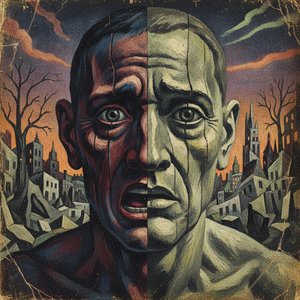
Unmasking Emotion: A Definitive Guide to the Raw Power and Visceral Beauty of German Expressionism
Explore the visceral power of German Expressionism. From Ernst Ludwig Kirchner to Die Brücke, discover how bold colors and distorted forms unmask raw human emotion in this expert art history guide for collectors and enthusiasts.
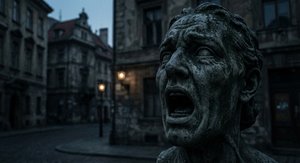
The Visceral Cry of a Nation: Exploring Emotion & Distortion in German Expressionism
Explore the powerful world of German Expressionism with OriginalUniqueArt. Discover Kirchner, Nolde & Die Brücke's emotive masterpieces. Learn about this pivotal art movement and its lasting impact on modern art.

German Expressionism's 10 Defining Masterpieces | Art for Your Home
Explore 10 defining German Expressionism masterpieces – from Munch's 'The Scream' to Kandinsky’s abstracts. Discover the artists, stories & bold colors behind this powerful art movement. Find museum-quality reproductions at OriginalUniqueArt.com.
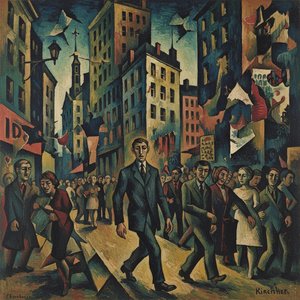
Ernst Ludwig Kirchner: Expressionism's Urban Anxiety & the Fragmentation of Modern Identity
Explore the powerful world of Ernst Ludwig Kirchner and German Expressionism. Discover his iconic paintings, Die Brücke group, and the movement's exploration of urban anxiety & modern identity. Expert analysis for collectors & enthusiasts.


