Contemporary Realism
Evening Wind (Edward Hopper)
Edward Hopper (1882–1967) je izdelal Evening Wind. Spada v smer Contemporary Realism. Izdelano je iz Etching.
- Etching

 Predogled v realnem okolju

 Ročno izdelano oljno slikarstvo
 Pošlji
 Deli
 Informacijski list


 Prenesi sliko
 Podobni izdelki
 Rentgenski posnetek
 Predvajaj diaporama
 Vprašanja in odgovori

 Statistika
Evening Wind, na kratek
- Naslov
- Evening Wind
- Avtor
- Edward Hopper (1882–1967)
- Umetnik, rojen v
- Upper Nyack, Združene države Amerike
- Tehnika
- Etching
- Gibanje
- Contemporary Realism
- Obdobje
- Modern
- Tema
- solitude, femininity, interior space, bedtime, darkness, light contrast
Kaj prikazuje Evening Wind?
Identification of Evening Wind by Edward Hopper
The scene unfolds in 1930, a moment frozen in the quietude of Evening Wind. Edward Hopper captures a singular instance of stillness, presenting a portrait of quiet contemplation that feels as though it is happening right now, just beyond the reach of the viewer. The air seems to hold its breath as the subject settles into a private, internal world.
In this work, Edward Hopper focuses on the weight of a single, unspoken thought. The composition centers on a woman, her presence defined by a sense of vulnerability and the soft, restless movement of fabric. It is a study of the human condition caught in a pause, where the external world recedes to make room for the gravity of the individual experience.
Composition and Visual Elements
The scene unfolds from a slightly elevated perspective, as if the viewer is looking down into a private, quiet moment. At the heart of this arrangement, a figure sits kneeling near the edge of a bed. The composition relies on a striking interplay of geometry and movement. Strong vertical lines rise from the bedpost, anchoring the space with a sense of structural permanence. These rigid, upright forms clash against the fluid, contrasting curves of the figure's body and the billowing fabric of the sheets.
A dynamic tension pulls at the eye, caught between the unyielding verticality of the furniture and the restless, sweeping motion of the draped cloth. Behind the woman, the world falls away into a dark, undefined space. This void pushes the subject forward, heightening the sense of isolation within the room. The arrangement directs all attention to the central figure, making the stillness of the woman feel heavy against the sudden, outward surge of the linens.
Technique and Material Details
The artist works with a steady hand, pressing a needle tool into a metal plate to etch fine, decisive lines. This process of drypoint etching or engraving requires a meticulous touch to transfer the image onto the surface, which is typically composed of copper or zinc. Every stroke of the needle carves a path for the ink, preparing the plate for the moment of contact with paper. There is a rhythmic precision in how these marks are laid down, capturing the subtle textures of the scene through sheer physical effort.
Once the plate is prepared, ink is applied across the surface, settling into the grooves and depressions created by the tool. The printing process pulls this ink onto the paper, revealing a world of tonal nuance. To build depth and define the forms of the woman and the billowing fabric, the artist employs extensive hatching and cross-hatching. These dense networks of fine lines create the illusion of shadow and light, allowing the eye to perceive volume and texture where there is only ink and paper. The interplay of these marks gives the sheets a sense of movement and the shadows a palpable weight.
Color Palette and Lighting Effects
The scene unfolds within a strict monochrome grayscale scheme. There is no color to distract the eye, only a deliberate arrangement of light and shadow. Shades of gray stretch from the deepest, ink-like blacks to the palest, most fragile whites. This limited range forces the viewer to focus on the essential architecture of the moment, emphasizing the heavy texture of the fabric and the sharp contours of the room. Every tonal shift defines a shape or a surface, making the interplay of light feel tangible.
An unseen source of illumination cuts through the stillness, casting dramatic shadows that stretch across the space. This light creates a sharp, heavy contrast between the bright highlights and the dark, receding corners. The way the light hits the billowing sheets and the figure's form gives the composition a sense of volume and depth. It is a study in how darkness can define a space just as clearly as the light itself, carving out a sense of presence within the quiet, shadowed interior.
Subject Matter and Emotional Themes
A private moment unfolds in the stillness of a room, centered on a woman kneeling beside a bed. She exists in a state of quiet contemplation, her posture revealing a profound sense of vulnerability. Around her, the sheets billow outward, caught in an unseen movement that suggests a sudden, restless energy. These shifting fabrics act as metaphors for an internal emotional turbulence, mirroring a spirit that cannot find rest even in the sanctuary of a domestic space.
The atmosphere carries a heavy weight of quiet melancholy. There is a palpable sense of solitude here, as if the air itself is thick with unspoken thoughts. The scene invites a feeling of longing, pulling the viewer into a space defined by introspection and the heavy silence of a life lived in the margins of the everyday. One wonders what occupies her mind in this solitary hour, as the shadows deepen around her figure.
Related Works by Edward Hopper
The artist's earlier explorations reveal a steady gaze that began long before this intimate moment. In 1903, an Edward Hopper Self-Portrait captures a younger version of the man who would eventually master the art of stillness. By 1912, the work squam light shows a developing eye for the way illumination interacts with its surroundings. These early pieces hint at the profound ability to find meaning in the quietude of a single scene.
Other works from his career echo the themes of solitude and the subtle tension of human presence. In Night on the El Train, a sense of silence settles between figures, much like the unspoken narratives found in domestic interiors. The artist also turned his attention to simpler, more direct subjects, such as the nautical scene in The Catboat. Each piece reflects a persistent interest in the intersection of physical space and the private, internal experiences of those caught within it.
Visokoresolucijske slike dela Evening Wind
Zaščitovano z avtorskimi pravicami: ti datoteke so namenjene osebni referenci, ne paovojilu za ponovno objavo.
Edward Hopper, Evening Wind.
Odgovori na vprašanja o Evening Wind
い哪種媒介是用來創作 "Evening Wind" avtorja Edward Hopper 的?
Tehnika za delo "Evening Wind" avtorja Edward Hopper je Etching. Različice imajo za namen natančno prikazati videz te tehnike.
Katere teme se pojavljajo v delu "Evening Wind" avtorja Edward Hopper?
Motivi dela "Evening Wind" so solitude, femininity, interior space, bedtime, darkness, light contrast, domesticity, vulnerability.
Ali je "Evening Wind" v javni domeni?
"Evening Wind" avtorja Edward Hopper je v javni domeni (še vedno pod avtorsko zaščito). Ta status določa način, kako se lahko slika dela reproducira.
Kateremu umetniku je "Evening Wind" pripisano?
Avtor dela "Evening Wind" je Edward Hopper. Del je katalogiran pod imenom Edward Hopper.
Kateri umetniški slog pripada "Evening Wind"?
"Evening Wind" avtorja Edward Hopper pripada gibanju Contemporary Realism. To gibanje zagotavlja slogovni kontekst dela.
V katero obdobje Edward Hopperove kariere spada delo "Evening Wind"?
"Evening Wind" pripada Mature Period v karieri umetnika Edward Hopper. Ta razvrstitev povezuje delo z umetnikovim razvojnim obdobjem.
Kaj pojasnjuje status avtorskih pravic za "Evening Wind" avtorja Edward Hopper?
"Evening Wind" avtorja Edward Hopper je še vedno pod avtorsko zaščito. Avtorske pravice se izračunajo od smrti umetnika, ki je umrl leta 1967.
Kako se delo "Evening Wind" vklapa v tematiko in slog umetnika Edward Hopper?
"Evening Wind" pripada Contemporary Realism obdobju v ustvarjalnosti umetnika Edward Hopper, katerega značilne teme vključujejo realism, psychological depth, urban isolation, domestic tranquility, hopper’s signature style.
Kje se "Evening Wind" uvršča med ponavljajoče se teme v delih umetnika Edward Hopper?
Med zastavljenimi temami umetnika Edward Hopper – ki jih zastopajo realism, psychological depth, urban isolation, domestic tranquility, hopper’s signature style – prinaša "Evening Wind" lastno pozornost na solitude, femininity, interior space, bedtime, darkness, light contrast, domesticity, vulnerability.
O umetniku, Edward Hopper
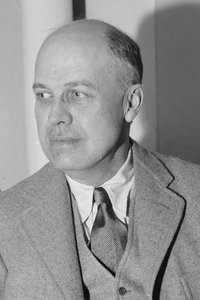
1882–1967, Združene države Amerike
Edward Hopper
Tišina ameriške scene Edward Hopper se je rodil v Upper Nyack, v Združenih državah Amerike. Njegova zgodnja leta so bila prebožana z opazovanjem sveta z neomagnočnim pogledom, kar je bila navada, ki se je začela že s otroškimi skici, ki so bile skrbno datirane in podpisane. Čeprav so mu starši predlagali praktično pot v komercialni ilustraciji, je njegova pozornost ostala usmerjena na likovno umetnost. Študiral je na School of Art v New Yorku pod mentorjem William Merritt Chase in Robert Henri.
Tudi dela avtorja Edward Hopper
 Nighthawks, Čeznočnji pogled v večerjo1942
 Avtomat (majhen)
 Hiša ob železnici1925
 Film v Njujorku1939
Eseji o delu Evening Wind
 Norwegian artworks of the 1920sNorwegian 1920s art by Edvard Munch and Nikolai Astrup defines an era of expressionism. View the full collection online at OriginalUniqueAr…
 Edward Hopper: 25 Mojstrovskih Del Ameriške Moderne | OriginalUniqueArtOdkrijte 25 mojstrovskih del Edwarda Hopperja – ikonične slike ameriške moderne. Preberite zgodbe, tehnike in navdih za te brezčasne umetni…
 The Incised Line: A Technical and Historical Study of Intaglio PrintmakingMaster the technical nuances of intaglio, from engraving to mezzotint. Explore the history of the recessed line now.