Contemporary Realism Contemporary Realism · 1912
squam light (Edward Hopper, 1912)
Edward Hopper (1882–1967) je izdelal squam light. Zajema obdobje iz leta 1912. Spada v smer Contemporary Realism Contemporary Realism. Izdelano je iz Acrylic On Canvas.
- 1912
- Acrylic On Canvas

 Predogled v realnem okolju

 Ročno izdelano oljno slikarstvo
 Pošlji
 Deli
 Informacijski list


 Prenesi sliko
 Podobni izdelki
 Rentgenski posnetek
 Predvajaj diaporama
 Vprašanja in odgovori

 Statistika
squam light, na kratek
- Naslov
- squam light
- Avtor
- Edward Hopper (1882–1967)
- Umetnik, rojen v
- Upper Nyack, Združene države Amerike
- Datum
- 1912
- Tehnika
- Acrylic On Canvas
- Obdobje
- 19th Century
- Tema
- lighthouse scene, coastal landscape, edward hopper, atmospheric light, solitude theme, american realism
Kaj prikazuje squam light?
A Study in Coastal Solitude: "Squam Light" by Edward Hopper
Edward Hopper’s “Squam Light,” painted in 1912, is more than just a depiction of a New England coastline; it's a carefully constructed meditation on isolation and the enduring presence of human endeavor against the vastness of nature. The painting immediately draws the viewer into a scene of quiet contemplation – a solitary lighthouse standing sentinel over a turbulent sea, its white form a beacon both literal and metaphorical. Hopper’s masterful use of light and shadow, hallmarks of his style, dramatically shapes the composition, emphasizing the stark geometry of the lighthouse against the diffuse, cloudy sky.
- Subject Matter: The primary subject is the iconic New England lighthouse, a symbol of guidance, safety, and connection. However, Hopper subtly subverts this traditional symbolism by presenting it in a state of quiet detachment.
- Composition: The placement of the houses – one prominent in the foreground, another receding into the distance – creates a sense of depth and invites the viewer to consider the lives unfolding within these modest dwellings.
Technique and Style: Hopper’s Realist Vision
Painted during a period when American realism was gaining prominence, “Squam Light” exemplifies Hopper's meticulous attention to detail and his ability to capture the essence of everyday life. His technique is characterized by precise brushwork and a restrained palette – primarily muted blues, grays, and whites – which contributes significantly to the painting’s melancholic mood. Hopper’s approach was rooted in observation; he spent considerable time studying the landscapes and people around him, translating his perceptions onto canvas with remarkable accuracy. The slightly hazy atmosphere, achieved through layering of paint, adds a sense of atmospheric perspective, further enhancing the realism of the scene.
Historical Context: A Moment of Transition
1912 marks a pivotal moment in American art history. Hopper was developing his distinctive style during this time, influenced by the burgeoning interest in depicting modern life and the growing awareness of urban alienation. The rise of industrialization and urbanization were beginning to reshape American society, leading to increased feelings of isolation and detachment – themes that would become central to Hopper’s oeuvre. This painting reflects a broader cultural shift towards introspection and a questioning of traditional values.
Symbolism and Emotional Impact
"Squam Light" resonates with viewers on an emotional level due to its inherent ambiguity. The lighthouse, though offering guidance, remains isolated; the houses suggest lives lived within quiet routines, perhaps lacking connection or purpose. Hopper’s work frequently explores themes of loneliness, alienation, and the search for meaning in a rapidly changing world. The painting's subdued palette and carefully constructed composition evoke a sense of melancholy and contemplation, inviting viewers to reflect on their own experiences of solitude and the relationship between humanity and the natural world. It is a powerful reminder of the quiet beauty and inherent sadness that can be found in even the most familiar landscapes.
Visokoresolucijske slike dela squam light
Protected by copyright: these files are for personal reference, not a licence to republish.
Edward Hopper, squam light (1912).
Odgovori na vprašanja o squam light
Kateri je datum nastanka dela "squam light" avtorja Edward Hopper?
"squam light" avtorja Edward Hopper je nastalo leta 1912.
S katero tehniko je bila izdelana skladba "squam light" avtorja Edward Hopper?
Edward Hopper je za delo "squam light" uporabil/a tehniko Acrylic On Canvas. Ta tehnika opredeljuje materialno naravo izvirnega dela.
Kaj prikazuje "squam light" avtorja Edward Hopper?
"squam light" avtorja Edward Hopper prikazuje: lighthouse scene, coastal landscape, edward hopper, atmospheric light, solitude theme, american realism, nineteen eleven.
Ali se lahko slika "squam light" avtorja Edward Hopper prosto reproducira?
V zvezi z avtorskimi pravicami je "squam light" v še vedno pod avtorsko zaščito.
Kateremu umetniku je "squam light" pripisano?
"squam light" pripisujemo Edward Hopper.
Kateri umetniški slog pripada "squam light"?
"squam light" je del umetniškega sloga Contemporary Realism Contemporary Realism, ki predstavlja umetniško tradicijo, v katero je delo vključeno.
V katero obdobje kariere Edward Hopper pripada delo "squam light"?
V okviru kariere umetnika Edward Hopper delo "squam light" pripada obdobju Mature Period Mature Period, kar omogoča primerjavo z ostalimi umetnikovimi deli.
Pri katerih letih je Edward Hopper ustvaril/a "squam light"?
Edward Hopper je bil/a star/a 30 let, ko je ustvaril/a "squam light" leta 1912. Starost je izračunana na podlagi leta rojstva umetnika, 1882.
Zakaj je status avtorske pravice za "squam light" prav takšen, kot je?
"squam light" avtorja Edward Hopper je še vedno pod avtorsko zaščito. Avtorske pravice se izračunajo od smrti umetnika, ki je umrl leta 1967.
O umetniku, Edward Hopper
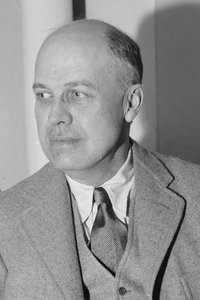
1882–1967, Združene države Amerike
Edward Hopper
Tišina ameriške scene Edward Hopper se je rodil v Upper Nyack, v Združenih državah Amerike. Njegova zgodnja leta so bila prebožana z opazovanjem sveta z neomagnočnim pogledom, kar je bila navada, ki se je začela že s otroškimi skici, ki so bile skrbno datirane in podpisane. Čeprav so mu starši predlagali praktično pot v komercialni ilustraciji, je njegova pozornost ostala usmerjena na likovno umetnost. Študiral je na School of Art v New Yorku pod mentorjem William Merritt Chase in Robert Henri.
Tudi dela avtorja Edward Hopper
 Nighthawks, Čeznočnji pogled v večerjo1942
 Avtomat (majhen)
 Hiša ob železnici1925
 Film v Njujorku1939
Eseji o delu squam light
 Harlem Renaissance vs. American Scene Painting: Defining Two Eras of US ArtDiscover the stylistic differences between Harlem Renaissance and American Scene Painting. Explore these iconic art movements now.
 American artworks of the 1940sIconic 1940s American works by Edward Hopper and Dorothea Lange. Explore the full collection online at OriginalUniqueArt.com.
 American artworks of the 1950sIconic 1950s American works by Edward Hopper and Richard Avedon define an era. Explore the full collection online at OriginalUniqueArt.com.