

 Preverite v realnem okolju
 Pošlji kot čestitko
 Deli
Deli
 Podrobnosti
 Priročnik

 Prenesi
 Podobni artefakti
 Rentgenski posnetek
 Predvajaj diaporama
 Statistika
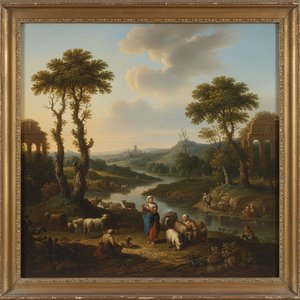
Roman Ruins
 Oil
Oil- WallArt
- Dutch Golden Age
 1620
1620- Early Modern
 23.0 x 31.0 cm
 Preberi več
Giclée tisk / Umetniški tisk
Giclée ali platnati odtis muzejske kakovosti z hitro proizvodnjo in prilagodljivimi možnostmi končne obdelave. ( Naročite ročno slikano reprodukcijo Preklop na digitalno sliko)




P118B €10

P118H €10

P118W €10

P438Z €10

P508JH €12

P508YH €12

P805H €10

P805Z €10

P919BZ €10

P919G €10

P919XJ €10

P959ZH €10

P968JZ €12

W106C €8

W218G €10

W218JH €8

W218Y €10

W307PJ €10

W316G €10

W316PJ €8

W316Y €10

W398PJ €8

W4111J €10

W500HY €15

W500JH €15

W692G €12

W849H €8

W940BG €15

W953PJ €8




Izberite eno od naših vnaprej določenih velikosti, ki ustrezajo prvotnim proporcijam umetničkega dela.

Vnesite širino in višino, ki jih potrebujete za svoj okvir ali steno. Tiskanje se lahko le odreže, vendar ga ni mogoče narediti večjega od slike, zato format z drugačno obliko pomeni izgubo dela slike. Pred tiskanjem vam pošljemo digitalni predogled za potrditev. Slika, prikazana na tej strani, ne prikazuje dejanskega izrezkov — le predogled to omogoča.
Globalna dostava () v 2 tednih namesto standardnih 4/5 tednov. (24 oktober)

Brezplačna ekspresna dostava po vsem svetu

Visokokakovostno laneno platno

Popolno zavarovanje pošiljke

Garancija povračila carine in uvoznih davkov

Garancija popolnega barvnega ujemanja

Politika vračila v 100 dneh (le v primeru okvar)

Garancija 100% povračila denarja

Popust pri večjem naročilu
 Možnost stekla je na voljo le za velikosti pod 110 cm

Roman Ruins
Giclée tisk / Umetniški tisk
Velikost reprodukcije
-


Skupna cena
€ 70
A Window into Antiquity: The Timeless Allure of Roman Ruins
In the delicate, circular embrace of this exquisite tondo, Cornelis van Poelenburgh invites us to step through a portal into a bygone era. Painted around 1620, Roman Ruins is far more than a mere depiction of architectural decay; it is a profound meditation on the passage of time and the enduring relationship between humanity and the remnants of greatness. The composition, framed by its characteristic round format, focuses our gaze upon a landscape where the grandeur of the Roman Empire has softened into a pastoral sanctuary. Within this intimate space, the heavy stone arches and crumbling pillars serve as silent witnesses to history, now providing a backdrop for the quiet, rhythmic pulse of rural life.
The scene unfolds with a masterful use of light and shadow, reminiscent of the Dutch Golden Age's obsession with atmospheric truth. As we gaze upon the foreground, we encounter a world in gentle motion: a shepherd tending his flock, a laborer with his oxen, and figures caught in quiet contemplation. These small-scale inhabitants of the landscape bring a sense of warmth and vitality to the otherwise somber ruins. The artist employs a subtle, earthy palette—rich ochres, muted greens, and soft umbers—to weave a tapestry of textures that feels both tactile and ethereal. The hazy, overcast sky suggests the fleeting light of dawn or dusk, casting a melancholic yet peaceful glow over the entire vista, evoking a sense of nostalgia for a lost civilization.
The Mastery of the Italianate Style
Cornelis van Poelenburgh was a pivotal figure in the first generation of Dutch landscape painters who found profound inspiration in Italy. His travels to Rome allowed him to infuse his Northern training with the classical elegance of the Mediterranean. In Roman Ruins, we see this synthesis perfected. The technique is characterized by an incredible attention to detail; every crack in the ancient masonry and every distant bird in flight is rendered with a precision that draws the viewer deeper into the frame. This meticulousness does not feel clinical, however, but rather serves to enhance the three-dimensional depth of the scene, making the archway feel like a real threshold through which one might walk.
For the discerning collector or interior designer, this piece offers a unique emotional resonance. It possesses a "Caravaggesque" drama tempered by a serene, pastoral tranquility. The symbolism of the ruins—representing the inevitable cycle of rise and fall—is balanced by the resilience of the natural world and the simplicity of the human spirit. Such a work is an ideal centerpiece for a sophisticated interior, providing a conversational focal point that inspires reflection. Whether placed in a sunlit study or a grand gallery, this reproduction captures a moment of eternal stillness, offering any space it inhabits a touch of historical majesty and poetic grace.
Vprašanja in odgovori
Kdo je ustvaril "Roman Ruins" in v letu katerega?
"Roman Ruins" je ustvaril Cornelis Van Poelenburgh leta 1620.
Kaj prikazuje "Roman Ruins" avtorja Cornelis Van Poelenburgh?
Tematika v delu "Roman Ruins" avtorja Cornelis Van Poelenburgh vključuje figures, sheep, cow, archway, ruins, trees, birds, earth tones. Skupaj predstavljajo vsebino umetninškega dela.
Kako močne so barve dela "Roman Ruins"?
Barve dela "Roman Ruins" avtorja Cornelis Van Poelenburgh prikazujejo Muted zasičenost z intenzivnostjo Balanced.
Biografija umetnika
raneje življenja in izobraževanja
Cornelis van Poelenburgh, izjemno nizozemski pejzažkar, je bil rojen v Utrechtu na Nizozemskem v letu 1594. Začetek svoje kariere je preživetal pod vodstvom Abraham Bloemaerta, znanega umetnika tega časa. To temeljito izobraževanje je postavilo temelje za kasnejši uspeh van Poelenburga.umetniška kariera in vplivi
Van Poelenburghove potovanje v Rim v začetku 17. stoletja je močno vplivala na njegovo delo, kar ga je naredilo vodilnega predstavnika prve generacije nizozemskih pejzažkarjev, aktivnih v Italiji. Njegova maleje škala sliki, ki so pogosto prikazovale italijanske pejzaže z malimi figurami, ki izvajajo bibljske ali mitološke zgodbe, so predstavljale njegov edinstven stil. Značilna dela:- Sateri, ki spledajo nimfe (po letu 1627), edinstven primer dela van Poelenburga, ki prikazuje arhaične pejzaže z figurami, ki se kupajo. (ogled na OriginalUniqueArt)
- Veda bogov (okoli leta 1630), slika, ki prikazuje van Poelenburghov idealiziran hribovit pejzaž in romančno navdihovane boginje, zdaj namestljena v Mauritshuisu (Laž, Nizozemska). (ogled na OriginalUniqueArt)
zakladnica in kasnejši življenjski obdobji
Delo van Poelenburga je bilo visoko cenjeno tudi odzraslimi, vključno z veljopoljedom Tukanjja in nizozemskim stadtholderjem. Kasneje se je vrnil v Utrecht, kjer je umrl leta 1667, le nekaj let po svojem starejšem učitelju Abraham Bloemaerta. Ključne točke:- rojen v Utrechtu na Nizozemskem v letu 1594
- izobraževanje pri Abraham Bloemaert
- vplivano s svojim prebivalom v Rimu
- znan po maleje italijanskih pejzažih z figurami
- umrl v Utrechtu leta 1667 ogled delov Cornelisa van Poelenburga na OriginalUniqueArt learn more about cornelis van poelenburgh on wikipedia

Cornelis Van Poelenburgh
1594 - 1667 , Nizozemska
Ključne informacije
- Artistic Movement Or Style: Nizozemski pejzaž, Romanatsk
- Artists Or Movements Influenced By This Artist: ['Claude Lorraine']
- Artists Who Influenced This Artist: ['Abraham Bloemaert']
- Date Of Birth: 1594, Utrecht, Nizozemska
- Date Of Death: 1667, Utrecht, Nizozemska
- Full Name: Cornelis van Poelenburgh
- Nationality: Nizozemski
- Notable Artworks:
- Sateriji, ki spajajo nimfe
- Veda bogov
- Place Of Birth: Utrecht, Nizozemska
Sorodni članki

Golden Light & Dutch Skies: The Timeless Magic of Dutch Golden Age Landscapes
Discover the breathtaking beauty of Dutch Golden Age landscapes. Explore the mastery of light, chiaroscuro, and 17th-century realism through an expert art history lens, celebrating the enduring legacy of the Dutch Masters for discerning collectors and art lovers.

Golden Age Reflections: Dutch Baroque Painting & Cultural Innovation
Explore the Dutch Golden Age of painting! Discover key artists like Vermeer & ter Borch, their innovative techniques, and the rich cultural context behind these Baroque masterpieces. Learn about collecting & appreciating this iconic art period.

Mastering Light & Shadow: A Journey Through the Dutch Golden Age's Luminous Legacy
Embark on a cultural journey through the Dutch Golden Age. Explore the masterful interplay of light and shadow in 17th-century masterpieces, from Rembrandt to Vermeer, and discover how this era of profound realism continues to inspire fine art collectors today.

10 Mojstrovin Nizozemske Zlate dobe: Umjetnost, ki je definirala svojo dobo
Odkrijte 10 mojstrovin Nizozemske zlate dobe! Rembrandt, Vermeer & več – spoznajte zgodbe za temi ikoničnih umetnin. Inspirirajte se za notranji dizajn in poiščite reprodukcije na OriginalUniqueArt.com!
Nicolaes Berchem: Dutch Golden Age Pastoralism & the Evolution of Landscape Painting
Explore the captivating world of Nicolaes Berchem, a leading Dutch Golden Age painter. Discover his idyllic landscapes, masterful technique & lasting influence on art history. Learn more at OriginalUniqueArt.