

 Predogled
 Pošlji
 Deli
Deli
 Podrobnosti o delu

 Prenesi
 Podobni izdelki
 Rentgenski posnetek
 Predvajaj diaporama
 Statistika
Artemisija Gentilski
 Akril na platnu
- Stenska umetnost
- Baroque
 1615
1615- Renesanca
 71.0 x 69.0 cm
 Narodna galerija
 Razviljaj več
Giclée tisk / Umetniški tisk
Giclée ali platnati odtis muzejske kakovosti z hitro proizvodnjo in prilagodljivimi možnostmi končne obdelave. ( Kupi ročno naslikano sliko Preklop na digitalno sliko)




P118B $10

P118H $10

P118W $10

P438Z $10

P508JH $12

P508YH $12

P805H $10

P805Z $10

P919BZ $10

P919G $10

P919XJ $10

P959ZH $10

P968JZ $12

W106C $8

W218G $10

W218JH $8

W218Y $10

W307PJ $10

W316G $10

W316PJ $8

W316Y $10

W398PJ $8

W4111J $10

W500HY $15

W500JH $15

W692G $12

W849H $8

W940BG $15

W953PJ $8




Izberite eno od naših vnaprej določenih velikosti, ki ustrezajo prvotnim proporcijam umetničkega dela.

Svoje dimenzije lahko vnesete sami, da bodo ustrezne za določen okvir ali prostor. Če izbrana velikost ne bo skladna z razmerji izvirne slike, bomo umetniško delo orezali ali podaljšali s pomočjo ogledalnega odraza ali barvno polnega roba. Pred začetkom proizvodnje vam bomo poslali digitalni predogled za potrditev.
Upoštevajte, da predogled na zaslonu ne prikazuje dejanskega orezovanja ali podaljševanja. Le digitalni predogled bo natančno prikazal končno kompozicijo.
Čeprav so na voljo prilagojene velikosti, priporočamo izbiro dimenzije s predhodno določenega seznama, da ohranite prvotna razmerja.
Globalna dostava () v 2 tednih namesto standardnih 4/5 tednov. (11 september)

Brezplačna ekspresna dostava po vsem svetu

Visokokakovostno laneno platno

Popolno zavarovanje pošiljke

Garancija povračila carine in uvoznih davkov

Garancija popolnega ujemanja barv

Politika vračilo v 100 dneh (le v primeru okvar)

Garancija 100% povračila denarja

Popust pri večjem naročilu
 Možnost stekla je na voljo le za velikosti pod 110 cm

Artemisija Gentilski
Giclée tisk / Umetniški tisk
Velikost reprodukcije
-


Skupna končna cena
$ 80
Portret Trpezanosti: Samoprtretje Artemizie Gentski ‘Kot Svetega Kate Rimske’
Ta očarljiva samoprtretje Artemzije Gentski (1593-1656) je daleč več kot samo prikaz umetniške spretnosti; to je močan izraz zmrtve, vere in osebnega prelomnega uspeha, posnet v dramatičnem slogu Baroka. Priskalo okoli leta 1615, ta delo predstavlja mojstrovštvo Gentski hkrati pa ponuja ohybni pogled v njeno lastno življenje.
Predmet in Simbolika: Svete Razmislica
Gentski se predstavlja kot Svetega Kate Rimske, ošarenega krščanskega mučenika, ki je bila znana po svojem intelektu in neuslišani veri. Sliko osredotoča pretrgan koleso – orodje mučenja, povezano s mučeništvom Kate – na katerega se opira z mirno dostojanstvo. Njeno desno roko nežno drži palmo, simbol zmage nad smrtjo, pritisnjeno proti grdi v srce v znamenju, ki izraža tako ranljivost kot odločno moč. Ta namerno predstavljanje je globoko simbolično; jo razumevajo široko kot identificiranje Gentski s trdnostjo Kate pred trpljenjem, odražajočo njene lastne izkušnje po grozljivem osebni preživeli dogodku – sojenja po spolnem nasilu Agostina Tassi.
Umetniški slog in Tehnika: Karavaggizem in Barokna Drama
Sliko trdno temelji na umetniških tradicijah italijanskega Baroka, močno vplovano revolucionarne delo Karavezija. Gentski strokovno uporablja *tenebrismo* – dramatičen kontrast med svetlobo in temo –, da poveča čustveno intenzivnost in usmerja pozornost na njeno obraz in roke. Bogate, temne barve in realističen prikaz tekstur, od trdne površine kolesa do nežnih gub v njenem oblačilu, dokazujejo njeno tehnično spretnost. Njena čopična dela so zaupena in točna, ustvarjajoča občutek neposrednosti in prisotnosti.
Kulturni Kontekst: Ženska Umetnica v Moški Domene Svetu
Umetniška kariera Artemzije Gentski se je razvila v času, ko so ženske umetnice črtale pomembne ovire za prepoznavanje in uspešno profesionalno delo. Bila je ena prvih žensk, ki so bile sprejete v Accademia di Arte del Disegno v Firencu, izjemno dosežek, ki govori o njenem izjemnem talentu. To samoprtretje, verjetno ustvarjeno po selitvi v Firence po travmatičnem dogodku njeneha sojenja, se lahko vidi kot dejanja samozavesti in umetniškega trdnega vztarja – izjave o svojem veščinah in neodvisnosti v družbi, ki pogosto je želela ugasniti glas žensk.
Emocionalni Vpliv in Nasledstvo
'Samoprtretje kot Svetega Kate Rimske' resonira z gledalci na več ravneh. To je dokaz o trajne moči človeške duha, praznovanje ženske moči in ohybna raziskava vere in trpežnosti. Sliko čustvena globina in umetniško briljantnost so utrdile Gentski mesto kot enega najpomembnejših umetnikov Baroka, njen delo pa še danes navdaja in očara publike.
- Umetnik: Artemzia Gentski
- Naslov: Samoprtretje kot Svetega Kate Rimske
- Leto: Približno 1615
- Sredstvo: Olje na platnu
- Dimenzije: 71 x 69 cm (28 x 27 in)
- Lokacija: Narodna galerija, London, Združeno kraljestvo
Ta delo je privlačen dodatek k vsakemu zbirki, ponuja estetsko lepoto in močan narativ. Njegova dramatična kompozicija in bogata simbolika naredijo idealni fokus za notranjo opremo, ki sproža občutek moči, trpežnosti in umetniškega mojstrovstva.
Premik: Barok
Tematike: Krščanska umetnost, ženska mučenka, samoprtretje, Sveti Kata Rimske, barokna slika, mučenje, trpežnost, vpliv Karavezija
Kreativni obdobje: Zrelo obdobje
Kontekst telesa: Karavezijev chiaroscuro, ženska mučenka narativ, krščansko mučenje in vera, umetnikov samoprtretje, firencki barokni slog, osebna trpežnost tema, zgodnje 17. stoletje umetnosti, kompleksna identiteta portret
Biografija umetnika
A Daughter of Rome: The Life and Art of Artemisia Gentileschi
Artemisia Gentileschi’s name echoes through the halls of art history, resonating not simply as that of a painter, but as an emblem of resilience, defiance, and extraordinary artistic talent in a world determined to silence female voices. Born in Rome in 1593, she entered a milieu steeped in artistry—her father, Orazio Gentileschi, was a respected painter deeply influenced by the revolutionary realism of Caravaggio. From her earliest years, Artemisia’s gift was undeniable, nurtured within her father's workshop where she absorbed techniques of composition and the dramatic use of light and shadow that would become hallmarks of her distinctive style. This formative training wasn’t merely about mastering brushstrokes; it was an immersion into a world of artistic ambition, one typically closed to women. Recognizing his daughter’s exceptional talent, Orazio provided opportunities unavailable to most females of the era, allowing her to study from life models—a crucial step in developing anatomical accuracy and expressive power.
Shadows and Strength: Artistic Development
Gentileschi's artistic development was profoundly shaped by Caravaggio’s tenebrism—the stark contrast between light and darkness that imbued his paintings with an intense emotionality. Yet, she didn’t simply mimic her father or Caravaggio; she forged her own unique voice, characterized by a raw psychological depth and a compelling focus on female subjects often depicted with unprecedented agency and strength. Even in her early works, like *Susanna and the Elders* (1610), a biblical scene depicting Susanna being spied upon by two lecherous old men, Artemisia’s interpretation diverges from traditional portrayals. Here, Susanna isn't passively vulnerable; she displays a quiet dignity and resistance, foreshadowing the powerful female figures that would dominate her later oeuvre. But it is *Judith Slaying Holofernes* (existing in multiple versions between 1614-1620) that cemented her reputation as a master of dramatic narrative and psychological realism. The painting isn’t merely a depiction of violence; it's an exploration of courage, determination, and the righteous fury of a woman defending her people. The visceral intensity, the unflinching portrayal of the act itself, shocked and captivated audiences then—and continues to do so today. Other notable works like *Judith and Her Maidservant* (1625) and *Danaë* (c. 1636-1639) further demonstrate her evolving style, showcasing both vulnerability and power in her female protagonists. Her ability to render flesh with such realism, combined with a masterful use of chiaroscuro, created scenes that were both terrifying and deeply moving.
A Trial by Fire: Trauma and Triumph
Artemisia’s life was irrevocably altered by a horrific event: her rape at the hands of Agostino Tassi, a fellow painter and colleague of her father. The ensuing trial (1611-1612) became a public spectacle, subjecting Artemisia to grueling questioning and societal scrutiny. While she bravely testified against Tassi, the proceedings were marred by bias and attempts to discredit her character. This trauma profoundly impacted her life and art, imbuing her work with an emotional intensity that some scholars believe is directly linked to her personal experiences. The trial itself became a symbol of the challenges faced by women seeking justice in a patriarchal society. Despite this ordeal, Artemisia refused to be defined by it. She continued to paint, moving between Rome, Florence, and Naples, establishing herself as a successful artist in her own right. In 1616, she achieved another milestone: becoming the first woman admitted to the Accademia di Arte del Disegno in Florence—a testament to her talent and perseverance.
Legacy of a Pioneer
Artemisia Gentileschi’s career spanned decades, marked by both artistic innovation and personal resilience. She worked for prominent patrons, including the Medici family, and established a thriving workshop, proving that women could not only excel as artists but also succeed in a traditionally male-dominated profession. For centuries, her work was often overshadowed by the circumstances of her life, viewed through the lens of scandal rather than artistic merit. However, beginning in the 20th century, there has been a significant reevaluation of her art, recognizing her as one of the most important and innovative painters of the Baroque period. Her paintings are now celebrated for their emotional depth, dramatic realism, and powerful depictions of women—not as passive objects but as active agents in their own narratives. Artemisia Gentileschi is more than just an artist; she’s a feminist icon, a trailblazer who defied societal expectations and left behind a legacy that continues to inspire generations. Her story serves as a potent reminder of the importance of recognizing and celebrating the contributions of women throughout history—and of ensuring that their voices are never silenced again. She painted not just with her hands, but with her soul, leaving an indelible mark on the world of art.

Artemisia Gentilski
1593 - 1656 , Italija
Hitri podatki
- Artistic Movement Or Style: Barok umetnost
- Artists Who Influenced This Artist:
- Orazio Gentileschi
- Caravaggio
- Date Of Birth: 8. julij 1593.
- Date Of Death: 1652/53.
- Full Name: Artemisia Gentileschi
- Nationality: Italijanka
- Notable Artworks:
- Judit ubojstvo Holofernesa
- Suzana in starejši
- Judit in služabnica
- Place Of Birth: Rim, Italija
Sorodni članki

Baročne mojstrovine: 10 umetnin, ki so definirale obdobje | OriginalUniqueArt
Odkrijte 10 baročnih mojstrovine, ki so zaznamovale umetnost! Karavaggio, Bernini & Rubensovi deli v zgodovinskem kontekstu. Navdih za notranjost in reprodukcije slik na OriginalUniqueArt.com. Raziskujte polno zbirko online!
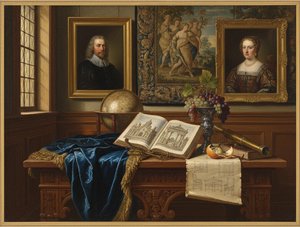
Masterpieces of the 17th Century: Art, History & Decor Inspiration | OriginalUniqueArt
Journey through 17th century art with masterpieces by Rembrandt, Vermeer & Caravaggio. Explore Baroque paintings, Dutch Golden Age techniques & timeless beauty. Find museum-quality reproductions and elevate your home decor on OriginalUniqueArt.com.
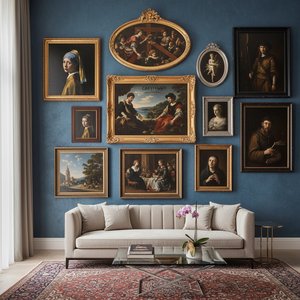
Baroque Painting's Greatest Hits: 10 Masterpieces for Your Home | OriginalUniqueArt
Journey through Baroque painting's glory! Explore 10 masterpieces by Caravaggio, Rembrandt & Vermeer. Discover dramatic lighting, rich colors & timeless stories. Find museum-quality art reproductions for your home at OriginalUniqueArt.com.
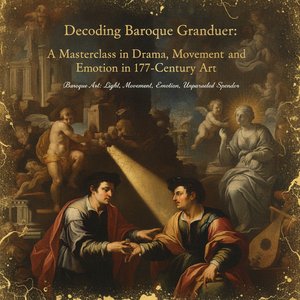
Decoding Baroque Grandeur: A Masterclass in Drama, Movement, and Emotion in 17th-Century Art
Explore the breathtaking drama of 17th-century Baroque art. Discover how masters used chiaroscuro, movement, and intense emotion to create timeless grandeur in this expert guide for fine art enthusiasts.

The Dramatic Flourish: Exploring the Baroque Movement's Enduring Legacy in Art History
Explore the dramatic world of Baroque art! Discover iconic artists like Caravaggio & Rubens, defining techniques, and its lasting impact on art history. Expert insights for collectors & enthusiasts at OriginalUniqueArt.


