- Domov

- Reprodukcija oljne slike
- Artemisia Gentilski
- Judit ustava Holofernesu
 Kupi tiskanino Kupi digitalno sliko
 Pošlji
 Deli
Deli
 Podrobnosti o delu
 Dodaj v priljubljene

 Prenesi
 Podobni izdelki
 Rentgenski posnetek
 Predvajaj diaporama
Judit ustava Holofernesu


 Razviljaj več
Ročno izdelana oljna reprodukcija
Ročno slikano olje na platnu v vaši izbiri velikosti in okvirja, izdelano po naročilu naših umetnikov.




P118B $10

P118H $10

P118W $10

P438Z $10

P508JH $12

P508YH $12

P805H $10

P805Z $10

P919BZ $10

P919G $10

P919XJ $10

P959ZH $10

P968JZ $12

W106C $8

W218G $10

W218JH $8

W218Y $10

W307PJ $10

W316G $10

W316PJ $8

W316Y $10

W398PJ $8

W4111J $10

W500HY $15

W500JH $15

W692G $12

W849H $8

W940BG $15

W953PJ $8




Izberite eno od naših vnaprej določenih velikosti, ki ustrezajo prvotnim proporcijam umetničkega dela.

Svoje dimenzije lahko vnesete tako, da se prilagodite določenemu okvirju ali prostoru. Če izbrana velikost ne ustreza razmerjem originalne slike, bomo umetniško delo obrezali ali sliko dopolnili z dodatnimi ročno naslikanimi elementi. Pred začetkom proizvodnje vam bo poslan digitalni osnutek v odobritev.
Upoštevajte, da predogled na zaslonu ne odraža dejanskega obrezovanja ali podaljšanja. Le osnutek bo natančno prikazal končno kompozicijo.
Čeprav so na voljo velikosti po meri, priporočamo izbiro dimenzije s preddefiniranega seznama, da ohranimo originalne razmere.
Po oddaji naročila bo ekipa OriginalUniqueArt.com stranki po e-pošti poslala navodila in predogled digitalnega predogleda.
Svetska dostava () za 3/4 nedelje umesto uobičajenih 5 nedelja. (16 julij). Bez kompromisa po pitanju kvaliteta.

Brezplačna ekspresna dostava po vsem svetu

Visokokakovostno laneno platno

Popolno zavarovanje pošiljke

Garancija povračila carine in uvoznih davkov

Garancija popolnega ujemanja barv

60-dnevna politika vračanja (le v primeru napak)

Garancija 100% povračila denarja

Popust pri večjem naročilu
 Možnost stekla je na voljo le za velikosti pod 110 cm

Judit ustava Holofernesu
Tehnika reprodukcije
Velikost reprodukcije
-


Skupna končna cena
-
Opis umetninine
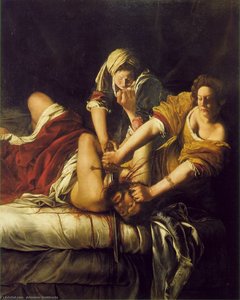
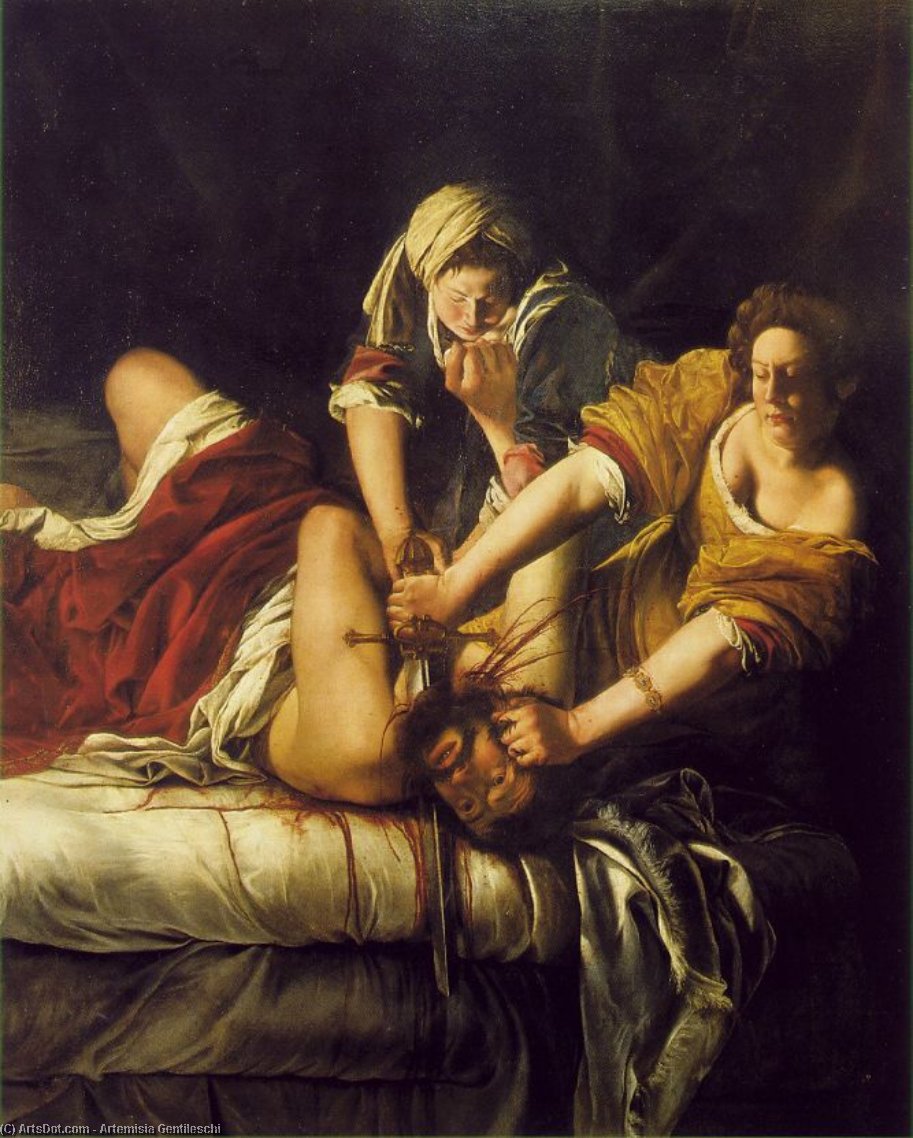
Judith Beheading Holofernes: A Baroque Triumph of Female Courage
Artemisia Gentileschi’s “Judith Beheading Holofernes” stands as an undeniable monument to the Baroque era—a period defined by theatrical drama, opulent grandeur, and a fervent embrace of emotion. Completed around 1620, this painting transcends mere biblical narrative; it embodies a profound statement about female agency and unwavering determination against overwhelming odds.
A Dramatic Narrative Rooted in Biblical Legend
The artwork recounts the pivotal moment from Judith’s story—the courageous widow Judith confronting Assyrian General Holofernes to liberate Jerusalem. Unlike many earlier portrayals that softened the brutality of violence, Gentileschi confronts us with a visceral depiction of the act itself, prioritizing immediacy and psychological intensity over idealized beauty. The scene unfolds with Holofernes struggling valiantly against Judith’s decisive blow—aided by Abra, her loyal maidservant—creating a dynamic tableau brimming with palpable tension.
Baroque Technique: Chiaroscuro and Emotional Resonance
Gentileschi masterfully employs Baroque technique, primarily characterized by dramatic chiaroscuro – the masterful manipulation of light and shadow. Intense illumination spotlights Judith’s resolute gaze and Holofernes' agonized struggle, amplifying the emotional impact of the scene. Visible brushstrokes contribute to textural richness, conveying the gruesome details of the deed—stained sheets, glistening skin—while simultaneously enhancing the painting’s realism.
Symbolism: Triumph Over Tyranny and Female Empowerment
Beyond its dramatic execution, “Judith Beheading Holofernes” resonates with powerful symbolism. Judith represents righteous defiance against oppressive authority, embodying the spirit of liberation and resilience. The decapitated Holofernes symbolizes the vanquishing of evil—a victory achieved through courage and unwavering conviction. Gentileschi’s deliberate positioning of Judith as the dominant figure underscores the importance of female strength and autonomy within artistic representation.
Historical Context: Challenging Artistic Conventions
Artemisia Gentileschi's work represents a radical departure from prevailing artistic conventions—particularly those concerning depictions of women. Operating in a male-dominated society, Gentileschi defied expectations by portraying Judith with unflinching realism and psychological depth—a bold assertion of female subjectivity that cemented her legacy as one of the foremost Baroque artists.
- Artist: Artemisia Gentileschi (1593 – 1656)
- Medium: Oil on Canvas
- Dimensions: Approximately 98.1 x 73.7 cm
- Location: Galleria Nazionale Palazzo Barberini, Rome
This artwork continues to captivate audiences today—a testament to Gentileschi’s unparalleled artistic vision and her enduring contribution to the history of art.
Biografija umetnika
A Daughter of Rome: The Life and Art of Artemisia Gentileschi
Artemisia Gentileschi’s name echoes through the halls of art history, resonating not simply as that of a painter, but as an emblem of resilience, defiance, and extraordinary artistic talent in a world determined to silence female voices. Born in Rome in 1593, she entered a milieu steeped in artistry—her father, Orazio Gentileschi, was a respected painter deeply influenced by the revolutionary realism of Caravaggio. From her earliest years, Artemisia’s gift was undeniable, nurtured within her father's workshop where she absorbed techniques of composition and the dramatic use of light and shadow that would become hallmarks of her distinctive style. This formative training wasn’t merely about mastering brushstrokes; it was an immersion into a world of artistic ambition, one typically closed to women. Recognizing his daughter’s exceptional talent, Orazio provided opportunities unavailable to most females of the era, allowing her to study from life models—a crucial step in developing anatomical accuracy and expressive power.
Shadows and Strength: Artistic Development
Gentileschi's artistic development was profoundly shaped by Caravaggio’s tenebrism—the stark contrast between light and darkness that imbued his paintings with an intense emotionality. Yet, she didn’t simply mimic her father or Caravaggio; she forged her own unique voice, characterized by a raw psychological depth and a compelling focus on female subjects often depicted with unprecedented agency and strength. Even in her early works, like *Susanna and the Elders* (1610), a biblical scene depicting Susanna being spied upon by two lecherous old men, Artemisia’s interpretation diverges from traditional portrayals. Here, Susanna isn't passively vulnerable; she displays a quiet dignity and resistance, foreshadowing the powerful female figures that would dominate her later oeuvre. But it is *Judith Slaying Holofernes* (existing in multiple versions between 1614-1620) that cemented her reputation as a master of dramatic narrative and psychological realism. The painting isn’t merely a depiction of violence; it's an exploration of courage, determination, and the righteous fury of a woman defending her people. The visceral intensity, the unflinching portrayal of the act itself, shocked and captivated audiences then—and continues to do so today. Other notable works like *Judith and Her Maidservant* (1625) and *Danaë* (c. 1636-1639) further demonstrate her evolving style, showcasing both vulnerability and power in her female protagonists. Her ability to render flesh with such realism, combined with a masterful use of chiaroscuro, created scenes that were both terrifying and deeply moving.
A Trial by Fire: Trauma and Triumph
Artemisia’s life was irrevocably altered by a horrific event: her rape at the hands of Agostino Tassi, a fellow painter and colleague of her father. The ensuing trial (1611-1612) became a public spectacle, subjecting Artemisia to grueling questioning and societal scrutiny. While she bravely testified against Tassi, the proceedings were marred by bias and attempts to discredit her character. This trauma profoundly impacted her life and art, imbuing her work with an emotional intensity that some scholars believe is directly linked to her personal experiences. The trial itself became a symbol of the challenges faced by women seeking justice in a patriarchal society. Despite this ordeal, Artemisia refused to be defined by it. She continued to paint, moving between Rome, Florence, and Naples, establishing herself as a successful artist in her own right. In 1616, she achieved another milestone: becoming the first woman admitted to the Accademia di Arte del Disegno in Florence—a testament to her talent and perseverance.
Legacy of a Pioneer
Artemisia Gentileschi’s career spanned decades, marked by both artistic innovation and personal resilience. She worked for prominent patrons, including the Medici family, and established a thriving workshop, proving that women could not only excel as artists but also succeed in a traditionally male-dominated profession. For centuries, her work was often overshadowed by the circumstances of her life, viewed through the lens of scandal rather than artistic merit. However, beginning in the 20th century, there has been a significant reevaluation of her art, recognizing her as one of the most important and innovative painters of the Baroque period. Her paintings are now celebrated for their emotional depth, dramatic realism, and powerful depictions of women—not as passive objects but as active agents in their own narratives. Artemisia Gentileschi is more than just an artist; she’s a feminist icon, a trailblazer who defied societal expectations and left behind a legacy that continues to inspire generations. Her story serves as a potent reminder of the importance of recognizing and celebrating the contributions of women throughout history—and of ensuring that their voices are never silenced again. She painted not just with her hands, but with her soul, leaving an indelible mark on the world of art.

Artemisia Gentilski
1593 - 1656 , Italija
Hitri podatki
- Artistic Movement Or Style: Barok umetnost
- Artists Who Influenced This Artist:
- Orazio Gentileschi
- Caravaggio
- Date Of Birth: 8. julij 1593.
- Date Of Death: 1652/53.
- Full Name: Artemisia Gentileschi
- Nationality: Italijanka
- Notable Artworks:
- Judit ubojstvo Holofernesa
- Suzana in starejši
- Judit in služabnica
- Place Of Birth: Rim, Italija
Sorodni članki

Baročne mojstrovine: 10 umetnin, ki so definirale obdobje | OriginalUniqueArt
Odkrijte 10 baročnih mojstrovine, ki so zaznamovale umetnost! Karavaggio, Bernini & Rubensovi deli v zgodovinskem kontekstu. Navdih za notranjost in reprodukcije slik na OriginalUniqueArt.com. Raziskujte polno zbirko online!
Ponovna osvojitev platna: Pot zgodovinskega vzpona ženskih umetnic in sodobni vpliv
Odkrijte zgodovino ženskih umetnic od renesanse do danes. Izvedite več o pomembnih avtoricah, sodobnem vplivu in možnostih za kolekcioniranje. OriginalUniqueArt – strokovna podpora pri izbiri in naročilu umetnin.
Baroque Painting's Greatest Hits: 10 Masterpieces for Your Home | OriginalUniqueArt
Journey through Baroque painting's glory! Explore 10 masterpieces by Caravaggio, Rembrandt & Vermeer. Discover dramatic lighting, rich colors & timeless stories. Find museum-quality art reproductions for your home at OriginalUniqueArt.com.
Masterpieces of the 17th Century: Art, History & Decor Inspiration | OriginalUniqueArt
Journey through 17th century art with masterpieces by Rembrandt, Vermeer & Caravaggio. Explore Baroque paintings, Dutch Golden Age techniques & timeless beauty. Find museum-quality reproductions and elevate your home decor on OriginalUniqueArt.com.

Theatricality & Triumph: Baroque Drama in Painting & Sculpture
Explore the dramatic world of Baroque art! Discover its history, defining characteristics, & lasting influence on painting & sculpture. Expert insights into Caravaggio, Zurbarán, and Bernini – plus high-quality reproductions at OriginalUniqueArt.