Neoclassical · 1760
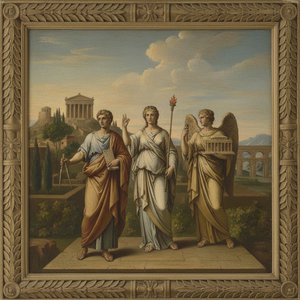
Parnassus (study) (Anton Raphael Mengs, 1760)
Anton Raphael Mengs (1728–1779) je izdelal Parnassus (study). Zajema leto 1760. Spada v umetniško smer Neoclassical. Izdelano je iz Acrylic On Canvas. Del se nahaja v muzeju Ermitaž v mestu Sankt Peterburg, Rusija.
- 1760
- Acrylic On Canvas
- Ermitaž, Sankt Peterburg

 Predogled v realnem okolju

 Ročno izdelano oljno slikarstvo
 Pošlji
 Deli
 Informacijski list za tjači


 Prenesi sliko
 Podobni izdelki
 Rentgenski posnetek
 Predvajaj diaporama
 Vprašanja in odgovori

 Statistika
Parnassus (study), na kratek
- Naslov
- Parnassus (study)
- Umetnik
- Anton Raphael Mengs (1728–1779)
- Umetnik, rojen v
- Ústí nad Labem, Češka
- Datum
- 1760
- Tehniko
- Acrylic On Canvas
- Kje je razstavljeno
- Ermitaž, Sankt Peterburg, Rusija
- Gibanje
- Neoclassical
- Tema
- mythology, apollo, muses, parnassus, study, figures
Kaj prikazuje Parnassus (study)?
A Glimpse of Enlightenment: Anton Raphael Mengs’ “Parnassus (Study)”
Anton Raphael Mengs' "Parnassus (Study)," painted in 1760, isn’t merely a depiction of a classical scene; it’s a carefully constructed meditation on knowledge, aspiration, and the burgeoning spirit of Neoclassicism. This intimate study, far removed from the grand scale of his later frescoes, offers an unparalleled intimacy with Mengs' artistic process – a rare opportunity to witness the genesis of a masterpiece. The painting captures a gathering around a statue of Apollo, the mythical patron of the arts and sciences, surrounded by figures engaged in various intellectual pursuits. It’s a tableau vivant, brimming with quiet contemplation and subtle gestures that speak volumes about the era’s fascination with reviving classical ideals.
The Neoclassical Composition: Harmony and Restraint
Mengs' style here is distinctly Neoclassical, reflecting the artistic currents of 18th-century Europe. He meticulously adheres to the principles established by artists like Raphael and Michelangelo – a commitment to clarity, balance, and idealized forms. The composition is remarkably ordered; figures are arranged with deliberate precision, creating a sense of harmonious equilibrium. Note the careful use of light and shadow, which sculpts the forms and directs the viewer’s eye across the scene. The muted palette—dominated by earthy tones of ochre, brown, and grey—further enhances the painting's sense of restraint and intellectual seriousness. The background is deliberately vague, emphasizing the figures themselves and drawing attention to their interactions.
- Apollo’s Centrality: The statue of Apollo serves as the undeniable focal point, radiating an aura of authority and wisdom.
- The Muses' Presence: Flanking Apollo are the nine Muses, each embodying a different artistic discipline – poetry, music, dance, etc. Their graceful poses and attentive gazes suggest their role as guides and inspiration for the assembled scholars.
- Diverse Figures: The gathering includes philosophers, poets, musicians, and artists, representing the breadth of intellectual pursuits valued during this period.
Symbolism Woven into Detail: Bananas and Beyond
Beyond the obvious references to classical mythology and philosophy, “Parnassus (Study)” is rich in subtle symbolism. The inclusion of two bananas – a rather unexpected detail – has sparked considerable debate among art historians. Some interpret them as representing the fruits of knowledge, while others see them as a playful nod to contemporary trends or even a commentary on the fleeting nature of beauty and pleasure. The bowl on the table, filled with fruit, reinforces this theme of abundance and nourishment for the mind. The careful placement of each object contributes to the painting’s layered meaning, inviting viewers to engage in a deeper interpretation.
A Window into Mengs' Process: Intimacy and Reflection
What truly distinguishes “Parnassus (Study)” is its intimate scale and evident preparatory nature. It’s not a finished masterpiece but rather a study, a glimpse into Mengs’ creative process. The brushstrokes are visible, revealing the artist's hand at work – a testament to his dedication and meticulous attention to detail. The painting exudes a sense of quiet reflection, suggesting that Mengs was not simply documenting a scene but grappling with fundamental questions about art, knowledge, and the role of the individual within society. It’s a poignant reminder that even in grand artistic endeavors, the most profound insights often emerge from moments of focused contemplation.
Reproductions of “Parnassus (Study)” offer a remarkable opportunity to bring this captivating artwork into your home or office. Each carefully crafted reproduction captures the painting's nuanced details and evocative atmosphere, allowing you to appreciate Mengs’ genius for generations to come.
V katerem muzeju se nahaja Parnassus (study)?
Ermitaž
Sankt Peterburg, Rusija
Zamrzel palača: Razkritje zakladov Ermitaža Državni muzej Ermitaž v Sankt Peterburgu ni le skladišče umetnosti; je poglobljeno potovanje skozi čas, spomen russkih imperialnih ambicij in njihove trajne umetniške dediščine. Skrit v opulentni Zimski palač – nekoč samem srcu tsarske moči – se muzej razpreča kot skrbno zastrežena pripoved, ki razkriva plasti zgodovine, kulture in zaprepašljive lepote. Zamenjen z ustanovitvijo s strani Katarine Velike leta 1764 z le eno sliko kot jedro, je zazelenil v enega največjih in najcelovitejšega muzejev na svetu, ki v njegovi zbogoj hosti več kot tri milijone predmetov, razpršenih skozi millennia in kontinente.


Visokoresolucijske slike dela Parnassus (study)

Javna lastnina: umetnik je umrl leta 1779.
Druge velikosti, izrezave in citiranje →Anton Raphael Mengs, Parnassus (study) (1760), Ermitaž. Domen javne lastnine
Odgovori na vprašanja o Parnassus (study)
Kje lahko vidim originalno delo "Parnassus (study)" avtorja Anton Raphael Mengs?
Del "Parnassus (study)" avtorja Anton Raphael Mengs je razstavljen v muzeju Ermitaž, Sankt Peterburg, Rusija. Navedba muzeja se nanaša na originalno delo, ne pa na reprodukcije.
Kdaj je bilo ustvarjeno "Parnassus (study)"?
"Parnassus (study)" izvira iz 1760. Ta datum delo situira v okvir Anton Raphael Mengsove kariere in obdobja, v katerem je nastalo.
V kateri tehniki je izdelano delo "Parnassus (study)" avtorja Anton Raphael Mengs?
Tehnika za delo "Parnassus (study)" avtorja Anton Raphael Mengs je Acrylic On Canvas. Različice imajo za namen natančno prikazati videz te tehnike.
Kaj predstavlja "Parnassus (study)"?
Motivi dela "Parnassus (study)" so mythology, apollo, muses, parnassus, study, figures, composition.
Ali je delo "Parnassus (study)" avtorja Anton Raphael Mengs v javni lastini?
"Parnassus (study)" avtorja Anton Raphael Mengs je v javni domeni (v javni domeni – avtorska pravica je zastarela). Ta status določa način, kako se lahko slika dela reproducira.
Kdo je avtor dela "Parnassus (study)"?
Avtor dela "Parnassus (study)" je Anton Raphael Mengs. Del je katalogiran pod imenom Anton Raphael Mengs.
Kateri umetniški slog pripada "Parnassus (study)"?
"Parnassus (study)" je del umetniškega sloga Neoclassical, ki predstavlja umetniško tradicijo, v katero je delo vključeno.
V katero obdobje Anton Raphael Mengsove kariere spada delo "Parnassus (study)"?
"Parnassus (study)" predstavlja Mature Period umetnika Anton Raphael Mengs.
Pri katerih letih je Anton Raphael Mengs ustvaril/a "Parnassus (study)"?
Ko je bilo delo "Parnassus (study)" ustvarjeno leta 1760, je bil Anton Raphael Mengs – rojen leta 1728 – star 32 let.
O umetniku, Anton Raphael Mengs

1728–1779, Češka
Anton Raphael Mengs
Most med svetovi: Življenje in umetnost Antona Rafaela Mengsa Anton Rafael Mengs se je pojavil v fascinantnem obdobju evropske umetnosti, času ko so bogate oblike rokokoa začele popuščati in se ponovno cenila klasična idealizacija. Rodil se je leta 1728 v Ústí nad Labem na Češkem – pokrajini, ki je danes del Češke republike – njegovo umetniško potovanje pa sta močno oblikovala tako njegov rodov kot intelektualni tokovi razsvetljenstva. Njegov oče, Ismael Mengs, danski slikar, ki je našel mecenstvo na dvoru v Dresdnu, je že zgodaj prepoznal izjemno nadarjenost mladega Antona. To ga je leta 1741 pripeljalo do ključnega premika: preselitve v Rim, kjer se je slikar potopil v študij antičnih mojstrovin in del renesančnih mojstrov, kot je Rafael.
O umetniku Anton Raphael Mengs Znomeni dela umetnika Anton Raphael Mengs
Tudi dela avtorja Anton Raphael Mengs
 Johann Joachim Winckelmann (1717–1768)1777
 Perseus and Andromeda1774
 Maria Luisa of Parma1765
 Self Portrait1774

Eseji o delu Parnassus (study)
 Mastering Antiquity: The Top 25 Greatest Artworks by Andrea MantegnaJourney through the Renaissance with our curated guide to the top 25 Andrea Mantegna masterpieces. Explore his mastery of perspective, clas…
 The Elegance of Neoclassicism: Rediscovering Order, Balance, and Timeless Beauty in Fine ArtExplore the timeless elegance of Neoclassicism. Discover how order, balance, and classical ideals shaped art history through masterful scul…
 Nicolas Poussin: Classicism, Allegory & Order in 17th-Century French PaintingExplore the life & work of Nicolas Poussin, a master of French Classicism. Discover his allegorical paintings, Roman influences, and enduri…