 Pošlji
 Deli
Deli
 Podrobnosti o delu
 Priročnik

 Prenesi sliko
 Podobni izdelki
 Predvajaj diaporama
 Vprašanja in odgovori
 Statistika
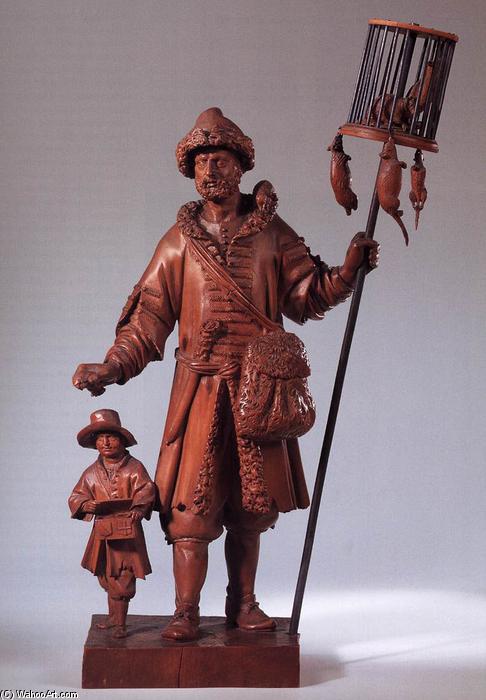
Lovček miši


 Preberi več
Giclée tisk / Umetniški tisk
Giclée ali platnati odtis muzejske kakovosti z hitro proizvodnjo in prilagodljivimi možnostmi končne obdelave. ( Kupite ročno slikano delo Preklop na digitalno sliko)




































Izberite eno od naših vnaprej določenih velikosti, ki ustrezajo prvotnim proporcijam umetničkega dela.

Vnesite širino in višino, ki jih potrebujete za svoj okvir ali steno. Tiskanje se lahko le odreže, vendar ga ni mogoče narediti večjega od slike, zato format z drugačno obliko pomeni izgubo dela slike. Pred tiskanjem vam pošljemo digitalni predogled za potrditev. Slika, prikazana na tej strani, ne prikazuje dejanskega izrezka — le predogled to omogoča.
Globalna dostava () v 2 tednih namesto standardnih 4/5 tednov. (4 november)

Brezplačna ekspresna dostava po vsem svetu

Visokokakovostno laneno platno

Popolno zavarovanje pošiljke

Garancija povračila carine in uvoznih davkov

Garancija popolnega barvnega ujemanja

100-dnevna politika vračil (le v primeru okvar)

Garancija 100% povračila denarja

Popust pri večjem naročilu
 Možnost stekla je na voljo le za velikosti pod 110 cm

Lovček miši
Giclée tisk / Umetniški tisk
Velikost reprodukcije
-


Skupna cena
€ 72
Ambrosius van Swol: The Silent Sculptor of Utrecht – A Baroque Masterpiece Revisited
Ambrosius van Swol (c. 1640 – 1680) remains a figure shrouded in relative obscurity compared to his contemporaries—artists who graced the canvases of Rembrandt and Vermeer—yet his contribution to Dutch Baroque sculpture deserves recognition as a testament to artistic innovation within a period defined by grandeur and dramatic expression. Born in Utrecht, Netherlands, Van Swol’s life details are scarce, leaving much to speculation about his formative years and early artistic inclinations. However, surviving documentation confirms he established himself as a sculptor and frame maker around 1643, marking the beginning of a prolific career that spanned nearly four decades.
Early Career & Patronage: Van Swol’s initial commissions primarily focused on crafting ornate frames for paintings—a crucial element in the visual culture of Utrecht during his time. These frames weren't merely decorative; they were meticulously designed to enhance the luminosity and color palette of artworks, reflecting a sophisticated understanding of optics and artistic aesthetics. Evidence suggests he worked under the patronage of influential families like the Van Loon clan, whose opulent estates served as hubs for artistic activity. Notable Sculptures: While his frame work undoubtedly provided a steady income, Van Swol’s true artistry shone through in his sculptures—particularly “The Rat-Catcher,” currently housed at Museum Van Loon. This remarkable piece exemplifies the Baroque style's penchant for dramatic realism and emotional intensity. Executed around 1660, it depicts a rat catcher engaged in capturing a rodent with considerable skill and determination.
Style & Technique: Ambrosius van Swol’s artistic approach aligns closely with Albert Vinckenbrinck, a prominent Utrecht sculptor who championed naturalism and expressive dynamism. Like Vinckenbrinck, Van Swol prioritized conveying emotion through form—capturing the physicality of movement and gesture to imbue his sculptures with palpable vitality. His works are characterized by smooth surfaces, polished marble or alabaster, and subtle drapery folds that contribute to an overall sense of elegance and sophistication.
Historical Context & Symbolism: The Baroque era in Utrecht was marked by a fervent belief in divine providence and a desire to inspire awe and reverence. Artists like Van Swol responded to these spiritual currents by portraying biblical narratives with meticulous detail—emphasizing human emotion and psychological complexity. “The Rat-Catcher,” as depicted in prints by Rembrandt, Joris van Vliet and Cornelis Visscher, served as a visual metaphor for confronting evil and asserting moral authority – themes central to Baroque artistic discourse.
Emotional Impact & Legacy: Despite his considerable talent, Van Swol’s artistic legacy endured relative obscurity for centuries—primarily due to the limited surviving documentation of his life and oeuvre. However, recent scholarship has begun to illuminate his significance as a sculptor who skillfully blended technical virtuosity with humanist ideals. Museums like Museum Van Loon continue to champion Van Swol's work, ensuring that this silent sculptor’s contribution to Dutch Baroque art is remembered for generations to come.
Vprašanja in odgovori
Kaj predstavlja "Lovček miši" in kakšno vzdušje prikliče?
"Lovček miši" avtorja Ambrosius Van Swol prikazuje baroque sculpture, dutch art history, renaissance influence, human anatomy, animal representation, decorative arts, sculptural detail, 17th century art v Eleganca vzdušju. Motiv in atmosfera skupaj opisujeta delo.
Katera barva najbolj izstopa v delu "Lovček miši"?
Prevladujoča barva dela "Lovček miši" avtorja Ambrosius Van Swol je Espreso (#3f1e20).
Kako si lahko ogledam predogled reprodukcije dela "Lovček miši" avtorja Ambrosius Van Swol?
Stran Predogled dela za delo "Lovček miši" vam omogoča ogled umetnin pred naročilom.
Biografija umetnika
The Silent Sculptor of Utrecht
In the golden twilight of the Dutch seventeenth century, amidst the bustling workshops of Utrecht, lived a master whose hands shaped both the boundaries of art and the figures within them. Ambrosius van Swol (c. 1640 – 1680) remains a figure shrouded in a certain poetic obscurity, a name whispered alongside the giants of his era like Rembrandt and Vermeer, yet possessing a distinct, tactile legacy. While history often favors the sweeping narratives of painters, Van Swol carved a niche for himself through a dual mastery of the frame and the form. His early documented career, beginning around 1643, reveals an artist deeply embedded in the visual fabric of his city, serving as both a meticulous frame maker and a sculptor of profound anatomical insight.
To understand Van Swol is to understand the importance of the threshold. In his early years, he was renowned for crafting ornate frames that were far more than mere borders; they were essential extensions of the masterpieces they held. These gilded and carved enclosures were designed with a sophisticated grasp of optics, intended to enhance the luminosity and color palettes of the era's great paintings. Through this work, Van Swol developed an intimate relationship with light and shadow, a sensitivity that would later breathe life into his three-dimensional creations.
A Mastery of Form and Drama
As his career matured, Van Swol’s true sculptural voice emerged, characterized by the dramatic realism and emotional intensity synonymous with the Baroque style. His most celebrated achievement, “The Rat-Catcher,” stands as a testament to this period of creative flowering. Executed around 1660, this remarkable piece transcends simple depiction to offer a visceral glimpse into the grit and determination of everyday life. The sculpture captures a moment of focused tension, where the musculature of the figure—particularly the straining arms of the catcher—is rendered with an unparalleled accuracy that speaks to his deep study of human anatomy.
This work was not born in isolation but was part of a rich dialogue with the broader Dutch artistic landscape. Van Swol’s sculptural vision aligned closely with the naturalism and expressive dynamism championed by Albert Vinckenbrinck, another prominent Utrecht sculptor. There is a palpable sense of movement and life in his figures, an attempt to freeze a singular, breathless moment of action within the permanence of stone or bronze. His ability to convey complex human emotions through physical form allowed him to bridge the gap between the decorative and the profound.
Legacy and Historical Significance
Though his life was relatively short, ending in 1680, the impact of Van Swol’s craftsmanship left an indelible mark on the Utrecht school. His work often drew inspiration from the evocative imagery found in the etchings of Rembrandt, particularly the themes of common laborers and the dramatic interplay of light. By translating the graphic energy of printmaking into the physical weight of sculpture, he contributed to a unique synthesis of mediums that defined the Dutch Golden Age.
Today, the remnants of his brilliance can still be found in prestigious collections, such as Museum Van Loon, where his work continues to invite contemplation. His legacy is defined by several key contributions:
- The Art of the Frame: Elevating the decorative border into a vital component of the viewing experience through an advanced understanding of light and aesthetics.
- Baroque Realism: Bringing a heightened sense of anatomical truth and emotional urgency to small-scale sculpture.
- Cultural Integration: Connecting the sculptural traditions of Utrecht with the broader, world-renowned influences of the Dutch masters.
Ambrosius van Swol may be remembered as a "silent" sculptor, yet his work speaks with a resounding clarity, reminding us that the true essence of art often lies in the meticulous details and the profound strength found in the most humble of subjects.

Ambrosius Van Swol
1640 - 1680 , Netherlands
Hitri podatki
- Full Name: Ambrosius van Swol
- Nationality: Dutch
- Date Of Birth: 1640
- Date Of Death: 1680
- Place Of Birth: Utrecht, Netherlands
- Notable Artworks: ['The Rat-Catcher']
- Artistic Movement Or Style: Baroque
- Artists Who Influenced This Artist: ['Albert Vinckenbrinck']
- Artists Or Movements Influenced By This Artist: ['Vincent Van Gogh']
Sorodni članki

Illuminating Innovation: Exploring the Dutch Golden Age of Painting
Explore the Dutch Golden Age of painting with OriginalUniqueArt. Discover Rembrandt, Vermeer & other Masters. Learn about key characteristics, iconic artworks, and lasting influence. Expert insights for collectors & enthusiasts.

Golden Age Reflections: Dutch Baroque Painting & Cultural Innovation
Explore the Dutch Golden Age of painting! Discover key artists like Vermeer & ter Borch, their innovative techniques, and the rich cultural context behind these Baroque masterpieces. Learn about collecting & appreciating this iconic art period.

10 Mojstrovin Nizozemske Zlate dobe: Umjetnost, ki je definirala svojo dobo
Odkrijte 10 mojstrovin Nizozemske zlate dobe! Rembrandt, Vermeer & več – spoznajte zgodbe za temi ikoničnih umetnin. Inspirirajte se za notranji dizajn in poiščite reprodukcije na OriginalUniqueArt.com!

Golden Light & Dutch Skies: The Timeless Magic of Dutch Golden Age Landscapes
Discover the breathtaking beauty of Dutch Golden Age landscapes. Explore the mastery of light, chiaroscuro, and 17th-century realism through an expert art history lens, celebrating the enduring legacy of the Dutch Masters for discerning collectors and art lovers.

Chiaroscuro and Character: A Definitive Guide to Light and Shadow in the Dutch Baroque Era
Explore the dramatic mastery of the Dutch Baroque era. Discover how masters like Rembrandt used chiaroscuro to transform everyday life into timeless art. An expert guide for collectors and enthusiasts seeking to understand the profound interplay of light and shadow.
