

 Preverite v realnem okolju
 Pošlji kot čestitko
 Deli
Deli
 Podrobnosti
 Priročnik

 Prenesi
 Podobni artefakti
 Rentgenski posnetek
 Predvajaj diaporama
 Statistika
Autumn Flowers


 Preberi več
Giclée tisk / Umetniški tisk
Giclée ali platnati odtis muzejske kakovosti z hitro proizvodnjo in prilagodljivimi možnostmi končne obdelave. ( Naročite ročno slikano reprodukcijo Preklop na digitalno sliko)




P118B €10

P118H €10

P118W €10

P438Z €10

P508JH €12

P508YH €12

P805H €10

P805Z €10

P919BZ €10

P919G €10

P919XJ €10

P959ZH €10

P968JZ €12

W106C €8

W218G €10

W218JH €8

W218Y €10

W307PJ €10

W316G €10

W316PJ €8

W316Y €10

W398PJ €8

W4111J €10

W500HY €15

W500JH €15

W692G €12

W849H €8

W940BG €15

W953PJ €8




Izberite eno od naših vnaprej določenih velikosti, ki ustrezajo prvotnim proporcijam umetničkega dela.

Svoje dimenzije lahko vnesete sami, da bodo ustrezne za določen okvir ali prostor. Če izbrana velikost ne bo skladna z razmerji izvirne slike, bomo umetniško delo orezali ali podaljšali s pomočjo ogledalnega odraza ali barvno polnega roba. Pred začetkom proizvodnje vam bomo poslali digitalni predogled za potrditev.
Upoštevajte, da predogled na zaslonu ne prikazuje dejanskega orezovanja ali podaljševanja. Le digitalni predogled bo natančno prikazal končno kompozicijo.
Čeprav so na voljo prilagojene velikosti, priporočamo izbiro dimenzije s predhodno določenega seznama, da ohranite prvotna razmerja.
Globalna dostava () v 2 tednih namesto standardnih 4/5 tednov. (3 oktober)

Brezplačna ekspresna dostava po vsem svetu

Visokokakovostno laneno platno

Popolno zavarovanje pošiljke

Garancija povračila carine in uvoznih davkov

Garancija popolnega barvnega ujemanja

Politika vračila v 100 dneh (le v primeru okvar)

Garancija 100% povračila denarja

Popust pri večjem naročilu
 Možnost stekla je na voljo le za velikosti pod 110 cm

Autumn Flowers
Giclée tisk / Umetniški tisk
Velikost reprodukcije
-


Skupna cena
€ 69
A Portrait of a Moment: The Enigmatic Beauty of *Autumn Flowers*
Alfred Stevens’s *Autumn Flowers*, painted in 1867, isn't merely a depiction of a woman amidst flowers; it’s an exquisitely crafted meditation on stillness, light, and the subtle poetry of everyday life. At first glance, the painting presents a seemingly simple arrangement: a seated lady, her posture suggesting quiet contemplation, surrounded by a still-life tableau of fabrics, blossoms, and a delicately rendered table. Yet, beneath this surface lies a profound exploration of form, color, and the very essence of observation – a hallmark of Stevens’s unique artistic vision.
Stevens, a pivotal figure in 19th-century Belgian art, deliberately eschewed the prevailing trends of his time. Rejecting the fleeting effects of Impressionism's vibrant light and atmosphere, he instead focused on capturing an immutable quality – the frozen gesture, the fixed expression, the enduring presence of the subject. This deliberate choice is powerfully evident in *Autumn Flowers*. The woman’s hand, poised as if about to touch a flower, isn’t caught in motion; it's suspended, imbued with a sense of timelessness. Her gaze, directed slightly off-canvas, invites us into her private world, suggesting an inner life beyond the immediate scene.
The Language of Color and Texture: Stevens’s Masterful Technique
What immediately draws the eye is Stevens's extraordinary command of color and texture. He employs a remarkably restrained palette – primarily shades of grey, black, and muted browns – punctuated by flashes of pastel pink, chestnut brown, and the glossy sheen of the table cover. This deliberate limitation isn’t a sign of restraint but rather a strategic choice to emphasize form and light. The artist masterfully utilizes chiaroscuro, creating dramatic contrasts between light and shadow that sculpt the figures and objects with remarkable precision. Notice how the highlights on the woman's chignon and the delicate folds of her dress draw our attention while simultaneously deepening the shadows around her face, lending a sense of mystery and depth.
Stevens’s technique is equally noteworthy for its meticulous detail. He employs a smooth, almost polished surface – reminiscent of 17th-century Dutch masters like Rembrandt and Vermeer – achieved through careful layering of paint and the use of a knife to blend colors seamlessly. This creates an illusion of tactile reality, inviting us to reach out and touch the fabrics, feel the texture of the flowers, and appreciate the subtle variations in color and tone. The artist’s attention to detail extends beyond mere representation; it's a deliberate attempt to capture the *essence* of each element within the composition.
Symbolism and the Portrait of Modernity
Beyond its technical brilliance, *Autumn Flowers* is rich in symbolic meaning. The woman herself represents a type of modern femininity – poised, elegant, and seemingly detached from the bustle of Parisian life. Her attire, with its jet frills and flounces, speaks to the fashionable trends of the era while simultaneously conveying a sense of quiet dignity. The surrounding still-life elements—the fabrics, flowers, and table—are not merely decorative; they function as a carefully constructed visual language, hinting at themes of luxury, domesticity, and the fleeting beauty of life.
Stevens’s comparison to Gustave Vanzype – that the painting is a still life composed of the fabrics in which she is dressed and the things around her – reveals a deeper intention. He wasn't simply depicting a woman; he was creating a miniature world, a carefully orchestrated tableau that captures a specific moment in time and reflects the values and aesthetics of his era. The reference to Whistler’s ambition to “use colours to compete with the musician who uses sounds” underscores Stevens’s own desire to elevate color from mere decoration to an expressive element within the painting.
A Legacy of Stillness: Stevens's Enduring Appeal
*Autumn Flowers* stands as a testament to Alfred Stevens’s singular artistic vision. It is a painting that rewards careful observation, inviting us to linger and contemplate its subtle nuances. Its enduring appeal lies not in dramatic gestures or fleeting effects but in its quiet beauty, its masterful technique, and its profound exploration of the human condition. Reproductions of this captivating work offer a window into a bygone era, capturing the elegance and sophistication of 19th-century Parisian life while simultaneously reminding us of the timeless power of stillness and observation.
Vprašanja in odgovori
Ali lahko pred nakupom vidim "Autumn Flowers" avtorja Alfred Stevens na svoji steni?
Delo "Autumn Flowers" ima predogled z augmented reality: stran AR predogled za to umetnino prikazuje delo v vašem lastnem prostoru na združljivi napravi.
Koliko je bil Alfred Stevens star ob ustvarjanju dela "Autumn Flowers" leta 1867?
Alfred Stevens je bil/a star/a 44 let, ko je ustvaril/a "Autumn Flowers" leta 1867. Starost je izračunana na podlagi leta rojstva umetnika, 1823.
Kako "Autumn Flowers" uravновеža svetlo in temno?
"Autumn Flowers" avtorja Alfred Stevens je zabeležen z jasnostjo deep_shadow in luminanco Dark.
Kdo je umetnik za "Autumn Flowers"?
Avtor dela "Autumn Flowers" je Alfred Stevens. Del je katalogiran pod imenom Alfred Stevens.
V letu katerega je bilo ustvarjeno delo "Autumn Flowers" avtorja Alfred Stevens?
"Autumn Flowers" avtorja Alfred Stevens je nastalo leta 1867.
Ali je "Autumn Flowers" avtorja Alfred Stevens portretna, krajinska ali kvadratna kompozicija?
"Autumn Flowers" avtorja Alfred Stevens je Portrait kompozicija. Pred izbiro velikosti tiska je priporočljivo preveriti njene proporcije.
Ali obstajajo dela, podobna delu "Autumn Flowers"?
Delala, podobna delu "Autumn Flowers", so navedena na strani Podobna dela tega umetniškega dela.
Biografija umetnika
Zgodna mladost in izobraževanje
Alfred Émile Léopold Stevens, eden izmed najbolj udejnih belgijskih slikarjev, se je rodil 11. maja 1823 v Bruselu. Njegova družina je bila globoko utopljena v svet vizualnih umetnosti; njegov starejši brat Joseph (1816–1892) in sin Léopold (1866–1935) sta bila prav tako slikarja, medtem ko je bil še eden njegov brat, Arthur (1825–99), založnik in umetnostni kritik.Zgodovina umetniške poti
Stevens je svojo umetniško pot začel na Académie Royale des Beaux-Arts v Bruselu, kjer je pod mentorstvom neoklasicista Françoisa Naveza pridobival dragocenega znanja. Leta 1843 se je presel v Pariz, da bi se pridružil bratu Josuphi, in bil sprejet v prestižni École des Beaux-als. Čeprav je vprašanje, ali je postal učenec Jeana Augusta Dominique Ingresa, še vedno predmet debat, njegovo zgodnje delo, kot je Pardon ali odpušanje (Hermitage, Sankt Peterburg), podpisan in datiran leta 1849, uteleša njegrove mojstrstvo v klasičnem naturalističnem slogu, ki je močno navdihnjen s slikarskim žanrom iz 17. stoletja v nizozemski tradiciji.Vzpon do vrhunca slavne umetnosti
Stevensovo delo se je prvič javno predstavilo leta 1851 na bruseljskem salonu, kar mu je prineslo priznanje, ko je leta 1853 prejel medaljo tretje vrste na pariškem salonu in leta 1855 medaljo druge vrste na Univerzalni izložbi v Parizu. Njegova slika Ce qu'on appelle le vagabondage (Muzej d'Orsay, Pariz) je pritegnila pozornost samega Napoleona III, kar je spodbudilo pomembne spremembe v socialnem ravnanju do revnih.Pomembna dela in umetniško dediščino
- La Dame en Rose ali Žena v rožnati obleki (Kraljevi muzeji lepih umetnosti v Belgiji, Bruselj), naslikana leta 1866, je vrhunski primer njegovega dela v tem obdobju, saj z virtuozno kombinacijo modno oblečene ženske in podrobne raziskave japonskih predmetov pripoveduje zgodbo o eleganci in egzotiki.
- Stevens je leta 1863 od francenske vlade prejel častni naziv Legije časti (chevalier), leta 1867 pa je bil povprečen v častni častnik Legije časti.

Alfred Stevens
1823 - 1906 , Belgija
Ključne informacije
- Artistic Movement Or Style: Akademski realizem
- Artists Who Influenced This Artist:
- Jean Auguste Dominique Ingres
- Dutch Masters
- Date Of Birth: 11. maj 1823
- Date Of Death: 1906
- Full Name: Alfred Émile Léopold Stevens
- Nationality: Belgijski
- Notable Artworks:
- La Dame en Rose
- Obisk ateljeja
- Skica za 'Panorama stoletja', 'Cesarica Josephine in njen dvor'
- Place Of Birth: Bruselj, Belgija
Sorodni članki

Sir Alfred Munnings' Masterpieces: 25 Paintings That Define Equine Art | OriginalUniqueArt
Explore 25 iconic Sir Alfred Munnings paintings! Discover the beauty of British Impressionism, equine art & rural England. Find museum-quality reproductions and elevate your home decor with OriginalUniqueArt. Explore the full collection online.

Alfred Stevens: Capturing Parisian Life with Intimate Realism & Symbolist Flair
Explore the captivating world of Alfred Stevens, a pioneer of intimate realism & Symbolist painting. Discover his elegant portraits of Parisian women and learn about his Dutch influences & lasting legacy. Art history insights at OriginalUniqueArt.
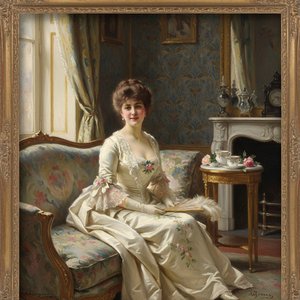
Alfred Stevens: Capturing Parisian Elegance & Fin-de-Siècle Intimacy
Discover the captivating world of Alfred Stevens, master of Parisian elegance & intimate portraiture. Explore his techniques, influences, and legacy – a prized collection for discerning art enthusiasts.

Romantic Realism's Finest: 10 Masterpieces for Your Home | OriginalUniqueArt
Explore 10 defining masterpieces of Romantic Realism! Discover Courbet, Millet & Daumier's powerful paintings—capturing emotion and social realities. Find museum-quality reproductions for your home at OriginalUniqueArt.com.
Realism's Masters: 10 Artworks That Capture Life's Essence | OriginalUniqueArt
Explore 10 iconic realism artworks by Courbet, Millet & more! Discover the stories behind these masterpieces of 19th-century painting. Find museum-quality art reproductions and elevate your home decor with OriginalUniqueArt.com.