


1


Posodobljeno november 2026 · uvrščeno glede na naš skoraj priljubljenosti (iskanja, obiske in naročila za vsako delo) · 21 del v našem katalogu avtorja Lorenzo Lippi
Kratek opis
Izpostavljeno v galeriji je najbolj znano sliko umetnika Lorenzo Lippi, ki je The Allegory of Simulation. Christ and the Woman of Samaria (1644) in The Hour of Death (1635) dopolnjujeta trijo, ki jo prepozna vsak pogled. Od 21 del avtorja Lorenzo Lippi v našem katalogu galerija spodaj predstavlja 21 najbolj znanih; vsako je original z letom nastanka, pripadajočim mu muzejem in opisom tistega, kar ga dela edinstavnim.

A Meeting at the Well The air feels heavy with the weight of a sudden, spiritual encounter. On the left, a woman stands in a moment of startled stillness, her body upright and her hands clutching a terracotta water jug. Her garments—a white chemise, a golden-yellow bodice, and a heavy mauve skirt with intricate embroidery at the hem—catch the light, suggesting a life of tangible, earthly labor. Across from her,…

The air in the scene feels heavy, thick with the tension of a sudden, inevitable arrival. A skeletal figure, stripped of all warmth, reaches out to claim its due, its bony fingers cutting through the space between life and the void. This personification of mortality does not merely exist; it acts, driving a wedge into the composition. To the right, a muscular male figure reacts with a raw, physical intensity,…

In this intimate scene, Lorenzo Lippi captures a moment of profound vulnerability and tender care. The painting, titled Angelica and Medoro, presents a wounded man, partially unclothed, who rests amidst a rugged landscape. He is being tended to by a woman who holds a tray, her presence offering a quiet strength as she attends to his needs. The air between them feels heavy with the weight of sacrifice and the…

A single, sharp diagonal cuts through the darkness. It is the line of a sword, cold and decisive, slicing across the frame to bridge the gap between the living and the dead. Judith holds the severed head of Holofernes with a grip that suggests both necessity and a heavy, quiet burden. Her skin glows under a concentrated light, a pale contrast to the deep, lapis blue of her gown. The…

The scene unfolds through the hands of Lorenzo Lippi, an artist born in Florence on 3 May 1606. In this work, titled Samson and Delilah, the painter captures a moment of profound betrayal. The narrative finds its roots in the biblical Book of Judges, where the strength of a warrior meets the quiet treachery of a woman. Lippi brings this ancient story to life on canvas, focusing on the tension…


Lorenzo Lippi's “An Allegory of Innocence,” painted around 1640, isn’t merely a portrait; it’s a carefully constructed meditation on virtue, faith, and the enduring power of childhood. Within its serene confines resides a profound narrative, rendered with the delicate precision characteristic of Lippi’s Florentine style. The painting immediately draws the eye to a young woman, draped in a simple yet elegant blue gown, her head crowned with a garland of…
 SAINT FRANCOIS D'ASSISE EN PRIERELouvre
12
 Portrait of Vittoria della RovereKunsthistorisches Museum
13
 Maria Leopoldine of AustriaKunsthistorisches Museum
14
 Woman With A Mask
15
 Claudia de' MediciKunsthistorisches Museum
16
 Allegory of Music
17
 David with the Head of Goliath
18
 Portrait of Evangelista Torricelli.
19
 Saint agatha
20
 Allegory of Fortune
21
 Lot and his DaughtersGalleria degli Uffizi
Četiri teme, ki se v teh originalih najpogosteje ponavljajo, vsaka z svojim vrhunskim primerom.
8 muzejev, ki vsebujo največ slik na tej strani.
| Muzej | Mesto | Sloga Lorenzo Lippi | Slike iz tega seznama |
|---|---|---|---|
 Kunsthistorisches Museum |
Dunaj | 5 | Christ and the Woman of Samaria, Portrait of Claudia de' Medici, Portrait of Vittoria della Rovere |
 Bavarske državne slikopisne zbirke |
München | 1 | The Hour of Death |
 National Gallery of Ireland |
Dublin | 1 | Angelica and Medoro |
 Musée d'art et d'histoire de Narbonne |
Narbonne | 1 | Judith with the head of Holofernes |
 Nationalmuseum |
Stockholm | 1 | Samson and Delilah |
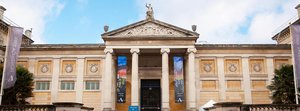 Muzej umetnosti in arheologije Ashmolean |
Oxford | 1 | An Allegory of Innocence |
 Louvre |
Pariz | 1 | SAINT FRANCOIS D'ASSISE EN PRIERE |
 Galleria degli Uffizi |
Firene | 1 | Lot and his Daughters |
Kariera umetnika Lorenzo Lippi na tej strani obsega 12 let, od 1633 do 1644: vsako leto je tu predstavljeno z njegovimi najbolj znanimi originali.
Izberite leto in oglej originale.
In this intimate scene, Lorenzo Lippi captures a moment of profound vulnerability and tender care. The painting, titled Angelica and Medoro, presents a wounded man, partially unclothed, who rests amidst a rugged landscape. He is being tended to by a woman who holds a tray, her presence offering a quiet strength as she attends to his needs. The air between them feels heavy with the weight of sacrifice and the…
The air in the scene feels heavy, thick with the tension of a sudden, inevitable arrival. A skeletal figure, stripped of all warmth, reaches out to claim its due, its bony fingers cutting through the space between life and the void. This personification of mortality does not merely exist; it acts, driving a wedge into the composition. To the right, a muscular male figure reacts with a raw, physical intensity,…
A single, sharp diagonal cuts through the darkness. It is the line of a sword, cold and decisive, slicing across the frame to bridge the gap between the living and the dead. Judith holds the severed head of Holofernes with a grip that suggests both necessity and a heavy, quiet burden. Her skin glows under a concentrated light, a pale contrast to the deep, lapis blue of her gown. The…
Več od 1640
A Meeting at the Well The air feels heavy with the weight of a sudden, spiritual encounter. On the left, a woman stands in a moment of startled stillness, her body upright and her hands clutching a terracotta water jug. Her garments—a white chemise, a golden-yellow bodice, and a heavy mauve skirt with intricate embroidery at the hem—catch the light, suggesting a life of tangible, earthly labor. Across from her,…
The Allegory of Simulation. Zatem sledeta Christ and the Woman of Samaria (1644) in The Hour of Death (1635).
The Allegory of Simulation, Christ and the Woman of Samaria, The Hour of Death, Angelica and Medoro, Judith with the head of Holofernes, Samson and Delilah, Sleeping Cupid, Portrait of Claudia de' Medici, Tobias and Archangel Raphael. in An Allegory of Innocence. Zgornja lestica prikazuje leto nastanka in muzej za vsako delo.
Naš katalog vsebuje 21 del avtorja Lorenzo Lippi, datiranih od 1633 do 1644.
Večini v Kunsthistorisches Museum (Dunaj), Bavarske državne slikopisne zbirke (München) in National Gallery of Ireland (Dublin). Zgoraj navedena tabela muzejev vsebuje njihov celoten seznam.
V obdobju 1640: 2 od 21 del na tej strani je bilo izdelovanih takrat, med njimi pa Judith with the head of Holofernes.
Na tej strani je najstarejše delo iz Angelica and Medoro (1633) in najstarejše iz Christ and the Woman of Samaria (1644).
Woman (5), Man (3) in Renaissance (3), na 21 delih na tej strani.
Oil On Canvas, za 6 od 21 del na tej strani.
Baroque, glede na originala na tej strani.
Christ and the Woman of Samaria, Portrait of Claudia de' Medici in Portrait of Vittoria della Rovere: v muzeju Kunsthistorisches Museum, Dunaj se nahaja 5 del z te strani.
In the vibrant, intellectual landscape of seventeenth-century Florence, few figures embodied the spirit of the humanist tradition as gracefully as Lorenzo Lippi. Born in 1606, Lippi was a man of dual mastery, navigating the worlds of visual art and literature with equal dexterity. While history often remembers him through the delicate strokes of his oil paintings, his soul was equally tethered to the rhythmic beauty of verse. He lived during a transformative era where the refined elegance of the Renaissance began to merge with the theatrical intensity of the Baroque, and Lippi stood at the very heart of this stylistic evolution.
Lippi’s artistic journey began under the tutelage of Matteo Rosselli, a master whose influence anchored Lippi in the prestigious Florentine tradition. Through Rosselli, Lippi inherited the meticulousness of Santi di Tito, a style characterized by precise observation and a profound respect for naturalism. However, Lippi was never content to merely replicate the past. He possessed an innate desire to infuse his work with a new, expressive dynamism. His personal philosophy—to "poetize as he spoke, and to paint as he saw"—served as the guiding light for his entire oeuvre, ensuring that every portrait and religious scene possessed a narrative depth that transcended mere representation.
The works of Lorenzo Lippi are celebrated for their remarkable ability to capture the psychological nuances of their subjects. Whether he was rendering the regal presence of nobility or the ethereal grace of celestial beings, his technique remained rooted in a sophisticated use of light and color. In masterpieces such as "Tobias and Archangel Raphael," one can witness the dramatic application of chiaroscuro, where deep shadows and brilliant highlights create a sense of movement and divine intervention. This tension between shadow and light is a hallmark of the Baroque period, yet Lippi maintained a certain Florentine clarity that prevented his compositions from becoming lost in excessive darkness.
His portraiture further demonstrates his versatility and skill. In works like "Portrait of Claudia de' Medici," Lippi showcases an opulent attention to detail, using texture and symbolic elements to convey the status and character of the sitter. Similarly, his "Woman With A Mask"* invites the viewer into a more introspective, mysterious realm, utilizing an enigmatic mood to engage the observer’s imagination. His ability to balance the grandiosity required by high-ranking patrons with an intimate, naturalistic touch allowed him to move seamlessly between different artistic demands.
Beyond the confines of his studio, Lippi’s intellectual pursuits led him far beyond the borders of Italy. His marriage to Giovanna Susini and his subsequent appointment as a court painter for Archduke Ferdinand II Habsburg in Innsbruck marked a significant chapter in his life. This period of international service not only expanded his exposure to diverse European influences but also provided the backdrop for his most famous literary achievement. It was during his time in the Habsburg court that he penned "Il Malmantile Racquistato," a sprawling, mock-heroic romance that blended elements of popular folklore with sophisticated literary allusions.
This literary endeavor, published under the pseudonym Perlone, solidified his reputation as a significant voice in Florentine literature. The intersection of his poetic wit and his painterly eye created a unique artistic identity—one where the boundaries between word and image were perpetually blurred. As we reflect on the life of Lorenzo Lippi, we see more than just a painter or a poet; we see a true Renaissance man of the Baroque age, whose legacy continues to resonate through the enduring beauty of his canvases and the enduring charm of his verses.


