


Kronika švedske identitete: Razkritje Nationalmuseum
V mirujočem srcu Stockholma, na spokojnem poluotoku Blasieholmen, se Nationalmuseum izteza daleč 넘어 preprosto kot skladišče umetnosti; je živopisna kronika kulturne evolucija Švedske. Zakorančen leta 1792 kot Kungliga Museet – Kraljevi muzej – je njegova zgodba neločljivo povezana z potjo države, od srednjovečne umetnosti in aristokratičneme poklonstva do drznega objema sodobne ekspresije. Stopiti skozi njegove vrata je podobno potovanje v poglobljeno raziskovanje švedske identitete, prepletene z bogato tapiserijo evropskih umetnostnih tradicij. Sama stavba, veličastno spomenstvo arhitekture severnoitalijanske renesance, ki jo je zasnoval nemški arhitekt Friedrich August Stüler, stoji kot močan simbol – namerno zatrta fasada skriva osupljivo prostoren notranjost, medtem ko dramatična stopnica, ki se vzpenja proti najvišjim galerijam, ne služi le kot funkcionalna pot, temveč kot vzpon v svet umetniškega razmišljanja. Ta arhitekturna izbira, ki odraža muzejeve korenine v kraljevih zbirkah, pripoveduje o fascinantni transformaciji: od prostora, ki je bil sprva namenjen prikazovanju kraljevih draguljev pridobljenih prek mecenatstva, do demokratizirane javne institucije, namenjene vsem Švedom.
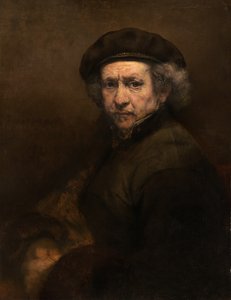
Zbirka Nationalmuseum predstavlja osupljiv panoramski pregled umetniških glasov skozi stoletja. Galerije slik ponujajo obsežno potovanje, ki se začne z nežnimi religioznimi scenami renesanse – mojstrovinami, ki vzbujajo globok občutek vere in predanosti – ter se zaključi pri vrhunskem chiaroscuro Rembrandtu in čustveno nabojnih platnah Goye. Ta dela, postavljena v kontrast z švedskimi nacionalnimi dragulji, poudarjajo predanost muzeja raz 전시vanju tako mednarodnih svetovnih mojstrov kot ključnih del, ki definira švedsko umetniško dediščino. Po tem evropskem velikanju muzej podpira švedske umetnike in predstavlja njihov prispevek skozi različna obdobja in gibanja – od dramatičnih pejzažev Alberta Rydberga do ganljivih portretov Carla Larssona. Oddelek skulptur je prav tako impresiven, saj vključuje klasična dela skupaj z bolj eksperimentalnimi oblikami, ki odražajo razvijajoče se umetniške občutljivosti; to je dokaz švedskega sodelovanja z zastavljenimi tradicijami in inovativnimi pristopi. Morda pa se Nationalmuseum v svoji zbirki umetnosti uporabne in oblikovanja dejansko loči od drugih. Obiskovalci lahko sledijo evoluciji švedskih estetskih idealov skozi skrbno izdelan pohištvo – ki uteleča funkcionalno lepoto in diskretno eleganco –, keramiko, prežeto s simbolnim pomenom, ter tekstil z zapletenimi vzorci, kar razkriva, kako se je umetnost skozi zgodovino neopazljivo zlitila s praktičnostjo.
Arhitekturni srčni utrip
Pomembnost stavbe sega daleč čez njeno umetniško vsebino. Ob odprju leta 1866 je struktura Nationalmuseum črpala navdih iz arhitekture severnoitalijske renesanse, kar je bila namerna izbira, odražajoča muzejeve začetke in njegovo povezavo s švedsko monarhijo. Fasada, namerno zdržana, v sebi skriva osupljivo prostoren notranji prostor – dokaz ambicioznosti njegovih arhitektov in graditeljjev. Dramatična stopnica, ki se vzpenja proti najvišjim galerijam, ni le način dostopa; je močan simbol, ki predstavlja vzpon v območje umetniškega razmišljanja. Ta arhitekturna izbira govori veliko o evoluciji muzeja od kraljevega arhivskega prostora do javne institucije, namenjene vsem Švedom. Gradnja stavbe je bila monumentalna podviga, v katerem so sodelovali spretni umetniki in mojstri iz vse Evrope, njen zaključek pa je označil ključni trenutek v kulturni pokrajini Stockholma.
Živ«, muzej: Raziskave in vključevanje
Nationalmuseum ni le statična razstava mojstrovin; je dinamično kulturno središče, ki se aktivno vpleta v sodobne teme skozi premišljeno kurirane raziskave. Med nedavnimi poudarki je izpostavljanje razstave „Hanna Hirsch Pauli – Umetnost biti prost“, ki raziskuje umetniško izražanje kot orodje za soočanje s družbenimi izzivi, kar dokazuje predanost muzeja spodbujanju dialoga in navdihovanju refleksije. Muzej nenehno stremi k širšenju dostopa do umetnostne izobraževanja in ponuja privlačne programe za obiskovalce vseh starosti, od družinskih delavnic do predavanj in ogledov. Poleg tega zagotavljajočasne pobude imajo za cilj povezovanje raznih skupnosti s kulturno dediščino, s čimer zagotavljajo, da Nationalmuseum ostaja vitalna sila pri oblikovanju švedske kulturne pokrajine. Zavezanošću do dostopnosti se dokazuje tudi brezplačen vstop v četrtek in za obiskovalce pod 20 let – gesta, ki odraža globoko prepričanje o pomembnosti umetnosti za vse.
Ohranjen dediščina, sprejet prihod
Na koncu se Nationalmuseum loči po svoji neomajni zavezanosti ohranjanju švedske umetnostne dediščine, hkrati pa sprejema inovacije. Arhitekturna veličastnost služi kot oprijemljiva povezava z zgodovino in obiskovalce vabi k razmišljanju o trajni moči umetnosti in oblikovanja – prostor za kontemplacijo, odkrivanje in navdih. Tekoči projekt sanacije muzeja, zaključen leta 2018, ni le moderniziral njegovih zmogljivosti, temveč je tudi potrdil njegovo predanost priслужovanju prihodnjim generacijam ljubiteljev umetnosti. S svojo bogato zbirko, osupljivo arhitekturo in dinamično programiranje stoji Nationalmuseum kot svetilnik švedske kulture – mesto, kjer zgodovina oživlja in umetniška izražanje še naprej navdihuje.





