Contemporary Art · 1985
People (Yi Eungro, 1985)
Yi Eungro (1904–1989) vytvoril People. Pochádza z roku 1985. Patrí k umeleckému smeru Contemporary Art. Je vyrobené z Ink On Paper. Nachádza sa v Lee Ungno Museum v Daegu, Južná Kórea. Rozmery sú 268 × 223 cm.
- 1985
- Ink On Paper
- 268 × 223 cm
- Lee Ungno Museum, Daegu

 Náhľad v interiéri

 Ručne maľovaná olejná reprodukcia
 Odoslať ako digitálnu kartu
 Zdieľať
 Informačný list pre študentov


 Stiahnuť obraz
 Podobné položky
 RTG skúška
 Prehliadanie diapozoje
 Otázky a odpovede

 Štatistiky
People v krátkosti
- Názov
- People
- Umelec
- Yi Eungro (1904–1989)
- Narodený v roku
- Seoul, Južná Kórea
- Dátum
- 1985
- Médium
- Ink On Paper
- Rozmery
- 268 × 223 cm
- Kde si ho pozrieť
- Lee Ungno Museum, Daegu, Južná Kórea
- Pohyb
- Contemporary Art
- Obdobie
- Modern
- Predmet
- people, silhouettes, human figures, abstract ink, movement, crowd painting
Čo zobrazuje People?
The Pulse of Humanity: A Symphony of Silhouettes
In the vast, evocative expanse of Yi Eungro’s 1985 masterpiece, "People," we are invited into a profound meditation on the collective human experience. This monumental work, measuring an imposing 268 x 223 cm, transcends mere portraiture to capture the very essence of movement and existence. Through a mesmerizing array of silhouettes, the artist orchestrates a dance of shadows that feels both deeply personal and universally shared. Each figure, though stripped of individual facial features, possesses a distinct vitality; some appear caught in mid-stride, while others linger in moments of quiet contemplation. The composition breathes with a rhythmic energy, as if the paper itself is vibrating with the silent whispers of a crowd gathered in a timeless, ethereal space.
The technique employed in "People" is a masterful bridge between Eastern tradition and Western abstraction. Utilizing the delicate yet powerful medium of ink on paper, Yi Eungro utilizes the fluid properties of the ink to create varying depths of tone. This creates a sense of atmospheric perspective where certain figures emerge from the void with striking clarity, while others recede into a misty, dreamlike background. The stark contrast of the black and white palette strips away the distractions of color, forcing the viewer to focus on the raw geometry of form and the emotional weight of the silhouettes. It is a sophisticated interplay of light and shadow that demands attention, making it an extraordinary focal point for any curated collection or high-end interior space.
A Legacy of Modernity and Emotion
To understand the profound impact of this work, one must look to the life of Yi Eungro himself. A pioneer who navigated the complex intersection of Korean heritage and French modernism, his journey was one of constant evolution. Having mastered the classical "four gentlemen" style of Korean inkwash painting, he eventually sought to modernize these traditions, infusing them with the expressive freedom of Western abstraction. "People" stands as a testament to this late-career mastery, where the calligraphic precision of his youth meets a mature, soulful exploration of social connectivity. The piece does not merely depict individuals; it symbolizes the interconnectedness of humanity, reflecting a world that is simultaneously fragmented and unified.
For the discerning collector or interior designer, a reproduction of "People" offers more than just aesthetic beauty; it brings an intellectual and emotional depth to a room. The artwork’s large-scale presence and dynamic composition provide a sense of movement that can transform a static environment into one of inspiration and thought. Whether placed in a minimalist contemporary gallery setting or as a sophisticated anchor in a grand living space, the painting serves as a window into the human soul. It invites onlookers to pause, to observe the dance of the shadows, and to find their own reflection within the beautiful, swirling crowd of Yi Eungro’s vision.
V ktorom múzeu sa nachádza People?
Lee Ungno Museum
Daegu, Južná Kórea
Symfónia atramentu a modernity: Odkaz Lee Ungno V samom srdci kultúrnej krajiny mesta Daejeon stojí Múzeum Lee Ungno jako hlboké svedectvo transformatívnej sily umeleckej vízie. Táto inštitúcia slúži ako most medzi érami a ponúka vzácny pohľad do duše človeka, ktorému sa podarilo úspešne syntetizovať meditatívnu váhu východného maľby atramentom s odvážnymi, experimentálnymi hranicami západného modernizmu. Krokom do tohto múzea sa vstupuje do priestoru, kde sa prastaré tradície korejskej kaligrafie stretávajú s elektrickou energiou europeského abstraktného expresionizmu, čím vzniká dialóg, ktorý rezonuje naprieč generáciami.
Vysoko rozlíšené fotografie diela People

Chránené autorským zákonom: tieto súbory slúžia len na osobný náhľad, nie predstavujú licenciou na opätovné uverejnenie.
Yi Eungro, People (1985).
Yi Eungro (1904–1989), People, 1985, ink on paper, Lee Ungno Museum, Daegu, Južná Kórea. Obrázok: OriginalUniqueArt.com.
Otázky k dielu People a ich odpovede
Kde je dnes vystavené dielo „People“ od Yi Eungro?
Dielo „People“ od Yi Eungro je vystavené v múzeu Lee Ungno Museum, Daegu, Južná Kórea. Uvedená informácia o múzeu sa vzťahuje na originál, nie na reprodukcie.
Akou technikou je vytvorené „People“?
Aké sú reálne rozmery diela „People“ od Yi Eungro?
Čo zobrazuje dielo "People"?
Je „People“ vo voľnom dostupe?
K ktorému umelcovi sa pripisuje dielo "People"?
K ktorému umeleckému smeru patrí „People“ od Yi Eungro?
„People“ je dielo smeru Contemporary Art. Tento smer odzrkadľuje umeleckú tradíciu, ktorej toto dielo súčasťou.
O umelcovi, Yi Eungro

1904–1989, Južná Kórea
Yi Eungro
**skryký život a vzdelanie** lee ungno, známy aj ako yi eungro, bol kórejskou rodným francúzskym maliarom a grafikom, ktorý sa narodil v roku 1904 v Seule v Južnej Kórei. Jeho rané roky tvorili fragmenty štúdia na škole hongseong botong hakyo (홍성보통학교, 홍城초등학교, 洪城普通學校), po ktorom sa od roku 1920 plne zasvätil štúdiu maliarstva pod vedením majstra yeomjae song tae-hoe. **umelecká dráha v Kórei a Japonsku** Umelecká cesta lee ungno nadobudla skutočný rozmach, keď sa v roku 1922 presťahoval do Seulu, kde sa stal učňom slávneho kaligrafovi, maliarovi a fotografovi, ktorým bol haegang kim gyu-jin. Práve v tomto období sa primárne učil zachytávať motív „štyroch gentlemanov“ v ikonickom „haegang štýle“.
Aj od Yi Eungro
 Untitled1969
 Composition1970
 I Ching 64 Hexagrams Sequence (火風鼎)1974
 The travels of Marco Polo Series1980
Eseje k dielu People
 Spontaneity and Matter: Distinguishing CoBrA from Art InformelJean Dubuffet mixed sand, tar, and gravel into his 1947 works to create sculptural surfaces. Why did post-war artists reject traditional or…
 25 Masterpieces by Egon Schiele: The Raw Power of Expressionism1890s Vienna was a city caught between decadent splendor and the shadows of a fractured era. How did Schiele use jagged lines to map the so…
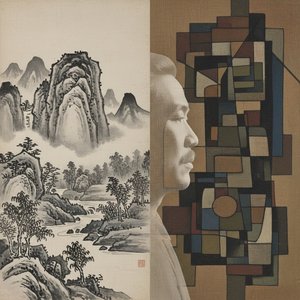 Yi Eungro: Bridging East & West in the Landscape of Korean ModernismExplore the captivating world of Yi Eungro (Lee Ungno), a pivotal figure in Korean modernism. Discover his unique fusion of Eastern and Wes…