
 Zobraziť v interiéri
 Odoslať
 Zdieľať
 Podrobnosti
 Príručka

 Stiahnuť
 Podobné položky
 RTG skúška
 Prehliadanie diapo\]
 Štatistiky
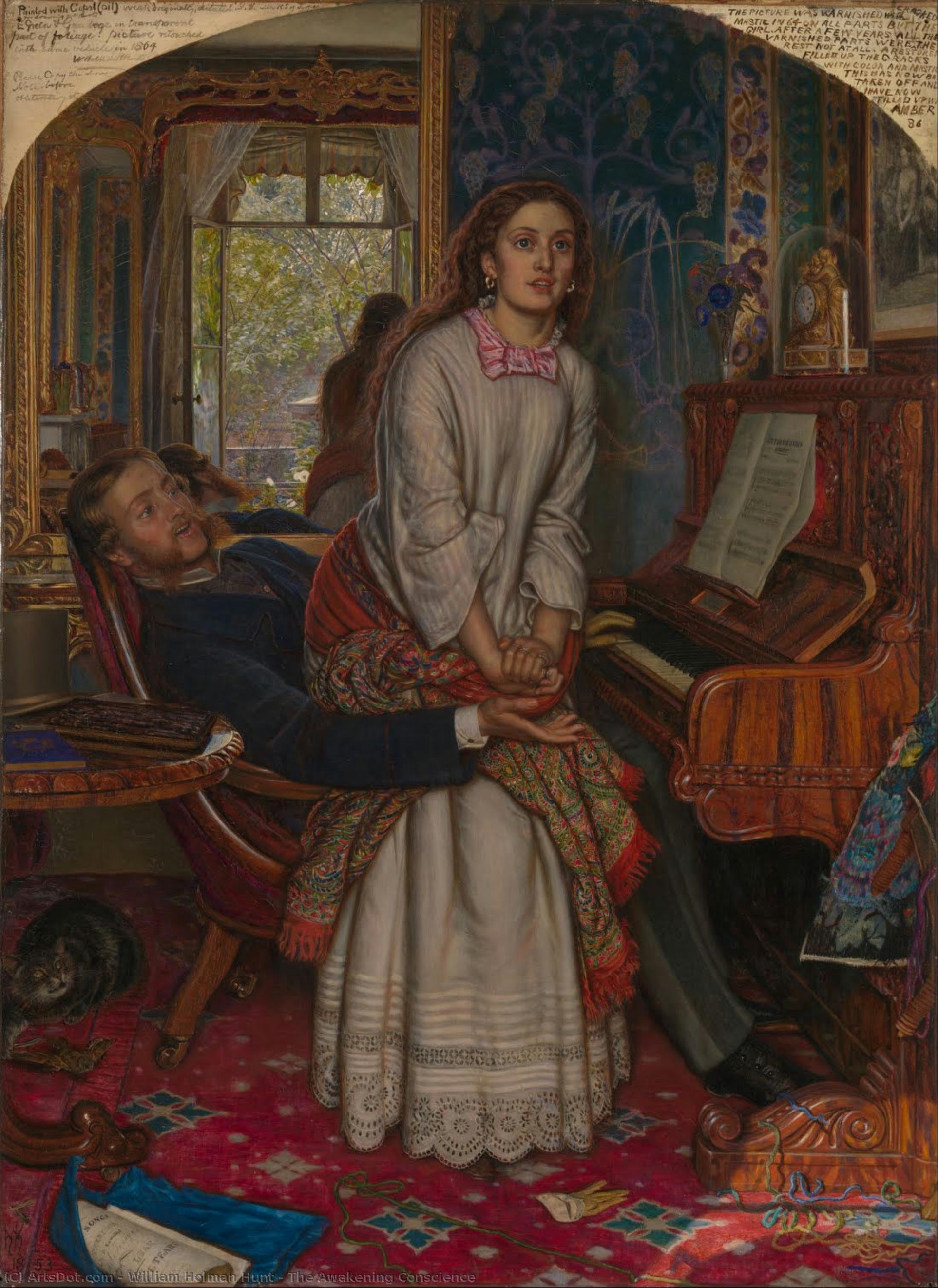
The Awakening Conscience
 Oil On Canvas
- WallArt
- Pre-Raphaelite Brotherhood
 1853
1853 55.0 x 76.0 cm
 Tate Britain
 Prečítať si viac
Giclée / Umenotlač
Giclée tlač alebo plátno múzeálnej kvality s rýchlou výrobou a rôznymi možnosťami povrchovej úpravy. ( Objednať ručne maľovanú reprodukciu Prepnúť na digitálnu verziu obrazu)




P118B €10

P118H €10

P118W €10

P438Z €10

P508JH €12

P508YH €12

P805H €10

P805Z €10

P919BZ €10

P919G €10

P919XJ €10

P959ZH €10

P968JZ €12

W106C €8

W218G €10

W218JH €8

W218Y €10

W307PJ €10

W316G €10

W316PJ €8

W316Y €10

W398PJ €8

W4111J €10

W500HY €15

W500JH €15

W692G €12

W849H €8

W940BG €15

W953PJ €8




Vyberte si z našich preddefinovaných rozmerov, ktoré zodpovedajú pôvodným pomeroḿ diela.

Zadajte šírku a výšku, ktoré potrebujete, aby sa reprodukcia hodila k vášmu rámu alebo stene. Print možno len orezávať, nikdy však nemennú veľkosť zvětšiť oproti pôvodnému obrázku, preto pri inom formáte stráca časť obrazu. Pred samotným vytlačiacím procesom vám pošleme digitálny náhľad na schválenie. Obrázok zobrazený na tejto stránke nezobrazuje reálny rez — len digitálny náhľad ukazuje presný výsledok.
Celosvetová doprava () do 2 týždňov namiesto štandardných 4 až 5 týždňov. (22 október)

Bezplatná expresná doprava po celom svete

Vysokokvalitné lnianske plátno

Úplné poistenie prepravy

Záruka vrátenia colného poplatku

Záruka presného farebného zhodnutia

100-dená politika vrátenia tovaru (iba pri vadách)

100% záruka vrátenia peňazí

Ponuka množstevnej zľavy
 Možnosť skla je dostupná len pri rozmeroch pod 110 cm

The Awakening Conscience
Giclée / Umenotlač
Veľkosť reprodukcie
-


Celková cena
€ 70
The Awakening Conscience: A Victorian Portrait of Moral Reckoning
William Holman Hunt’s “The Awakening Conscience,” painted in 1853, isn't merely a depiction of a clandestine rendezvous; it’s a meticulously crafted tableau of moral crisis and spiritual awakening, a profound exploration of Victorian sensibilities. This oil-on-canvas masterpiece transcends the conventions of portraiture, offering a window into the anxieties and aspirations of a society grappling with rapid social change and burgeoning religious introspection. Hunt, a founding member of the Pre-Raphaelite Brotherhood, deliberately eschewed the polished idealism of academic art, instead embracing a radical commitment to realism, symbolism, and emotional truth – qualities powerfully evident in this arresting work.
A Scene of Disquiet: Narrative and Composition
At first glance, the painting presents a seemingly straightforward domestic scene: a woman, identified as a fallen woman, sits in the lap of her lover within a lavishly furnished room. However, Hunt’s genius lies in layering multiple narratives and symbolic elements that quickly unravel this initial impression. The setting itself—a recently decorated apartment filled with new furniture, an elaborate tapestry, and gleaming objects—immediately signals a disruption of established order and a transgression against Victorian ideals of domesticity. The woman's posture, initially relaxed, subtly shifts as she turns her head towards the window, drawing the viewer’s eye to the stark contrast between the interior world of temptation and the promise of redemption represented by the vibrant spring garden visible beyond.
- The Lover: Represents worldly indulgence and a source of moral corruption.
- The Woman: Embodies vulnerability, regret, and the potential for spiritual rebirth.
- The Room: Symbolizes the artificiality and superficiality of a life lived outside of genuine faith.
- The Window: Represents an escape from earthly constraints and a pathway to moral awakening.
Symbolism Woven into Reality: Details of Moral Weight
Hunt’s meticulous attention to detail is paramount, imbuing the painting with layers of symbolic meaning. The discarded items scattered around the room—a broken glove, a top hat, a partially finished tapestry—speak volumes about wasted opportunities and shattered dreams. The clock concealed beneath glass serves as a potent reminder of time slipping away, while the music on the piano – Thomas Moore’s “Oft in the Stilly Night” – echoes the woman's lost innocence and longing for a simpler past. The presence of various objects—bells, marigolds, and a star—further reinforces the painting’s moral weight, suggesting both warning and hope. Notably, the mirror reflects not just the room but also the garden outside, emphasizing the allure of a life beyond earthly constraints.
Pre-Raphaelite Vision: Light, Color, and Emotional Resonance
“The Awakening Conscience” is a quintessential example of Pre-Raphaelite aesthetics. Hunt employed rich, saturated colors—deep indigoes, vibrant reds, and luminous greens—to create an intensely atmospheric effect. The use of light is particularly significant; it streams dramatically through the window, illuminating the woman’s face and casting long shadows across the room, highlighting the contrast between darkness and enlightenment. The painting's meticulous detail, achieved through painstaking brushwork and a commitment to naturalistic representation, reflects the Pre-Raphaelites’ desire to capture the beauty and complexity of the world with unprecedented accuracy. The overall effect is one of heightened emotional intensity, inviting viewers to contemplate the profound questions of morality, redemption, and the human condition.
This painting continues to resonate today as a powerful meditation on personal responsibility, spiritual yearning, and the enduring struggle between earthly desires and moral conscience. Reproductions offer a remarkable opportunity to experience the depth and complexity of Hunt’s vision, bringing this poignant portrait into any space with an appreciation for art's ability to provoke thought and inspire reflection.
Otázky a odpovede
K ktorej fáze tvorivého rozvoja William Holman Hunt patrí dielo „The Awakening Conscience“?
Dielo „The Awakening Conscience“ patrí do obdobia Mature Period v tvorbe umelca William Holman Hunt. Táto klasifikácia spája toto dielo s vývojom umeleckej dráhy autora.
Aká technika bola použitá pre „The Awakening Conscience“ od William Holman Hunt?
Technikou diela „The Awakening Conscience“ od William Holman Hunt je Oil On Canvas. Reprodukcie majú za cieľ verné odovzdanie vzhľadu tejto techniky.
Aké emócie vyvoláva „The Awakening Conscience“ od William Holman Hunt?
„The Awakening Conscience“ od William Holman Hunt vyžaruje Melancholic emocionálny tón.
Biografia umelca
William Holman Hunt: A Visionary Painter of Faith and Nature
William Holman Hunt, narodený 2. apríla 1827 v Cheapside, Londýn, bol oveľa viac ako len maliar – bol filozof a duchovný hľadajúci, ktorý prekladal svoje najhlbšie presvedčenia na plátno. Jeho rané roky, hoci zakorenené v rušnom obchodu jeho otca, niesli v sebe umeleckú zanietenosť, ktorá by sa nakoniec vymykala očakávaniam. Počas svojho detstva, ktoré bolo určené kariéroi podobnej ako tá jej otca, Hunt našiel útočisko a účel v umení, začal s tajnými kresbami a neskôr, po nejakej námahe, formálnou výučbou na Royal Academy Schools. Tento obdobie učenia sa však bolo obmedzujúce. Hľadali umelecký výraz, ktorý by presahoval platné akademické konvencie – túžbu, ktorá by ho čoskoro poháňala k revolučným zmenám. Cítil sa potláčaný umelcom, ktorý považoval za falošný súčasný umenie a hľadal návrat k úprimnosti a detailom nájdeným v pred-renesančných majstrovských dielach – sentiment, ktorý bol stredom formovania Pre-Raphaelite Brotherhood. Huntova cesta nebola len o estetike; bola to zbavovanie sa hľadania pravdy, morálky a duchovného rezonancie v oblasti vizuálneho reprezentácie.The Genesis of a Revolutionary Brotherhood
V roku 1848, po boku Dante Gabriela Rossettiho a Johna Everetta Millaisa, Hunt založil Pre-Raphaelite Brotherhood (PRB). Táto skupina nebola len umelecká hnutie; bolo to povstanie proti tomu, čo považovali za ústupok umenia od Raphaela. PRB propagoval návrat k detailnému zobrazeniu, živým farbám a úprimnému predmetu charakteristickému pre skoré talianske maľby – pred tým, než sa vysoká renesančná ideológia ujal vládnej pozície. Huntova oddanosť tomuto filozofovi zostávala neochrablá počas celej svojej kariéry. Jeho prácu z raného obdobia, ako je *The Hireling Shepherd*, maľovaná v roku 1851, ukazuje túto oddanosť. Detailnosť obrazu – od textúry vlny až po každý jednotlivý trávnik – bola revolučná pre svoju dobu. Nebol to len obraz venčenia, ale pokus o vyjadrenie morálky a symboliky prostredníctvom presného pozorovanie prírody. *The Awakening Conscience*, tiež z tohto obdobia, posilnila Huntovu povesť o intenzívne naturalistických scénoch s psychologickou hĺbkou a morálnym významom. Tieto obrazy neboli len vizuálne pôsobivé; boli to vyhlásenia o jeho presvedčení, že umenie má morálny účel – aby vzbudzovalo, inšpirovalo a vedúce divákov k duchovnému osvieteniu. Spoločnosť hľadala výzvu pre uľahodné akademické maľby, ktoré považovali za falošné a neautentické.A Pilgrimage of Faith and Symbolic Depth
Huntova umelecká cesta sa dramaticky zmenila s jeho cestami do svätého mesta v 50-tych rokoch 19. storočia. V duchovnom hľadaní, vedený túžbou po historickej a topografickej presnosti, sa vydal na púťou do Palestíny a Sýrie, dôsledne dokumentoval krajiny, kostýmy a zvyky. Táto oddanosť autentičnosti hlboko ovplyvnila jeho neskoršie diela, čo im dodalo nevídanú úroveň realizmu a duchovného rezonancie. *The Shadow of Death*, maľovaný počas tejto doby, je silným príkladom tohto znovuzrodenia. Obraz zobrazuje scénu obetí Krista v spôsobe, ktorý bol zároveň vizuálne pôsobivý a hlboko symbolický, odráža Huntov hlboké náboženské presvedčenia. Možno jeho najikonickejšie dielo, *The Light of the World*, začaté v roku 1851 a dokončené v roku 1853, zachytáva túto kombináciu viery a umeleckého zručnosti. Obraz Krista, ktorý klame na dvere, ponúka záchranu tým, ktorí sa otvorili srdcom, stal sa nesmierne populárnym a zostáva jedným z najznámejších náboženských obrazov 19. storočia. Huntova oddanosť nebola len reprezentáciou; hľadal duchovný význam v vrstvách symbolického obsahu, čerpajúc zo svedkovostí, stredovekých alegórií a súčasných sociálnych komentárov. Viera, že umenie má morálny účel – aby vzbudzovalo, inšpirovalo a vedúce divákov k duchovnému osvieteniu.Enduring Legacy and Later Years
Hoci Hunt čelil zhoršujúcemu sa zrak v neskorších rokoch – devastujúca udalosť pre maliara tak oddaného detailom –, pokračoval v tvorbe umenia, často s pomocou svojho asistenta, Edwarda Roberta Hughesa. Publikoval autobiografiu v roku 1905, ktorá ponúka neoceniteľné poznatky o jeho umeleckej filozofii a osobnom živote. Jeho oddanosť bola uznaná menovaním do Order of Merit v tom istom roku. Huntov osobný život bol poznačený ako radosťou, tak aj smútkom; prvý raz sa ženil s Fanny Waughovou, ktorá slúžila ako model pre niekoľko jeho diel, a neskôr s jej sestrou Edith, po tom, čo riešil právne komplikácie týkajúce sa britského zákona o manželstve s umierajúcim súrodcom. Bol to významný umelecký úspech, ktorý ovplyvnil jeho život v mnohých smeroch. William Holman Hunt zomrel 7. septembra 1910 a bol oslávený pohrebom v Bazilike svätého Pavla – dôkaz jeho významného prínosu britskému umeniu a kultúre.Key Influences & Themes
- Influences: John Ruskin’s writings on art and morality; Early Italian Renaissance painting (pre-Raphaelite); Biblical texts and medieval allegory.
- Major Themes: Religious faith, moral awakening, the beauty of nature, social commentary, symbolism. Hunt consistently explored themes of redemption, sacrifice, and the search for spiritual truth in his work.
- Key Dates: April 2, 1827: Born in Cheapside, London; 1851-1853: Painted *The Light of the World*; September 7, 1910: Passed away and buried in St Paul’s Cathedral, London.

William Holman Hunt
1827 - 1910 , Spojené kráľovstvo
Rýchle fakty
- Artistic Movement Or Style: Pre-rafaelizmus
- Artists Or Movements Influenced By This Artist: ['Pre-rafaelisti']
- Artists Who Influenced This Artist:
- Ruskin
- Rafaello
- Date Of Birth: 2 apríla 1827
- Date Of Death: 7 septembra 1910
- Full Name: William Holman Hunt
- Nationality: Anglický
- Notable Artworks:
- Sviet svet
- Východ slnka
- Pastier
- Place Of Birth: Londýn, Spoločenstvo
Súvisiace články

Dante Gabriel Rossetti: Top 25 diel pre milovníkov umenia a luxusného interiéru
Ponorte sa do sveta Dante Gabriela Rossettiho! Objavte top 25 diel predrafaelitizmu, symbolizmu a viktoriánskej romantiky. Kvalitné reprodukcie obrazov pre váš interiér na OriginalUniqueArt.com. Preskúmajte celú kolekciu online.

Sir John Everett Millais: Pre-Raphaelite Rebellion & Victorian Narrative Detail
Explore the revolutionary art of Sir John Everett Millais & the Pre-Raphaelite Brotherhood. Discover their radical realism, symbolic narratives, and lasting impact on Victorian aesthetics. A deep dive into 19th-century masterpieces.
The Pre-Raphaelite Brotherhood: Rebellion, Romance & Medieval Revival
Explore the captivating world of the Pre-Raphaelite Brotherhood! Discover their rebellious spirit, iconic masterpieces & lasting influence on art history. Learn about Rossetti, Millais & more.
The Pre-Raphaelite Brotherhood: Reclaiming Beauty, Nature, and Truth in Victorian Art History
Explore the revolutionary Pre-Raphaelite Brotherhood. Discover how these visionary artists rejected academic tradition to reclaim beauty, nature, and truth through luminous detail and literary depth in Victorian art history.

Pre-Raphaelite Romanticism: A Guide to Vivid Detail and Medieval Beauty in Victorian Art
Explore the vivid detail and medieval beauty of Pre-Raphaelite Romanticism. Discover the history of masters like Rossetti and Millais through our expert guide to Victorian art, perfect for collectors and professionals seeking authentic, museum-quality reproductions.

