Menu
Text size

() ·

A painting made for you, by hand

Ručne maľovaná olejová reprodukcia

Ručne maľovaný olej na plátne vo vašej zvolenej veľkosti a v ráme, vyrobený na mieru našimi umelcami. ( Prepnúť na tlač Prepnúť na digitálny obraz)

Popis zberateľského predmetu

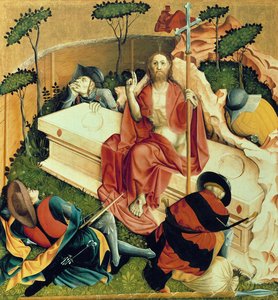
Discover Hans Multscher’s ‘Resurrection’ (1437) – a stunning medieval painting of Christ's deposition. Rich colors, detailed figures & pyramidal composition. Explore this masterpiece!

Biografia umelca

"meta_description": "Hans Multscher (1400-1467) bol významný nemecký renesesančný sochár a maliar, známy Wurzachovým altárom a prechodom od gotiky k realizmu. Jeho diela sú plné ľudského dotyku a predstavujú klíčový moment v dejinách nemeckej výtvarnej tvorby."

from ·

Chapter 1

How large should it be?

Slide to change the size; the wall on the left shows it at its real scale. The proportions of the original are kept.

Štandardné
na mieru
CM
INCH

Vyberte si z našich preddefinovaných rozmerov, ktoré zodpovedajú pôvodným pomeroḿ diela.

šírka
výška

Zadajte šírku a výšku, ktoré potrebujete, aby sa dielo hodilo k vášmu rámu alebo stene. Keďže ide o ručnú maľbu, pri rozmeroch s odlišným pomerom strán môže umelec namalovať o niečo viac okolo obrázka alebo ho mierne orezatú — výber patrí vám. Pred začatím maľovania vám pošleme digitálnu ukážku na schválenie. Obrázok zobrazený na tejto stránke nenahrádza reálny výsledok — ten zobrazuje iba digitálna ukážka.

Chapter 2

How should it arrive?

Choose the edges of the stretched canvas

Choose your frame

Corner sample of the WhiteWrap canvas edge finish, stretched on masívne drevo bars
White €1
Corner sample of the BlurSideWrap canvas edge finish, stretched on masívne drevo bars
Blurside €1
Corner sample of the ExtendedWrap canvas edge finish, stretched on masívne drevo bars
Extended €1
Corner sample of the P118B picture frame: lisovaný polystyrén, 5 cm wide and 3 cm thick
P118B €10
Corner sample of the P118H picture frame: lisovaný polystyrén, 5 cm wide and 3 cm thick
P118H €10
Corner sample of the P118W picture frame: lisovaný polystyrén, 5 cm wide and 3 cm thick
P118W €10
Corner sample of the P438Z picture frame: lisovaný polystyrén, 5.5 cm wide and 3.5 cm thick
P438Z €10
Corner sample of the P508JH picture frame: lisovaný polystyrén, 7 cm wide and 3.5 cm thick
P508JH €12
Corner sample of the P508YH picture frame: lisovaný polystyrén, 7 cm wide and 3.5 cm thick
P508YH €12
Corner sample of the P805H picture frame: lisovaný polystyrén, 5 cm wide and 3.5 cm thick
P805H €10
Corner sample of the P805Z picture frame: lisovaný polystyrén, 5 cm wide and 3.5 cm thick
P805Z €10
Corner sample of the P919BZ picture frame: lisovaný polystyrén, 7 cm wide and 3.5 cm thick
P919BZ €10
Corner sample of the P919G picture frame: lisovaný polystyrén, 7 cm wide and 3.5 cm thick
P919G €10
Corner sample of the P919XJ picture frame: lisovaný polystyrén, 7 cm wide and 3.5 cm thick
P919XJ €10
Corner sample of the P959ZH picture frame: lisovaný polystyrén, 5 cm wide and 3 cm thick
P959ZH €10
Corner sample of the P968JZ picture frame: lisovaný polystyrén, 6 cm wide and 4 cm thick
P968JZ €12
Corner sample of the W106C picture frame: masívne drevo, 5 cm wide and 3 cm thick
W106C €8
Corner sample of the W218G picture frame: masívne drevo, 5 cm wide and 3 cm thick
W218G €10
Corner sample of the W218JH picture frame: masívne drevo, 5 cm wide and 3 cm thick
W218JH €8
Corner sample of the W218Y picture frame: masívne drevo, 5 cm wide and 3 cm thick
W218Y €10
Corner sample of the W307PJ picture frame: masívne drevo, 6 cm wide and 3 cm thick
W307PJ €10
Corner sample of the W316G picture frame: masívne drevo, 6 cm wide and 3 cm thick
W316G €10
Corner sample of the W316PJ picture frame: masívne drevo, 6 cm wide and 3 cm thick
W316PJ €8
Corner sample of the W316Y picture frame: masívne drevo, 6 cm wide and 3 cm thick
W316Y €10
Corner sample of the W398PJ picture frame: masívne drevo, 5 cm wide and 3 cm thick
W398PJ €8
Corner sample of the W4111J picture frame: masívne drevo, 6.5 cm wide and 3.5 cm thick
W4111J €10
Corner sample of the W500HY picture frame: masívne drevo, 7 cm wide and 5 cm thick
W500HY €15
Corner sample of the W500JH picture frame: masívne drevo, 7 cm wide and 5 cm thick
W500JH €15
Corner sample of the W692G picture frame: masívne drevo, 8 cm wide and 4 cm thick
W692G €12
Corner sample of the W849H picture frame: masívne drevo, 5 cm wide and 3 cm thick
W849H €8
Corner sample of the W940BG picture frame: masívne drevo, 7.5 cm wide and 4.5 cm thick
W940BG €15
Corner sample of the W953PJ picture frame: masívne drevo, 6 cm wide and 3.5 cm thick
W953PJ €8
Corner sample of the H24-GOLD picture frame: řezané drevo s gessom, 10 cm wide and 6 cm thick
H24-GOLD €30
Corner sample of the H24-SILVER picture frame: řezané drevo s gessom, 10 cm wide and 6 cm thick
H24-SILVER €30
Corner sample of the H36-GOLD picture frame: řezané drevo s gessom, 15 cm wide and 6.5 cm thick
H36-GOLD €45
Corner sample of the H36-SILVER picture frame: řezané drevo s gessom, 15 cm wide and 6.5 cm thick
H36-SILVER €45
Náhľad v ráme
V rámoch

Moulding: . Overall size with the frame: .

Chapter 3

Who paints it, and should anything change?

Examples of what can be changed: Replace face with customer photo; Add pet (e.g., replace cat with dog); Include hidden message in background; Change background landscape or elements.
After order, OriginalUniqueArt.com team will email client for instructions and provide a mockup preview

Celosvetová doprava () za 3 až 4 týždne namiesto štandardných 5 týždňov. (29 október). Bez kompromisov v kvalite.

Chapter 4

The finishing touches

A nameplate, as in a museum?

Detaily vygravírovaného bronzového pláka

This elegant plaque features the artist's name and the title of the artwork, finely engraved for a timeless presentation.

It is made from bronze with a refined, elegant finish. The text is precisely laser-engraved for a sharp and permanent result. Measuring 9x2 cm, the plaque is compact yet easy to read. It's built to be durable and scratch-resistant, offering a professional, museum-quality look. Mounting is simple thanks to the included adhesive backing.

Detaily transparentnej akrylovej plăty

The plaque includes essential engraved details such as the artist's name, the title of the artwork, the date it was created, the type of media used-like oil on canvas or watercolor-a brief description of the piece, and a QR code that links to the complete artwork information.

It is crafted from clear acrylic, offering a sleek, modern appearance. The text is UV-engraved in black to ensure strong visual contrast. With a size of 10x15 cm, it ensures optimal readability. It comes equipped with two metal hooks for secure wall mounting. The plaque is designed to be weather-resistant, making it suitable for various environments, and it includes interactive features that work seamlessly with smartphone scanning.

Detaily čiernej akrylovej plăty

This elegant plaque includes engraved information such as the artist's name, the title of the artwork, the date it was created, the type of media used (like oil on canvas or watercolor), a short description of the artwork, and a QR code for quick access to more information.

The plaque itself is made from refined black acrylic with a premium finish. The text is laser-engraved in white for high contrast and readability. Its size is 10x15 cm, designed to be easy to read. It comes with two metal hooks for professional mounting. The design is sleek and fits any interior style. It is also weather-resistant and durable, with built-in digital integration for mobile compatibility.

A protective varnish?

When do you need it?

Chapter 5

Your painting, as you ordered it

Resurrection

Technika reprodukcie

Veľkosť reprodukcie

-

Výborne skúsený umelec

Viac detailov, jemnosti a dodatočného času na výrobu

-

Rámovanie reprodukcie

-

-

V prípade umeleckých diel alebo reprodukcií, ktorých ktorákoľvek strana je väčšia ako 105 cm (cca 41 palcov), sa rám dodáva v rozloženom stave ako sada. Táto metóda zabezpečuje bezpečnú доставu a chráni pred poškodením počas prepravy.

Vyžaduje sa odborná montáž – toto nie je produkt na vlastnú prípravu (DIY).
Sada musí byť zmontovaná a plátno napnuté skúseným profesionálnym rámovaníkom, s použitím drevárneho lepidla (nie je súčasťou sady), klieš na napínanie plátna a svoriek na udržanie prav角的 rámov počas schnutia lepidla. Nesprávna montáž alebo nerovnomerné napnutie plátna môže trvalo poškodiť umelecké dielo, čo nie je kryté našou zárukou.

  • Všetky lišty z masívneho dreva sú súčasťou balenia, presne narezané na mieru.

  • Montuje sa pomocou súčasťou balenia dodaných skrutiek, plus drevolepu na spoje v rohoch, ktorý nie je súčasťou balenia a musí si ho zabezpečiť váš montážnik.

  • Vyžadujú sa profesionálne nástroje, ktoré nie sú súčasťou sady: kliešte na napínanie plátna (napínací nástroj) a svorky na udržanie pravých uhlov rámov počas schnutia lepidla.

Dôležité:
Spoje v rohoch si vyžadujú lepidlo na drevo, tyče je potrebné upevniť pomocou svoriek, kým lepidlo úplne newyschne, a napnutie plátna na zostavený rám si vyžaduje klieže na napínanie plátna. Žiadna z týchto pomôcok nie je súčasťou sady. Pred objednaním tejto veľkosti si, prosím, zabezpečte skúseného odborníka na zakladanie rámov.

Popisné označenie

-

-

Ochranný lak

Lesklý lak (zvýrazňuje farby, chráni pred svetlom a vlhkosťou)

-

Prispôsobiť moje dielo

Príklady možností úprav: nahradenie tváre vlastnou fotografiou; pridanie domáceho zvieraťa (napr. nahradenie mačky psom); vloženie skrytého odkazu do pozadia; zmena krajiny alebo prvkov v pozadí.

-

Prioritné doručenie

Celosvetová doprava () za 3 až 4 týždne namiesto štandardných 5 týždňov. (29 október). Bez kompromisov v kvalite.

-

Rýchle doručenie

Celosvetová doprava do za 5 týždňov. (5 november).

V cene

Celková cena

€ 331

Celková cena € 331

Možnosť skla je dostupná len pri rozmeroch pod 110 cm

Included with every order

  • Bezplatná expresná doprava po celom svete
  • Vysokokvalitné lnianske plátno
  • Kompletné poistenie prepravy
  • Záruka vrátenia colného poplatku
  • Záruka presného farebného zhodnutia
  • 100-dená politika vrátenia tovaru (iba pri vadách)
  • 100% záruka vrátenia peňazí
  • Zľava pri väčšom množstve

A Window Into Medieval Grief: Hans Multscher’s “Resurrection”

Hans Multscher's "Resurrection," painted in 1437, is more than just a depiction of Christ’s deposition; it’s a profound meditation on loss, faith, and the transition between earthly existence and the promise of salvation. Executed in the rich, detailed style characteristic of late medieval German art, this panel from the lost Wurzacher Altar offers a remarkably intimate glimpse into the artistic sensibilities of a pivotal figure bridging the Gothic and Renaissance eras. The painting immediately commands attention with its dramatic composition – a pyramidal structure anchored by Christ’s body, carefully arranged to draw the viewer's eye through layers of mourners and architectural elements. The use of linear perspective, though stylized for the time, establishes a convincing sense of depth, while geometric shapes—rectangles defining the coffin, rounded forms representing the human bodies—create a balanced yet emotionally charged scene.

Multscher’s technical mastery is evident in every brushstroke. The meticulous layering of paint achieves remarkable volume and realism, particularly in the drapery and flesh tones – a testament to his skill as both a sculptor and painter. The application of gold leaf accents not only adds visual richness but also subtly elevates the scene, hinting at the divine nature of the subject matter. Notice the careful modeling of light and shadow; it’s not merely decorative, but actively shapes the forms, lending them a tangible presence within the enclosed space. The color palette is deliberately restrained – predominantly reds dominating Christ's body and robes, contrasted with cooler blues and greens in the background landscape – creating a powerful visual dichotomy between suffering and hope.

The Symbolism of Sorrow and Witness

“Resurrection” is deeply laden with symbolic meaning. The scene itself, the deposition of Christ after his crucifixion, speaks volumes about grief and acceptance. Christ’s body, laid upon Mary's lap, embodies both physical suffering and spiritual transcendence. John the Evangelist, positioned as a witness to this pivotal moment, holds aloft his writing tablet – a potent symbol of record-keeping and the preservation of faith. The presence of the other mourners underscores the communal nature of grief, reflecting the shared sorrow felt by the entire community. The soldiers lying asleep represent humanity’s inability to fully comprehend or prevent such profound events, highlighting the mystery at the heart of Christian belief.

Beyond these immediate symbols, the painting engages with broader theological themes. The red cloth draped over Christ's body is a deliberate reference to his blood – a symbol of sacrifice and redemption. The unbroken seals on the sarcophagus suggest that even in death, Christ’s sacrifice remains secure and powerful. The scene powerfully conveys the transition from earthly mortality to eternal life, offering a visual representation of faith’s enduring promise.

A Bridge Between Eras: Multscher's Artistic Legacy

Hans Multscher stands as a crucial figure in German art history, skillfully navigating the stylistic shifts between the late Gothic and burgeoning Renaissance. His travels to northern France and the Netherlands exposed him to the realism and meticulous detail of Early Netherlandish painting – influences that profoundly shaped his own distinctive style. “Resurrection” exemplifies this synthesis; it retains the emotional intensity and symbolic richness of medieval art while incorporating elements of Renaissance perspective and naturalism.

Born in Reichenhofen, Bavaria, around 1400, Multscher’s career was marked by a dedication to both sculpture and painting, as evidenced by his work on the Wurzacher Altar. His workshop produced numerous religious panels, each imbued with his characteristic skill and artistic vision. Today, reproductions of “Resurrection” offer art lovers a chance to experience the profound beauty and emotional depth of this remarkable masterpiece – a testament to Multscher’s enduring legacy as a pioneer of German realism.

Bringing "Resurrection" into Your Space

OriginalUniqueArt offers meticulously crafted, hand-painted reproductions of Hans Multscher's “Resurrection,” allowing you to bring this iconic work of art into your home or office. Our artists replicate the painting’s rich colors, intricate details, and dramatic composition with unparalleled accuracy, ensuring that your reproduction captures the essence of Multscher’s original vision. Whether you are a collector of medieval art, an admirer of German realism, or simply seeking to add a touch of timeless beauty to your surroundings, our “Resurrection” reproductions provide a stunning and authentic representation of this powerful masterpiece.

Explore the full details and dimensions of this exceptional artwork on our website: https://www.wga.hu/html_m/m/multsche/wurzach/4resurr.html

Otázky a odpovede

Nachádza sa dielo „Resurrection“ v krajine svojho autora?

Nie – dielo sa nachádza v zahraničí. Dielo „Resurrection“ sa nachádza v krajine Germany, zatiaľ čo Hans Multscher sa narodil/a v krajine Nemecko.

Aká je odporúčaná veľkosť tlače pre „Resurrection“ od Hans Multscher?

Odporúčaná veľkosť tlače pre dielo „Resurrection“ od Hans Multscher je Large.

Ako môžem objaviť diela podobné „Resurrection“ od Hans Multscher?

Diela podobné dielu „Resurrection“ nájdete na stránke Podobné diela daného diela.

In numbers

  • 1437the year it was painted
  • 29frames to choose from
  • standard sizes, in its own proportions
  • 5weeks to paint and deliver it
Hans Multscher

Hans Multscher

1400 - 1467, Nemecko

Základné informácie

  • Artistic Movement Or Style: Pozdní gotický/Renesančný
  • Artists Or Movements Influenced By This Artist: ['Renesančný umenie']
  • Artists Who Influenced This Artist:
    • Severofrancúzske štýly
    • Nízkych holandských štýlov
  • Date Of Birth: c. 1400
  • Date Of Death: 1467
  • Full Name: Hans Multscher
  • Nationality: Nemecký
  • Notable Artworks:
    • Altár sv. Marie Magdaleny
    • Muž utrpenia
    • Skupina cisárov
    • Wurzacher Altár
  • Place Of Birth: Reichenbach, Nemecko

Biografia umelca

Hans Multscher (1400-1467): A Bridge Between Worlds

Hans Multscher, a name perhaps less familiar than those of his contemporaries like Dürer or Holbein, nevertheless stands as a pivotal figure in the transition from late Gothic to early Renaissance art within Germany. Born around 1400 in the small Bavarian town of Reichenhofen – now part of Leutkirch im Allgäu – Multscher’s life and work represent a fascinating confluence of influences, a testament to his inquisitive spirit and his willingness to embrace new artistic horizons. He wasn't merely a follower of trends; he actively sought out knowledge and inspiration, embarking on journeys that fundamentally shaped his distinctive style and cemented his place as a bridge between two distinct artistic eras.

His early years remain somewhat shrouded in mystery, but it’s clear that Multscher possessed an innate talent for both sculpture and painting. He didn't emerge from a traditional guild setting; instead, he seems to have cultivated his skills through independent study and observation, absorbing the lessons of masters like Gislebertus and Master of Cabestany. Crucially, he spent considerable time in northern France and the Netherlands – regions then at the forefront of artistic innovation – immersing himself in the burgeoning realism and meticulous detail characteristic of Early Netherlandish painting. This exposure proved transformative, profoundly influencing his approach to composition, perspective, and the rendering of human form.

The Workshop: A Crucible of Innovation

In 1427, Multscher established himself as a free citizen of Ulm – a thriving commercial hub on the Danube River. It was here that he married Adelheid Kitzin and, alongside his brother Heinrich, founded a workshop that quickly gained renown for its diverse range of artistic output. This wasn’t simply a production facility; it was a vibrant environment where traditional Gothic forms were gradually infused with the naturalism and observational techniques he had absorbed during his travels. The workshop employed as many as sixteen assistants at times, fostering an atmosphere of experimentation and collaboration.

The influence of this workshop extended far beyond Multscher’s own creations. His brother Heinrich specialized in wood carving, creating intricate architectural elements for churches and civic buildings throughout Swabia. Together, they established a reputation for quality and innovation that attracted commissions from wealthy patrons across the region. The workshop's output included not only sculptures and paintings but also illuminated manuscripts, stained glass windows, and decorative furnishings – demonstrating Multscher’s versatility and his ability to adapt his style to different media and contexts.

The Wurzach Altar: A Masterpiece of Transition

Perhaps the most enduring testament to Multscher's artistic vision is the *Wurzacher Altar*, begun in 1437. This ambitious project, originally intended for the church of St. James in Wurzach, exemplifies the artist’s masterful synthesis of Gothic and Renaissance elements. The altar consisted of a central shrine flanked by two wings, each adorned with panels depicting scenes from the life of Christ and the Virgin Mary. These panels showcase Multscher's remarkable skill in oil painting – a relatively new medium at the time – and his ability to render textures, light, and shadow with astonishing realism.

The *Wurzacher Altar* is particularly noteworthy for its emotional depth and psychological insight. Unlike the stylized figures of earlier devotional art, Multscher’s depictions of Christ and Mary are imbued with a palpable humanity – their faces expressing sorrow, compassion, and profound spiritual awareness. The altar's innovative use of perspective and color further enhanced its dramatic impact, creating a truly immersive experience for the viewer. Sadly, the altar was dismantled in the 18th century and its panels dispersed to various museums, but they remain invaluable examples of Multscher’s artistic genius.

Beyond Wurzach: Sculpture and Secular Works

While the *Wurzacher Altar* is undoubtedly Multscher's most famous work, he also produced a significant body of sculpture and secular art. His sculptures, ranging from monumental figures to intimate devotional panels, demonstrate his mastery of form and his ability to convey complex emotions through sculpted stone. The sculpture of *Holy Mary Magdalen*, now housed in Frankfurt’s Liebieghaus, is a particularly poignant example of his expressive style.

Furthermore, Multscher's commissions extended beyond the realm of religious art. In 1456-58, he created a group of emperors adorning the eastern window of Ulm’s city hall – a testament to his versatility and his appeal to a broad clientele. These works showcase his ability to adapt his style to different subjects and contexts, reflecting the diverse demands of his patrons.

A Lasting Legacy

Hans Multscher died in Ulm in 1467, leaving behind a legacy that continues to resonate today. He wasn’t merely a skilled craftsman; he was a visionary artist who played a crucial role in shaping the course of German art. His willingness to embrace new influences and his commitment to realism paved the way for subsequent generations of Renaissance masters. The workshop he established continued to thrive after his death, disseminating his artistic principles throughout Swabia and beyond. Multscher’s work serves as a powerful reminder that artistic innovation often arises from the synthesis of tradition and experimentation – a testament to the enduring power of human creativity.

Základné informácie

  • Year: 1437
  • Artist: Hans Multscher
  • Notable elements: Pyramidal composition, gold leaf accents
  • Movement: Late Medieval/Early Renaissance
  • Artistic style: Realistic, detailed

Kvíz o umení

Pri každej otázke je iba jedna správna odpoveď.

Otázka 1:
What is the primary subject depicted in Hans Multscher’s ‘Resurrection’?
Otázka 2:
According to the description, what artistic style is most evident in ‘Resurrection’?
Otázka 3:
What material was primarily used for the painting ‘Resurrection’?
Otázka 4:
The description mentions a pyramidal composition in the artwork. What does this compositional element primarily emphasize?
Otázka 5:
What symbolic element is represented by the presence of John the Evangelist in the painting?

More about this painting

Náhľad v interiéri Zobraziť v AR Prepnúť na tlač Prepnúť na digitálny obraz Odoslať ako digitálnu kartu
Podrobnosti o dielo Príručka Pridať do obľúbených Stiahnuť obraz Podobné položky RTG skúška Prehliadanie diapozoje Q&A Štatistiky
Preskúmajte umelecká diela usporiadané podľa tém, štýlov a charakteristík.