Menu
BEZPLATNÁ KONSULTÁCIA O UMENÍ

Staatliche Museen zu Berlin

Základné informácie

  • Location: Berlín, Nemecko
  • Movements: expressionist satire
  • Historical periods: modernizmus
  • Works on APS: 1
  • Viac…
  • Art types: nástenné umenie
  • Featured artists: George Grosz
  • Alternate names:
    • []
    • Staatliche Museen zu Berlin
    • Státní muzea Berlíňská
    • Königliche Museen
    • Royal Museums
  • Mediums: olej na plátne

Kvíz o umení

Pri každej otázke je len jedna správna odpoveď.

Otázka 1:
Čo je hlavným cieľom Staatliche Museen zu Berlin?
Otázka 2:
V ktorom meste sa nachádza ikonická Museum Island, súčasť Staatliche Museen zu Berlin?
Otázka 3:
Aké je najlepšie popísanie Altesho muzea?
Otázka 4:
Neues Museum je známe svojou ikonickou sochou...
Otázka 5:
Čo naznačuje názov 'Staatliche Museen zu Berlin'?

Staatliche Museen zu Berlin: A Journey Through Time and Culture

Nestled within the vibrant heart of Berlin—a city eternally layered with echoes of empires, revolutions, and an unparalleled artistic spirit—lies a cultural universe unlike any other: the Staatliche Museen zu Berlin. More than simply a collection of museums, it’s an expansive testament to Prussia's enduring legacy, a dynamic chronicle of human creativity spanning millennia, and a profound reflection on Germany’s complex journey through the 20th century. Founded in 1823 by King Friedrich Wilhelm III as the Königliche Museen, these seventeen institutions—strategically clustered across five distinct areas from the iconic Museum Island to the sprawling Dahlem complex—offer an unparalleled opportunity for visitors to immerse themselves in a breathtaking tapestry of art, history, and culture. The very name – Staatliche Museen zu Berlin – resonates with a sense of grandeur, whispering tales of centuries echoing through halls filled with human ingenuity and historical resonance. It’s a place where the secrets of ancient Egypt share space with the bold brushstrokes of Impressionists, where meticulously crafted Islamic artifacts stand alongside monumental sculptures from antiquity, and where the spirit of modern Berlin intertwines seamlessly with the weight of Prussian power.

The story of these museums is inextricably linked to the evolution of Berlin itself. Initially conceived as a showcase for Prussian artistic achievements—a deliberate assertion of national identity in the wake of Napoleonic conquests—the collection rapidly expanded, absorbing diverse influences and reflecting evolving historical narratives. Through periods of war, political upheaval, and the city’s agonizing division during the Cold War, the Staatliche Museen endured with remarkable resilience, becoming a powerful symbol of cultural continuity amidst profound change. The meticulous preservation efforts undertaken throughout these turbulent times—a testament to the dedication of generations of curators and conservators—recognized the vital importance of safeguarding Germany's artistic heritage for future generations. The museum’s survival is itself a narrative – a story of Berlin’s own tenacity, its remarkable ability to rebuild and reinvent itself amidst unimaginable loss.

Museum Island: A Monumental Ensemble

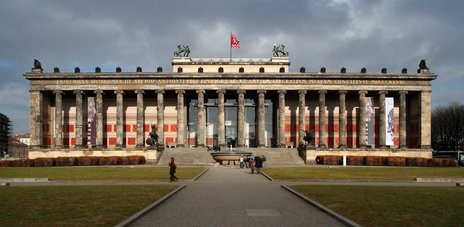
At the very heart of this sprawling network lies Museum Island, a UNESCO World Heritage site that stands as an architectural marvel in its own right. Five iconic buildings—the Altes Museum, Neues Museum, Pergamon Museum, Bode Museum, and Alte Nationalgalerie—are strategically clustered together, each a masterpiece designed to complement and enhance the overall experience. The Altes Museum, with its imposing colonnade and neoclassical façade, immediately invites contemplation of classical antiquity, housing an impressive collection of sculptures and artifacts from ancient Greece and Rome – a tangible link to the foundations of Western civilization. Here, you can marvel at masterpieces like Botticelli’s Bardi Altarpiece (a detail that reveals the artist's masterful technique and vibrant color palette), a testament to the Renaissance’s enduring fascination with beauty and human form. The Neues Museum, forever inextricably linked to the breathtaking bust of Nefertiti—an icon of Egyptian beauty whose enigmatic smile continues to captivate visitors—houses a remarkable collection of ancient Egyptian art and artifacts. Delve into its curated collections, exploring the intricate beliefs and daily life of this fascinating civilization – from elaborate sarcophagi designed for eternal rest to monumental statues depicting pharaohs and gods presiding over their realms.

The Pergamon Museum is renowned globally for its monumental architecture and the Ishtar Gate of Babylon—a portal that transports visitors directly into the heart of ancient Mesopotamia and Persia. Imagine walking through this magnificent structure, once adorned with vibrant mosaics and intricate carvings, a testament to the ingenuity and artistic prowess of Babylonian civilization. The Bode Museum showcases an impressive array of sculpture from various periods and cultures – a stunning collection reflecting the evolution of artistic movements throughout history. Finally, the Alte Nationalgalerie presents Romantic paintings and sculptures, capturing the spirit of revolution and individual expression that defined this transformative era. These diverse collections within Museum Island collectively create a powerful narrative of human creativity across millennia.

Beyond the Island: A Global Perspective

Expanding Horizons: Beyond the Island extends the Staatliche Museen’s reach far beyond Museum Island, branching out to encompass a diverse range of artistic expressions and historical narratives. The Kulturforum, a modernist complex designed by the renowned architect Mies van der Rohe, houses the Gemäldegalerie – boasting an exceptional collection of European paintings from the 13th to 18th centuries. Here, you’ll encounter masterpieces by Rembrandt, Caravaggio, and countless other masters, demonstrating the evolution of painting techniques and artistic styles across generations. The Kunstgewerbemuseum celebrates decorative arts, showcasing exquisite craftsmanship across cultures and eras – intricate textiles, ceramics, jewelry, and furniture that reveal the artistry and skill of past artisans. The Museum of Asian Art offers a captivating journey through the diverse artistic traditions of Asia, from ancient Chinese bronzes to vibrant Japanese lacquerware, each piece telling a story of cultural heritage.

The Ethnological Museum, now largely integrated into the Humboldt Forum, explores global cultures with sensitivity and depth, presenting anthropological artifacts and insights into the lives and beliefs of communities around the world. The Humboldt Forum itself is a striking architectural statement—a reconstruction of the Berlin City Palace that seamlessly blends historical elements with contemporary design, creating a dynamic space for dialogue and exchange. Throughout the year, the Staatliche Museen host a diverse range of temporary exhibitions that illuminate specific themes or artists, offering fresh perspectives on familiar works and introducing visitors to new artistic voices.

Notable Exhibitions and Ongoing Dialogue

The Staatliche Museen’s ongoing commitment to re-evaluation and contextualization ensures that each encounter with these objects is not just visually stunning but also intellectually stimulating, prompting reflection on our place within the grand narrative of civilization. A particularly significant ongoing project centers around the Benin Bronzes – reflecting Berlin’s commitment to addressing difficult histories and fostering critical dialogue about cultural heritage. These iconic bronze sculptures, representing a rich artistic tradition from West Africa, have been the subject of intense debate regarding their repatriation, highlighting the museum's dedication to ethical considerations and collaborative engagement with international communities. Furthermore, the museum continues to engage in vital conversations surrounding representation, challenging traditional narratives and striving for inclusivity within its collections and exhibitions. The Staatliche Museen are more than just a museum; they’re a living testament to the enduring power of art, history, and human creativity – a place where the past informs the present and inspires the future.