

 Náhľad
 Odoslať
 Zdieľať
 Podrobnosti o dielo

 Stiahnuť
 Podobné diela
 RTG skúška
 Prezentácia
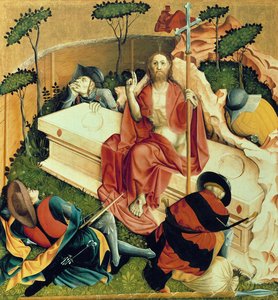
Christus before Pilate (detail)


 Zobraziť viac
Kúpte si digitálnu snímku vo vysokom rozlíšení s vylepšenými detailmi, ktorá je oveľa kvalitnejšia než online náhľad.
Každý súbor starostlivo pripravujú naši interní špecialisti pomocou pokročilých nástrojov a odborného manuálneho retušovania. Zabezpečujeme, aby každý obrázok disponoval výnimočnou čistotou, presnou farebnou vernosťou a jemnými detailmi.
Konečný súbor vám bude doručený e-mailom do 72 hodín, optimalizovaný pre okamžité použitie v profesionálnom, redakčnom aj tlačovom prostredí. Ide o rovnakú kvalitu, ktorej dôverajú špičkové dizajnérske štúdiá, vydavateľstvá a galérie.
Digitálny obraz
Stiahnite si vysokorozlíšený súbor na osobné zobrazovanie, tlačenie a kreatívne projekty. ( Kúpiť tlač Kúpiť ručne maľovaný obraz)
Súčasťou každej objednávky digitálneho obrazu
Expetórne digitálne doručenie, garantované
Keď si vyberiete OriginalUniqueArt.com, nedostávate len obrázok – získate profesionálne upravené digitálne umenie, vytvorené s precíznosťou a so zárukou vašej maximálnej spokojnosti. Tu je všetko, čo je súčasťou vašej objednávky automaticky:

Rýchle doručenie e-mailom
Vaša vysokorozlíšená digitálna súprava obrázkov vám bude zaslaná e-mailom do 72 hodín od objednávky – pripravená na okamžité použitie.

Digitálny súbor s vylepšením AI
Vaše dielo je profesionálne optimalizované pomocou pokročilých nástrojov umelej inteligencie a manuálnej editácie, čo zaručuje maximálnu úroveň detailov, čistotu a presnosť farieb.

Bezplatné celoživotné opätovné doručenie
Náhodou ste zmazali alebo ste stratili svoj súbor? Nebavžte sa – pošleme vám ho kedykoľvek znova, úplne bez poplatkov.

Bez poplatkov za dovoz – navždy
Užite si svoje umelodelo okamžite bez colných poplatkov, daní alebo nákladov na dopravu – digitálne stiahnutia sú vždy oslobodené od dane.

Garantovaná presnosť farieb
Pomocou profesionálnych nástrojov a farebného manažmentu zabezpečujeme, aby vaša digitálna fotografia čo najpresnejšie odrážala pôvodné farby.

60-dňová záruka spokojnosti
Ak nebudete spokojní so svojou digitálnou fotografiou, upravíme ju alebo vám vrátime 100% v priebehu 60 dní – bez zbytočných otázok.

100% Záruka vrátenia peňazí
Nie ste spokojní? Získajte plnú náhradu peňazí do 60 dní od prijatia vášho digitálneho súboru – bez zbytočných otázok.

Zľavy pri veľkom odbere
Kúpte si 3 obrazy, ušetrite 10% - Kúpte si 5, ušetrite 15% - Kúpte si 10+, ušetrite 20%. Ideálne pre kreatívne projekty, galérie a agentúry.
Popis zberateľského predmetu
Christus before Pilate (detail): A Window into Northern Renaissance Faith
Hans Multscher’s “Christus before Pilate,” completed in 1437, stands as a cornerstone of German Renaissance art—a testament to meticulous observation and profound spiritual contemplation. More than just a depiction of biblical narrative, this painting embodies the artistic ethos of its time: Northern Humanism, where realism served not merely aesthetic pleasure but also didactic purpose.
- Subject Matter & Narrative:The Scene: The artwork portrays Jesus Christ facing Pilate, the Roman governor tasked with judging him. This pivotal moment from Holy Scripture captures the tension between divine righteousness and earthly authority—a theme central to Christian theology.
- Style & Technique:Northern Renaissance Realism: Multscher’s style aligns perfectly with the burgeoning Northern Renaissance movement, rejecting the stylized conventions of Gothic art in favor of a strikingly naturalistic approach. The artist skillfully employs oil paint on fir wood—a technique that allowed for nuanced shading and textural detail—creating an illusion of depth and capturing the palpable emotion of the figures.
- Composition & Symbolism:Detailed Observation: Multscher’s meticulous attention to detail extends beyond mere representation; it reflects a desire to convey spiritual truth. The artist meticulously rendered clothing, facial expressions, and gestures, imbuing each element with symbolic significance. Observe the halo surrounding Christ's head—a traditional emblem of divine holiness—and the varied postures and expressions of those gathered around him, conveying fear, doubt, and apprehension.
- Historical Context:Religious Expression in Ulm: Created during a period of significant religious fervor in Ulm, Bavaria, “Christus before Pilate” reflects the broader cultural landscape of its time. The Wurzach Altar—of which this detail panel is part—was commissioned by Count Waldburg Zeil and served as a focal point for devotional piety within his castle chapel. Multscher’s workshop was active in Ulm during this era, contributing to the flourishing artistic environment.
- Emotional Impact:A Moment of Confrontation: The painting's enduring power lies in its ability to evoke empathy and contemplation. Multscher captures the psychological drama of the confrontation between Christ and Pilate—a scene fraught with moral dilemmas and spiritual struggle. The artist’s masterful use of light and shadow enhances the emotional intensity, drawing viewers into the heart of the narrative and prompting reflection on themes of faith, justice, and sacrifice.
This remarkable reproduction captures the essence of Multscher's genius—a fusion of artistic skill and spiritual conviction. It’s a piece that continues to inspire awe and reverence centuries after its creation.
Životopis umelca
Hans Multscher (1400-1467): A Bridge Between Worlds
Hans Multscher, a name perhaps less familiar than those of his contemporaries like Dürer or Holbein, nevertheless stands as a pivotal figure in the transition from late Gothic to early Renaissance art within Germany. Born around 1400 in the small Bavarian town of Reichenhofen – now part of Leutkirch im Allgäu – Multscher’s life and work represent a fascinating confluence of influences, a testament to his inquisitive spirit and his willingness to embrace new artistic horizons. He wasn't merely a follower of trends; he actively sought out knowledge and inspiration, embarking on journeys that fundamentally shaped his distinctive style and cemented his place as a bridge between two distinct artistic eras.
His early years remain somewhat shrouded in mystery, but it’s clear that Multscher possessed an innate talent for both sculpture and painting. He didn't emerge from a traditional guild setting; instead, he seems to have cultivated his skills through independent study and observation, absorbing the lessons of masters like Gislebertus and Master of Cabestany. Crucially, he spent considerable time in northern France and the Netherlands – regions then at the forefront of artistic innovation – immersing himself in the burgeoning realism and meticulous detail characteristic of Early Netherlandish painting. This exposure proved transformative, profoundly influencing his approach to composition, perspective, and the rendering of human form.
The Workshop: A Crucible of Innovation
In 1427, Multscher established himself as a free citizen of Ulm – a thriving commercial hub on the Danube River. It was here that he married Adelheid Kitzin and, alongside his brother Heinrich, founded a workshop that quickly gained renown for its diverse range of artistic output. This wasn’t simply a production facility; it was a vibrant environment where traditional Gothic forms were gradually infused with the naturalism and observational techniques he had absorbed during his travels. The workshop employed as many as sixteen assistants at times, fostering an atmosphere of experimentation and collaboration.
The influence of this workshop extended far beyond Multscher’s own creations. His brother Heinrich specialized in wood carving, creating intricate architectural elements for churches and civic buildings throughout Swabia. Together, they established a reputation for quality and innovation that attracted commissions from wealthy patrons across the region. The workshop's output included not only sculptures and paintings but also illuminated manuscripts, stained glass windows, and decorative furnishings – demonstrating Multscher’s versatility and his ability to adapt his style to different media and contexts.
The Wurzach Altar: A Masterpiece of Transition
Perhaps the most enduring testament to Multscher's artistic vision is the *Wurzacher Altar*, begun in 1437. This ambitious project, originally intended for the church of St. James in Wurzach, exemplifies the artist’s masterful synthesis of Gothic and Renaissance elements. The altar consisted of a central shrine flanked by two wings, each adorned with panels depicting scenes from the life of Christ and the Virgin Mary. These panels showcase Multscher's remarkable skill in oil painting – a relatively new medium at the time – and his ability to render textures, light, and shadow with astonishing realism.
The *Wurzacher Altar* is particularly noteworthy for its emotional depth and psychological insight. Unlike the stylized figures of earlier devotional art, Multscher’s depictions of Christ and Mary are imbued with a palpable humanity – their faces expressing sorrow, compassion, and profound spiritual awareness. The altar's innovative use of perspective and color further enhanced its dramatic impact, creating a truly immersive experience for the viewer. Sadly, the altar was dismantled in the 18th century and its panels dispersed to various museums, but they remain invaluable examples of Multscher’s artistic genius.
Beyond Wurzach: Sculpture and Secular Works
While the *Wurzacher Altar* is undoubtedly Multscher's most famous work, he also produced a significant body of sculpture and secular art. His sculptures, ranging from monumental figures to intimate devotional panels, demonstrate his mastery of form and his ability to convey complex emotions through sculpted stone. The sculpture of *Holy Mary Magdalen*, now housed in Frankfurt’s Liebieghaus, is a particularly poignant example of his expressive style.
Furthermore, Multscher's commissions extended beyond the realm of religious art. In 1456-58, he created a group of emperors adorning the eastern window of Ulm’s city hall – a testament to his versatility and his appeal to a broad clientele. These works showcase his ability to adapt his style to different subjects and contexts, reflecting the diverse demands of his patrons.
A Lasting Legacy
Hans Multscher died in Ulm in 1467, leaving behind a legacy that continues to resonate today. He wasn’t merely a skilled craftsman; he was a visionary artist who played a crucial role in shaping the course of German art. His willingness to embrace new influences and his commitment to realism paved the way for subsequent generations of Renaissance masters. The workshop he established continued to thrive after his death, disseminating his artistic principles throughout Swabia and beyond. Multscher’s work serves as a powerful reminder that artistic innovation often arises from the synthesis of tradition and experimentation – a testament to the enduring power of human creativity.
Hans Multscher
1400 - 1467 , Nemecko
Základné informácie
- Artistic Movement Or Style: Pozdní gotický/Renesančný
- Artists Or Movements Influenced By This Artist: ['Renesančný umenie']
- Artists Who Influenced This Artist:
- Severofrancúzske štýly
- Nízkych holandských štýlov
- Date Of Birth: c. 1400
- Date Of Death: 1467
- Full Name: Hans Multscher
- Nationality: Nemecký
- Notable Artworks:
- Altár sv. Marie Magdaleny
- Muž utrpenia
- Skupina cisárov
- Wurzacher Altár
- Place Of Birth: Reichenbach, Nemecko

