

 Zobraziť v interiéri
 Odoslať
 Zdieľať
 Podrobnosti
 Príručka

 Stiahnuť
 Podobné položky
 RTG skúška
 Prehliadanie diapo\]
 Štatistiky
Horse Devoured by a Lion
 Oil On Canvas
- WallArt
- Romanticism
 1763
1763- Early Modern
 3.0 x 69.0 cm
 Tate Britain
 Prečítať si viac
Giclée / Umenotlač
Giclée tlač alebo plátno múzeálnej kvality s rýchlou výrobou a rôznymi možnosťami povrchovej úpravy. ( Objednať ručne maľovanú reprodukciu Prepnúť na digitálnu verziu obrazu)




P118B €10

P118H €10

P118W €10

P438Z €10

P508JH €12

P508YH €12

P805H €10

P805Z €10

P919BZ €10

P919G €10

P919XJ €10

P959ZH €10

P968JZ €12

W106C €8

W218G €10

W218JH €8

W218Y €10

W307PJ €10

W316G €10

W316PJ €8

W316Y €10

W398PJ €8

W4111J €10

W500HY €15

W500JH €15

W692G €12

W849H €8

W940BG €15

W953PJ €8




Vyberte si z našich preddefinovaných rozmerov, ktoré zodpovedajú pôvodným pomeroḿ diela.

Zadajte šírku a výšku, ktoré potrebujete, aby sa reprodukcia hodila k vášmu rámu alebo stene. Print možno len orezávať, nikdy však nemennú veľkosť zvětšiť oproti pôvodnému obrázku, preto pri inom formáte stráca časť obrazu. Pred samotným vytlačiacím procesom vám pošleme digitálny náhľad na schválenie. Obrázok zobrazený na tejto stránke nezobrazuje reálny rez — len digitálny náhľad ukazuje presný výsledok.
Celosvetová doprava () do 2 týždňov namiesto štandardných 4 až 5 týždňov. (26 október)

Bezplatná expresná doprava po celom svete

Vysokokvalitné lnianske plátno

Úplné poistenie prepravy

Záruka vrátenia colného poplatku

Záruka presného farebného zhodnutia

100-dená politika vrátenia tovaru (iba pri vadách)

100% záruka vrátenia peňazí

Ponuka množstevnej zľavy
 Možnosť skla je dostupná len pri rozmeroch pod 110 cm

Horse Devoured by a Lion
Giclée / Umenotlač
Veľkosť reprodukcie
-


Celková cena
€ 70
The Primal Drama of Survival
To stand before George Stubbs's "Horse Devoured by a Lion" is to be thrust into the very heart of a visceral, untamed struggle. Completed in 1763, this masterpiece transcends mere animal portraiture, capturing a moment of raw, breathtaking violence that freezes time itself. The scene is one of profound tension: a horse, caught in its final, agonizing breaths, is relentlessly overtaken by the predatory force of a lion. There is no escape within this frame, only the inevitable triumph of brute strength over vulnerability. Stubbs does not merely observe this encounter; he orchestrates it, using the rugged, rocky landscape of Creswell Crags to mirror the chaotic and unforgiving nature of the conflict unfolding in the center of the canvas.
The emotional weight of the piece lies in its ability to evoke a sense of the sublime—that specific Romantic era fascination with beauty intertwined with terror. As the viewer, one feels an instinctive pull toward the central struggle, drawn by the sheer energy radiating from the lion’s powerful jaws and the horse's desperate, yielding form. It is a painting that demands attention, making it a commanding focal point for any collection or a sophisticated statement piece in a curated interior designed to provoke thought and conversation.
Mastery of Anatomy and Light
Stubbs’s technical brilliance is rooted in his unique background as an anatomist. His years spent studying dissection under the surgeon Charles Atkinson allowed him to render musculature with a startling, scientific precision that few of his contemporaries could match. In this work, every sinew of the struggling horse and every ripple of the lion's powerful frame is articulated with breathtaking verisimilitude. This anatomical accuracy does not strip the painting of its soul; rather, it grounds the drama in a terrifying reality, making the violence feel palpably real.
The artist employs a dramatic use of light and shadow, reminiscent of the chiaroscuro techniques found in classical masters, to heighten the narrative tension. Strong contrasts illuminate the textures of the scene—the coarse, thick fur of the predator, the smooth, sweating skin of the prey, and the jagged, unforgiving surfaces of the surrounding rocks. The color palette is a sophisticated arrangement of earthy tones, where deep browns, golds, and blacks create a brooding atmosphere, punctuated by highlights that guide the eye through the composition's dynamic movement. For the discerning collector, the depth of texture achieved in this oil on canvas offers a rich, tactile experience that remains captivating even in high-quality reproduction.
A Timeless Allegory of Power
Beyond its surface-level spectacle, "Horse Devoured by a Lion" serves as a profound allegory. While inspired by classical motifs Stubbs encountered during his travels to Rome, the painting speaks to universal themes of mortality and the cyclical nature of life and death. The lion represents an unstoppable, primordial force, while the horse embodies innocence and the fragility of existence when confronted with the overwhelming power of nature. It is a meditation on the loss of control and the inevitable confrontation between strength and weakness.
For interior designers and art enthusiasts alike, this work offers more than just aesthetic beauty; it provides a narrative depth that can transform a space. Whether placed in a grand library or a contemporary gallery setting, the painting’s ability to evoke feelings of awe, horror, and reverence makes it an enduring icon of the Romantic movement. It remains a testament to Stubbs's ability to translate biological reality into a profound exploration of the human condition, making it a timeless acquisition for those who appreciate art that challenges the spirit.
Otázky a odpovede
Môžem si pred objednávkou pozrieť náhľad diela „Horse Devoured by a Lion“ od George Stubbs?
Náhľad diela „Horse Devoured by a Lion“ od George Stubbs si môžete pozrieť na stránke Náhľad daného diela.
Kde môžem kúpiť print diela „Horse Devoured by a Lion“ od George Stubbs?
Potlač diela „Horse Devoured by a Lion“ od George Stubbs si môžete objednať priamo na jeho stránke Výškovotlač fine art: umelecká tlač na bavlnenom plátne alebo archivnom plátnovom papieri.
Kde môžem nájsť štatistiky o „Horse Devoured by a Lion“ od George Stubbs?
Stránka Štatistiky diela „Horse Devoured by a Lion“ od George Stubbs prezentuje štatistiky verejných návštev: mesačné návštevy tohto diela, porovnanie s najnavštevovanejšími prácami daného umelca a informácie o tom, odkiaľ návštevníci prichádzajú.
Biografia umelca
Early Life and Artistic Beginnings
George Stubbs, narodený 25. augusta 1724 v Liverpoole, bol známy anglický maľiar, ktorého diela sú dodnes oslavované pre ich anatomickú presnosť a majstrovské zobrazenie koní. Jeho rané roky boli poznačené relatívne obmedzenou dostupnosťou informácií, pričom väčšina poznatkov pochádza z príbehov Oziasa Humphryho, založených na rozhovoroch s Stubbsom v roku 1794. Stubbs začal svoju umelckú cestu už v 15 rokoch, pôvodne pracoval pod ošetrovaním svojho otca, ktorý bol kožiarom alebo vyrábačom kože. Potom sa obrátil na Hamleta Winstanleya, lancashierskeho maľára a gravéru, za krátky umelecký vzdelávací pobyt. Tento stručný pobyt mu umožnil študovať zbierku v Knowsley Hall. Jeho ranná vášeň pre anatómie ho priviedla do Yorku v roku 1744, kde sa učil pod cirurgom Charlesom Atkissonom na York County Hospital. Jedným z jeho najskorších známych diel je sada ilustrácií pre John Burtonovu učebnicu o pôrodnosti, publikovanú v roku 1751.Artistic Development and Notable Works
Stubbsova vášeň pre anatómie ho priviedla do Yorku v roku 1744, kde sa učil pod cirurgom Charlesom Atkissonom na York County Hospital. Jedným z jeho najskorších známych diel je sada ilustrácií pre John Burtonovu učebnicu o pôrodnosti, publikovanú v roku 1751. V roku 1756 si Stubbs prenajal farmu v Lincolneshire a strávil 18 mesiacov dissekujúc koní, pod vedením svojej spoločníčky Mary Spencer. Toto doviedlo k vydaniu *Anatomie koňa* v roku 1766, s pôvodnými kresbami uloženými v Kráľovskom múzeu. Jeho diela rýchlo získali uznanie medzi vedúcimi aristokratickými patrónmi, vrátane 3. vojvodu z Richmondu, ktorý objednal tri rozsiahle maľby v roku 1759. Toto bolo začiatok jeho úspešnej kariéry, s prácami vytvorenými pre niekoľko veliteľov a lordov, čo viedlo k nákupu domu v Marylebone, Londýne. Jeho diela sa vyznačujú inovatívnym prístupom k zobrazeniu koní, odlišujúcim sa od tradičných portrétov.The Lion and the Horse – A Revolutionary Composition
Stubbs je najznámejší pre sériu maľieb zobrazujúcich leva útočiaceho na koňa, ktoré predstavujú revolučný umelecký koncept v 18. storočí. Tieto diela, vrátane *Lion Attacking a Horse*, sú považované za predchodcov romantického umenia. Stubbs sa inšpiroval antickým mýtom o lese, kde leva a koňa napadla divoká zver. Jeho maľby predtým neprejavovali takú dramatickú dynamiku a emócie. Najvýznamnejšia verzia, *Lion Attacking a Horse*, je dnes vystavená v Yale Center for British Art v New Haven. Stubbs bol schopný zachytiť esenciu koní s neuveriteľnou presnosťou a zároveň vyjadriť ich silu a majestát.Whistlejacket – A Masterpiece of Equestrian Portraiture
Najznámejším dielom George Stubbsa je *Whistlejacket*, portrét pretekárskeho koňa, ktorý sa vznáša na zadných nohách, objednaný 2. markrískom z Rockinghamu. Toto dielo sa vyznačuje neobvyklým pozadím – jednoduché, monochromatické plochy – čo bolo vtedy novinkou a odlišovalo ho od tradičných portrétov koní. *Whistlejacket* je považovaný za vrchol Stubbsovej tvorby a je vystavený v Národnej galérii v Londýne. Jeho schopnosť zachytiť podstatu pretekárskeho koňa, jeho silu a energiu, je dodnes oslavovaná.Legacy and Influence
George Stubbs zanechal nesmierne významné dielo v histórii umenia. Jeho presvedčivé maľby koní, kombinované s jeho hlbokým porozumeniu anatómie, ho zaradili medzi najvýznamnejších maľiarov 18. storočia. Jeho prácou ovplyvnilo mnoho ďalších umelcov a jeho diela sú dodnes vystavené v najväčších galériách sveta. Stubbs bol predtým klasifikovaný len ako nadriadený športový maľiar, ale dnes je považovaný za jedného z najvýznamnejších anglických maľiarov svojho času. Jeho diela sú dodnes oslavované a inšpirujú umelcov po celom svete.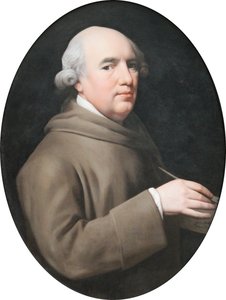
George Stubbs
1724 - 1806 , Spojené kráľovskosti
Rýchle fakty
- Artistic Movement Or Style: Romantizmus, Kôňart
- Artists Or Movements Influenced By This Artist: ['Joshua Reynolds']
- Artists Who Influenced This Artist: ['Hamlet Winstanley']
- Date Of Birth: 25 august 1724
- Date Of Death: 10 júl 1806
- Full Name: George Stubbs
- Nationality: Anglický
- Notable Artworks:
- Whistlejacket
- Lyžovník
- Lev a kôň
- Place Of Birth: Liverpool, UK
Súvisiace články
The Noble Steed: A Historical and Artistic Exploration of Horses in Fine Art
Explore the rich history of horses in fine art! From ancient depictions to Renaissance masterpieces & beyond, discover iconic artworks and artists. Learn about symbolism, techniques, and find museum-quality reproductions at OriginalUniqueArt.
George Stubbs: Anatomical Precision & Romantic Vision in 18th-Century British Art
Explore the captivating world of George Stubbs, the 18th-century master renowned for his anatomical precision & Romantic animal paintings. Discover his legacy and investment potential.

Georges Braque: Top 25 diel pre milovníkov umenia a luxusného interiéru
Ponorte sa do sveta Georges Braquea a jeho 25 ikonických diel! Objavte príbehy za kubistickými majstrovskými dielmi, impresionistické odtiene a revolučné techniky. Luxusné reprodukcie obrazov pre váš interiér na OriginalUniqueArt.com.
The Noble Steed on Canvas: A Historical & Artistic Exploration of Horse Painting Across Cultures
Explore the rich history of horse painting! Discover masterpieces from Stubbs to Munnings & learn about symbolism, techniques & artists. Find museum-quality reproductions at OriginalUniqueArt.

Georges Seurat: Top 25 Majstrovských Diel pre Váš Domov | OriginalUniqueArt.com
Objavte top 25 diel Georges Seurata – majstra impresionizmu a pointilizmu. Prežite príbeh farieb, svetla a revolučného umenia s OriginalUniqueArt.com. Reprodukcie obrazov pre váš domov. Preskúmajte celú kolekciu online!


