German Expressionism · 1914
Fighting Forms (Franz Marc, 1914)
Franz Marc (1880–1916) vytvoril Fighting Forms. Pochádza z roku 1914. Patrí k umeleckému smeru German Expressionism. Je vyrobené z Oil On Canvas. Nachádza sa v Bayerische Staatsgemaldesammlungen v Mníchov, Nemecko. Rozmery sú 91 × 131 cm.
- 1914
- Oil On Canvas
- 91 × 131 cm
- Bayerische Staatsgemaldesammlungen, Mníchov

 Náhľad v interiéri

 Ručne maľovaná olejná reprodukcia
 Odoslať ako digitálnu kartu
 Zdieľať
 Informačný list pre študentov


 Stiahnuť obraz
 Podobné položky
 RTG skúška
 Prehliadanie diapozoje
 Otázky a odpovede

 Štatistiky
Fighting Forms v krátkosti
- Názov
- Fighting Forms
- Umelec
- Franz Marc (1880–1916)
- Narodený v roku
- Mníchov, Nemecko
- Dátum
- 1914
- Médium
- Oil On Canvas
- Rozmery
- 91 × 131 cm
- Kde si ho pozrieť
- Bayerische Staatsgemaldesammlungen, Mníchov, Nemecko
- Pohyb
- German Expressionism
- Predmet
- expressionism, conflict, red, black, animals, anxiety
Čo zobrazuje Fighting Forms?
A Symphony of Conflict: Unpacking the Power of Franz Marc’s *Fighting Forms*
Franz Marc's 1914 painting, *Fighting Forms*, isn’t merely a visual representation; it’s an intensely felt experience. Created during a period of escalating anxieties surrounding the impending First World War, this work embodies the core tenets of Expressionism – a movement dedicated to conveying subjective emotions and inner turmoil rather than objective reality. Marc, a founding member of Der Blaue Reiter, sought to capture not just what he saw, but how he *felt*, channeling his spiritual concerns into a language of vibrant color and dynamic form. The painting immediately confronts the viewer with a swirling vortex of red and black, hues that instinctively evoke danger, struggle, and perhaps even death. Yet, within this apparent chaos lies a profound sense of yearning – a desperate plea for understanding amidst the looming darkness.
- The Palette of Emotion: Marc’s masterful use of color is paramount. The dominant reds represent aggression, violence, and the destructive forces threatening to consume humanity. These fiery tones are juxtaposed with the darker blacks and browns, symbolizing the unknown, the unconscious, and the inevitable consequences of conflict.
- Animal as Symbol: As a lifelong devotee of the animal kingdom, Marc frequently employed them as symbolic figures in his work. While not explicitly depicted here, the forms themselves suggest a primal struggle – a dance between predator and prey, life and death. This connection to the natural world provides a grounding element within the painting’s emotional intensity.
Deconstructing Abstract Forms: A Language of Tension
The composition of *Fighting Forms* is deliberately abstract, eschewing realistic representation in favor of conveying raw emotion. The swirling shapes aren't meant to depict specific objects or figures; instead, they embody the very essence of conflict – a chaotic interplay of opposing forces. Marc’s brushwork is loose and gestural, emphasizing movement and energy over precise detail. Notice how the lines seem to vibrate with an almost palpable tension, mirroring the anxieties of the era. The painting feels less like a static image and more like a captured moment of intense emotional upheaval – a visual representation of a battle waged not just on the battlefield, but within the human psyche.
Technique & Materials: Executed in oil on canvas, Marc’s technique is characterized by bold strokes and an expressive application of paint. The layering of colors creates depth and dynamism, while the loose brushwork contributes to the painting's overall sense of movement and urgency.Historical Context: A Precursor to War
To fully appreciate *Fighting Forms*, it’s crucial to understand its creation within the context of 1914. Europe was teetering on the brink of war, and Marc, like many artists of his time, felt a deep sense of foreboding. His work reflects this anxiety – not through explicit depictions of warfare, but through an exploration of the underlying emotions that fueled it: fear, uncertainty, and the potential for destruction. *Fighting Forms* can be seen as a visual meditation on the fragility of peace and the ever-present threat of violence. It’s a poignant reminder of how art can serve as a powerful reflection of its time.
A Legacy of Emotional Resonance
Franz Marc's *Fighting Forms* remains a profoundly moving work of art, continuing to resonate with viewers over a century later. Its abstract forms and emotionally charged colors capture the anxieties of a turbulent era while simultaneously offering a glimpse into the artist’s deeply held spiritual beliefs. Reproductions of this powerful painting offer an opportunity to bring its intensity into any space, prompting contemplation on themes of conflict, spirituality, and the enduring human condition. Consider how the vibrant hues might transform a room – injecting it with a sense of urgency and introspection.
V ktorom múzeu sa nachádza Fighting Forms?
Bayerische Staatsgemaldesammlungen
Mníchov, Nemecko
História Bayerische Staatsgemaldesammlungen Počiatky Bayerische Staatsgemaldesammlungen siahajú až do roku 1799, kedy vznikla inštitúcia Centralgemäldegaleriedirektion. Táto ustanovená v Mníchune v Nemecku inštitúcia slúžila pôvodne ako vybraný priestor určený pre kráľovské zbierky. Tento raný účel odzrkadľuje éru, v ktorej sa umenie nachádzalo v súkromných sférach šľachty, skôr než sa premenilo na verejnú kultúrnu silu, akou je dnes.


Vysoko rozlíšené fotografie diela Fighting Forms

Franz Marc, Fighting Forms (1914).
Franz Marc (1880–1916), Fighting Forms, 1914, oil on canvas, Bayerische Staatsgemaldesammlungen, Mníchov, Nemecko. Doména verejného vlastníctva Obrázok: OriginalUniqueArt.com.
Otázky k dielu Fighting Forms a ich odpovede
Kde môžem vidieť originál diela „Fighting Forms“ od Franz Marc?
Originál diela „Fighting Forms“ si môžete pozrieť v múzeu Bayerische Staatsgemaldesammlungen, Mníchov, Nemecko.
V ktorom roku bolo vytvorené dielo „Fighting Forms“?
Vznik diela „Fighting Forms“ od Franz Marc sa datuje do roku 1914.
Akou technikou je vytvorené „Fighting Forms“?
Technikou diela „Fighting Forms“ od Franz Marc je Oil On Canvas. Reprodukcie majú za cieľ verné odovzdanie vzhľadu tejto techniky.
Aké sú rozmery originálu „Fighting Forms“ od Franz Marc?
Pôvodné rozmery diela "Fighting Forms" sú 91 x 131 cm. Pôvodné rozmery sú užitočným vodidlom pri výbere veľkosti reprodukcie.
Čo zobrazuje dielo „Fighting Forms“ od Franz Marc?
Témy predstavované v díle „Fighting Forms“ od Franz Marc zahŕňajú expressionism, conflict, red, black, animals, anxiety, war, forms. Spolu zhrňujú predmet skladby.
Možno voľne reprodukovať obraz diela „Fighting Forms“ od Franz Marc?
Čo sa týka autorských práv, „Fighting Forms“ je v v slobodnom prostredí – autorské práva vypršali.
K ktorému umelcovi sa pripisuje dielo "Fighting Forms"?
Dielo „Fighting Forms“ sa pripisuje autorovi Franz Marc.
K ktorému umeleckému smeru patrí „Fighting Forms“ od Franz Marc?
„Fighting Forms“ je dielo smeru German Expressionism. Tento smer odzrkadľuje umeleckú tradíciu, ktorej toto dielo súčasťou.
Do ktorého obdobia tvorby Franz Marc patrí dielo „Fighting Forms“?
"Fighting Forms" predstavuje Late Period umelca Franz Marc.
O umelcovi, Franz Marc

1880–1916, Nemecko
Franz Marc
Franz Marc: Život a Dielo – Pionier Duše v Farbách Franz Moritz Wilhelm Marc, narodený v Mníchove v roku 1880, bol maliar, ktorého krátka, no intenzívne zameraná kariéra zásadne ovplyvnila smerovanie nemeckej expresionistickej maľby. Jeho príbeh je o hlbokom duchovnom hľadaní prenesenom do živých vizuálnych jazykov – o snhe o pochopenie podstaty života prostredníctvom čistoty, ktorú našiel v prírode, najmä v zvieracom svete. Počas svojho detstva bol ovplyvnený svojím otcom, Wilhelmom Marcim, krajinárskym maliarom, no jeho umelecká cesta nebola hneď jasná. Krátko uvažoval o teológii, snažiac sa riešiť otázky viery a existencie, pred tým, ako sa konečne zaviazal k umeniu na Akadémii umení v Mníchove.
Aj od Franz Marc
 Modrý kôň I1911
 bez názvu (4325)
 Veľké modré kone1911
 Tirol1914
Eseje k dielu Fighting Forms
 The Visceral Language of Emotion: Exploring Representations of Intense Feeling in Art HistoryExplore the profound history of emotional representation in art. Discover how masters like Goya evoked feeling & the impact of affect theor…
 25 Masterpieces by Franz Marc: The Soul of German ExpressionismFranz Marc co-founded the Blue Rider movement in Munich. See 25 works including The Large Blue Horses and Tyrol from the era of Expressioni…
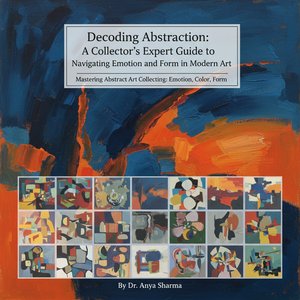 Za hranicami zobrazenia: Dekódovanie emócií a významu v modernej abstraktnej tvorbePonorte sa do sveta abstraktného expresionizmu! Objavte korene hnutia, techniky Pollocka a Rothka a jeho trvalý vplyv na moderné umenie. Ex…