 Náhľad v interiéri
 Odoslať ako digitálnu kartu
 Zdieľať
 Podrobnosti o dielo
 Príručka

 Stiahnuť obraz
 Podobné položky
 RTG skúška
 Prehliadanie diapozoje
 Q&A
Q&A Štatistiky
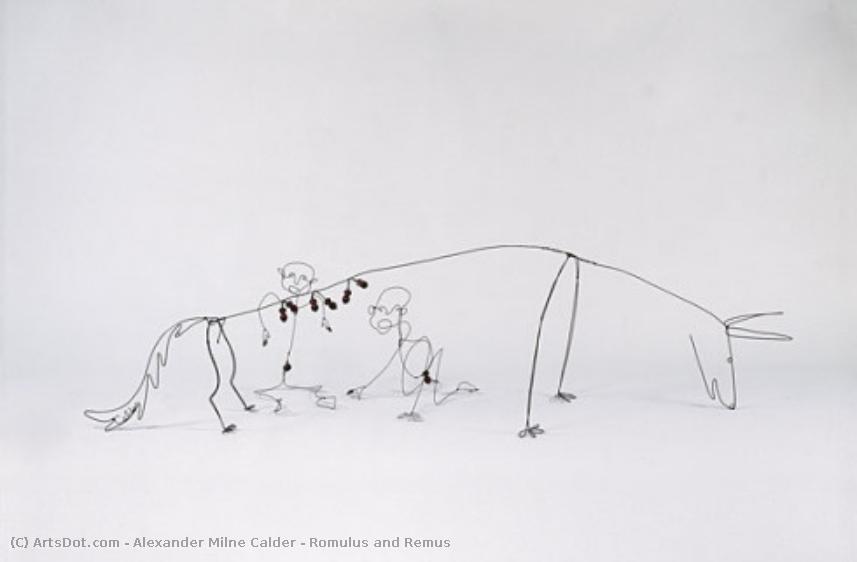
Romulus and Remus


 Zobraziť viac
Umelecké dielo zobrazené na tejto stránke je chránené autorským zákonom, čo znamená, že nemôžeme legálne vytvárať ani predávať jeho identickú reprodukciu. Táto ochrana je vymáhaná na základe medzinárodných dohôd, ako napríklad Bernská konvencia a národnými zákonmi, vrátane tých, ktoré sú stanovené v Autorské právo USA – Title 17. Všetky práva vyhradené.
Táto metóda plne dodržiava autorské práva, pretože nezahŕňa kopírovanie ani duplikovanie chráneného diela. Ide skôr o kreatívnu reinterpretáciu – nový obraz, ktorý je ovplybnený originálom, no nie je s ním identický.
Giclée / Umenotlač
Giclée tlač alebo plátno múzeálnej kvality s rýchlou výrobou a rôznymi možnosťami povrchovej úpravy. ( Kúpiť ručne maľovaný obraz Prepnúť na digitálny obraz)




P118B €10

P118H €10

P118W €10

P438Z €10

P508JH €12

P508YH €12

P805H €10

P805Z €10

P919BZ €10

P919G €10

P919XJ €10

P959ZH €10

P968JZ €12

W106C €8

W218G €10

W218JH €8

W218Y €10

W307PJ €10

W316G €10

W316PJ €8

W316Y €10

W398PJ €8

W4111J €10

W500HY €15

W500JH €15

W692G €12

W849H €8

W940BG €15

W953PJ €8




Vyberte si z našich preddefinovaných rozmerov, ktoré zodpovedajú pôvodným pomeroḿ diela.

Zadajte šírku a výšku, ktoré potrebujete, aby sa reprodukcia hodila k vášmu rámu alebo stene. Print možno len orezávať, nikdy však nemennú veľkosť zvětšiť oproti pôvodnému obrázku, preto pri inom formáte stráca časť obrazu. Pred samotným vytlačiacím procesom vám pošleme digitálny náhľad na schválenie. Obrázok zobrazený na tejto stránke nezobrazuje reálny rez — len digitálny náhľad ukazuje presný výsledok.
Celosvetová doprava () do 2 týždňov namiesto štandardných 4 až 5 týždňov. (2 november)

Bezplatná expresná doprava po celom svete

Vysokokvalitné lnianske plátno

Kompletné poistenie prepravy

Záruka vrátenia colného poplatku

Záruka presného farebného zhodnutia

100-dená politika vrátenia tovaru (iba pri vadách)

100% záruka vrátenia peňazí

Zľava pri väčšom množstve
 Možnosť skla je dostupná len pri rozmeroch pod 110 cm

Romulus and Remus
Giclée / Umenotlač
Veľkosť reprodukcie
-


Celková cena
€ 71
A Moment Frozen in Steel: Exploring Calder’s “Romulus and Remus”
Alexander Milne Calder's "Romulus and Remus," crafted in 1928, isn’t merely a sculpture; it’s a distilled essence of myth rendered in delicate wire. This piece, a testament to the artist’s pioneering approach to three-dimensional form, transcends its subject matter – the legendary founders of Rome – to become a profound meditation on beginnings, brotherhood, and the very act of creation itself. Calder, deeply influenced by Constructivism and early Modernism, sought to liberate sculpture from the constraints of traditional materials, embracing the inherent qualities of industrial wire as both medium and metaphor.
The sculpture’s stark simplicity is its most arresting feature. Two figures, rendered with astonishing grace despite their skeletal construction, stand beneath a subtly arching structure that evokes a horizon line or perhaps a stylized landscape. The color palette – a resolute black and white punctuated by subtle grays – amplifies the work's austerity, forcing the viewer to focus entirely on form and movement. The lines themselves are paramount; thin, almost impossibly delicate wires define every contour, creating an illusion of both fragility and strength. This deliberate reductionist approach mirrors Calder’s broader philosophy: to strip away the superfluous and reveal the fundamental elements of a subject.
The Poetics of Chance and Kinetic Form
Calder's work in this period – particularly his “Cirque Calder” series – exemplifies his fascination with chance and spontaneity. He didn’t meticulously plan every curve or angle; instead, he allowed the wire to guide him, embracing the unpredictable nature of the material. This process is vividly captured in "Romulus and Remus," where the figures appear to be caught mid-action, poised on the precipice of a narrative yet undefined. The slight wobble inherent in the sculpture’s construction – a subtle consequence of its wire composition – hints at a kinetic energy, suggesting that even stillness can hold a dynamic potential.
The technique itself is deceptively complex. Calder skillfully bent and assembled hundreds of individual wires, creating a surprisingly robust structure despite its delicate appearance. The varying thicknesses of the wire contribute to the sculpture’s textural richness, offering subtle shifts in sheen as light catches the metal. This careful manipulation of material speaks to Calder's mastery of his chosen medium – a testament to his ability to transform industrial components into objects of profound beauty and intellectual resonance.
Myth, Brotherhood, and the Dawn of Rome
The subject matter—the story of Romulus and Remus—is deeply rooted in Roman mythology. The legend of the twins suckled by a she-wolf is an enduring symbol of resilience, survival, and the founding of civilization. Calder’s sculpture doesn't simply depict this narrative; it captures its essence – the primal struggle for existence, the bond between brothers, and the birth of a new order. The wire itself can be interpreted as representing the threads that connect us to our past, shaping our present and influencing our future.
Created in 1928, “Romulus and Remus” stands as a pivotal work in Calder’s oeuvre, marking a significant shift towards abstraction while retaining a powerful connection to his artistic roots. It's a sculpture that invites contemplation, prompting viewers to consider the interplay of form, material, and narrative – a timeless meditation on the foundations of human experience.
Otázky a odpovede
Nachádza sa dielo „Romulus and Remus“ od Alexander Calder v domovskej krajine umelca?
Nie – dielo sa nachádza v zahraničí. Rodinná krajina, v ktorej sa narodil/a Alexander Calder, je Škotsko, zatiaľ čo múzeum uchovávajúce originál diela „Romulus and Remus“ sa nachádza v krajine Spojené štáty americké.
Kto je autorom a aké je vznikové obdobie diela „Romulus and Remus"?
Autorom diela „Romulus and Remus“ je Alexander Calder a vzniklo v roku 1928.
Kde môžem nájsť štatistiky k dielu „Romulus and Remus“ od Alexander Calder?
Stránka Štatistiky diela „Romulus and Remus“ od Alexander Calder prezentuje štatistiky návštevnosti: mesačnú návštevnosť tohto diela, jeho porovnanie s najnavštevovanejšími prácami daného umelca a informácie o pôvode návštevníkov.
Biografia umelca
Alexander Milne Calder
Alexander Milne Calder, známy ako Alexander Calder, bol škotsko-americký sochár, ktorý sa narodil v Aberdene, Škótsko, roku 1846. Je najlepšie poznaný svojimi architektúrnymi sochami Philadelphijskej hlavnej budovy a tiež tým, že jeho syn, Alexander Stirling Calder, a vnuk, Alexander ‘Sandy’ Calder, boli významnými sochármi v 20. storočí.
Raný život a kariéra
Calder začal svoju činnosť v Škótsku, kde pracoval pre sochára Johna Rhinda počas štúdii na Kráľovskom akademii v Edinburghu. Presťahoval sa do Londynu a pôsobil na Albertnom námestí. Calder emigroval do USA v roku 1868 a usadil sa v Philadelфии, kde študoval s Jozefom A. Baillym a učil sa tiež na Pennsilvánskej akadémii umenia pod vedením Toma Eakinsa.
Významné diela
Niektoré z najvýznamnejších diel Alexandra Milna Caldera zahŕňajú:
- Philadelphijsku hlavnú budovu: Tento projekt vyžadoval viac ako 250 kusov mramoru a bronzu, čo Calderovi zabralo 20 rokov dokončenia.
- William Penn: Monumentálna bronzová štúdia, ktorá mala korunovať vežu hlavnej budovy.
- Indické číslo: Socha pred jej nainštaláciou na hlavnú budovu.
- Južné a západné vrátovisko: osvetlené farebnými svetlami, čo ukazovalo Calderovu pozornosť k detailom.
Dielo Caldera vplyv
Calder bol ovplyvnený mnohými umelcami a pohybmi, medzi ktoré patrili John Rhind, Thomas Eakins a Jean Arp. Jeho práce sú súčasťou významných múzeí po celom svete, vrátane Smithsonian American Art Museum a Galleria Civica di Arte Moderna e Contemporanea Turína.
Posmrtné uznanie
Alexander Milne Calder je oslavovaný ako jeden z najvýznamnejších amerických súčasných umelcov. Jeho diela budú pokračovať v tom, že sú študované a oceňované ďalšie generácie.

Alexander Calder
1898 - 1976 , Škotsko
Základné informácie
- Artistic Movement Or Style: Architectural sculpture
- Artists Or Movements Influenced By This Artist: ['Surrealism']
- Artists Who Influenced This Artist: ['John Rhind']
- Date Of Birth: August 23, 1846
- Date Of Death: June 14, 1923
- Full Name: Alexander Milne Calder
- Nationality: Scottish-American
- Notable Artworks:
- Philadelphia City Hall
- William Penn statue
- Place Of Birth: Aberdeen, Scotland
Súvisiace články

Top 10 Bronzových Majstrovských Diel, ktoré Zmenili Umění Navždy | OriginalUniqueArt
Objavte top 10 legendárnych bronzových majstrovských diel, ktoré zmenili umenie navždy! Rodin, Michelangelo a ďalší. Prežite príbehy slávnych sôch a nájdite inšpiráciu pre váš interiér na OriginalUniqueArt.com.
Alexander Calder: Kinetic Sculpture, Mobile Art & the Poetics of Chance
Explore the revolutionary world of Alexander Calder's kinetic sculptures & mobiles. Discover insights for collectors, acquisition advice, and the enduring legacy of this modern master. Expert analysis & art valuation.

The Enduring Form: Exploring Themes & Techniques in Sculpture Across Historical Periods
Explore the rich history of sculpture from ancient masterpieces to contemporary innovations. Discover key techniques, influential artists & investment potential for discerning art collectors.

The Enduring Form: Sculpture Across History, Technique & Emotional Resonance
Explore the rich history of sculpture with OriginalUniqueArt. Discover key techniques, influential artists & investment potential for discerning collectors. Expert insights into valuing and collecting timeless masterpieces.

Top 10 Bronzových Sôch, ktoré Zmenili Umenie Navždy | OriginalUniqueArt
Objavte top 10 legendárnych bronzových sôch, ktoré zmenili umenie! Michelangelo, Rodin a ďalší majstri. História, techniky a nadčasová krása pre váš interiér. Reprodukcie múzejnej kvality na OriginalUniqueArt.com
