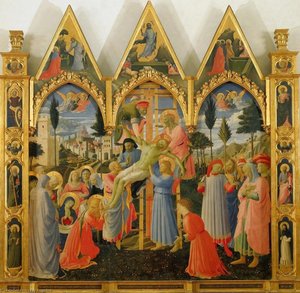
1of 62
Сандро Боттичелли 1445–1510
Итальянец Born in Флоренция Раннее Возрождение Wikipedia in 31/32 languages
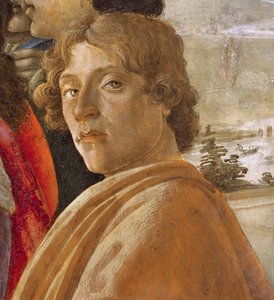
Early Renaissance, one artist at a time
Сандро Боттичелли (1445–1510) is the most famous Early Renaissance художник, whose singular vision gave us Рождение Венеры и Поклонение волхвов (деталь). Next stand Мазаччо, Пьеро Делла Франческа, Фра Беато Анджелико и Андреа Мантенья. These 62 художники, from Уголино Ди Нерио (born 1280) to Ученик Доменико (Бартоломео Ди Джованни) (born 1475), came from 5 countries.
Our selection. Artists whose works our catalogue attaches to Early Renaissance, in the order of our fame ranking. Artists born after 1955 with no Wikidata identifier stay out until verified. The Wikipedia figure counts our 32 languages with an article on the artist.
In brief
One artist at a time
1of 62
Итальянец Born in Флоренция Раннее Возрождение Wikipedia in 31/32 languages
2of 62
Итальянский Born in Сан-Джованни-Вальдарно Ранний Ренессанс Wikipedia in 31/32 languages

3of 62
Итальянец Born in Сансеполькро Раннее Возрождение Wikipedia in 30/32 languages

4of 62
Итальянец Born in Виккьо Раннее Возрождение Wikipedia in 31/32 languages
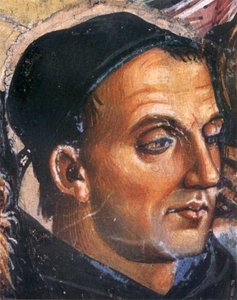
5of 62
Итальянец Born in Изола ди Картуро Раннее Возрождение Wikipedia in 30/32 languages

7of 62
Итальянский Born in Флоренция Ранний Ренессанс Wikipedia in 31/32 languages

"Святой Иероним за своим столом" (1480): Сопутствующий Ботичелли "святому Августину", демонстрирующий мастерство Ghirlandaio в фреске и внимание к деталям. "Последнее таинство" (Ольлянца, 1480): Революционная работа, повлиявшая на последующие изображения этого знаменитого сюжета, включая шедевр Леонардо да Винчи. Фрески в капелле Сассети (Санта-Тринита, 1482-1485): Комплексный цикл, иллюстрирующий жизнь святого Франциска, отличающийся реалистичным изображением флорентийского общества. "Позвание апостолов" (Сикстинская капелла, 1483): Значительный вклад в один из самых известных художественных пространств мира.
8of 62
Итальянский Born in Флоренция Ранний Ренессанс Wikipedia in 30/32 languages
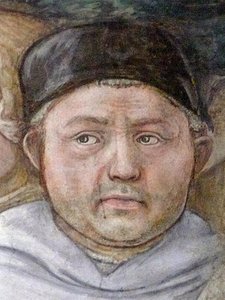
9of 62
Born in Мессина

«Мадонна с грушей» (ок. 1460), написанная вскоре после этой встречи, является примером этого сдвига, демонстрируя более гармоничную цветовую схему и большее чувство элегантности, чем его ранние работы. Самые известные картины Антонелло – включая «Святого Иеронима в своей келье» (ок. 1475) и «Благовещение» (ок. 1475) – являются свидетельством его художественного мастерства.
10of 62
Итальянец Born in Флоренция Раннее Возрождение Wikipedia in 31/32 languages

11of 62
Итальянский Born in Флоренция Возрождение Wikipedia in 23/32 languages

12of 62
Итальянец Born in Флоренция Интернациональная готика, Раннее Возрождение Wikipedia in 25/32 languages

«Благовещение» в Терни (1450). Фрески капеллы Волхвов (1459–1461).
13of 62
Итальянец Born in Паникале Раннее Возрождение Wikipedia in 23/32 languages

15of 62
Итальянский Born in Феррара Ранний Ренессанс; Школа Феррары Wikipedia in 24/32 languages

16of 62
Итальянец Born in Венеция Раннее Возрождение Wikipedia in 21/32 languages

17of 62
Итальянец Born in Феррара Итальянский Ренессанс Wikipedia in 17/32 languages

18of 62
Итальянец Born in Сиена Поздняя готика, Сиенская школа Wikipedia in 17/32 languages

19of 62
Итальянский Born in Флоренция Ренессанс Wikipedia in 28/32 languages
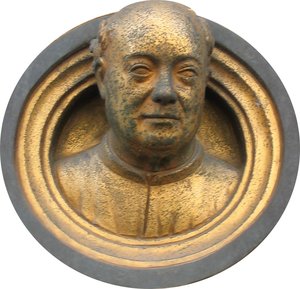
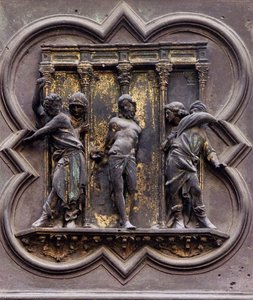
The challenge was audacious: to depict the Sacrifice of Isaac in relief, a biblical narrative brimming with symbolism and theological significance. He immediately began work on the North Doors, a project that would consume over two decades and fundamentally transform the Baptistery into a breathtaking showcase of Renaissance artistry. Lorenzo di Bartolo – a name destined to become synonymous with artistic innovation as Lorenzo Ghiberti – was born near Florence in 1378, into a world poised on the cusp of a transformative era.
20of 62
Итальянец Born in Венеция Поздняя готика, Венецианская готика Wikipedia in 23/32 languages

21of 62
Итальянский Born in Флоренция Ренессанс Wikipedia in 24/32 languages

22of 62
Итальянский Born in Сиена Международный готический; ранний ренессанс Wikipedia in 22/32 languages

23of 62
Итальянский Born in Сан-Годенцо Ренессанс Wikipedia in 24/32 languages
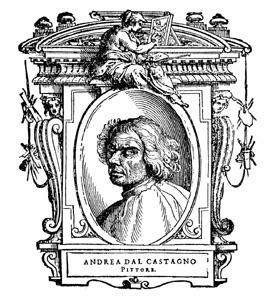
The turbulent political climate of the time – marked by protracted conflicts between Florence and Milan – saw his family temporarily displaced to Corella during periods of siege. The Last Supper, completed around 1447 for the Ospedale di Santa Maria Nuova, exemplifies this stylistic synthesis with unparalleled brilliance—a masterpiece that continues to captivate audiences centuries later due to its masterful depiction of human emotion and its innovative use of perspective.
26of 62
Итальянец Born in Флоренция Живопись эпохи Возрождения Wikipedia in 17/32 languages

27of 62
Итальянский Born in Флоренция Флорентийская школа; Стиль Фра Анжелико Wikipedia in 13/32 languages

28of 62
Итальянец (флорентиец) Born in Флоренция Раннее Возрождение, флорентийское Wikipedia in 15/32 languages

29of 62
Итальянец Born in Флоренция Раннее Возрождение Wikipedia in 13/32 languages

30of 62
Итальянец Born in Рим Раннее Возрождение Wikipedia in 16/32 languages

31of 62
Испанец Born in Кордова Испано-фламандский стиль, Раннее Возрождение Wikipedia in 14/32 languages

33of 62
Венецианский Born in Мурано Венецианская Ренессанс Wikipedia in 17/32 languages

37of 62
Итальянский Born in Венеция Византийское искусство Wikipedia in 11/32 languages

38of 62
Итальянский Born in Сиена Сиенская живопись Wikipedia in 13/32 languages

39of 62
Итальянец Born in Сиена Раннее Возрождение Wikipedia in 13/32 languages

41of 62
Итальянец Born in Флоренция Флорентийская школа Wikipedia in 8/32 languages

43of 62
Итальянский Born in Сан Gimignano Раннее Возрождение

Sebastiano Mainardi (c.1460 – 1513), born in San Gimignano, Tuscany, stands as a pivotal figure within the Early Renaissance artistic landscape of Florence. Early Life & Training: Giorgio Vasari recounts that Mainardi was apprenticed to Domenico Ghirlandaio, arguably Florence’s most prominent painter during this period. Collaboration with Ghirlandaio: The Sassetti Chapel frescoes commissioned by Giovanni Battista Sassetti represent arguably Mainardi’s most celebrated achievement.
44of 62
Italian Born in Сиена Early Renaissance Wikipedia in 12/32 languages

Around 1468, Neroccio entered into a significant collaboration with Francesco di Giorgio Martini, an architect, painter, and engineer who would become a lifelong associate. While working alongside di Giorgio, Neroccio began to develop his own distinct style—one that subtly diverged from the prevailing trends. In 1483, he designed the Hellespontine Sybil for the mosaic pavement of Siena Cathedral—a testament to his skill as a designer and draftsman.
45of 62
Итальянец Born in Сансеполькро Сиенская школа, Ренессанс Wikipedia in 11/32 languages

46of 62
Born in Dortmund International Gothic

In the vibrant heart of Westphalia, during the turn of the 15th century, Konrad von Soest emerged as a transformative figure in Northern European painting. Whether depicting the tender grace of the Holy Family or the heavy grief of the Passion, von Soest’s hand is unmistakable, marked by an ability to marry the decorative splendor of the Gothic tradition with a deeply moving, humanistic touch.
47of 62
French Born in Uzès Early Renaissance; Flemish Style Wikipedia in 14/32 languages
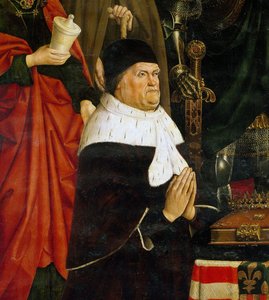
He achieved considerable renown for his monumental altarpiece commissioned in Aix-en-Provence for Catherine Spifami, depicting the Passion of Christ and incorporating scenes from Mary Magdalene's life—a testament to the prevailing devotional fervor of the time. He stands as a pivotal conduit for disseminating Flemish artistic innovations, propelling the Second School of Avignon toward a more expressive and realistic aesthetic.
48of 62
Итальянец Born in Флоренция Раннее Возрождение Wikipedia in 9/32 languages

50of 62
Italian Born in Сан-Джованни-Вальдарно Early Renaissance Wikipedia in 8/32 languages

While his brother Masaccio is celebrated as the pioneer of groundbreaking realism, Giovanni di Ser Giovanni —affectionately known to history as Lo Scheggia, or "the splinter"—carved out a legacy defined by a different, more delicate kind of mastery.
52of 62
Итальянское Возрождение Born in Флоренция Раннее Возрождение Wikipedia in 6/32 languages
54of 62
Итальянец Born in Сиена Раннее Возрождение Wikipedia in 8/32 languages

55of 62
Italian Born in Perugia Umbrian Renaissance Wikipedia in 9/32 languages

In the heart of the Umbrian Renaissance, a period defined by spiritual luminosity and the dawn of humanistic perspective, the name Benedetto Bonfigli emerges as a vital architect of visual devotion.
56of 62
Born in Мурано Early Renaissance-late Gothic

Working primarily within the Republic of Venice, Vivarini occupied a unique historical space, bridging the transition between the ornate elegance of the late Gothic period and the burgeoning humanism of the early Renaissance.
57of 62
Italian Born in Florence Early Renaissance

Nanni di Banco’s most celebrated achievement is undoubtedly the Quattro Santi Coronati (Four Crowned Martyrs), commissioned between 1412 and 1415 for the Orsanmichele church in Florence.
58of 62
Italian Early Renaissance

Reflecting on his body of work, several key elements define his artistic identity: Stylistic Versatility: The ability to merge the structural rigor of Florentine sculpture with the lyrical beauty of the International Gothic. Though his life ended in 1451, leaving behind a fragmented biographical record, the echoes of "il Rosso" remain etched in the very fabric of Italian art history. Cultural Diffusion: Acting as a bridge between the artistic epicenters of Florence and the burgeoning markets of Venice and Northern Italy.
59of 62
Italian Born in Siena Renaissance art Wikipedia in 6/32 languages

His early works, such as the celebrated “ Adoration of the Shepherds ” with Saint Augustine and Saint Galgano (circa 1430-1435), demonstrate a masterful command of composition and a burgeoning interest in depicting human emotion. D’ Ambrogio’s artistic development was undoubtedly shaped by the prevailing trends of the early Renaissance, particularly those emanating from Florence.
60of 62
Итальянец Born in Флоренция Искусство Ренессанса Wikipedia in 5/32 languages

61of 62
Italian Late Gothic Wikipedia in 8/32 languages

While definitively named only recently thanks to meticulous research by Maria Falcone, this artist—now recognized as Sano di Pietro —left behind a remarkable cycle of eight panels depicting scenes from the life of Saint Anthony Abbot, works that continue to captivate viewers with their haunting beauty and psychological depth. Despite his anonymity for centuries, the Master of the Osservanza's work has exerted a significant influence on subsequent generations of Italian painters.
62of 62
Italian Proto-Renaissance Wikipedia in 4/32 languages

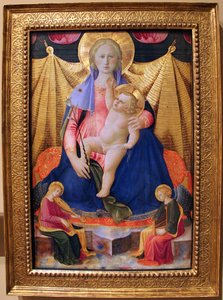
A key feature of his work is the variation in the presentation of the infant Jesus within Mary’s arms – a subtle but significant departure from the static poses often found in earlier depictions. Artists like Giotto, Masaccio, and Donatello were challenging established conventions and experimenting with new techniques – paving the way for the High Renaissance.
Signature works
A timeline
Figures
| Италия | 53 |
|---|---|
| Italy | 4 |
| Испания | 1 |
| Germany | 1 |
| France | 1 |
| 13th век | 1 |
|---|---|
| 14th век | 16 |
| 15th век | 43 |
| Метрополитен-музей | 12 |
|---|---|
| Национальная галерея | 11 |
| Галерея Уффици | 5 |
| Национальная галерея искусств | 5 |
| Государственные музеи Берлина | 5 |
| Gemäldegalerie | 5 |
| Gallerie dell'Accademia di Venezia | 4 |
| Музеи изящных искусств Сан-Франциско | 4 |
Every name
Сандро БоттичеллиИтальянец · 1445–1510МазаччоИтальянский · 1401–1428Пьеро Делла ФранческаИтальянец · 1415–1492Фра Беато АнджеликоИтальянец · 1395–1455Андреа МантеньяИтальянец · 1431–1506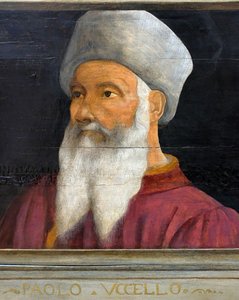 Паоло УччеллоИтальянец · 1397–1475Доменико ГирландайоИтальянский · 1448–1494Филиппо ЛиппиИтальянский · 1406–1469Антонио Да Мессина1430–1479ДонателлоИтальянец · 1386–1466Антонио дель ПоллайолоИтальянский · 1429–1498Беноццо ГоццолиИтальянец · 1420–1497Мазолино Да ПаникалеИтальянец · 1383–1447
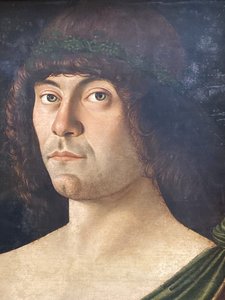 Якопо БеллиниИтальянец · 1400–1470Козимо ТураИтальянский · 1430–1495Доменико ВенецианоИтальянец · 1410–1461Франческо Дель КоссаИтальянец · 1436–1477СассеттаИтальянец · 1392–1450Лорэнцо ГибертиИтальянский · 1378–1455Карло КривеллиИтальянец · 1435–1495Козимо РосселлиИтальянский · 1439–1507Лоренцо МонакоИтальянский · 1370–1425Андреа дель КастаньоИтальянский · 1420–1457
 Филиппо Брунеллески1377–1446
 Эрколе Де Роберти1450–1496Пьеро дель ПоллайолоИтальянец · 1443–1496Доменико Ди МикелиноИтальянский · 1417–1491Франческо ПезеллиноИтальянец (флорентиец) · 1422–1457Франческо БоттичиниИтальянец · 1446–1498Антониаццо РоманоИтальянец · 1430–1508Бартоломе БермехоИспанец · 1440–1500
 Бенедетто Да Майано1446–1497Антонио ВивариниВенецианский · род. 1416
 Якопо Делла КьерчаИтальянский · 1374–1438
 Нэри Ди Биччи1418–1492
 Бернардо РосселлиноИтальянский · 1409–1464Лоренцо ВенецианоИтальянский · 1336–1379Уголино Ди НериоИтальянский · 1280–1330Тадео Ди БартолоИтальянец · 1362–1422
 Ученик Доменико (Бартоломео Ди Джованни)Итальянец · 1475–1503Биччи Ди ЛоренцоИтальянец · 1350–1427
 Альвизе Виварини (Луиджи Виварини)Итальянец · 1446–1502Себастьяно МайнардиИтальянский · 1460–1513Нероччо де ЛандиItalian · 1447–1500Маттео Ди ДжованниИтальянец · 1435–1495Konrad Von Soest1370–1422Nicolas FromentFrench · 1430–1484Якопо дель СеллайоИтальянец · 1442–1493
 Фра КарневалеItalian · 1420–1484СкеджаItalian · 1406–1486
 Сано Ди ПьетроИтальянец · 1405–1481Дзаноби СтроцциИтальянское Возрождение · 1412–1468
 Ладзаро БастианиИтальянский · 1429–1512Андреа ВанниИтальянец · 1332–1414Benedetto BonfigliItalian · 1420–1496Антонио Виварини1440–1480Nanni D Antonio Di BancoItalian · 1380–1421Nanni Di BartoloItalian · 1419–1451Pietro Di Giovanni D'AmbrogioItalian · 1410–1449Бартоломео Ди ФруозиноИтальянец · 1366–1441Master Of The OsservanzaItalian · Master of the Nativity of CastelloItalian ·
Questions
First place goes to Сандро Боттичелли (#1); Мазаччо (#2) and Пьеро Делла Франческа (#3) complete the podium.
Сандро Боттичелли (#1), Мазаччо (#2), Пьеро Делла Франческа (#3), Фра Беато Анджелико (#4) и Андреа Мантенья (#5).
The earliest-born художник in this list is Уголино Ди Нерио (#38), born in 1280.
Флоренция: 20 of the художники in this list were born there.
Most художники in this list were born in the 15th век (43 of 62), between 1280 and 1475 overall.
The museums holding the most key works of this list are Метрополитен-музей (12), Национальная галерея (11) и Галерея Уффици (5).
Италия: 53 of the 62 художники in this list were born there, then Italy (4) и Испания (1).
The highest-ranked художники born in Италия are Сандро Боттичелли (#1), Мазаччо (#2), Пьеро Делла Франческа (#3), Фра Беато Анджелико (#4) и Андреа Мантенья (#5).
“A period spent assisting Carlo I Malatesta with frescoes during the devastating plague outbreak in Rimini in 1400 provided invaluable experience, exposing him to diverse artistic currents and honing his observational skills amidst a backdrop of profound human suffering.” — from our biography of Лорэнцо Гиберти (#19).
The highest-ranked living художники in this list are Антонио Виварини (#33).
Our catalogue holds 5,105 works by these художники.
Read
Other movements
 Знаменитые художники BaroqueРембрандт ван Рейн · Рембрандт
 Знаменитые художники Contemporary RealistСборщицы · Жан-Франсуа Милле
 Знаменитые художники ImpressionistЗвёздная ночь (Нью-Йорк, MoMA) · Винсент Ван Гог
 Знаменитые художники RomanticistСатурн пожирающий своего сына · Франсиско Гойя
 Знаменитые художники NeoclassicistСмерть Марата · Жак-Луи Давид
 Знаменитые художники RealistПроисхождение мира · Гюстав Курбе
 Знаменитые художники Dutch Golden AgeДевушка с жемчужной серёжкой · Ян Вермеер
 Знаменитые художники RenaissanceМона Лиза (Джоконда) · Леонардо Да Винчи
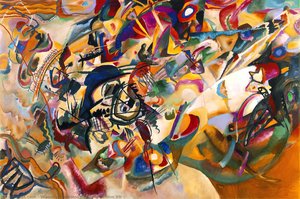 Знаменитые художники ExpressionistКомпозиция VII · Василий Васильевич Кандинский
 Знаменитые художники RococoОтплытие на Кифере · Антуан Ватто
Other periods
 Знаменитые художники Early MedievalSnowy River · Ван Вэй
 Знаменитые художники High MedievalМадонна в Маэсти (Мадонна Оньисанти) · Джотто Ди Бондоне
 Знаменитые художники Late MedievalБлаговещение и два святых · Симоне Мартини
 Знаменитые художники RenaissanceСотворение Адама · Микеланджело
 Знаменитые художники Early ModernПризвание святого Матфея · Караваджо
 Знаменитые художники 19th CenturyВодяные лилии (или Нимфеи) · Клод Моне
 Знаменитые художники ModernГерника · Пабло Пикассо
 Знаменитые художники ContemporaryWind Sculpture III (one in a series of nine) · Yinka Shonibare
Discover more