Expressionism · 1915
Rocks, Gloucester (Стюарт Дэвис, 1915)
Стюарт Дэвис (1892–1964) создал(а) Rocks, Gloucester. Создано в 1915. Относится к направлению Expressionism. Выполнено в технике Oil On Canvas. Хранится в New Orleans Museum of Art в Новый Орлеан, Соединенные Штаты Америки. Размер: 76 × 91 cm
- 1915
- Oil On Canvas
- 76 × 91 cm
- New Orleans Museum of Art, Новый Орлеан

 Предпросмотр

 Картина маслом ручной работы
 Поделиться
 Поделиться
 Справка об объекте


 Скачать
 Похожие предметы
 Рентгенография
 Слайд-шоу
 Вопросы и ответы

 Статистика просмотров
Rocks, Gloucester вкратце
- Название
- Rocks, Gloucester
- Автор
- Стюарт Дэвис (1892–1964)
- Дата рождения художника
- Филадельфия, США
- Дата
- 1915
- Техника
- Oil On Canvas
- Размеры
- 76 × 91 cm
- Где посмотреть
- New Orleans Museum of Art, Новый Орлеан, Соединенные Штаты Америки
- Движение
- Expressionism
- Период
- Early Modern
- Сюжет
- american landscape, mountain peaks”, “bold colors”, “dynamic composition”, “abstract forms”, “urban energy”
Что изображено на Rocks, Gloucester?
Rocks, Gloucester: A Transitional Masterpiece by Stuart Davis
Stuart Davis’s “Rocks, Gloucester,” painted in 1915, stands as a crucial bridge between the artist's early realist explorations and his eventual embrace of abstract expressionism. This vibrant landscape, measuring 76 x 91 cm, offers a compelling glimpse into the burgeoning artistic currents of early 20th-century America, particularly the shift away from traditional representation championed by figures like Robert Henri. The painting’s immediate impact lies in its bold use of color – a fiery palette dominated by reds, oranges, and yellows – which immediately evokes a sense of energy and dynamism. Davis wasn't simply depicting rocks; he was attempting to capture the frenetic pace of modern life, as he himself described, translating the “dynamics of city lights and sounds” onto canvas.
A Style in Formation: Expressionism and the American Landscape
“Rocks, Gloucester” exemplifies a transitional style, leaning heavily towards Expressionism while retaining elements of Davis’s earlier training. The visible brushwork, textured surface, and distorted forms – particularly evident in the jagged peaks of the mountains – betray an emotional intensity that anticipates his later abstract works. The artist's deliberate use of color isn't purely representational; it’s a vehicle for conveying feeling, mirroring the anxieties and excitement of a nation undergoing rapid transformation. The flattened perspective further emphasizes this emotional impact, prioritizing the viewer’s experience over strict adherence to realistic spatial relationships. This approach aligns with the broader artistic experimentation taking place at the time, fueled by influences from European modernism and the desire to forge a distinctly American aesthetic.
Technique and Materials: Oil on Canvas – A Gesture of Form
- Oil on Canvas: The painting is executed in oil on canvas, a technique that allows for rich color saturation and substantial textural variation.
- Visible Brushwork: Davis’s loose, gestural brushstrokes are immediately apparent, contributing to the painting's energetic feel and conveying a sense of immediacy.
- Layered Color: The use of layered colors creates depth and volume within the mountain forms, though the overall effect remains somewhat flattened, prioritizing emotional resonance over photographic realism.
- Undulating Foreground: The large, yellow-ochre mass in the foreground anchors the composition and adds to the sense of solidity and weight.
Symbolic Resonance: Mountains as Metaphor
Beyond its aesthetic qualities, “Rocks, Gloucester” carries symbolic weight. Mountains have long represented strength, resilience, and even the sublime – concepts deeply rooted in human experience. In Davis’s hands, they become a visual embodiment of these ideas, reflecting the challenges and aspirations of a nation grappling with modernity. The dark purple and grey sky provides a dramatic counterpoint to the warm tones below, further amplifying the sense of grandeur and perhaps hinting at an underlying tension between nature's power and humanity's place within it. The artist’s signature in the upper right corner confirms this work as a pivotal moment in Davis’s artistic evolution.
В каком музее находится Rocks, Gloucester?
New Orleans Museum of Art
Новый Орлеан, Соединенные Штаты Америки
Окно в Новый Орлеан: Душа искусства в Музее Нового Орлеана Расположенный в живых объятиях Сити-парка — бескрайнего городского оазиса, превосходящего по своим масштабам даже Центральный парк, — Музей Нового Орлеана (NOMA) является чем-то гораздо большим, чем просто хранилищем шедевров. Это глубокое отражение уникальной идентичности Луизианы и свидетельство ее непреходящего художественного духа. Основанный в 1911 году провидцем Исааком Дельгадо, NOMA начинался с простой, но амбициозной цели: предоставить Новому Орлеану надежную гавань, где искусство могло бы почитаться, выставляться и праздноваться всеми.


Изображения в высоком разрешении: Rocks, Gloucester

Объект защищен авторским правом: данные файлы предназначены для личного ознакомления и не являются лицензией на переиздание.
Стюарт Дэвис, Rocks, Gloucester (1915).
Стюарт Дэвис (1892–1964), Rocks, Gloucester, 1915, oil on canvas, New Orleans Museum of Art, Новый Орлеан, Соединенные Штаты Америки. Изображение: OriginalUniqueArt.com.
Ответы на вопросы о Rocks, Gloucester
Где сегодня можно увидеть «Rocks, Gloucester», Стюарт Дэвис?
Вы можете увидеть оригинал произведения «Rocks, Gloucester» в New Orleans Museum of Art, Новый Орлеан, Соединенные Штаты Америки.
В каком году было создано произведение «Rocks, Gloucester», Стюарт Дэвис?
«Rocks, Gloucester» датируется 1915 годом. Эта дата позволяет определить место произведения в творчестве Стюарт Дэвис и в контексте его эпохи.
В какой технике выполнено произведение «Rocks, Gloucester», Стюарт Дэвис?
Техника исполнения работы «Rocks, Gloucester», Стюарт Дэвис — Oil On Canvas. Репродукции стремятся максимально точно передать особенности этой техники.
Каковы размеры оригинала «Rocks, Gloucester»?
Размер оригинала «Rocks, Gloucester», Стюарт Дэвис составляет 76 x 91 cm.
Что изображено на картине «Rocks, Gloucester», Стюарт Дэвис?
Темы, представленные в «Rocks, Gloucester», Стюарт Дэвис, включают american landscape, mountain peaks”, “bold colors”, “dynamic composition”, “abstract forms”, “urban energy”, “1915 art”. Вместе они раскрывают основной сюжет произведения.
Является ли произведение «Rocks, Gloucester», Стюарт Дэвис общественным достоянием?
Произведение «Rocks, Gloucester», Стюарт Дэвис находится в находится под защитой авторского права. Этот статус определяет правила воспроизведения изображения данного произведения.
Кто создал "Rocks, Gloucester"?
Автор произведения «Rocks, Gloucester» — Стюарт Дэвис. Работа внесена в каталог под именем Стюарт Дэвис.
К какому стилю относится «Rocks, Gloucester»?
«Rocks, Gloucester», Стюарт Дэвис относится к направлению Expressionism. Это направление определяет стилистический контекст произведения.
К какому периоду творчества Стюарт Дэвис относится произведение «Rocks, Gloucester»?
«Rocks, Gloucester» относится к Transitional Style в творчестве Стюарт Дэвис. Данная классификация позволяет проследить развитие мастера.
Об авторе, Стюарт Дэвис
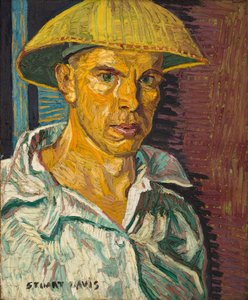
1892–1964, США
Стюарт Дэвис
Стюарт Дэвис: Пионер американского модернизма Ранние годы и становление мастера Родившись 7 декабря 1892 года в Филадельфии, Стюарт Дэвис с самых малых лет был окружен атмосферой высокого искусства. Его семья была неразрывно связана с творчеством: его отец, Эдвард Уайатт Дэвис, занимал пост арт-редактора газеты Philadelphia Press, а мать, Хелен Стюарт Дэвис, была скульптором. Такая семейная среда, безусловно, взрастила в нем глубокую привязанность к визуальному искусству и заложила фундамент его будущего таланта. Свою профессиональную подготовку Дэвис проходил в Школе искусств Роберта Хенри в Нью-Йорке в период с 1909 по 1912 год под чутким руководством Роберта Хенри.
Другие работы Стюарт Дэвис
 Одол
 Lucky Strike1924
 T View1951
 Sixth Avenue El1931
Эссе к произведению Rocks, Gloucester
 Clyfford Still's Abstract Expressionism: A Study of Color, Form & the Existential LandscapeExplore the profound world of Clyfford Still's Abstract Expressionism with OriginalUniqueArt. Discover his unique style, existential themes…
 American abstract expressionist paintersJackson Pollock used his drip technique in 1949 to create Number 1, while Jasper Johns used impasto in 1959 for his work False Start.
 Mastering the Face of a Nation: The Top 25 Gilbert Stuart Artworks1796 marked the creation of the Athenaeum Portrait. How did Stuart use light and shadow to define the very soul of a nascent nation?