Renaissance
St. Jerome (Сандро Боттичелли)
Сандро Боттичелли (1445–1510) создал(а) St. Jerome. Относится к направлению Renaissance. Выполнено в технике Oil On Panel. Хранится в Государственный Эрмитаж в Санкт-Петербург, Россия.
- Oil On Panel
- Государственный Эрмитаж, Санкт-Петербург

 Предпросмотр

 Картина маслом ручной работы
 Поделиться
 Поделиться
 Информационный лист


 Скачать
 Похожие предметы
 Рентгенография
 Слайд-шоу
 Вопросы и ответы

 Статистика просмотров
St. Jerome вкратце
- Название
- St. Jerome
- Автор
- Сандро Боттичелли (1445–1510)
- Дата рождения художника
- Флоренция, Италия
- Техника
- Oil On Panel
- Где посмотреть
- Государственный Эрмитаж, Санкт-Петербург, Россия
- Движение
- Renaissance
- Период
- Renaissance
- Сюжет
- religious lamentation, medieval grief scene, renaissance figures, classical composition, memento mori theme, oil painting technique
Что изображено на St. Jerome?
A Moment of Profound Grief: Exploring Botticelli’s *St. Jerome*
Sandro Botticelli's *St. Jerome*, a poignant depiction of sorrow and contemplation, offers a captivating glimpse into the artistic sensibilities of the Early Renaissance. While often overshadowed by his more celebrated mythological works like *The Birth of Venus*, this painting reveals Botticelli’s mastery of religious iconography and emotional depth.
Subject & Narrative
- A Scene of Lamentation: Though initially identified as the Lamentation, recent scholarship suggests this work depicts St. Jerome in his final moments, receiving communion before death. The central figure, surrounded by mourners, is likely not Joseph of Arimathea but figures expressing grief over the saint’s impending passing.
- St. Jerome – A Scholar and Ascetic: Saint Jerome (c. 347–420 AD) was a prominent theologian and translator of the Bible into Latin (the Vulgate). His life, marked by both scholarly pursuits and periods of intense asceticism, makes him a compelling subject for artistic representation.
- Setting the Stage: The rocky, cave-like setting evokes a sense of seclusion and spiritual retreat. This isolated location emphasizes the solemnity of the occasion and invites contemplation on mortality.
Artistic Style & Technique
- Renaissance Linearity: Botticelli’s style is characterized by elegant, flowing lines that define forms with precision. This linearity bridges the gap between the late Gothic and Early Renaissance aesthetics.
- Oil on Panel – A Flourishing Medium: Executed in oil on panel, the technique allows for subtle gradations of color and a smooth application of paint, enhancing the realism of the figures and drapery.
- Subdued Palette & Dramatic Lighting: The painting employs a subdued color palette, dominated by earth tones and muted hues. This is contrasted with dramatic lighting that highlights the central figure and casts shadows, intensifying the emotional impact.
- Perspective & Composition: While perspective isn’t fully developed as in later Renaissance works, Botticelli utilizes layering and overlapping forms to create a sense of depth within the confined space. The composition draws the viewer's eye towards St. Jerome through strategic arrangement and contrast.
Symbolism & Iconography
- Mortality & Remembrance: Symbolic elements, such as a skull (a *memento mori*), serve as reminders of human mortality and the transient nature of life.
- Religious Devotion: The act of receiving communion underscores St. Jerome’s unwavering faith and devotion to God in his final moments.
- The Mourners: The surrounding figures represent the grief and sorrow felt by those witnessing the saint's passing, emphasizing the human cost of spiritual dedication.
Historical Context & Legacy
- Florentine Renaissance: Created during the vibrant artistic climate of Florence in the late 15th century, *St. Jerome* reflects the humanist ideals and religious fervor of the period.
- Botticelli’s Diverse Oeuvre: While renowned for his mythological paintings, Botticelli also produced numerous religious works, demonstrating his versatility as an artist.
- Rediscovery & Appreciation: Like many Renaissance masters, Botticelli's work experienced a period of relative obscurity before being rediscovered and celebrated by the Pre-Raphaelites in the 19th century.
Emotional Impact & Interpretation
St. Jerome* evokes feelings of profound sadness, reverence, and contemplation. The painting invites viewers to reflect on themes of mortality, faith, and the human condition. Its quiet intensity and masterful execution make it a compelling work of art that continues to resonate with audiences today.
В каком музее находится St. Jerome?
Государственный Эрмитаж
Санкт-Петербург, Россия
Истоки и история Государственного Эрмитажа История Государственного Эрмитажа берет свое начало в 1764 году. Его фундамент был заложен благодаря приобретению коллекции из 225 полотен у берлинского купца Иоганна Эрнста Готковского. Именно Екатерина Великая положила начало этому собранию, утвердив присутствие музея в Санкт-Петербурге, Россия.


Изображения в высоком разрешении: St. Jerome
Общественное достояние: художник умер в 1510.
Сандро Боттичелли, St. Jerome, Государственный Эрмитаж. Общественное достояние
Ответы на вопросы о St. Jerome
Где сегодня можно увидеть «St. Jerome», Сандро Боттичелли?
Оригинал произведения «St. Jerome», Сандро Боттичелли хранится в Государственный Эрмитаж, Санкт-Петербург, Россия. Репродукция позволяет украсить этим шедевром ваш дом.
В какой технике выполнено произведение «St. Jerome», Сандро Боттичелли?
Для создания «St. Jerome» Сандро Боттичелли использовал(а) технику Oil On Panel. Эта техника определяет материальную природу оригинального произведения.
Что изображено на картине «St. Jerome», Сандро Боттичелли?
Темы, представленные в «St. Jerome», Сандро Боттичелли, включают religious lamentation, medieval grief scene, renaissance figures, classical composition, memento mori theme, oil painting technique, symbolic imagery. Вместе они раскрывают основной сюжет произведения.
Является ли произведение «St. Jerome» свободным от авторских прав?
Что касается авторских прав, произведение «St. Jerome» находится в общественное достояние — срок действия авторского права истёк.
Какому художнику приписывают работу «St. Jerome»?
Автор произведения «St. Jerome» — Сандро Боттичелли. Работа внесена в каталог под именем Сандро Боттичелли.
К какому художественному направлению относится «St. Jerome», Сандро Боттичелли?
«St. Jerome», Сандро Боттичелли относится к направлению Renaissance. Это направление определяет стилистический контекст произведения.
К какому периоду творчества Сандро Боттичелли относится произведение «St. Jerome»?
В творческом наследии Сандро Боттичелли работа «St. Jerome» относится к периоду Mature Renaissance. Этот этап позволяет сопоставить её с другими произведениями художника.
Почему произведение «St. Jerome» имеет именно такой статус авторского права?
Произведение «St. Jerome» за авторством Сандро Боттичелли находится в общественное достояние — срок действия авторского права истёк. Срок действия авторского права исчисляется со дня смерти автора; Сандро Боттичелли скончался(а) в 1510 году.
Находится ли произведение «St. Jerome» в стране своего создателя?
Нет — произведение находится за пределами страны проживания художника. Работа «St. Jerome» хранится в Россия, в то время как Сандро Боттичелли родился в Италия.
Об авторе, Сандро Боттичелли
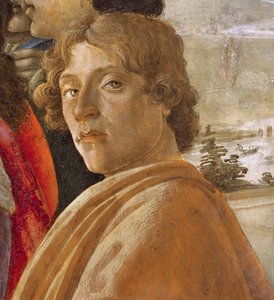
1445–1510, Италия
Сандро Боттичелли
Жизнь Сандро Боттичелли Жизнь Сандро Боттичелли была неразрывно связана с узкими, оживленными улочками Флоренции. Рожденный под именем Алессандро ди Мариано ди Ванни Филиппи около 1445 года, он был сыном кожевника. Его семья жила в районе Оньисанти — месте, которое он оставался верен на протяжении всех своих лет. Со временем он стал известен под именем Боттичелли — прозвищем, происходящим от слова botticello, что означает «маленькая бочка» или «виноградный чан».
Другие работы Сандро Боттичелли
 Рождение Венеры1485
 Весна1482
 Венера и Марс1483
 Поклонение Младенцу Иисусу
Эссе к произведению St. Jerome
 25 Masterpieces by Sandro Botticelli: The Ultimate Guide to Renaissance BeautyJourney through the ethereal beauty of Sandro Botticelli's greatest works. From The Birth of Venus to his mythic Renaissance masterpieces, …
 The Scholar and the Hermit: Examining the Iconography of Saint Jerome in Renaissance and Baroque ArtExplore the profound iconography of Saint Jerome through Renaissance and Baroque masters. Discover the secrets of sacred art history now.
 Master of Shadow: The Top 25 Essential Artworks by Jusepe de RiberaExplore 25 iconic works by Jusepe de Ribera. Master the drama of Baroque tenebrism. Discover all masterpieces on OriginalUniqueArt.com.