Social Realism · 1935
Bowery Nocturne (Рафаэль Сойер, 1935)
Рафаэль Сойер (1899–1987) создал(а) Bowery Nocturne. Создано в 1935. Относится к направлению Social Realism. Выполнено в технике Oil On Canvas. Размер: 59 × 82 cm
- 1935
- Oil On Canvas
- 59 × 82 cm

 Предпросмотр

 Картина маслом ручной работы
 Поделиться
 Поделиться
 Справка об объекте


 Скачать
 Похожие предметы
 Рентгенография
 Слайд-шоу
 Вопросы и ответы

 Статистика просмотров
Bowery Nocturne вкратце
- Название
- Bowery Nocturne
- Автор
- Рафаэль Сойер (1899–1987)
- Дата рождения художника
- Борисоглебск, Россия
- Дата
- 1935
- Техника
- Oil On Canvas
- Размеры
- 59 × 82 cm
- Движение
- Social Realism
- Период
- Modern
- Сюжет
- men, figures, street, night, clothing, shadows
Что изображено на Bowery Nocturne?
The Depiction of Bowery Nocturne
In Bowery Nocturne, Raphael Soyer captures a heavy, nocturnal stillness on a street in New York City. Painted about 1935, the scene finds a group of men gathered within the shadows of a dimly lit alleyway. These figures, likely laborers or members of the working class, exist in the quiet spaces between the city's movements. They are silhouettes of endurance, huddled together in a landscape of urban grit.
The subject matter focuses on the weight of the everyday. Through these gathered men, Raphael Soyer explores the quiet realities of poverty and hardship. There is a sense of urban alienation in the way the figures occupy the dark street, caught in a moment of shared, silent experience. The city breathes around them, yet they remain anchored in their own stillness. A single light source casts long shadows, leaving much of the Bowery to the dark.
Composition and Visual Elements
The scene is crowded, a cluster of men gathered in the narrowness of a street or alleyway. Soyer employs a slightly elevated perspective, looking down upon the group as they huddle together. This viewpoint, combined with the way the figures overlap, creates a sense of intimacy and shared experience. The background remains dark and indistinct, a void that pushes the subjects forward into the light. A limited depth of field tightens the space, making the urban environment feel claustrophobic.
Light arrives from a single, unseen source, perhaps a solitary street lamp. It is subdued and uneven, casting long shadows that stretch across the pavement. This light carves out the forms of the men, creating dramatic contrasts that highlight specific features while leaving others lost to the gloom. The shadows anchor the figures to the grit of the Bowery. The darkness does not merely surround them; it presses against them.
Color Palette and Mood
The palette is a study in muted earth tones. Browns, grays, and blacks anchor the scene, while subtle ochres emerge from the shadows. This limited range of color strips away any sense of artifice. It leaves only the grit of the city. The colors do not compete; they settle into the cracks of the urban landscape like soot on a windowsill.
A somber atmosphere clings to the figures. The darkness is not empty; it is heavy with a quiet desperation. This realism captures a specific kind of melancholy, one found in the dim light of a street lamp. The shadows are long and uneven. They swallow the edges of the men, blending their presence into the gloom of the Bowery.
The mood is one of stillness and isolation. Even in a crowded space, the colors suggest a profound loneliness. The muted tones reflect the weight of the night. Everything feels weathered and worn. The light provides only enough clarity to witness the quietude of the street.
Style and Artistic Technique
The work is an expression of Social Realism, rendered in oil paint on canvas. Soyer builds the scene through a method of layering thin washes of color over a dark underpainting. This approach allows the shadows to hold weight, creating a foundation for the figures to emerge from the gloom. The surface is rough and painterly, marked by visible brushstrokes that refuse to smooth over the grit of the street.
Loose, gestural lines define the edges of the men and their worn clothing. These shapes remain organic and somewhat undefined, avoiding the rigidity of geometric precision. Soyer uses loose brushwork to instill a sense of movement and spontaneity within the crowded grouping. The texture of the paint mimics the weathered surfaces of the urban environment, where light catches on the ridges of the pigment. A single, uneven light source casts long shadows, carving the figures out of the darkness.
Related Works by Raphael Soyer
The shadows of the city often find their way into his other canvases. In 1935, he produced The Mission, a work that captures a quiet, communal moment of survival. This theme of the urban struggle continues in his 1936 painting Transients, where the stillness of the unemployed is rendered with a heavy, psychological weight. These pieces share a focus on the individual caught within the machinery of the Great Depression.
His gaze also turned toward the daily rhythms of the working class. In 1936, he created Office Girls, documenting the presence of women in the city's professional spaces. Other compositions, such as Two Girls and The Flowered Skirt, offer different glimpses into the human experience through his specific, representational lens. Each work acts as a window into the quiet, unvarnished reality of New York life.
Изображения в высоком разрешении: Bowery Nocturne

Объект защищен авторским правом: данные файлы предназначены для личного ознакомления и не являются лицензией на переиздание.
Рафаэль Сойер, Bowery Nocturne (1935).
Ответы на вопросы о Bowery Nocturne
В каком году было создано произведение «Bowery Nocturne», Рафаэль Сойер?
Создание «Bowery Nocturne», Рафаэль Сойер датируется 1935 годом.
В какой технике выполнено произведение «Bowery Nocturne», Рафаэль Сойер?
Техника исполнения работы «Bowery Nocturne», Рафаэль Сойер — Oil On Canvas. Репродукции стремятся максимально точно передать особенности этой техники.
Каковы размеры оригинала «Bowery Nocturne», Рафаэль Сойер?
Размер оригинала «Bowery Nocturne», Рафаэль Сойер составляет 59 x 82 cm.
Что изображено на картине «Bowery Nocturne»?
На полотне «Bowery Nocturne», Рафаэль Сойер изображены: men, figures, street, night, clothing, shadows, urban scene.
Является ли произведение «Bowery Nocturne» свободным от авторских прав?
Что касается авторских прав, произведение «Bowery Nocturne» находится в находится под защитой авторского права.
Какому художнику приписывают работу «Bowery Nocturne»?
Авторство работы «Bowery Nocturne» приписывается Рафаэль Сойер.
К какому художественному направлению относится «Bowery Nocturne», Рафаэль Сойер?
Художественное направление, к которому относится «Bowery Nocturne», Рафаэль Сойер, — это Social Realism. Такая классификация позволяет соотнести данную работу с другими произведениями и мастерами того же периода.
К какому периоду творчества Рафаэль Сойер относится произведение «Bowery Nocturne»?
«Bowery Nocturne» относится к Mature Period художника Рафаэль Сойер.
Сколько лет было Рафаэль Сойер, когда создавалось произведение «Bowery Nocturne» в 1935 году?
Рафаэль Сойер создал(а) «Bowery Nocturne» в возрасте 36 лет. Художник родился в 1899, а датировка работы относится к 1935 году.
Об авторе, Рафаэль Сойер
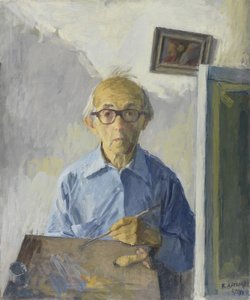
1899–1987, Россия
Рафаэль Сойер
Душа города: Жизнь и наследие Рафаэля Сойера В суетливом, зачастую безразличном ландшафте Нью-Йорка двадцатого века лишь немногие художники могли столь нежно уловить тихий, меланхоличный пульс городского человечества, как Рафаэль Сойер. Рожденный в 1899 году в Борисоглебске, Россия, Сойер прошел путь, отмеченный миграцией, стойкостью и непоколебимой верностью изобразительной правде. Вместе со своим братом-близнецом Моисеем, Рафаэль рос в доме, где интеллект и искусство стояли на первом месте. Его отец, Абрахам, ученый-еврей и учитель, создал атмосферу глубокого академического поиска, которая позже послужила интеллектуальным фундаментом для социального комментария Рафало.
 Farewell to Lincoln Square (Pedestrians)1959
 Soyer, Moses, Portrait Of1965
 Girl in White Blouse1932
 Two Girls1931