Примерить в интерьере
 Отправить
 Поделиться
 Подробнее
 Руководство

 Скачать
 Похожие объекты
 Рентгенография
 Слайд-шоу
 Q&A
Q&A Статистика
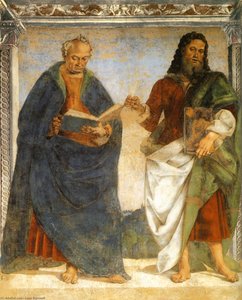
St Augustine Altarpiece (left wing)
 Oil On Canvas
- WallArt
- High Renaissance
 1498
1498 146.0 x 76.0 cm
 Стейтлешские музеи Берлина
 Развернуть текст
Жикле / Арт-принты
Печать (жикле) или холст музейного качества с быстрыми сроками изготовления и широким выбором вариантов отделки. ( Заказать репродукцию ручной работы Перейти к цифровым изображениям)




P118B $10

P118H $10

P118W $10

P438Z $10

P508JH $12

P508YH $12

P805H $10

P805Z $10

P919BZ $10

P919G $10

P919XJ $10

P959ZH $10

P968JZ $12

W106C $8

W218G $10

W218JH $8

W218Y $10

W307PJ $10

W316G $10

W316PJ $8

W316Y $10

W398PJ $8

W4111J $10

W500HY $15

W500JH $15

W692G $12

W849H $8

W940BG $15

W953PJ $8




Выберите один из наших стандартных размеров, соответствующих оригинальным пропорциям произведения искусства.

Введите необходимую ширину и высоту, чтобы репродукция подошла к вашей раме или стене. При печати изображение можно только уменьшить, но нельзя увеличить больше оригинала, поэтому при выборе другого формата часть изображения может быть обрезана. Перед печатью мы отправим вам цифровой макет на утверждение. Изображение на этой странице не отображает реальную обрезку — ее можно увидеть только на макете.
Доставка по всему миру () за 2 недели вместо стандартных 4–5 недель. (28 Октябрь)

Бесплатная экспресс-доставка по всему миру

Высококачественный льняной холст

Полное страхование при транспортировке

Гарантия возврата таможенных пошлин

Гарантия точного цветового соответствия

100-дневный период возврата (только при обнаружении дефектов)

Гарантия возврата 100% средств

Скидка при заказе нескольких работ
 Вариант со стеклом доступен только для размеров менее 110 см

St Augustine Altarpiece (left wing)
Жикле / Арт-принты
Размер репродукции
-


Итоговая стоимость
$ 80
Luca Signorelli’s St Augustine Altarpiece (Left Wing): A Window into Renaissance Devotion
The left wing of Luca Signorelli's “St Augustine Altarpiece,” completed in 1498 for the Bichi Chapel within the church of Sant’Agostino in Siena, is more than just a beautiful painting; it’s a profound meditation on faith, charity, and the intertwined destinies of earthly and divine figures. Measuring a modest 146 x 76 centimeters, this panel offers an intimate glimpse into the artistic sensibilities of a master navigating the complexities of late Renaissance Italy. Signorelli, already establishing himself as a draftsman of exceptional skill – evidenced by his early work in Arezzo and Castelli – here demonstrates a remarkable ability to imbue a seemingly simple scene with layers of meaning and emotional resonance.
The composition immediately draws the eye to the central trio: three women draped in rich crimson robes, their gestures conveying both solemnity and profound compassion. The woman on the left cradles a baby, a potent symbol of innocence and new life – a direct reference to Mary holding infant Jesus. Beside her stands another woman, supporting a child, mirroring the Virgin’s protective embrace. The third figure, positioned slightly further back, gazes downwards with an expression of quiet contemplation, perhaps reflecting on the spiritual journey or offering solace to those she observes. These women are not merely decorative elements; they represent key figures in Christian iconography – Mary Magdalene, Saint Catherine of Siena, and Saint Jerome, each embodying a specific virtue and contributing to the altarpiece’s overarching theme of divine grace.
Adding depth to this devotional tableau are two men, subtly integrated into the scene. One stands near the center, engaged in conversation with the women, while the other is positioned on the left side, seemingly observing the proceedings. Their presence suggests a community united by faith and shared devotion – a microcosm of Renaissance society reflecting upon spiritual matters. Signorelli’s masterful use of foreshortening, a technique he honed during his time in Florence under Piero della Francesca, creates a sense of spatial realism, drawing the viewer into this intimate tableau. The figures appear to be caught in a moment of genuine interaction, their expressions conveying a palpable sense of warmth and connection.
Technique and Style: High Renaissance Refinement
Signorelli’s style within this altarpiece is firmly rooted in the High Renaissance, yet it possesses a distinctly Italian character. He skillfully blends classical influences with his own innovative approach to composition and color. The use of *sfumato*, a technique popularized by Leonardo da Vinci, softens the edges of the figures and creates an atmospheric haze that enhances the sense of depth and realism. The rich crimson robes are rendered with meticulous detail, their textures suggesting luxurious fabrics while simultaneously conveying a sense of solemnity. Signorelli’s palette is restrained yet vibrant, dominated by earthy tones – ochres, siennas, and umbers – punctuated by flashes of red and gold.
Signorelli's mastery of drawing is immediately apparent in the precise rendering of the figures’ anatomy and drapery. He demonstrates a deep understanding of human form, capturing both its beauty and vulnerability with remarkable accuracy. The subtle gradations of light and shadow – *chiaroscuro* – further enhance the sense of realism, creating a three-dimensional effect that draws the viewer into the scene. The composition is carefully balanced, with each figure occupying a specific space within the frame, contributing to the overall harmony and visual impact of the work.
Historical Context: Siena and the Renaissance
To fully appreciate the “St Augustine Altarpiece,” it’s crucial to understand its historical context. Siena in the late 15th century was a thriving center of commerce, art, and religious devotion. The Bichi Chapel, where the altarpiece resided, served as a focal point for community life, reflecting the city's wealth and piety. The commission itself underscores the importance of religious patronage during this period – wealthy families like the Piccolominis sought to demonstrate their faith through lavish displays of art and architecture.
Signorelli’s work reflects the broader trends of the High Renaissance, which emphasized humanism, classical learning, and a renewed interest in naturalism. However, unlike some of his contemporaries who embraced Mannerist styles characterized by elongated figures and distorted perspectives, Signorelli maintains a sense of balance and clarity. His altarpiece embodies a harmonious blend of tradition and innovation, reflecting the artistic sensibilities of a master navigating the complexities of his time.
A Timeless Reflection on Faith and Humanity
The “St Augustine Altarpiece (Left Wing)” is more than just a beautiful painting; it’s a poignant meditation on faith, charity, and the enduring power of human connection. Signorelli's masterful composition, skillful technique, and profound understanding of religious iconography combine to create an image that continues to resonate with viewers centuries after its creation. Reproductions capture the essence of this work, allowing us to experience its beauty and emotional depth in our own homes. It serves as a reminder of the enduring legacy of Renaissance art – a testament to the power of human creativity to express profound spiritual truths.
Вопросы и ответы
Является ли «St Augustine Altarpiece (left wing)», Лука Синьорелли картиной, рисунком или принтом?
«St Augustine Altarpiece (left wing)» — это произведение в технике WallArt.
Для какой комнаты рекомендуется «St Augustine Altarpiece (left wing)», Лука Синьорелли?
Для размещения «St Augustine Altarpiece (left wing)», Лука Синьорелли рекомендуется использовать Living Room. Разумеется, это предложение можно адаптировать под ваш интерьер.
Можно ли увидеть «St Augustine Altarpiece (left wing)», Лука Синьорелли при другом освещении?
Страница Рентгеновский снимок произведения «St Augustine Altarpiece (left wing)», Лука Синьорелли представляет собой интерактивный просмотрщик, позволяющий перемещаться между одиннадцатью оптическими слоями изображения, включая рентгеновский вид.
Биография художника
Ранние годы и обучение
Лука Синьорелли, выдающийся итальянский живописец эпохи Возрождения, родился в прекрасной Кортоне, в самом сердце Тосканы, около 1450 года. Хотя точная дата его рождения остается предметом дискуссий среди историков, принято считать, что он появился на свет в период между 1441 и 1445 годами. С юных лет мастер демонстрировал исключительный дар рисовальщика, а его умение виртуозно использовать ракурс и сокращение форм стало одной из его самых узнаваемых черт.Творческий путь
Первые шаги в искусстве Синьорелли, по всей видимости, были сделаны в Перудже, где на его становление оказали глубокое влияние стили таких мастеров, как Бенедетто Бонфильи и Пинтуриккьо. Согласно записям Джорджо Вазари, благодаря своему дяде по материнской линии, Лаццаро Вазари, Синьорелли имел возможность обучаться у великого Пьеро делла Франческа. Творческое наследие мастера разбросано по многим уголкам Италии, включая Ареццо (1472) и Чита-ди-Кастелло (1474). Одним из его наиболее значимых полотен является «Школа Пана», созданная в дар Лоренцо де Медичи; эта работа поражает реалистичным изображением человеческих фигур, демонстрируя непревзойденное мастерство Синьорелли в использовании светотени и линейной перспективы.Знаменитые произведения
- «Страшный суд» (1499–1503), собор Орвието — этот грандиозный фресковый цикл считается подлинным шедевром художника, воплощающим в себе всю мощь и драматизм апокалипсиса.
- «Полиптих Святого Медарда» (1507), музей Сан-Медардо, Арчевия, Италия — блестящий пример его таланта, отличающийся невероятной детализацией и натурализмом в передаче человеческих форм.
Художественное направление
Синьорелли был ключевой фигурой итальянского Возрождения — эпохи, ознаменовавшей переход Европы от Средневековья к Новому времени. Это было время возрождения классических традиций, торжества натурализма и глубокого гуманизма.- Искусство Раннего Возрождения — краткий экскурс в художественное движение, определившее ход мировой истории.
- Фра Анжелико — прославленный мастер, чье влияние ощущалось в работах Синьорелли и чья живопись поражала своей духовной чистотой.
- Лука Синьорелли — краткая биография художника, охватывающая его важнейшие достижения и стиль.
Наследие
Творчество Синьорелли оказало колоссальное влияние на развитие искусства Ренессанса. Его новаторское использование ракурса и непревзойденное мастерство рисунка вдохновили целые поколения художников, шедших по его стопам. Как яркий представитель итальянского Возрождения, Синьорелли оставил после себя бессмертное наследие, которое продолжает восхищать зрителей в музеях и соборах по всей Италии. Важные даты:- 1450: рождение в Кортоне, Тоскана
- 1499–1503: создание фрески «Страшный суд» в соборе Орвието
- 1523: уход из жизни, оставивший после себя великое художественное наследие

Лука Синьорелли
1450 - 1523 , Италия
Краткая справка
- Artistic Movement Or Style: Ренессанс
- Artists Or Movements Influenced By This Artist: ['Фра Анджелико']
- Artists Who Influenced This Artist: ['Пиеро даль Фрескара']
- Date Of Birth: 1445/50
- Full Name: Luca d’Egidio di Ventura Signorelli
- Nationality: Итальянский
- Notable Artworks:
- Последний Суд
- Школа Пан
- Place Of Birth: Cortona, Италия
Похожие статьи

The Enduring Muse: Women as Subject & Symbol in Art History
Explore the rich history of women in art – from iconic muses to groundbreaking artists. Discover feminist movements, global perspectives & reclaim female narratives with OriginalUniqueArt.
Sacred Expressions: A Journey Through Devotional Art Across Cultures & Eras
Explore the rich history of devotional art across cultures & eras with expert insights! Discover iconic masterpieces, symbolism, and artistic techniques. A guide for collectors & enthusiasts.
Sacred Expressions: A Journey Through Devotional Art Across Cultures & Eras
Explore the rich history of devotional art across cultures & eras. Discover iconic masterpieces, symbolism, and artistic techniques. Expert insights for collectors & enthusiasts.
The Enduring Muse: Women as Subject & Symbol in Art History
Explore the rich history of women in art – from archetypal representations to contemporary voices challenging norms. Discover iconic artists & movements, and learn about reclaiming female narratives through painting and beyond.

Sacred Narratives on Canvas: Exploring Devotional Imagery Across Art History
Explore the rich history of devotional art! Discover iconic masterpieces, symbolism & techniques from antiquity to the Renaissance. Expert insights for collectors & enthusiasts at OriginalUniqueArt.