Предпросмотр
 Поделиться
 Поделиться
 Детали произведения
 Руководство

 Скачать
 Похожие предметы
 Рентгенография
 Слайд-шоу
 Вопросы и ответы
 Статистика просмотров
Patroclus

- 122.0 x 170.0 cm


 Читать далее
Жикле и арт-принты
Печать (жикле) или холст музейного качества с быстрыми сроками изготовления и широким выбором вариантов отделки. ( Купить картину ручной работы Перейти к цифровым изображениям)




P118B $10

P118H $10

P118W $10

P438Z $10

P508JH $12

P508YH $12

P805H $10

P805Z $10

P919BZ $10

P919G $10

P919XJ $10

P959ZH $10

P968JZ $12

W106C $8

W218G $10

W218JH $8

W218Y $10

W307PJ $10

W316G $10

W316PJ $8

W316Y $10

W398PJ $8

W4111J $10

W500HY $15

W500JH $15

W692G $12

W849H $8

W940BG $15

W953PJ $8




Выберите один из наших стандартных размеров, соответствующих оригинальным пропорциям произведения искусства.

Введите необходимую ширину и высоту, чтобы репродукция подошла к вашей раме или стене. При печати изображение можно только уменьшить, но нельзя увеличить больше оригинала, поэтому при выборе другого формата часть изображения может быть обрезана. Перед печатью мы отправим вам цифровой макет на утверждение. Изображение на этой странице не отображает реальную обрезку — ее можно увидеть только на макете.
Доставка по всему миру () за 2 недели вместо стандартных 4–5 недель. (17 Ноябрь)

Бесплатная экспресс-доставка по всему миру

Высококачественный льняной холст

Полное страхование при доставке

Гарантия возмещения таможенных пошлин

Гарантия точного цветового соответствия

100-дневная гарантия возврата (только при обнаружении дефектов)

Гарантия возврата 100% средств

Скидка при оптовом заказе
 Вариант со стеклом доступен только для размеров менее 110 см

Patroclus
Жикле и арт-принты
Размер репродукции
-


Итоговая стоимость
$ 81
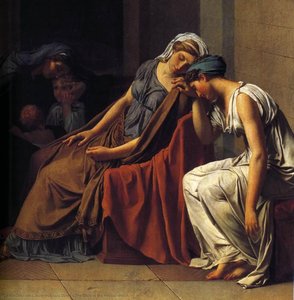
A Glimpse into Ancient Greece: The Majesty of Patroclus
Jacques-Louis David’s 1780 painting, *Patroclus*, is more than a mere depiction of a Greek warrior; it's a meticulously crafted doorway to the ideals and moral complexities of Neoclassicism. Housed within the Musée Thomas Henry in Cherbourg, France, this oil on canvas invites us into a carefully constructed tableau that speaks volumes about honor, duty, and the poignant beauty of mortal existence. The image presents a man, powerfully built yet rendered with an almost serene detachment, turned away from direct view. This strategic pose immediately draws our attention to his physique – sculpted muscles hinting at strength and resilience – while simultaneously fostering a sense of contemplative distance.
David’s genius lies not just in anatomical accuracy but in the masterful orchestration of elements within the composition. The rough-hewn rock beneath him, coupled with the simple wooden bench, provides an earthy grounding to the scene, anchoring it firmly in the physical world. Yet, these humble materials are juxtaposed against the implied grandeur of the figure himself. And then there’s the book resting near his foot – a subtle yet potent symbol of knowledge and wisdom, suggesting that even amidst the trials of war and mortality, contemplation and learning hold enduring value. The lighting, carefully considered to create dramatic shadows and highlights, further emphasizes the musculature and adds depth to the scene, guiding our eye across the canvas.
The Neoclassical Vision: David’s Echoes of Antiquity
Created during a pivotal moment in French history – the waning years of the Ancien Régime and the burgeoning influence of revolutionary ideals – *Patroclus* embodies the core tenets of Neoclassicism. David, deeply influenced by the rediscovery of classical art and literature, sought to revive the aesthetic principles of ancient Greece and Rome. This wasn’t simply a stylistic choice; it was a deliberate attempt to connect with perceived moral virtues and civic responsibility. The painting's emphasis on idealized form, balanced composition, and restrained emotion reflects this commitment to classical ideals.
Unlike the opulent frivolity of the Rococo style that preceded it, Neoclassicism prioritized clarity, order, and a sense of timelessness. David’s meticulous attention to detail – from the texture of the fabric to the subtle nuances of light and shadow – demonstrates his dedication to replicating the precision and gravitas he admired in ancient sculpture and painting. The subject matter itself—a warrior figure embodying strength and stoicism—resonates with classical notions of heroism and self-sacrifice, themes frequently explored by Greek artists like Phidias and Polyclitus.
Symbolism and Emotional Resonance: A Portrait of Stoic Virtue
Beyond its formal qualities, *Patroclus* is rich in symbolic meaning. The figure’s averted gaze suggests a quiet contemplation, perhaps reflecting on the burdens of his role or the inevitability of mortality. His posture conveys a sense of dignified restraint – a warrior accepting his fate with unwavering resolve. The book, often interpreted as representing wisdom and philosophical reflection, hints at the importance of intellect alongside physical prowess. The painting isn’t about glorifying violence; it's about portraying a man who embodies virtue through strength, discipline, and an acceptance of duty.
David masterfully evokes a feeling of melancholy beauty. There is a profound sense of stillness within the scene, inviting the viewer to pause and consider the complexities of human existence. The painting’s enduring appeal lies in its ability to transcend its historical context and speak to universal themes of courage, honor, and the search for meaning – qualities that continue to resonate with audiences today. It's a testament to David's skill as an artist and his profound understanding of the power of visual storytelling.
Вопросы и ответы
К какому периоду творчества Жак-Луи Давид относится работа «Patroclus»?
«Patroclus» относится к Neoclassical Era художника Жак-Луи Давид.
Как сюжет произведения «Patroclus» соотносится с привычными темами Жак-Луи Давид?
Повторяющиеся темы в творчестве Жак-Луи Давид включают classical ideals, revolutionary spirit, moral lessons, historical narrative, napoleonic era; работа «Patroclus» сосредоточена на greek mythology, nude figure, musculature, classical theme, bench, book, depth, composition.
Какой размер и ориентацию вы рекомендуете для печати работы "Patroclus"?
Размер Large, ориентация Landscape: рекомендуемые параметры печати для работы «Patroclus», Жак-Луи Давид.
Биография художника
Жизнь и искусство Жака-Луи Давида
Рожденный в Париже 30 августа 1748 года, Жак-Луи Давид явился миру в эпоху глубочайших политических и эстетических трансформаций. Он стал главным провозвестником неоклассицизма конца XVIII века — художественного движения, стремившегося заменить декоративную причудливость рококо чувством порядка и моральной чистоты. Его творческий путь был неразрывно связан с самыми бурными переменами во французской истории: от жестко структурированных иерархий Старого порядка до радикального духа Революции и имперского величия эпохи Наполеона.
Будучи выдающимся живописцем своего времени, Давид не просто фиксировал внешнее сходство своих моделей; он создавал визуальный язык, отражающий меняющиеся идеалы нации. Его полотна часто были посвящены историческим и классическим темам, воплощенным через строгие контуры и дисциплинированный подход к композиции. Эта приверженность ясности помогла утвердить неоклассицизм как доминирующую художественную силу во Франции. Его масштабные холсты были призваны приковывать взгляд и передавать всю тяжесть и значимость изображаемых сцен.
Творческое наследие мастера было обширным и многогранным, охватывая диапазон от напряженных исторических драм до изысканных парадных портретов. Среди его наиболее значимых работ можно выделить следующие:
- Клятва Горациев (1784)
- Смерть Сократа (1787)
- Смерть Марата (1793)
- Мадам Рекамье (около 1800)
Ранние годы, семья и обучение
Рожденный в среде парижского среднего класса, состоявшего из торговцев и ремесленников, Жак-Луи Давид с самого начала столкнулся с резким и болезненным потрясением. Когда ему было всего девять лет, его отец погиб в дуэли, и юного мальчика оставили на попечение состоятельных дядей-архитекторов. В годы формального обучения он проявлял себя как весьма невнимательный ученик: его мысли то и дело ускользали от школьных уроков, унося в мир рисования. Эта ранняя привязанность к карандашу и углю красноречиво свидетельствовала о темпераменте, который был гораздо больше предрасположен к творческой мастерской, нежели к строгой классной комнате.
Его путь к профессиональному мастерству начался под руководством Франсуа Буше, яркого представителя стиля рококо. И хотя именно Буше стал его первым наставником, со временем Жак-Луи Давид начал искать иное направление, перейдя под опеку Жозефа-Мари Вьена. Будучи профессором Королевской академии живописи и скульптуры, Вьен предлагал более классический подход, который в конечном итоге и сформировал эстетический облик художника. Этот период обучения не был легким восхождением к славе; он представлял собой мучительный процесс проб и ошибок. Художник пережил горечь трех неудачных попыток завоевать престижную Римскую премию — это испытание на прочность подвергло его решимость суровому экзамену. Наконец, в 1774 году он все же удостоился этой награды, и эта победа коренным образом изменила ход его великой карьеры.
Расцвет неоклассицизма и итальянские изыскания
Траектория творческого пути Жак-Луи Давида претерпела решительный сдвиг в 1775 году, когда он отправился в Италию вместе со своим наставником Жозефом Виеном. Этот период обучения обеспечил необходимую дистанцию от декоративных причуд французского двора, позволив художнику лицом к лицу встретиться с величественным наследием античности. В тени Рима он обратил свой взор на мастеров XVII века, впитывая выверенные композиции Пуссена и драматическую игру света Караваджо. Он также изучал работы братьев Карраччи, находя в их подходе тот идеальный баланс формы и натурализма, который впоследствии ляжет в основу его собственного, формирующегося почерка.
В эти годы Жак-Луи Давид познакомился с Рафаэлем Менгсом — фигурой, выступавшей за строгий и дисциплинированный подход к изучению классических первоисточников. Эта интеллектуальная встреча помогла увести молодого живописца прочь от уходящей в прошлое легкомысленности рококо. Его фокус сместился в сторону более сурового и морально ориентированного неоклассицизма — стиля, в котором ясность и порядок ставились выше избыточного украшательства. Итальянский опыт не просто отточил его технику; он заложил философский фундамент для карьеры, посвященной служению гражданской добродетели и исторической правде.
- Антиох и Стратоника (1774)
Художественная роль во время Великой французской революции
Политические потрясения 1789 года застали Жак-Луи Давида в самом эпицентре меняющихся течений французского общества. Он был активным сторонником революции, выйдя за пределы безмятежной тишины своей мастерской, чтобы напрямую взаимодействовать с радикальными силами, перекраивающими облик нации. Будучи членом якобинской группы, он проявлял преданность делу как на идеологическом, так и на личном уровне. Его тесная дружба с Максимилиеном Робеспьеером поставила художника в самый центр наиболее напряженных политических интриг той эпохи.
Влияние Давида распространилось и на административное сердце новой республики, где он занимал пост художественного директора. В этой роли он помогал формировать визуальный язык движения, стремившегося заменить старые иерархии новыми, гражданскими идеалами. Его работы в эти годы часто служили зеркалом уличного пыла, запечатлевая торжественность мученичества и тяжесть республиканского долга. Он не просто писал революцию — он помогал создавать её публичный образ.
- Смерть Марата (1793)
- Ликторы, возвращающие Бруту тела его сыновей (1789)
Покровительство и служба Наполеону
Политические течения, некогда питавшие революционный пыл Давида, со временем сменились упорядоченным величием Империи. По мере того как Наполеон Бонапарт восходил на престол, художник совершал свой трансформационный переход от сторонника Республики к официальному придворному живописцу нового режима. Этот сдвиг был окончательно закреплен в 1804 году, когда он был назначен Первым художником Императора. Его миссия заключалась в создании визуального языка власти Наполеона, воплощая военные триумфы и имперское достоинство в грандиозном, общедоступном масштабе.
Период этой службы принес с собой тонкую эволюцию его эстетики. Суровая, порой беспощадная ясность его ранних неоклассических работ смягчилась, уступая место стилю ампир. Его палитра стала более сложной, вбирая в себя теплые венецианские тона, которые придавали композициям ощущение богатства и глубины. Он отошел от аскетизма революционных лет, обратившись к более пышной визуальной лексике, которая идеально соответствовала церемониальным нуждам императорского двора.
- Наполеон на перевале Сен-Бернар (1801–1805)
- Коронация Наполеона (1807)
Техника и неоклассический стиль
Манера письма Жак-Луи Давида стала решительным протестом против вихреобразного, декоративного излишества рококо, уступив место дисциплинированной, структурной ясности. Его композиции опирались на строгие контуры и скульптурные формы, которые наделяли фигуры ощущением незыблемости, словно они были высечены из мрамора, а не написаны маслом. Эта точность сочеталась с тягой к безупречно гладким поверхностям, где рука художника часто исчезала за безукоризненным, законченным обликом полотна. Он стремился уловить саму суть античности через визуальный язык порядка и сдержанности.
Свет и тень служили в его мастерской главными инструментами драматизма. Он мастерски использовал резкий, экспрессивный тенебризм — технику, основанную на глубоких контрастах, которые буквально вырывали персонажей из объятий тьмы. Такой подход в сочетании с караваджистским реализмом позволял ему приземлять исторические и мифологические сцены, придавая им осязаемую, физическую реальность. Вместо буйства красок он часто отдавал предпочтение сдержанной палитре, в которой доминировали землистые тона; это позволяло сосредоточить внимание зрителя на моральном весоме сюжета, а не на простом украшательстве.
- Клятва Горациев (1784)
- Смерть Сократа (1787)
- Смерть Марата (1793)
- Портрет мадам Рекюме (около 1800)
Ключевые произведения и шедевры
Творческий путь Жак-Луи Давида отмечен уникальной способностью переводить политические и моральные течения Франции в строгие, скульптурные формы. В 1784 году он завершил работу над полотном «Клятва Горациев» — произведением, ознаменовавшим решительный отход от декоративной причудливости предшествующей эпохи. Заменив мягкие изгибы резкой линейной точностью, он создал визуальный язык гражданского долга. Это чувство моральной серьезности нашло продолжение в 1877 году в картине «Смерть Сократа», где он запечатлел последние мгновения философа с безмятежной, дисциплинированной ясностью, ставящей интеллектуальную убежденность выше хаоса эмоций.
Когда Революция обратилась в насилие, кисть Давида стала инструментом документирования сиюминутного и трагического. Его изображение «Смерти Марата» 1793 года превратило политическое убийство в сцену глубокого, безмолвного покоя. Бледное, безжизненное тело журналиста, склонившееся над импровизированным столом, отсекло весь шум Террора, сосредоточив внимание на единственной, пугающей реальности. Эта способность уловить тяжесть момента определила его роль как главного визуального летописца эпохи.
Переход от революционного пыла к имперскому величию заставил Давида обратить свое внимание на человека, которому суждено было перекроить облик Европы. В период с 1801 по 1805 год он написал полотно «Наполеон на перевале Сен-Бернар», представив лидера как фигуру мифической мощи. За этим последовало монументальное полотно 1807 года — «Коронация Наполеона», задокументировавшее всё великолепие имперской церемонии. Даже в более камерных портретах, таких как написанный в 1800 году портрет Мадам Рекюме, его приверженность выверенной композиции и торжественному достоиню оставалась неизменной.
- «Смерть Сократа» (1787)
- «Смерть Марата» (1793)
- «Мадам Рекюме» (1800)
- «Наполеон на перевале Сен-Бернар» (1801–1805)
- «Коронация Наполеона» (1807)
Круг учеников и художественное влияние
Мастерская Жак-Луи Давида служила важнейшим центром трансляции принципов неоклассицизма, притягивая самых разных учеников, которым суждено было определить облик девятнадцатого столетия. Среди его наиболее выдающихся последователей был Жан-Огюст-Доминик Ингрес, ставший впоследствии самостоятельной и мощной художественной силой. Преемственность школы Давида воплощали в себе также Антуан-Жан Гро и Франсуа Жерар — оба мастера умели ориентироваться в изменчивых вкусах эпохи, неся в себе груз его суровой и строгой подготовки. Даже Жером-Мартен Ланлуа нашел свой путь в эту дисциплинированную среду, впитывая техническую точность, которой требовала господствующая эстетика.
Педагогический охват мастера простирался далеко за пределы учебных классов. Формальные структуры и экспрессивные искажения, которые Давид использовал в своих композициях, оставили след, отозвавшийся в последующих поколениях. Его влияние проникало даже в радикальные сдвиги современной эпохи, находя неожиданное эхо в работах Анри Матисса и Пабло Пикассо. И хотя его прямые ученики зачастую стремились усовершенствовать или даже восстать против его строгого следования классическому порядку, фундаментальный акцент на мастерстве рисунка и структурной ясности оставался неизменной нитью в эволюции французского искусства.
Изгнание и смерть в Брюсселе
Политические течения, некогда вознесшие его на вершины императорского почета, в конечном итоге обернулись против него. После падения Наполеона меняющийся ландшафт Франции почти не оставил места для бывшего придворного художника. В 1816 году Жак-Луи Давид был отправлен в изгнание в Брюссель — этот шаг ознаменовал конец его прямого влияния на французское государство. Однако он не ушел в молчание. В этом бельгийском городе он сохранял профессиональную строгость, продолжая писать картины и обучать учеников до своих последних дней.
Его присутствие в Брюсселе оставалось неизменным на протяжении последнего десятилетия его жизни. Он стал свидетелем смены европейских держав, наблюдая историю, которую когда-то сам помогал запечатлеть на холсте. 29 декабря 1825 года его жизненный путь подошел к концу. Он скончался в Брюсселе, вдали от парижских салонов и императорских дворов, определявших его самые активные годы.
Место его упокоения отмечено памятником. На кладбище Брюсселя стоит обелиск — мемориал человеку, который когда-то был визуальным архитектором целой эпохи. Этот каменный знак служит тихим завершением карьеры, охватившей самые бурные трансформации французского государства.
Где можно увидеть его шедевры сегодня
Творческое наследие Жака-Луи Давида сегодня рассредоточено по крупнейшим сокровищницам европейского и мирового искусства. Главным хранителем его великих полотен остается парижский музей Лувр, где сосредоточена значительная часть его самых влиятельных работ. В Нью-Йорке Метрополитен-музей хранит несколько его произведений, позволяя исследователям изучать его безупречную точность вдали от улиц Франции. Его влияние простирается и на Восток: так, в Государственном музее искусств имени А. С. Пушкина в Москве находится портрет Энгра — работа, отражающая глубокую творческую связь между Давидом и его самым знаменитым учеником.
На юге Франции музей Фабр в Монпелье предлагает иной взгляд на эволюцию мастера. В его залах можно встретить «Гектора» — работу 1778 года, в которой запечатлен более ранний, драматический натурализм. Это полотно служит окном в те времена, когда художник только нащупывал свой путь, еще не придя к той суровой ясности, которая определит его зрелый стиль. Прогуливаясь по этим музеям, мы словно прослеживаем географический путь стиля, который когда-то диктовал визуальный язык целой эпохи.
- «Смерть Сократа», 1787
- «Клятва Горациев», 1784
- «Смерть Марата», 1793

Жак-Луи Давид
1748 - 1825 , Франция
Об авторе
- Artistic Movement Or Style: Неоклассицизм
- Artists Or Movements Influenced By This Artist:
- Жан-Огюст-Доминик Ингр
- Анри Матисс
- Пабло Пикассо
- Artists Who Influenced This Artist:
- Франсуа Буше
- Жозеф-Мари Вьен
- Date Of Birth: 1748
- Date Of Death: 1800
- Full Name: Жак-Луи Давид
- Nationality: Француз
- Notable Artworks:
- Клятва Горациев
- Смерть Марата
- Наполеон на перевале Сен-Бернар
- Коронация Наполеона
- Смерть Сократа
- Place Of Birth: Париж, Франция
Похожие статьи
10 Iconic Neoclassical Masterpieces That Changed Art History Forever
Journey through history with 10 iconic Neoclassical masterpieces. From Jacques-Louis David to Ingres, explore the stories behind these timeless works of art. Find museum-quality reproductions and elegant decor inspiration at OriginalUniqueArt.com. Discover all masterpieces on OriginalUniqueArt.com
10 Iconic Neoclassical Masterpieces That Changed Art History Forever
Journey through history with 10 iconic Neoclassical masterpieces. From Jacques-Louis David to timeless legends, explore the stories behind these museum-quality works. Find inspiration for your decor with our curated art reproductions. Discover all masterpieces on OriginalUniqueArt.com.
Трио полотен: Эмоциональный выбор и самовыражение в искусстве репродукций
Выберите идеальную репродукцию картины для вашего интерьера! Ручная работа, кастомизация размера и стиля. Высокое качество, экспертные консультации и быстрая доставка по всему миру. Создайте свой уникальный арт-пространство!

Embodying the Polis: Civic Virtue as Subject & Symbol in Western Art
Explore the fascinating history of civic virtue in Western art! From ancient Greece to the French Revolution, discover how artists depicted ideals of citizenship, duty & republicanism. Expert analysis at OriginalUniqueArt.

The Aesthetics of Authority: Power & Representation in Art History
Explore the fascinating history of power representation in art! From Roman portraits to Renaissance masterpieces & Baroque spectacle, discover how artists shaped perceptions of authority and legacy. Expert analysis for collectors.