Early Renaissance · 1442
The Annunciation (Фра Беато Анджелико, 1442)
Фра Беато Анджелико (1395–1455) создал(а) The Annunciation. Создано в 1442. Относится к направлению Early Renaissance. Выполнено в технике Fresco. Хранится в Монастырь Сан-Марко в Флоренция, Италия. Размер: 230 × 321 cm
- 1442
- Fresco
- 230 × 321 cm
- Монастырь Сан-Марко, Флоренция

 Картина маслом ручной работы
 Поделиться
 Поделиться
 Информационный лист


 Скачать
 Похожие предметы
 Слайд-шоу
 Вопросы и ответы

 Статистика просмотров
The Annunciation вкратце
- Название
- The Annunciation
- Автор
- Фра Беато Анджелико (1395–1455)
- Дата рождения художника
- Виккьо, Италия
- Дата
- 1442
- Техника
- Fresco
- Размеры
- 230 × 321 cm
- Где посмотреть
- Монастырь Сан-Марко, Флоренция, Италия
- Движение
- Early Renaissance
- Период
- Renaissance
- Сюжет
- annunciation, mary, gabriel, angel, fresco, medieval
Что изображено на The Annunciation?
A Moment of Divine Revelation: Fra Angelico’s “The Annunciation”
Fra Angelico's "The Annunciation," painted in 1442, is more than just a depiction of a pivotal biblical event; it’s an immersion into a realm of serene spirituality and exquisite detail. This fresco, housed within the walls of a Dominican monastery (though its exact location has shifted over time), captures the profound moment when the Archangel Gabriel announces to Mary that she will conceive and bear the son of God. The painting immediately draws the viewer in with its carefully orchestrated composition – a sense of quiet grandeur achieved through the strategic placement of arches, benches, and the central figures themselves.
The scene unfolds within a room bathed in a soft, diffused light, characteristic of Fra Angelico’s signature style. Earth tones dominate the palette—ochres, siennas, and umbers—creating an aged, almost timeless quality that speaks to the enduring nature of faith. This deliberate use of color isn't merely decorative; it evokes the atmosphere of a monastic setting, reflecting the contemplative life of the Dominican order. Notice how the artist masterfully employs *sfumato*, a technique borrowed from Leonardo da Vinci, softening edges and creating an ethereal haze that contributes to the overall sense of otherworldly beauty.
The Dance of Figures: Composition and Symbolism
At the heart of the composition are Mary and Gabriel. Mary, kneeling in humble reverence, gazes upwards with a mixture of surprise and acceptance. Her posture is graceful yet grounded, embodying both vulnerability and strength. The angel, rendered with delicate wings outstretched, presents the news with an air of solemnity and divine authority. The subtle shift in their gestures—Mary’s downward tilt of her head versus Gabriel's raised hand—creates a dynamic interplay between them, illustrating the exchange of this momentous revelation.
Beyond the central figures, details abound that enrich the narrative. The two benches flanking the scene aren’t merely architectural elements; they represent the earthly realm and the setting for this divine encounter. The presence of a third figure, partially obscured within the architecture – often interpreted as John the Baptist or even an attendant – adds to the sense of a sacred space unfolding before our eyes. The lilies held by Gabriel are a potent symbol of purity and virginity, directly referencing Mary’s role in salvation history.
A Masterclass in Early Renaissance Technique
Fra Angelico's skill as a painter is immediately apparent in the meticulous detail of "The Annunciation." He was renowned for his painstaking preparation – often sketching numerous studies before committing to fresco. This dedication is evident in the rendering of Mary’s garments, the folds of her veil, and the intricate details of Gabriel’s wings. The artist's use of *tempera* on gesso—a technique common at the time—allowed for layering colors and achieving remarkable luminosity.
- Layered Fresco Technique: Fra Angelico employed a meticulous process, starting with a rough ground (gesso) and building up layers of color to create depth and vibrancy.
- Sfumato Effect: The subtle blurring of lines and edges, particularly around the figures’ faces, contributes to the painting's ethereal quality.
- Symbolic Color Palette: The earth tones evoke a sense of monastic austerity and spiritual contemplation.
Emotional Resonance and Timeless Beauty
"The Annunciation" transcends its biblical subject matter, offering a profound meditation on faith, humility, and divine grace. It’s a painting that invites quiet reflection, prompting viewers to consider the transformative power of belief. Fra Angelico's ability to capture such intense emotion with such understated elegance is what secures this work’s place as one of the most beloved and enduring images of the Early Renaissance. OriginalUniqueArt offers exceptional reproductions of this masterpiece, allowing you to bring its serene beauty into your home or office – a testament to the timeless artistry of Fra Angelico.
В каком музее находится The Annunciation?
Монастырь Сан-Марко
Флоренция, Италия
Обитель веры и искусства Монастырь Сан-Марко служит уникальным свидетельством художественного наследия Флоренции — это место, где дух Ренессанся переплетается с глубокой религиозной преданностью. Это не просто сокровищница шедевров; это иммерсивное путешествие в пятнадцатый век, приглашающее посетителей созерцать наследие Фра Анжелико и Джироламо Савонаролы внутри стен прекрасно сохранившегося доминиканского монастыря. Основанный в тринадцатом веке как валломброзское аббатство, Сан-Марко превратился в живой центр гуманистической мысли и художественных инноваций благодаря покровительству Козимо де Медичи — поворотный момент, который обеспечил прибытие реформированного доминиканского ордена и ознаменовал начало эры беспрецедентного творчества.


Изображения в высоком разрешении: The Annunciation

Общественное достояние: художник умер в 1455.
Другие размеры, фрагменты и цитирование →Фра Беато Анджелико, The Annunciation (1442), Монастырь Сан-Марко. Общественное достояние
Ответы на вопросы о The Annunciation
В каком музее хранится оригинал «The Annunciation»?
Оригинал произведения «The Annunciation», Фра Беато Анджелико хранится в Монастырь Сан-Марко, Флоренция, Италия. Репродукция позволяет украсить этим шедевром ваш дом.
В каком году было создано произведение «The Annunciation»?
«The Annunciation» датируется 1442 годом. Эта дата позволяет определить место произведения в творчестве Фра Беато Анджелико и в контексте его эпохи.
В какой технике выполнено произведение «The Annunciation»?
Техника исполнения работы «The Annunciation», Фра Беато Анджелико — Fresco. Репродукции стремятся максимально точно передать особенности этой техники.
Каковы размеры оригинала «The Annunciation»?
Размер оригинала произведения «The Annunciation» составляет 230 x 321 cm. Оригинальные размеры могут служить полезным ориентиром при выборе размера репродукции.
Что изображено на картине «The Annunciation», Фра Беато Анджелико?
На полотне «The Annunciation», Фра Беато Анджелико изображены: annunciation, mary, gabriel, angel, fresco, medieval, spirituality, tuscan.
Является ли произведение «The Annunciation», Фра Беато Анджелико общественным достоянием?
Произведение «The Annunciation», Фра Беато Анджелико находится в общественное достояние — срок действия авторского права истёк. Этот статус определяет правила воспроизведения изображения данного произведения.
Кто создал "The Annunciation"?
«The Annunciation» был создан Фра Беато Анджелико. Информация на этой странице описывает оригинальную работу Фра Беато Анджелико.
К какому стилю относится «The Annunciation»?
«The Annunciation», Фра Беато Анджелико относится к направлению Early Renaissance. Это направление определяет стилистический контекст произведения.
К какому периоду творчества Фра Беато Анджелико относится произведение «The Annunciation»?
В творческом наследии Фра Беато Анджелико работа «The Annunciation» относится к периоду Early Renaissance. Этот этап позволяет сопоставить её с другими произведениями художника.
Об авторе, Фра Беато Анджелико
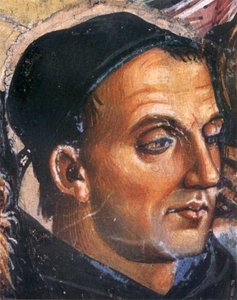
1395–1455, Италия
Фра Беато Анджелико
Ранние годы и духовное становление Рожденный как Гвидо ди Пьетро в долине Муджелло, человек, которому суждено было стать известным как Фра Анджелико, начал свой жизненный путь среди живописных холмов Тосканы, неподалеку от Флоренции. Около 1395 года он был известен под именем Джованни да Фиезоле. Его ранние годы были неразрывно связаны с безмятежным ландшафтом этого региона. Со временем юный Джованни вступил в доминиканский орден в Фиезоле.
Другие работы Фра Беато Анджелико
 Провозглашение Богородицы1430
 Мадонна с Младенцем, святыми и Распятием
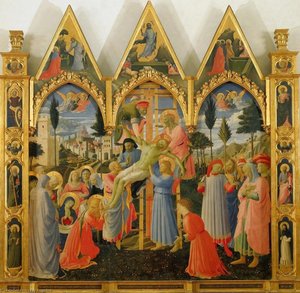 Депозиция от Креста (Пала ди Санта Тринита)
 Страшный суд1431
Эссе к произведению The Annunciation
 Divine Beauty: The 25 Most Iconic Masterpieces by Fra AngelicoJourney through the divine beauty of Fra Angelico's finest works. Explore 25 iconic Renaissance masterpieces, from ethereal frescoes to sac…
 The Enduring Legacy of Fresco: Technique, History & Artistic ExpressionExplore the rich history & enduring artistry of fresco painting. Discover techniques from Giotto to Michelangelo, conservation efforts, & m…
 Sacred Narratives: Decoding the Iconography and Artistry of the AnnunciationExplore the profound symbolism and mastery behind Renaissance Annunciation paintings. Discover the secrets of these sacred masterpieces now.