
 Vezi în context
 Trimite
 Distribuie
 Detalii
 Ghidul

 Descarcă
 Produse similare
 Radiografie
 Diaporama
 Statistici
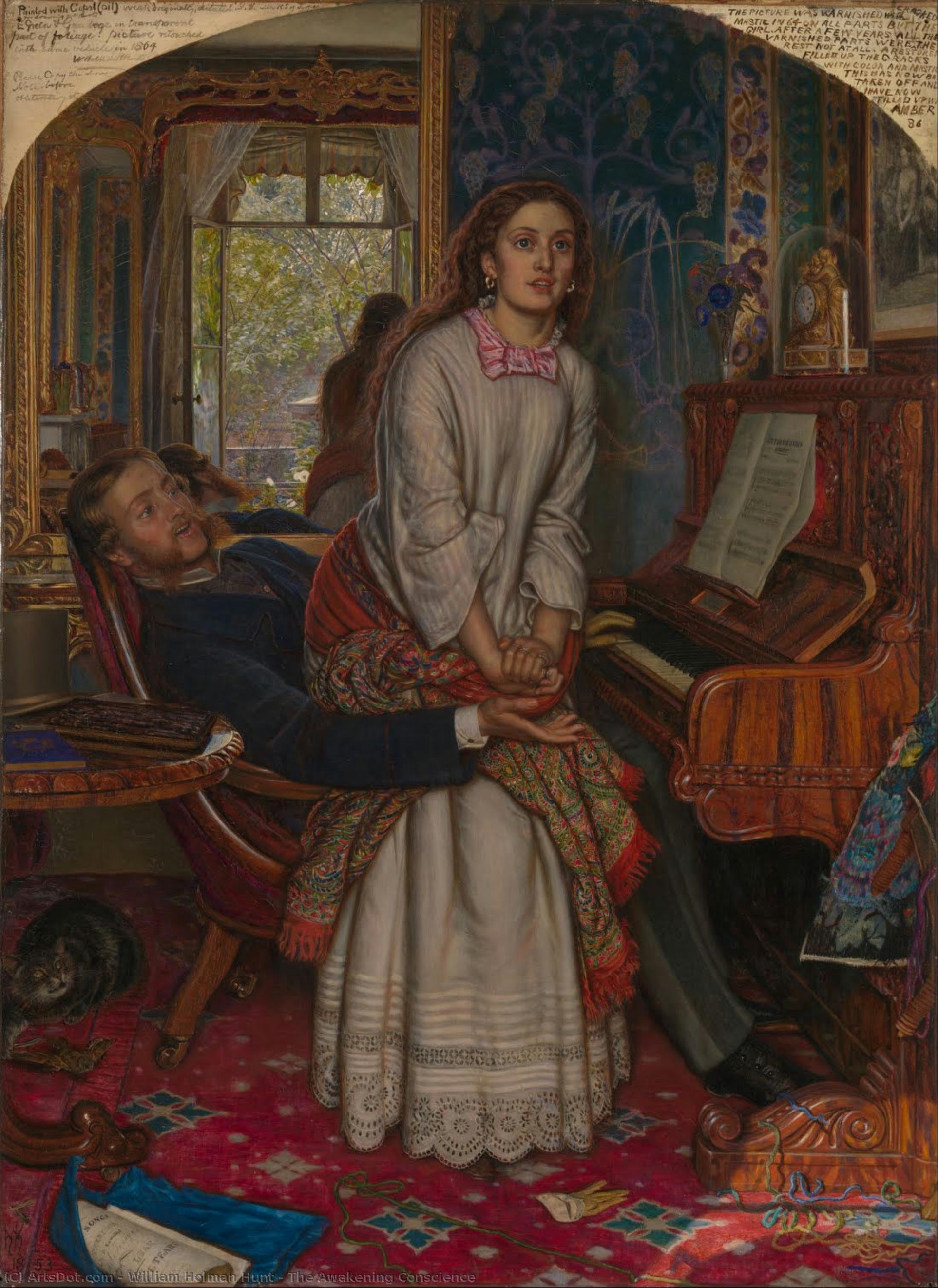
The Awakening Conscience
 Oil On Canvas
- WallArt
- Pre-Raphaelite Brotherhood
 1853
1853 55.0 x 76.0 cm
 Tate Britain
 Citește mai mult
Giclée / Imprimare artistică
Printuri giclée sau pe canvas de calitate muzeală, cu proces de producție rapid și opțiuni flexibile de finisare. ( Comandă pictură realizată manual Treci la imagine digitală)




P118B lei10

P118H lei10

P118W lei10

P438Z lei10

P508JH lei12

P508YH lei12

P805H lei10

P805Z lei10

P919BZ lei10

P919G lei10

P919XJ lei10

P959ZH lei10

P968JZ lei12

W106C lei8

W218G lei10

W218JH lei8

W218Y lei10

W307PJ lei10

W316G lei10

W316PJ lei8

W316Y lei10

W398PJ lei8

W4111J lei10

W500HY lei15

W500JH lei15

W692G lei12

W849H lei8

W940BG lei15

W953PJ lei8




Alegeți dintre dimensiunile noastre prestabilite, care respectă proporțiile originale ale operei de artă.

Introduceți lățimea și înălțimea de care aveți nevoie, pentru a se potrivi ramei sau peretelui dumneavoastră. O printare poate fi doar tăiată, niciodată extinsă dincolo de dimensiunea imaginii originale, astfel încât o dimensiune cu o formă diferită va pierde o parte din imagine. Vă trimitem o simulare digitală pentru aprobare înainte de a imprima orice. Imaginea afișată pe această pagină nu prezintă tăierea reală — doar simularea arată acest lucru.
Livrare în întreaga lume () în 2 săptămâni, în loc de cele 4/5 săptămâni standard. (22 Octombrie)

Livrare expres gratuită la nivel mondial

Pânză de in premium

Asigurare completă pentru transport

Garanție de rambursare a taxelor vamale

Garanția fidelității culorilor

Politica de retur în 100 de zile (doar pentru defecte)

Garanție de rambursare 100%

Reducere pentru comenzi multiple
 Opțiunea cu sticlă este disponibilă doar pentru dimensiuni de sub 110 cm

The Awakening Conscience
Giclée / Imprimare artistică
Dimensiune reproducere
-


Preț total
lei 368
The Awakening Conscience: A Victorian Portrait of Moral Reckoning
William Holman Hunt’s “The Awakening Conscience,” painted in 1853, isn't merely a depiction of a clandestine rendezvous; it’s a meticulously crafted tableau of moral crisis and spiritual awakening, a profound exploration of Victorian sensibilities. This oil-on-canvas masterpiece transcends the conventions of portraiture, offering a window into the anxieties and aspirations of a society grappling with rapid social change and burgeoning religious introspection. Hunt, a founding member of the Pre-Raphaelite Brotherhood, deliberately eschewed the polished idealism of academic art, instead embracing a radical commitment to realism, symbolism, and emotional truth – qualities powerfully evident in this arresting work.
A Scene of Disquiet: Narrative and Composition
At first glance, the painting presents a seemingly straightforward domestic scene: a woman, identified as a fallen woman, sits in the lap of her lover within a lavishly furnished room. However, Hunt’s genius lies in layering multiple narratives and symbolic elements that quickly unravel this initial impression. The setting itself—a recently decorated apartment filled with new furniture, an elaborate tapestry, and gleaming objects—immediately signals a disruption of established order and a transgression against Victorian ideals of domesticity. The woman's posture, initially relaxed, subtly shifts as she turns her head towards the window, drawing the viewer’s eye to the stark contrast between the interior world of temptation and the promise of redemption represented by the vibrant spring garden visible beyond.
- The Lover: Represents worldly indulgence and a source of moral corruption.
- The Woman: Embodies vulnerability, regret, and the potential for spiritual rebirth.
- The Room: Symbolizes the artificiality and superficiality of a life lived outside of genuine faith.
- The Window: Represents an escape from earthly constraints and a pathway to moral awakening.
Symbolism Woven into Reality: Details of Moral Weight
Hunt’s meticulous attention to detail is paramount, imbuing the painting with layers of symbolic meaning. The discarded items scattered around the room—a broken glove, a top hat, a partially finished tapestry—speak volumes about wasted opportunities and shattered dreams. The clock concealed beneath glass serves as a potent reminder of time slipping away, while the music on the piano – Thomas Moore’s “Oft in the Stilly Night” – echoes the woman's lost innocence and longing for a simpler past. The presence of various objects—bells, marigolds, and a star—further reinforces the painting’s moral weight, suggesting both warning and hope. Notably, the mirror reflects not just the room but also the garden outside, emphasizing the allure of a life beyond earthly constraints.
Pre-Raphaelite Vision: Light, Color, and Emotional Resonance
“The Awakening Conscience” is a quintessential example of Pre-Raphaelite aesthetics. Hunt employed rich, saturated colors—deep indigoes, vibrant reds, and luminous greens—to create an intensely atmospheric effect. The use of light is particularly significant; it streams dramatically through the window, illuminating the woman’s face and casting long shadows across the room, highlighting the contrast between darkness and enlightenment. The painting's meticulous detail, achieved through painstaking brushwork and a commitment to naturalistic representation, reflects the Pre-Raphaelites’ desire to capture the beauty and complexity of the world with unprecedented accuracy. The overall effect is one of heightened emotional intensity, inviting viewers to contemplate the profound questions of morality, redemption, and the human condition.
This painting continues to resonate today as a powerful meditation on personal responsibility, spiritual yearning, and the enduring struggle between earthly desires and moral conscience. Reproductions offer a remarkable opportunity to experience the depth and complexity of Hunt’s vision, bringing this poignant portrait into any space with an appreciation for art's ability to provoke thought and inspire reflection.
Întrebări și răspunsuri
În ce etapă a evoluției lui William Holman Hunt se încadrează „The Awakening Conscience”?
„The Awakening Conscience” aparține perioadei Mature Period din cariera lui William Holman Hunt. Această clasificare corelează opera cu evoluția artistului.
Ce tehnică a fost utilizată pentru "The Awakening Conscience" de William Holman Hunt?
Tehnica utilizată pentru "The Awakening Conscience" de William Holman Hunt este Oil On Canvas. Reproduucerile urmăresc să reproducă aspectul acestei tehnici.
Ce emoție transmite "The Awakening Conscience" de William Holman Hunt?
"The Awakening Conscience" de William Holman Hunt transmite un ton emoțional Melancholic.
Biografie artist
A Life Dedicated to Vision
William Holman Hunt, born in Cheapside, London on April 2, 1827, wasn’t merely a painter; he was a profound seeker—a philosopher and spiritual explorer who translated his deepest convictions into the vibrant language of canvas. His early life, nestled within the bustling commercial heart of his father's warehouse business, held an unexpected artistic spark, one that would ultimately defy expectations and forge a path radically different from the predetermined course laid out for him. Initially destined for a career mirroring his father’s mercantile pursuits, Hunt discovered solace and purpose in art, beginning with clandestine sketching sessions and, after considerable struggle, formal training at the prestigious Royal Academy Schools. This initial apprenticeship proved restrictive, however; he yearned for an artistic expression that transcended the rigid conventions of academic painting—a desire that would soon propel him toward a revolutionary movement. He felt stifled by what he perceived as the artificiality and detachment prevalent in contemporary art, seeking instead a return to the sincerity, meticulous detail, and profound symbolism found in pre-Renaissance masters – a sentiment that became central to the formation of the Pre-Raphaelite Brotherhood. Hunt’s journey wasn't simply about aesthetics; it was a relentless quest for truth, morality, and spiritual resonance within the realm of visual representation—a deeply personal and profoundly influential ambition.The Genesis of a Revolutionary Brotherhood
In 1848, amidst a climate of artistic dissatisfaction, William Holman Hunt, alongside Dante Gabriel Rossetti and John Everett Millais, established the Pre-Raphaelite Brotherhood (PRB). This collective wasn’t merely an artistic movement; it was a deliberate rebellion against what they viewed as the decline of art since Raphael. The PRB championed a return to meticulous detail, vibrant colors, and sincere subject matter—drawing inspiration from the perceived purity and emotional depth of early Italian painting – specifically works created before the supposed artificiality and intellectualism of the High Renaissance took hold. Hunt’s commitment to this philosophy remained unwavering throughout his career; he consistently sought to maximize the popular appeal and public visibility of his work, while remaining steadfast in his adherence to the Brotherhood's core principles. Early masterpieces like *The Hireling Shepherd*, painted in 1851, exemplify this dedication with breathtaking realism – from the individual strands of wool on the sheep’s fleece to each meticulously rendered blade of grass. This wasn’t simply a depiction of rural life; it was an ambitious attempt to convey complex moral and symbolic meanings through precise observation of nature, reflecting Hunt's belief that art could be a powerful tool for social commentary and spiritual enlightenment. The Brotherhood’s manifesto challenged the established norms of artistic production, rejecting what they considered formulaic academic painting in favor of a more direct, honest engagement with the world around them—a bold declaration that resonated deeply within the artistic community.A Pilgrimage of Faith and Symbolic Depth
Hunt's artistic journey took an extraordinary turn during his extensive travels to the Holy Land between 1853 and 1856. Driven by a profound desire for historical accuracy and a deep-seated spiritual quest, he embarked on a pilgrimage to Palestine and Syria, meticulously documenting landscapes, costumes, customs, and architectural details with unparalleled precision. This immersive experience profoundly influenced his later works, imbuing them with an unprecedented sense of realism and spiritual resonance—a testament to the transformative power of direct observation and personal engagement. *The Shadow of Death*, painted during this period, stands as a particularly compelling example of this synthesis – depicting the scene of Christ’s sacrifice in a way that was both visually arresting and deeply symbolic, reflecting Hunt's profound religious convictions. The meticulous detail of the landscape, the expressions on the faces of the onlookers, and the overall composition all contribute to a powerful meditation on mortality, redemption, and the enduring presence of faith. Hunt wasn’t merely recording historical events; he was attempting to capture the essence of spiritual truth through the lens of visual representation—a testament to his belief in art as a vehicle for moral guidance and profound understanding.Iconic Works and Lasting Influence
Perhaps Hunt's most enduring legacy rests upon *The Light of the World* (1852-1853), an iconic painting that captured the imagination of Victorian England and beyond. This powerful depiction of Christ extending his hand to offer salvation resonated deeply with a society grappling with questions of morality, faith, and social justice. The image—a solitary figure standing before a door radiating divine light—became instantly recognizable and profoundly influential, inspiring countless artists, writers, and thinkers. The painting’s popularity was further amplified through the publication of engraved reproductions, which disseminated its message to a wider audience. Hunt's commitment extended beyond mere representation; he sought to imbue his works with layers of symbolic meaning, drawing upon biblical texts, medieval allegory, and contemporary social commentary—reflecting his belief that art had a moral purpose – to uplift, inspire, and guide viewers toward spiritual enlightenment. His meticulous attention to detail, combined with his profound understanding of symbolism and religious themes, cemented his place as one of the most important artists of the Victorian era.A Life of Artistic Pursuit
William Holman Hunt (born April 2, 1827 in Cheapside, London; died September 7, 1910 in London) remained a dedicated artist throughout his life, navigating personal challenges and artistic criticisms with unwavering resolve. He married twice: first to Fanny Waugh, who tragically died in childbirth, and later to her sister Edith. Despite facing significant personal loss and the physical limitations imposed by failing eyesight, Hunt continued to create art until his death, relying on the assistance of his loyal assistant, Edward Robert Hughes. His dedication was recognized with appointment to the Order of Merit by King Edward VII in 1905—a testament to his enduring contribution to British art and culture. William Holman Hunt’s legacy extends far beyond the beauty of his paintings; he revolutionized Victorian art by championing realism, symbolism, and spiritual depth, leaving an indelible mark on generations of artists and viewers alike. His works continue to inspire awe and contemplation, reminding us of the power of art to illuminate the human condition and explore the mysteries of faith.
William Holman Hunt
1827 - 1910 , Regatul Unit al Marii Britanii și Irlandei
Informații rapide
- Artistic Movement Or Style: Pre-Rafaelitism
- Artists Or Movements Influenced By This Artist: ['Frăție Pre-Rafaelit']
- Artists Who Influenced This Artist:
- John Ruskin
- Pictori italieni
- Date Of Birth: 2 aprilie 1827
- Date Of Death: 7 septembrie 1910
- Full Name: William Holman Hunt
- Nationality: Britanic
- Notable Artworks:
- The Light of the World
- Conștiința Trezită
- Pastorul Angajat
- Place Of Birth: Londra, Anglia
Articole conexe

Dante Gabriel Rossetti: Cele Mai Frumoase 25 de Capodopere – Artă, Decorațiuni și Inspirație
Descoperă cele mai frumoase 25 de picturi ale lui Dante Gabriel Rossetti! Explorează arta prerafaelită, simbolismul romantic și portretele feminine iconice. Reproduceri artă de calitate muzeală & inspirație decorativă pe OriginalUniqueArt.com.

Sir John Everett Millais: Pre-Raphaelite Rebellion & Victorian Narrative Detail
Explore the revolutionary art of Sir John Everett Millais & the Pre-Raphaelite Brotherhood. Discover their radical realism, symbolic narratives, and lasting impact on Victorian aesthetics. A deep dive into 19th-century masterpieces.
The Pre-Raphaelite Brotherhood: Rebellion, Romance & Medieval Revival
Explore the captivating world of the Pre-Raphaelite Brotherhood! Discover their rebellious spirit, iconic masterpieces & lasting influence on art history. Learn about Rossetti, Millais & more.
The Pre-Raphaelite Brotherhood: Reclaiming Beauty, Nature, and Truth in Victorian Art History
Explore the revolutionary Pre-Raphaelite Brotherhood. Discover how these visionary artists rejected academic tradition to reclaim beauty, nature, and truth through luminous detail and literary depth in Victorian art history.

Pre-Raphaelite Romanticism: A Guide to Vivid Detail and Medieval Beauty in Victorian Art
Explore the vivid detail and medieval beauty of Pre-Raphaelite Romanticism. Discover the history of masters like Rossetti and Millais through our expert guide to Victorian art, perfect for collectors and professionals seeking authentic, museum-quality reproductions.

