

 Previzualizare
 Trimite
 Distribuie
 Detalii despre lucrare

 Descarcă
 Produse similare
 Radiografie
 Diapozitive automate
George Moore


 Vezi mai mult
Giclée / Imprimare artistică
Printuri giclée sau pe canvas de calitate muzeală, cu proces de producție rapid și opțiuni flexibile de finisare. ( Comandă pictură lucrată manual Cumpără imaginea)




P118B $10

P118H $10

P118W $10

P438Z $10

P508JH $12

P508YH $12

P805H $10

P805Z $10

P919BZ $10

P919G $10

P919XJ $10

P959ZH $10

P968JZ $12

W106C $8

W218G $10

W218JH $8

W218Y $10

W307PJ $10

W316G $10

W316PJ $8

W316Y $10

W398PJ $8

W4111J $10

W500HY $15

W500JH $15

W692G $12

W849H $8

W940BG $15

W953PJ $8




Alegeți dintre dimensiunile noastre prestabilite, care respectă proporțiile originale ale operei de artă.

Puteți introduce propriile dimensiuni pentru a se potrivi unui anumit cadru sau spațiu. Dacă dimensiunea selectată nu corespunde proporțiilor imaginii originale, vom decupa lucrarea de artă sau vom extinde imaginea cu margini oglindite sau cu o culoare uniformă. Un mockup digital va fi trimis pentru aprobarea dumneavoastră înainte de începerea producției.
Vă rugăm să rețineți că previzualizarea de pe ecran nu reflectă decuparea sau extinderea reală. Doar mockup-ul va arăta cu exactitate compoziția finală.
Deși dimensiunile personalizate sunt disponibile, vă recomandăm să selectați o dimensiune din lista predefinită pentru a păstra proporțiile originale.
Livrare în întreaga lume () în 2 săptămâni, în loc de cele 4/5 săptămâni standard. (29 August)

Livrare expres gratuită la nivel mondial

Pânză de in de înaltă calitate

Asigurare completă pentru transport

Garanție de rambursare a taxelor vamale

Garanția fidelității culorilor

Politica de retur în 60 de zile (doar pentru defecte)

Garanție de rambursare 100%

Ofertă pentru comenzi multiple
 Opțiunea cu sticlă este disponibilă doar pentru dimensiuni de sub 110 cm

George Moore
Giclée / Imprimare artistică
Dimensiune reproducere
-


Preț total calculat
$ 80
The Enigmatic Gaze of George Moore
Walter Richard Sickert’s portrait, "George Moore," is not merely a likeness captured on canvas; it is an encounter with a profound, internalized moment. The subject confronts the viewer with an intensity that seems to pierce through the veil of time and paint. Dressed in the formal attire of his era—the crisp collar, the neat tie—he presents a figure steeped in Victorian gravity. Yet, beneath the surface formality lies a palpable tension, suggested by the set of his jaw and the unwavering directness of his gaze. Sickert masterfully isolates this man against a deep, consuming darkness, forcing our attention solely onto the nuances of expression and the subtle play of light across his features.
A Study in Shadow and Psychological Depth
Technically, the painting speaks to Sickert’s signature ability to render atmosphere. The use of chiaroscuro here is dramatic; the background dissolves into an almost velvety void, serving only to push the illuminated figure forward into sharp relief. This technique draws the eye immediately to the subject's face and beard, areas where the artist has concentrated his most delicate brushwork. One senses the weight of history in the oil paint—the rich, matte quality suggesting a careful layering of pigment that builds character as much as it depicts flesh. It is a portrait less concerned with flattering resemblance than with excavating the sitter's inner life.
Historical Echoes and Theatricality
To understand "George Moore" is to appreciate Sickert’s own complex position in art history—a man caught between academic tradition and the restless energy of modernism. Having early associations with the theatrical world, as hinted at by his background, this portrait carries a subtle dramatic flair. The subject seems perpetually poised on a stage, whether that stage is life itself or the quiet drama unfolding within the confines of the painting. It evokes the feeling of observing a character in an unfinished play, rich with unspoken narrative and untold backstory.
Bringing the Masterpiece Home
For the collector or designer seeking to infuse a space with intellectual weight and brooding elegance, this reproduction offers more than just decoration; it offers conversation. The deep tones and focused intensity of Sickert’s hand lend themselves beautifully to sophisticated interiors—a study, a library, or a drawing-room corner where contemplation is encouraged. Owning a piece echoing "George Moore" means embracing a dialogue with the past, acknowledging the enduring power of the human gaze captured by an artist who saw the shadows as vividly as the light.
Biografie artist
A Life Painted in Shadows and Light
Walter Richard Sickert, born in Munich in 1860, was a figure perpetually caught between worlds – German by birth, British by adoption, and an artist forever oscillating between the established traditions of painting and the burgeoning currents of modernism. His early life was marked by movement; the family’s relocation to England in 1868, prompted by political shifts in Europe, instilled within him a sense of displacement that perhaps fueled his lifelong fascination with outsiders and marginalized figures. Though descended from a lineage of artists – his father, Oswald Sickert, was a Danish painter – young Walter initially harbored ambitions for the stage, briefly treading the boards as an actor alongside the renowned Sir Henry Irving. This early exposure to performance, to the art of illusion and character, would profoundly shape his artistic vision, imbuing his paintings with a theatricality and psychological depth that set him apart from his contemporaries. However, the allure of visual expression proved stronger, leading him to enroll at the Slade School in 1881 and subsequently become a devoted pupil of James Abbott McNeill Whistler. This mentorship was formative, instilling in Sickert a preference for tonal studies painted *alla prima*, directly from nature, and a refined aesthetic sensibility that would underpin his early work. The influence of Whistler wasn’t merely technical; it fostered an appreciation for artistic independence and a willingness to challenge conventional norms.London's Underbelly and the Allure of Modern Life
Sickert’s artistic compass quickly gravitated towards the vibrant, often gritty realities of London life. He became captivated by the atmosphere of the city’s music halls – spaces teeming with energy, spectacle, and a diverse cross-section of society. His paintings from this period, such as Katie Lawrence at Gatti's, are remarkable for their unflinching portrayal of these environments and their inhabitants. These weren’t simply depictions; they were explorations of modern urban existence, capturing the fleeting moments and raw emotions experienced within those walls. He sought to paint life as it was lived, not as it was idealized, a radical departure from Victorian artistic conventions. The figures in his paintings—often women performers, street vendors, or casual observers—were rendered with a keen eye for detail and a subtle understanding of their psychological states. Critics of the time often found these scenes unsettling, deeming them “ugly” and “vulgar,” but Sickert persisted in his commitment to portraying the realities of London’s working class and marginalized communities. His willingness to depict ordinary people, particularly female performers, with honesty and without romanticization was a provocative act, foreshadowing the shift towards social realism in 20th-century art. He meticulously observed the lighting, the costumes, and the interactions between individuals, creating paintings that felt both immediate and deeply evocative.The Influence of Whistler and the Pursuit of Tone
James Abbott McNeill Whistler’s impact on Sickert's artistic development was profound. Whistler’s emphasis on *tone*—the subtle interplay of light and shadow—influenced Sickert’s approach to color and composition. Unlike the bright, saturated palettes favored by many Impressionists, Sickert often employed muted tones and atmospheric effects to create a sense of mood and atmosphere. He meticulously built up layers of paint, using thin washes and delicate glazes to achieve a velvety texture and a subtle luminosity. This technique, honed during his time with Whistler, allowed him to capture the fleeting qualities of light and shadow in a way that was both expressive and technically sophisticated. Furthermore, Whistler’s belief in artistic independence—his rejection of academic conventions and his insistence on prioritizing aesthetic experience over literal representation—resonated deeply with Sickert's own artistic sensibilities. He embraced Whistler’s ideas about “art for art’s sake,” rejecting the notion that art should serve a didactic or moral purpose.The Camden Town Group and a New Vision of London
As the 20th century dawned, Sickert became a central figure in the burgeoning British avant-garde movement. He joined the New English Art Club in 1888, aligning himself with artists who embraced French Impressionist principles. However, it was his involvement in the formation of the Camden Town Group in 1911 that truly cemented his place as a pioneer of modern British art. This group—which included Augustus John and Lucien Pissarro—challenged the established artistic conventions of the time and sought to create a new visual language for depicting London life. The name “Camden Town” reflected the area’s bohemian atmosphere, characterized by its working-class pubs, music halls, and vibrant street life. Sickert's paintings from this period often featured unsettling subject matter—such as his Camden Town Murder series—reflecting a growing fascination with crime and psychological tension. He wasn’t simply interested in documenting the surface of things; he wanted to delve into the darker recesses of the human psyche, exploring themes of alienation, anxiety, and moral ambiguity.Legacy and Lingering Mysteries
Walter Richard Sickert’s legacy extends far beyond his prolific output. He was a catalyst for change in British art, paving the way for subsequent generations of artists to embrace modernism and explore new avenues of expression. His influence can be seen in the work of numerous painters who followed, particularly those associated with the London Group and other avant-garde movements. Sickert’s pioneering spirit, his commitment to realism, and his willingness to challenge societal norms continue to resonate with artists today. While controversies surrounding his life—including speculation about his potential involvement in the Jack the Ripper murders—have added layers of intrigue to his story, they do not diminish his artistic achievements. These theories, though largely dismissed by scholars, speak to the unsettling quality of his work and its preoccupation with themes of violence and urban decay. His paintings remain powerful testaments to a changing world, offering glimpses into the lives and experiences of those often overlooked by traditional art history. He was an artist who dared to look beyond the surface, to confront the uncomfortable truths of modern life, and to capture them on canvas with unflinching honesty.Key Details & Influences
- Born: May 31, 1860, Munich, Bavaria
- Died: January 22, 1942, Bathampton, England
- Key Influences: James Abbott McNeill Whistler, Edgar Degas
- Associated Groups: New English Art Club, Camden Town Group

Walter Richard Sickert
1860 - 1942 , Germania
Detalii rapide
- Artistic Movement Or Style: Post-Impressionism
- Artists Or Movements Influenced By This Artist: ['Camden Town Group']
- Artists Who Influenced This Artist:
- Whistler
- Degas
- Date Of Birth: 31 mai 1860
- Date Of Death: 22 ianuarie 1942
- Full Name: Walter Richard Sickert
- Nationality: Britanic
- Notable Artworks:
- Katie Lawrence
- Sinn Féiners
- L'Hotel Royal
- Place Of Birth: Munich, Germania
Articole similare

The Enduring Legacy of Oil on Canvas: Technique, History & Aesthetic Impact
Explore the rich history & techniques of oil painting – from Renaissance masters to Impressionism. Discover pigments, layering methods, and why this timeless medium endures. Expert insights for artists & art enthusiasts.

Oil on Canvas: A Historical & Technical Exploration of a Timeless Artistic Medium
Explore the rich history & enduring techniques of oil painting on canvas. Discover the science behind its longevity, conservation practices, and contemporary relevance. Expert insights for art enthusiasts.

The Enduring Power of Painting: A Historical & Contemporary Exploration of Form and Emotion
Explore the rich history & enduring techniques of oil painting with OriginalUniqueArt. Discover masterpieces, learn about art collecting, and find authentic handmade reproductions crafted by skilled artists.
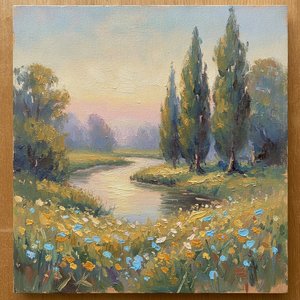
The Timeless Charm of Oil on Board: Reimagining Texture and Light through the Impressionist Lens
Discover the profound intimacy of oil on panel. Explore how Impressionist masters used rigid supports to capture light, texture, and impasto depth through exquisite, handmade oil reproductions for discerning collectors.

Moștenirea Durabilă a Picturii în Ulei: Tehnică, Istorie și Practică Contemporană
Descoperă istoria fascinantă și tehnicile esențiale ale picturii în ulei. Ghid complet pentru artiști, de la materiale până la creații contemporane. Îmbunătățește-ți abilitățile artistice!

