
 Previzualizare
 Trimite
 Distribuie
 Detalii despre lucrare

 Descarcă
 Produse similare
 Radiografie
 Diapozitive automate
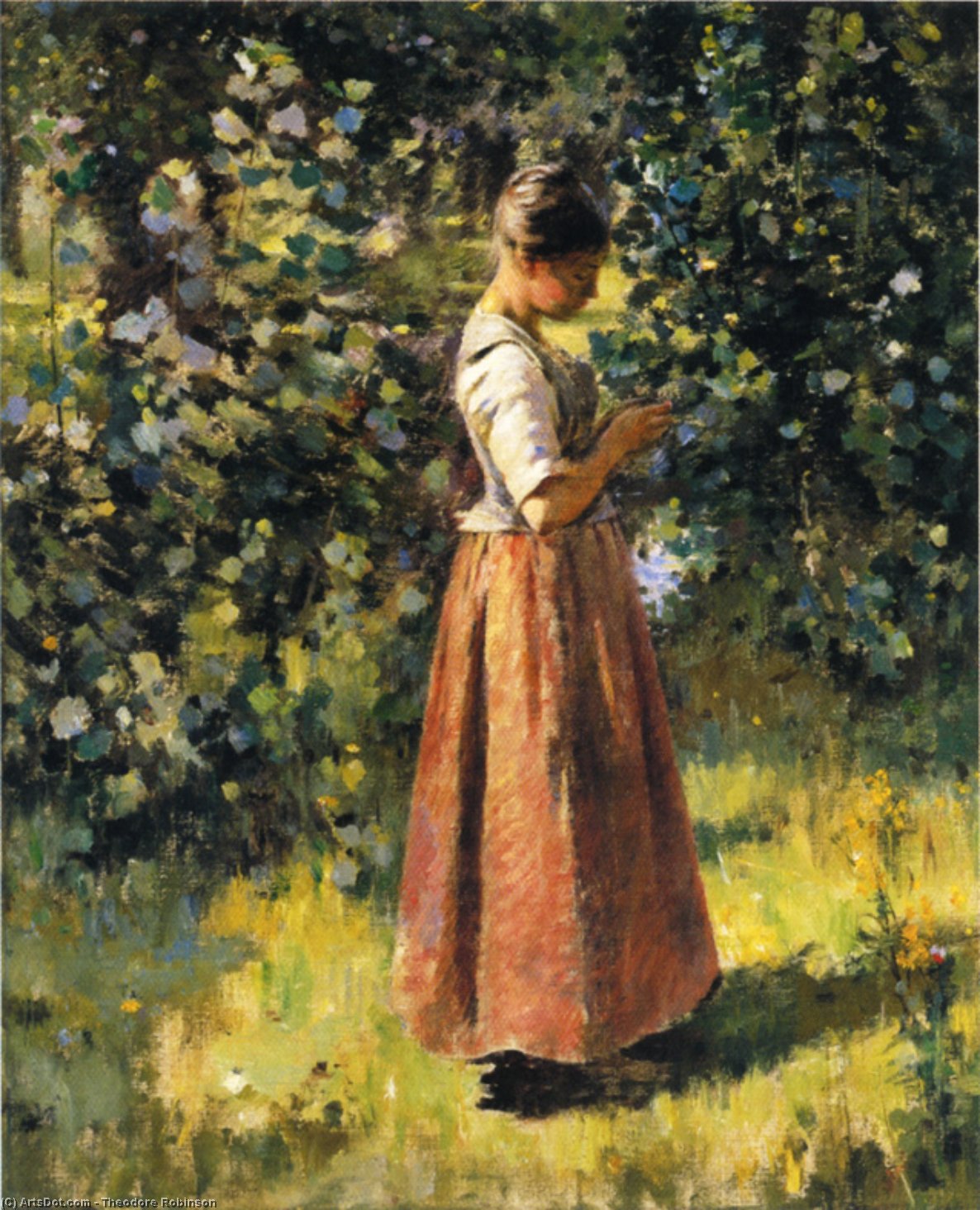
In the Grove


 Vezi mai mult
Giclée / Imprimare artistică
Printuri giclée sau pe canvas de calitate muzeală, cu proces de producție rapid și opțiuni flexibile de finisare. ( Comandă pictură lucrată manual Cumpără imaginea)




P118B $10

P118H $10

P118W $10

P438Z $10

P508JH $12

P508YH $12

P805H $10

P805Z $10

P919BZ $10

P919G $10

P919XJ $10

P959ZH $10

P968JZ $12

W106C $8

W218G $10

W218JH $8

W218Y $10

W307PJ $10

W316G $10

W316PJ $8

W316Y $10

W398PJ $8

W4111J $10

W500HY $15

W500JH $15

W692G $12

W849H $8

W940BG $15

W953PJ $8




Alegeți dintre dimensiunile noastre prestabilite, care respectă proporțiile originale ale operei de artă.

Puteți introduce propriile dimensiuni pentru a se potrivi unui anumit cadru sau spațiu. Dacă dimensiunea selectată nu corespunde proporțiilor imaginii originale, vom decupa lucrarea de artă sau vom extinde imaginea cu margini oglindite sau cu o culoare uniformă. Un mockup digital va fi trimis pentru aprobarea dumneavoastră înainte de începerea producției.
Vă rugăm să rețineți că previzualizarea de pe ecran nu reflectă decuparea sau extinderea reală. Doar mockup-ul va arăta cu exactitate compoziția finală.
Deși dimensiunile personalizate sunt disponibile, vă recomandăm să selectați o dimensiune din lista predefinită pentru a păstra proporțiile originale.
Livrare în întreaga lume () în 2 săptămâni, în loc de cele 4/5 săptămâni standard. (15 August)

Livrare expres gratuită la nivel mondial

Pânză de in de înaltă calitate

Asigurare completă pentru transport

Garanție de rambursare a taxelor vamale

Garanția fidelității culorilor

Politica de retur în 60 de zile (doar pentru defecte)

Garanție de rambursare 100%

Ofertă pentru comenzi multiple
 Opțiunea cu sticlă este disponibilă doar pentru dimensiuni de sub 110 cm

In the Grove
Giclée / Imprimare artistică
Dimensiune reproducere
-


Preț total calculat
$ 80
Descriere obiect de colecție
In the Grove: A Meditation on Light and Loss
The painting “In the Grove” by Theodore Robinson stands as a cornerstone of American Impressionism—a testament to his ability to distill the profound beauty of nature into emotionally resonant visual form. Completed in 1888, it resides within the Baltimore Museum of Art’s collection, offering viewers an intimate glimpse into Robinson's artistic vision and capturing a moment frozen in time.
Robinson’s stylistic approach was deeply rooted in European Impressionism, yet he imbued his canvases with distinctly American sensibilities. Influenced by luminists like Frederic Church and George Caleb Bingham, he sought to depict landscapes not merely as representations of scenery but as expressions of spiritual contemplation. This is evident in “In the Grove,” where Robinson employs a broken color palette—characteristic of Monet’s Giverny series—to capture the dappled sunlight filtering through dense foliage.
- Technique: Robinson utilized oil paints on canvas, applying thin layers of pigment to build up texture and luminosity. His brushstrokes are loose and expressive, prioritizing tonal variation over precise detail, mirroring the fleeting effects of natural light.
- Composition: The painting’s central figure—a woman standing amidst towering trees—is positioned slightly off-center, creating a sense of balance and inviting the viewer's gaze to wander across the expansive vista. Robinson skillfully employs atmospheric perspective, diminishing colors and tonal values in the distant background to convey depth and heighten the feeling of serenity.
- Color Palette: Dominant hues include muted greens, browns, and ochres—colors that evoke the earthy tones of woodland environments. However, a striking crimson dress worn by the woman introduces a vibrant accent, symbolizing passion or perhaps hinting at an underlying melancholy.
Beyond its aesthetic qualities, “In the Grove” resonates with deeper symbolic meanings. The grove itself represents seclusion and contemplation—a refuge from the anxieties of urban life—while the woman embodies resilience and grace amidst adversity. Robinson’s masterful depiction of light—particularly the way it illuminates the foliage and casts shadows across the scene—suggests a yearning for transcendence, capturing the sublime beauty of nature as a source of spiritual solace.
Considered alongside similar works by Monet and Van Gogh – notably “Red Vineyard” – “In the Grove” exemplifies the Impressionist preoccupation with capturing fleeting moments of sensory experience. Its enduring appeal lies in its ability to transport viewers to a tranquil landscape, prompting reflection on themes of beauty, loss, and the interconnectedness of humanity and nature. Reproductions of this iconic painting are available at OriginalUniqueArt.com, allowing art enthusiasts to appreciate Robinson’s legacy for generations to come.
Biografie artist
A Pioneer of American Light: The Life and Art of Theodore Robinson
Theodore Robinson, a name perhaps less immediately recognizable than those of Monet or Renoir, nevertheless occupies a pivotal position in the story of American art. Born in rural Vermont in 1852, his journey was one of persistent artistic seeking, culminating in a unique synthesis of European Impressionism and distinctly American sensibilities. His life, though tragically cut short at the age of forty-four, left an enduring legacy as a key figure in bringing the shimmering light and broken color of France to a new generation of American painters. Robinson’s early years were marked by frequent relocation; his family moved to Wisconsin when he was just three years old, and he briefly studied art in Chicago before venturing east to New York City in 1874. There, he enrolled at the National Academy of Design and the Art Students League, laying a foundation in traditional techniques that would later be brilliantly transformed by his experiences abroad. These formative years were also shaped by practical necessity; Robinson often supplemented his artistic pursuits with teaching positions, a task he found draining due to chronic asthma which plagued him throughout his life.From Realism to the Allure of Giverny
Robinson’s initial artistic inclinations leaned towards realism, mirroring the prevailing tastes of the time. He favored scenes of quiet domesticity and agrarian life, depicting figures engaged in everyday activities with a meticulous attention to detail. These early works – paintings like *The Red Gown (His Favorite Model)* and *White Bridge Near Napanoch* – demonstrate a careful observation of form and a commitment to portraying the dignity of ordinary subjects. However, a turning point arrived in 1884 when he embarked on an extended stay in France. It was here, in the idyllic countryside surrounding Paris, that his artistic vision underwent a profound shift. He settled in Giverny, becoming intimately acquainted with Claude Monet and absorbing the principles of Impressionism firsthand. This wasn’t merely a stylistic adoption; it was a complete reimagining of how light, color, and atmosphere could be captured on canvas. Monet's guidance proved invaluable, encouraging Robinson to embrace a more spontaneous approach, focusing on the fleeting effects of light and shadow rather than precise representation. The influence is palpable in works like *Giverny 1*, *Giverny 2*, and *Giverny 3*, where dappled sunlight filters through trees, creating an ethereal quality that transcends mere depiction. He didn’t simply copy Monet; he filtered the Impressionist aesthetic through his own American lens, retaining a sense of structure and form that distinguished his work from its French counterparts.A Bridge Between Worlds: Sharing the Vision
Robinson's significance extends beyond his individual paintings; he served as a crucial conduit between the European avant-garde and the burgeoning American art scene. His position in Giverny placed him at the center of an American artistic colony, allowing him to share his newfound knowledge and enthusiasm with fellow painters like Julian Alden Weir and John Henry Twachtman. He became a passionate advocate for Impressionism, tirelessly demonstrating its techniques and principles to those who sought his guidance. This role as a mentor and interpreter was particularly important in a time when American art was still largely dominated by academic traditions. His influence is evident in the work of many artists who visited Giverny, helping to establish an American Impressionist style that was both indebted to French innovations and uniquely its own. He brought back not just techniques but also a philosophy – a way of seeing and responding to the world around him.Later Years and Lasting Legacy
Returning to America in 1892, Robinson sought to apply his Impressionist vision to the landscapes of his native country. He worked alongside Weir and Twachtman at Cos Cob, Connecticut, a thriving art colony, and painted scenes along the canals of New York State before eventually settling in Vermont, hoping to recreate a Giverny-like environment closer to home. However, his health continued to deteriorate, and he faced increasing financial hardship. His final years were marked by isolation and struggle, culminating in his death in 1896. Ironically, many of his paintings remained unsold during his lifetime, only gaining recognition after his passing. Today, Theodore Robinson’s work is held in major museum collections, including the Metropolitan Museum of Art, a testament to his enduring artistic merit. His meticulous diaries, preserved at the Frick Art Reference Library, offer invaluable insights into his creative process and intellectual life.A Lasting Impression
Theodore Robinson’s contribution to American art lies not only in the beauty of his paintings but also in his role as a catalyst for change. He was a bridge between cultures, a passionate advocate for innovation, and a gifted artist who helped shape the course of American Impressionism. His work embodies a delicate balance between observation and interpretation, realism and abstraction, European influence and American identity. He demonstrated that it was possible to embrace the radical innovations of Impressionism without sacrificing one’s artistic voice or cultural heritage. His paintings continue to captivate viewers with their luminous quality and evocative atmosphere, reminding us of the power of art to transform our perception of the world around us. Robinson's legacy is a testament to the enduring appeal of light, color, and the pursuit of artistic truth.- Notable Works: Giverny 1, Giverny 2, Giverny 3, La débâcle (1892)
- Influences: Claude Monet, John La Farge, Carolus-Duran, Jean-Léon Gérôme
- Artistic Movement: American Impressionism

Teodor Robinson
1852 - 1896 , Statele Unite ale Americii
Detalii rapide
- Artistic Movement Or Style: Impressionism
- Artists Or Movements Influenced By This Artist: ['American Impressionism']
- Artists Who Influenced This Artist: ['Monet']
- Date Of Birth: 1852
- Date Of Death: 1896
- Full Name: Theodore Robinson
- Nationality: American
- Notable Artworks:
- Giverny 1
- Giverny 2
- Giverny 3
- Place Of Birth: Irasburg, USA
Articole similare
Top 10 Capodopere Artistice cu Peisaje: Inspirație și Frumusețe pentru Decorul Casei
Descoperă top 10 capodopere artistice cu peisaje, de la Monet și Van Gogh la picturi impresioniste. Află poveștile din spatele fiecărei opere și găsește inspirație pentru decorul casei tale! Reproduceri tablouri de calitate superioară pe OriginalUniqueArt.com.

Katsushika Hokusai: Cele Mai Iubite 25 de Opere de Artă – Inspirație pentru Decorul Casei Tale
Descoperă cele mai frumoase 25 de opere de artă semnate de Katsushika Hokusai, maestru ukiyo-e. Explorează istoria valului Kanagawa și a picturilor japoneze iconice. Reproduceri de calitate muzeală pentru decorul casei tale pe OriginalUniqueArt.com!

Evocations of Place: A Historical Journey Through Landscape Art
Explore the rich history of landscape art with OriginalUniqueArt. Discover renowned artists, movements like Impressionism & Romanticism, and expert guidance for collecting timeless pieces. Find your perfect serene escape today!

Paul Cézanne: Cele Mai Reprezentative 25 De Capodopere – Artă, Istorie și Decorațiuni Interioare
Descoperă cele mai frumoase 25 de capodopere Paul Cézanne! Explorează istoria, tehnicile și semnificația picturilor impresioniste iconice. Reproduceri artă de calitate muzeală & inspirație decor interioară pe OriginalUniqueArt.com.

Evocations of Place: A Historical Journey Through Landscape Art
Explore the rich history of landscape art with OriginalUniqueArt. Discover renowned artists, movements like Impressionism & tonalism, and expert guidance for collecting timeless pieces. Find your perfect serene escape today!

